
Are you wondering what to put on your bird feeder pole to attract more feathered friends to your yard? Choosing the right items can make all the difference in creating a welcoming space for birds.
Whether you want to feed, entertain, or protect them, the options you select will affect how often birds visit your feeder. You’ll discover simple, effective ideas to enhance your bird feeder pole and bring more life and color to your outdoor space.
Keep reading to find out how to make your bird feeder pole a bird magnet!
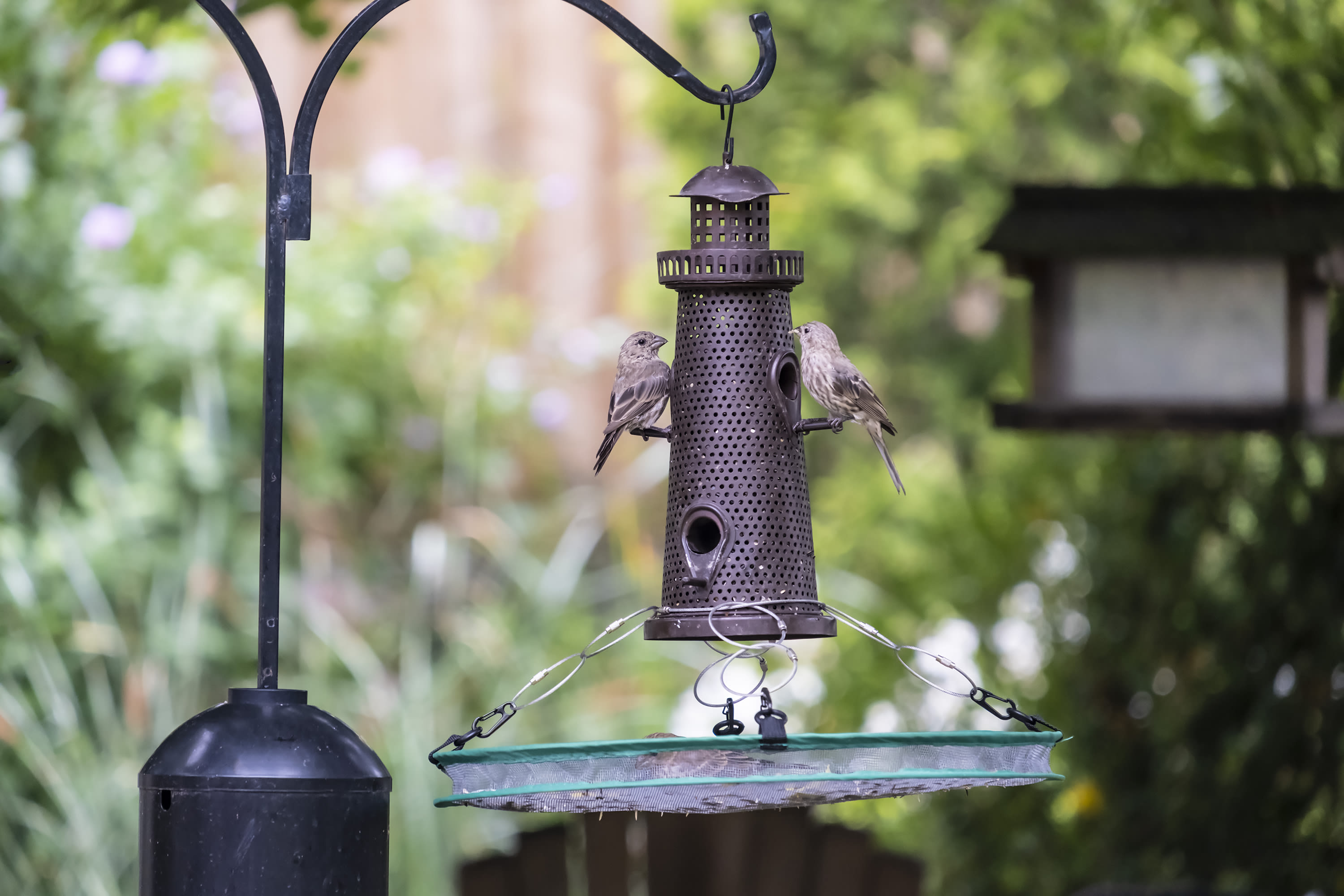
Credit: dengarden.com
Choosing The Right Feeder
Choosing the right feeder is key for attracting birds to your feeder pole. The right feeder matches the birds you want to see. It also fits your space and budget. Understanding feeder types, materials, and size helps in making a good choice.
Types Of Bird Feeders
- Tube feeders: Hold seeds and attract small birds like finches.
- Hopper feeders: Larger, hold more seeds, attract a variety of birds.
- Platform feeders: Open tray style, good for ground-feeding birds.
- Squirrel-proof feeders: Designed to keep squirrels away from seeds.
- Nyjer feeders: Small holes for tiny seeds, attract finches and siskins.
Material Considerations
- Plastic feeders: Lightweight and affordable, but may crack in cold.
- Metal feeders: Durable and weather-resistant, often squirrel-proof.
- Wood feeders: Natural look, blends in with garden, may need maintenance.
- Glass feeders: Attractive but fragile, best for gentle weather.
Size And Capacity
Choose a feeder size based on the number of birds visiting. Small feeders work for a few birds. Large feeders hold more seeds and need less refilling.
Consider the space around your feeder pole. Avoid oversized feeders if space is tight. A feeder that fits well will attract more birds and keep seeds fresh.
Selecting Bird Food
Selecting the right bird food is key to attracting many different bird species to your feeder pole. Different birds prefer different foods. Choosing the right mix keeps birds coming back and helps them stay healthy.
Seeds For Different Bird Species
Black oil sunflower seeds attract many birds. They have a thin shell and high oil content. Finch species love nyjer seeds. These tiny seeds suit small beaks. Safflower seeds are good for cardinals and grosbeaks. They have a bitter taste birds like but squirrels dislike.
- Sunflower seeds: sparrows, chickadees, finches
- Nyjer seeds: goldfinches, siskins
- Safflower seeds: cardinals, grosbeaks
Nuts And Fruits
Many birds enjoy nuts like peanuts and almonds. Use unsalted, unroasted nuts to keep birds safe. Fruits such as apples, oranges, and berries attract fruit-eating birds. Cut fruits into small pieces for easy eating. These options add variety and nutrition.
- Peanuts: woodpeckers, jays
- Almonds: nuthatches, titmice
- Fruits: orioles, thrushes
Avoiding Harmful Foods
Some foods can harm birds. Avoid bread, salty snacks, and processed foods. These can cause health problems and malnutrition. Also, steer clear of moldy or old food. Clean feeders regularly to prevent disease and keep birds safe.
Placement Tips
Choosing the right place for your bird feeder pole affects bird visits. Good placement helps birds find food easily and stay safe. Consider height, safety, sunlight, and shelter for best results.
Ideal Height And Location
Place the bird feeder pole about 4 to 6 feet off the ground. This height is easy for birds to access and for you to refill. Keep it near trees or shrubs. Birds use nearby plants for resting and quick escape.
Safety From Predators
Keep the feeder pole away from places where cats or other predators can hide. Avoid placing it too close to fences or walls. Leave a clear space around the feeder so birds can see danger early. Use baffles on the pole to stop predators from climbing up.
Sunlight And Shelter
Position the feeder where it gets morning sunlight. Sunlight warms birds and helps keep seeds dry. Avoid full afternoon sun to prevent overheating. Place the feeder near some shelter like bushes or trees. Shelter protects birds from wind and rain while feeding.

Credit: www.amazon.ca
Maintaining Cleanliness
Keeping your bird feeder pole clean is key to feeding birds safely. Dirty feeders can spread diseases to birds. Clean feeders also attract more birds and keep them healthy. Follow simple steps to maintain cleanliness and enjoy watching healthy birds visit your feeder.
Regular Cleaning Schedule
Clean the bird feeder pole at least once a week. Use warm water and mild soap. Rinse well to remove all soap. Dry the pole completely before refilling. In wet or humid weather, clean more often. This routine stops dirt and old food buildup.
Preventing Mold And Bacteria
Mold and bacteria grow quickly on feeders. Remove any wet or clumped food immediately. Use a solution of one part white vinegar to four parts water to clean. Avoid harsh chemicals that harm birds. Let the feeder dry in the sun to kill germs. Regular cleaning keeps feeders safe for birds.
Replacing Food Frequently
Change bird food every few days. Old food becomes stale and unhealthy. Wet food can rot and attract pests. Only fill the feeder with enough food birds can eat in a short time. This reduces waste and keeps birds coming back for fresh meals.
Adding Accessories
Adding accessories to a bird feeder pole enhances its function and invites more birds. These additions make feeding safer and more enjoyable for birds. Simple upgrades can reduce problems and attract a variety of feathered visitors.
Squirrel Baffles
Squirrel baffles stop squirrels from reaching bird feeders. They are usually round or cone-shaped barriers placed below the feeder. These baffles keep squirrels from climbing the pole or jumping onto the feeder. By preventing squirrels, more seeds stay for the birds. Installing a baffle is an easy way to protect your feeder.
Perches And Platforms
Perches and platforms offer birds a place to rest while feeding. Some feeders have built-in perches, but adding extra ones helps more birds feed at once. Platforms can hold seeds or water and attract ground-feeding birds. They also provide space for different bird species to visit. Placing a small platform near the feeder increases comfort for birds.
Water Sources Nearby
Birds need water for drinking and bathing. Placing a water source near the feeder draws more birds to your yard. A birdbath or shallow dish works well. Keep the water clean and fresh to avoid spreading disease. Water helps birds stay healthy and makes your feeding area lively. Birds often return to places with both food and water.
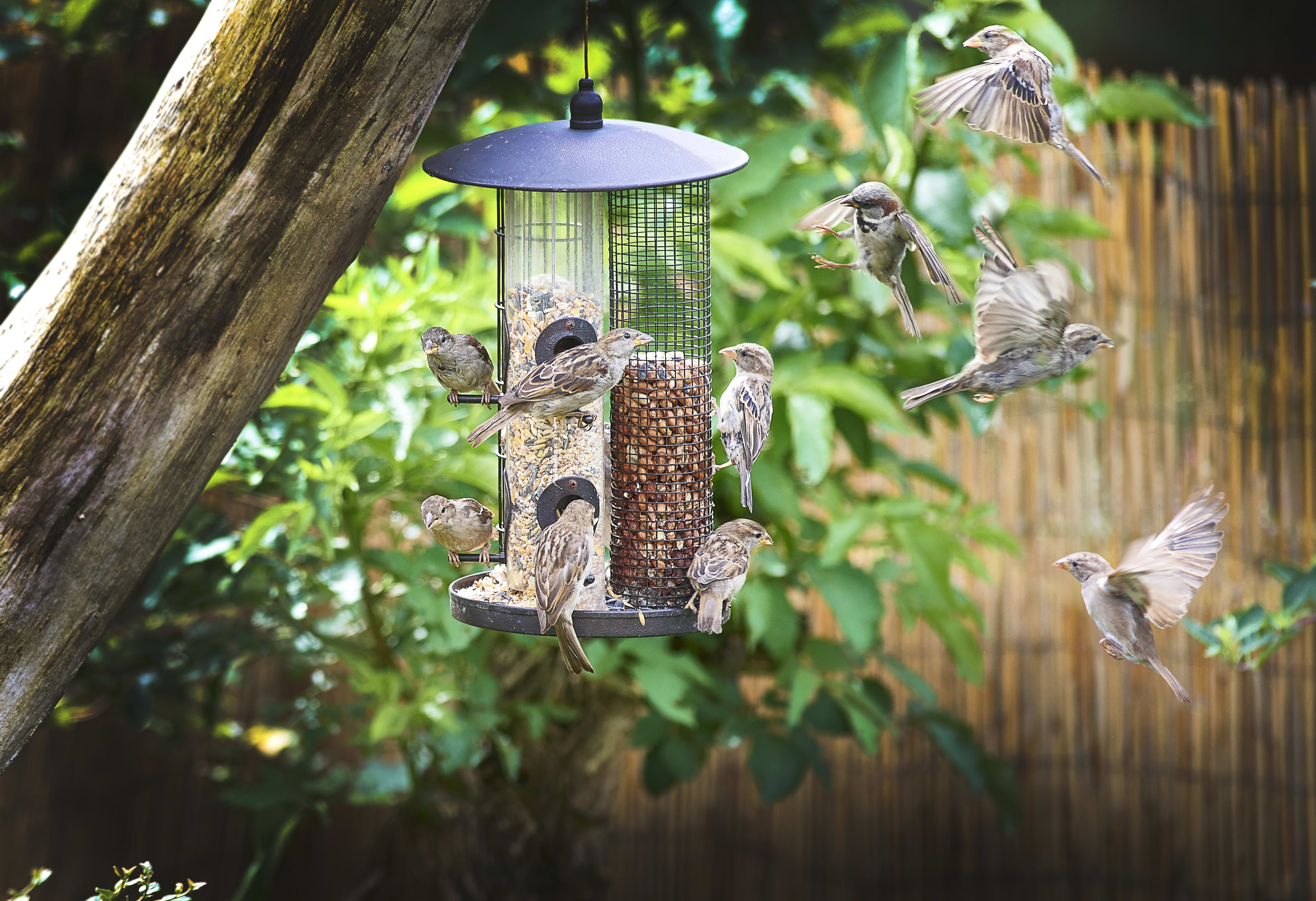
Credit: dengarden.com
Seasonal Adjustments
Adjusting what you put on your bird feeder pole based on the season can attract more birds and ensure their well-being. Seasonal changes affect the availability of natural food sources, so your feeder offerings should shift accordingly. This not only helps the birds but also enhances your birdwatching experience, as different species may visit during different times of the year.
Winter Feeding Tips
Winter can be harsh for birds, with scarce food resources and cold temperatures. Adding high-energy foods like suetand black oil sunflower seedscan make a big difference. These foods provide essential fats and calories that help birds keep warm.
Try using peanut buttermixed with seeds for a quick DIY bird snack. Hang feeders in a location that offers some shelter from the wind, making it more inviting for visitors. Have you noticed that more birds flock to your feeder after a snowstorm? That’s because they rely on you for sustenance when natural resources are covered.
Summer Considerations
As temperatures rise, the needs of birds change. Offer lighter fare like fruit slicesand nectarto attract species like orioles and hummingbirds. Remember to clean your feeders regularly during summer to prevent mold and bacteria build-up.
Consider adding a bird bathor water feature to keep birds hydrated. Have you ever noticed how a splash of water can turn your garden into a bird party? Fresh water is a huge draw for birds during the hot months.
Adapting To Local Bird Behavior
Each region has its own bird population with unique habits and preferences. Take note of which species visit your feeder throughout the year. Are you seeing more finches in the spring? Adjust your offerings with nyjer seedto keep them coming back.
Use a bird identification guideto recognize frequent visitors and tailor your feed accordingly. Observing these patterns can turn feeding birds into an educational and rewarding hobby. What changes have you noticed in bird behavior as the seasons change?
Frequently Asked Questions
What Items Can I Safely Put On A Bird Feeder Pole?
You can attach bird feeders, suet cages, and hummingbird feeders. Adding birdhouses or squirrel baffles also works. Avoid heavy items that may damage the pole or harm birds.
How Do I Prevent Squirrels On My Bird Feeder Pole?
Use squirrel baffles or grease the pole with a safe, non-toxic lubricant. Position feeders away from trees or structures squirrels can jump from. This keeps birds safe and feeders full longer.
Can I Hang Multiple Feeders On One Pole?
Yes, you can hang multiple feeders if the pole supports the weight. Use spreader arms or hooks to prevent crowding. This attracts diverse bird species to your yard.
What Plants Can I Add Near A Bird Feeder Pole?
Plant native shrubs or flowers that provide natural food and shelter. Avoid toxic plants or those attracting pests. This creates a safe, inviting environment for birds.
Conclusion
Choosing the right items for your bird feeder pole helps birds visit often. Seeds, suet, and fruit attract many bird types. Keep feeders clean and filled to support their health. Adding perches or small houses gives birds rest spots. Enjoy watching birds and learning about their habits.
A well-set feeder pole makes your garden lively and bright. Simple steps bring nature closer to your home every day.




