
If you love watching birds visit your garden, keeping your bird feeders clean is one of the most important things you can do. Dirty feeders can spread harmful germs, making birds sick and stopping them from coming back.
But don’t worry—sanitizing your bird feeders is easier than you think. You’ll discover simple, effective steps to keep your feeders safe and inviting. By the end, you’ll know exactly how to protect your feathered friends and enjoy their visits all year long.
Ready to learn how to make your bird feeders a healthy haven? Let’s get started!
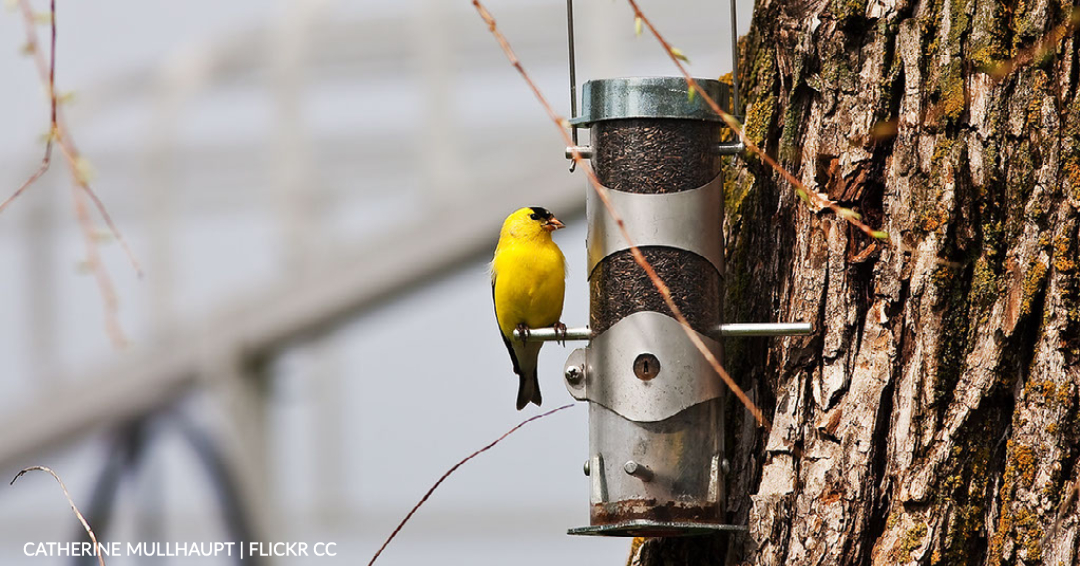
Credit: www.michiganaudubon.org
Why Clean Bird Feeders Matter
Keeping bird feeders clean is important for many reasons. Dirty feeders can harm birds and reduce their visits. Regular cleaning helps protect bird health and keeps feeders inviting.
Preventing Disease Spread
Bacteria and mold grow quickly on dirty feeders. Birds can catch diseases from shared feeding spots. Cleaning stops germs from spreading between birds. Healthy birds mean a lively, safe garden.
Attracting More Birds
Fresh feeders attract more birds. Birds avoid feeders with old food or droppings. Clean feeders look nice and smell fresh. This encourages birds to visit often and stay longer.
Extending Feeder Lifespan
Regular cleaning protects feeder materials. Dirt and mold cause damage over time. Clean feeders last longer and save money. Taking care of feeders means fewer replacements needed.

Credit: green-backyard.com
When To Sanitize Your Feeders
Knowing when to sanitize your bird feeders is just as important as the cleaning process itself. Timing your cleaning routine helps protect birds from harmful bacteria and ensures your feeders remain inviting spots for feathered visitors. Let’s dive into how often you should clean and what signs indicate your feeders need attention.
Regular Cleaning Schedule
Set a routine for cleaning your bird feeders to keep them safe. Aim to sanitize them at least once every two weeks during the feeding season. If you live in an area with heavy bird traffic, cleaning once a week is better to prevent disease buildup.
Remember, a quick rinse isn’t enough. Use a mild bleach solution or hot soapy water for thorough cleaning. Dry the feeders completely before refilling them to avoid mold growth.
Signs Feeders Need Cleaning
Don’t wait for your scheduled cleaning if you notice these warning signs. Visible mold, clumped seeds, or bird droppings around the feeding area call for immediate sanitation. Also, if you see sick or dead birds near your feeder, clean it right away to protect the flock.
Ask yourself: Does the feeder smell bad or look sticky? These are clear clues that harmful germs are present. Acting quickly keeps your birds safe and happy.
Seasonal Considerations
Adjust your cleaning habits based on the seasons. During wet or humid weather, bacteria and mold grow faster, so increase cleaning frequency. In colder months, when birds rely heavily on feeders, keeping them clean is critical to prevent outbreaks.
Spring and fall bring migration periods when many birds visit feeders. This higher traffic means more waste and seed debris. Step up your sanitation efforts during these times to support a healthy bird community.
Safe Cleaning Materials
Choosing the right materials to clean your bird feeders is essential for keeping the birds safe and healthy. Using safe cleaning products ensures you remove harmful bacteria and mold without leaving toxic residues. Let’s dive into what materials will protect both your feathered friends and your peace of mind.
Non-toxic Cleaners
Non-toxic cleaners are your best allies when sanitizing bird feeders. A simple solution of one part white vinegar to four parts water works wonders in killing germs while being safe for wildlife. Another option is a mild dish soap diluted in water, which effectively cleans dirt and residue without harsh chemicals.
Have you ever thought about how dangerous bleach can be if not rinsed properly? Avoid using strong chemicals that can linger and harm birds. Instead, stick to natural or gentle cleaning agents that break down grime but wash away completely.
Tools You’ll Need
Gathering the right tools makes cleaning easier and more thorough. You’ll want a soft brush or an old toothbrush to scrub hard-to-reach spots, and a sponge or cloth for wiping down surfaces. A spray bottle can help apply your cleaning solution evenly.
Don’t forget gloves to protect your hands, especially if you have sensitive skin. Drying your feeder well with a clean towel or letting it air dry in the sun helps prevent new mold growth. Have you checked your cleaning tools lately? Dirty brushes can reintroduce bacteria if not washed regularly.
Avoiding Harmful Chemicals
Many household cleaners contain ingredients toxic to birds, even in small amounts. Avoid ammonia, bleach, and any cleaner with fragrances or dyes. These substances can cause respiratory issues or poisoning if residue remains on the feeder.
Instead, focus on ingredients you can easily rinse off. Think about the last time you noticed a strong smell after cleaning—could that affect the birds? Keeping your cleaning routine simple and safe protects the wildlife you want to support.

Credit: valleyfarms.shop
Step-by-step Cleaning Process
Sanitizing bird feeders is essential for maintaining a healthy environment for birds. Proper cleaning prevents disease spread and keeps your feathered friends safe. Follow this step-by-step process to ensure your bird feeders are sanitized effectively.
Disassembling The Feeder
Take apart the feeder carefully. Remove all parts such as perches, lids, and trays. This allows for a thorough cleaning of each component. Check for any damages that might need repair.
Soaking And Scrubbing
Fill a basin with warm water. Add a mild dish soap to the water. Submerge the feeder parts completely. Let them soak for 15-20 minutes. Use a brush to scrub all surfaces. Pay attention to corners and crevices where dirt accumulates.
Rinsing Thoroughly
Rinse each piece under clean running water. Ensure all soap residues are removed. Leftover soap can harm birds, so rinse well. Repeat if necessary to ensure cleanliness.
Drying Properly
Place the feeder parts on a clean towel. Allow them to air dry completely. Ensure no moisture remains, as this can lead to mold growth. Once dry, reassemble the feeder carefully.
Extra Tips For Feeder Maintenance
Keeping your bird feeders clean goes beyond just regular sanitizing. There are smart habits you can adopt to make maintenance easier and protect the birds visiting your yard. These extra tips help prevent disease and save you time in the long run.
Choosing Easy-to-clean Feeders
Pick feeders made from materials like metal or heavy-duty plastic that don’t absorb moisture or dirt. Avoid intricate designs with lots of small parts where mold and bacteria can hide. I once switched to a simple tube feeder with removable parts, and cleaning became much quicker and more effective.
Clear feeders also let you spot dirt and mold faster. Think about feeders that open wide or come apart easily—this reduces frustration during cleaning sessions. How much time do you spend scrubbing your feeder? Choosing the right style can cut that down drastically.
Storing Feeders Between Uses
Store feeders in a dry, sheltered spot when you’re not using them, especially during off-seasons or bad weather. Moisture in storage spots can lead to mold growth, which harms birds once feeders go back outside.
Before putting feeders away, give them a quick rinse and dry completely to avoid any leftover grime. A sealed container or plastic bag can protect feeders from dust and pests while stored. Have you noticed a difference in bird activity after storing feeders properly?
Monitoring Bird Health
Pay attention to the birds that visit your feeders. If you notice unusual behavior, missing feathers, or signs of illness, it might indicate your feeder needs extra cleaning or a break. Sick birds can spread disease quickly, so acting early protects your feathered friends.
Keep a simple journal or take photos of the birds over time. This helps spot changes in health or population that may relate to feeder conditions. How often do you check your birds’ health alongside feeder maintenance?
Frequently Asked Questions
How Often Should I Sanitize Bird Feeders?
Sanitize bird feeders every two weeks to prevent disease spread. Clean more frequently during wet or cold seasons to protect birds.
What Is The Best Sanitizer For Bird Feeders?
Use a solution of one part bleach to nine parts water. This effectively kills germs and is safe after thorough rinsing.
Can I Use Vinegar To Clean Bird Feeders?
Yes, vinegar is a natural, safe alternative for cleaning feeders. Use a 50-50 vinegar and water mix for effective sanitization.
Why Is Sanitizing Bird Feeders Important?
Sanitizing prevents mold, bacteria, and disease that harm birds. Regular cleaning helps maintain a healthy feeding environment for wildlife.
Conclusion
Sanitizing bird feeders keeps birds healthy and safe. Clean feeders stop mold and bacteria from growing. Use simple cleaning tools like soap and water. Regular cleaning helps birds enjoy fresh food. A clean feeder attracts more birds to your yard.
Keep a schedule to clean feeders often. Safe feeding means happy birds and a lively garden. Take a few minutes to clean and protect your feathered friends. Small effort, big difference.




