
Are you tired of squirrels stealing all the birdseed from your feeder? It’s frustrating to watch those clever little creatures outsmart your efforts and leave your feathered friends hungry.
But what if you could stop squirrels in their tracks and enjoy watching birds without interruptions? Creating a squirrel-proof bird feeder pole is easier than you think, and it can save you time, money, and plenty of headaches. Keep reading, and you’ll discover simple, effective ways to protect your bird feeder so you can focus on the beauty of your backyard visitors.
Choosing The Right Materials
Choosing the right materials for your squirrel-proof bird feeder pole is key to keeping those clever critters at bay. The materials you pick affect not only the durability but also how effective the pole is at resisting squirrel antics. Let’s take a closer look at what works best and why.
Selecting Durable Poles
Durability matters because squirrels are persistent and strong. Metal poles, especially those made of aluminum or stainless steel, stand up well to chewing and scratching. Wood might look nice but often gets damaged quickly and can be a playground for squirrels.
Think about the environment too. If your pole will face harsh weather, rust-resistant metals keep your feeder looking good and functioning well. Some people have success with heavy-duty PVC pipes, which squirrels find hard to grip or damage. Have you tried using a pole that’s slippery or coated to discourage climbing?
Best Squirrel-proof Coatings
Adding the right coating can make a huge difference in keeping squirrels off your bird feeder pole. Smooth, slippery finishes like automotive wax or silicone spray create a surface squirrels can’t hold onto easily. These coatings need reapplication every few months but are simple and cost-effective.
Another option is powder coating, which provides a tough, weather-resistant layer. It’s more durable than paint and often comes in colors that blend well with your garden. Some bird lovers swear by applying a mix of hot pepper spray or non-toxic repellents on the pole—do you think squirrels would avoid a spicy challenge?
Credit: www.homesandgardens.com
Designing The Pole Structure
Designing the pole structure is a crucial step in making a squirrel-proof bird feeder. The right design keeps squirrels away while allowing birds easy access. The structure must be strong and stable to hold the feeder securely. Proper height and placement reduce squirrel visits. Adding baffles and guards creates physical barriers squirrels cannot cross. These elements work together to protect your bird feeder from unwanted visitors.
Height And Placement Tips
Set the pole at least 5 feet tall. This height makes it harder for squirrels to jump onto the feeder. Place the pole away from trees, fences, or other launch points. Squirrels can leap up to 10 feet, so keep the feeder at least 10 feet from nearby structures. Choose a clear, open spot for better bird visibility and easier squirrel control. Ensure the pole is firmly anchored in the ground to prevent tipping.
Adding Baffles And Guards
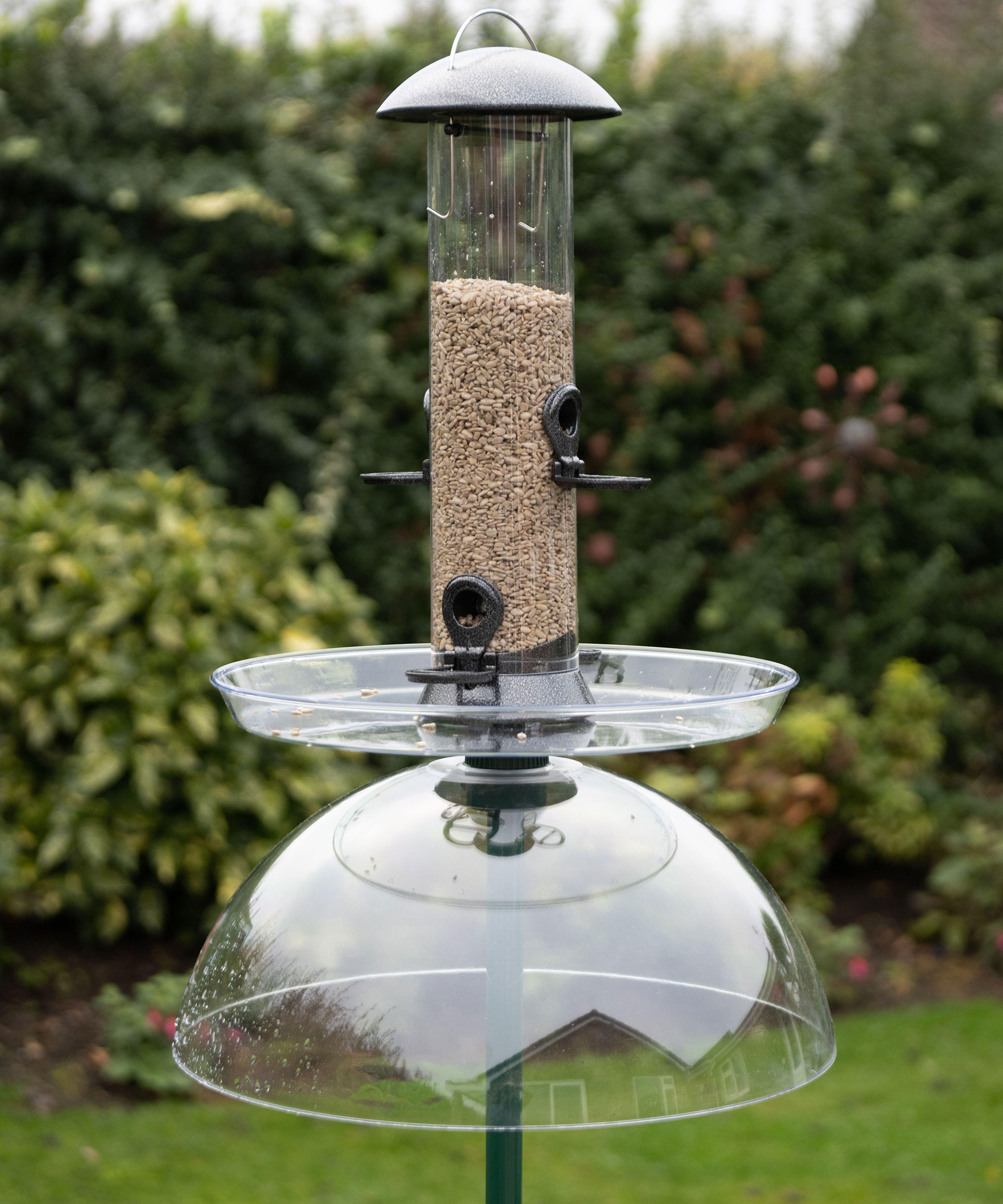
Install a metal or plastic baffle below the feeder. Baffles are round or cone-shaped barriers that block squirrels from climbing up the pole. Use smooth materials to prevent squirrels from gripping. Position the baffle 3 to 4 feet from the ground for best results. Add a squirrel guard collar around the pole for extra protection. These guards create slippery surfaces, making it tough for squirrels to climb. Regularly check and adjust baffles to maintain effectiveness.
Installing Squirrel Barriers
Installing squirrel barriers is key to keeping your bird feeder pole safe from those clever critters. These barriers stop squirrels from climbing up and reaching the bird food, saving you frustration and wasted seed. You’ll want to pick a method that fits your pole type and bird feeder setup, making sure it’s sturdy and squirrel-proof.
Using Metal Collars
Metal collars are simple yet effective barriers that wrap around the feeder pole. They create a smooth, slippery surface that squirrels can’t grip or climb over. You can find collars made of aluminum or stainless steel, which resist chewing and weather damage.
Installing one is straightforward. Slide the collar onto the pole a few feet below the feeder, then secure it tightly with screws or clamps. The collar should extend outward enough to block squirrels from reaching around it. Have you noticed how squirrels often fail to navigate smooth metal surfaces? That’s exactly the advantage metal collars give you.
Attaching Cone Baffles
Cone baffles are shaped like upside-down funnels and work by blocking squirrels physically. They’re usually made of metal or heavy-duty plastic and are mounted below the bird feeder. When squirrels try to climb up, they slide off the sloped cone, unable to get a good hold.
To install, slide the baffle onto the pole and position it 2 to 3 feet below the feeder. Secure it firmly so it doesn’t move when squirrels push against it. If your pole is thin or uneven, consider adding a mounting bracket to keep the baffle stable. Have you ever seen a squirrel give up after slipping off a baffle? It’s oddly satisfying and effective.

Credit: feedsnneeds.ca
Maintaining Your Bird Feeder Pole
Maintaining your squirrel proof bird feeder pole helps keep it effective and safe. Proper care extends the life of the pole and ensures birds visit often. A clean and sturdy feeder pole attracts more birds and discourages squirrels.
Regular Cleaning
Clean the bird feeder pole at least once a month. Use warm water and mild soap to remove dirt and bird droppings. Rinse well to avoid soap residue that may harm birds. Dry the pole completely to prevent rust or mold growth. Regular cleaning stops disease spread among birds and keeps the pole looking new.
Checking For Damage
Inspect the pole weekly for any signs of wear or damage. Look for rust, cracks, or loose parts that squirrels could exploit. Tighten bolts and screws to keep the pole stable. Replace damaged parts immediately to maintain squirrel proof features. A strong pole keeps birds safe and squirrels out.
Additional Diy Tips
Adding a squirrel-proof bird feeder pole is a great start, but there are a few extra tips that can make your setup even more effective and enjoyable. These additional DIY ideas help you keep pesky squirrels at bay while inviting more feathered friends to your garden. Let’s look at some practical ways you can boost your feeder’s defenses and experiment with feeder styles that squirrels find less appealing.
Repelling Squirrels Naturally
You don’t always need chemicals or expensive gadgets to keep squirrels away. Many natural repellents work well and are safe for birds and other wildlife. Try sprinkling cayenne pepper or chili powder on and around your feeder. Squirrels dislike the spicy taste, but birds don’t mind it at all.
Another approach is planting squirrel-deterring herbs like mint or lavender near your feeder. These plants emit scents squirrels tend to avoid. Have you noticed how squirrels quickly lose interest when strong smells surround their path? You can also hang small bags of dried peppermint leaves near the feeder pole for an added layer of defense.
Alternative Feeder Designs
If squirrels keep outsmarting your pole, consider changing the feeder design itself. Tube feeders with weight-activated perches close access when a heavy squirrel lands on them. These feeders are clever because they allow small birds to feed freely while blocking larger intruders.
Platform feeders with built-in baffles can also help. A baffle is a dome or cone that prevents squirrels from climbing up the pole. You can DIY one using a metal or plastic bowl turned upside down above the feeder. Have you tried feeders with cage designs? They let birds in but keep squirrels out by using narrow openings.
Mixing and matching these ideas can often yield the best results. What unique feeder design could you create to challenge even the craftiest squirrels?

Credit: happygardens.com
Frequently Asked Questions
How Can I Squirrel Proof A Bird Feeder Pole?
Use metal baffles or cones on the pole to block squirrels. Place them 3-4 feet above the ground. Also, keep feeders away from trees or structures squirrels can jump from.
What Materials Work Best For Squirrel Proof Poles?
Metal poles or PVC pipes are best. They are smooth and slippery, making it hard for squirrels to climb. Avoid wooden poles as squirrels can grip them easily.
How High Should A Squirrel Proof Feeder Pole Be?
Install the pole at least 5 feet high. This height reduces squirrel access and keeps birds safe. Ensure the area around the pole is clear for better protection.
Can Baffles Alone Stop Squirrels Effectively?
Yes, metal or plastic baffles work well if installed correctly. They prevent squirrels from climbing up. Combine baffles with proper pole placement for best results.
Conclusion
Creating a squirrel proof bird feeder pole helps protect your bird feed. It keeps squirrels away and lets birds enjoy their food. Using simple tools and materials makes the process easy. You save money by building your own feeder pole.
Enjoy watching birds without the mess and damage squirrels cause. Try different designs to find what works best. Your garden will become a peaceful spot for birds. Keep the pole clean and check it often for damage. Squirrels won’t stop your bird feeding fun anymore.




