
Have you ever wondered how your car seems to have eyes all around it when you park or reverse? That’s the magic of birds eye cameras.
These clever cameras give you a full view of your vehicle’s surroundings, helping you avoid obstacles and park with confidence. You’ll discover exactly how birds eye cameras work and why they’re becoming a must-have for safer driving. Keep reading, and you’ll soon see your car from a whole new perspective.
Credit: greensafaris.com
Basics Of Birds Eye Cameras
Birds eye cameras give drivers a clear view of their car’s surroundings. They help avoid accidents and make parking easier. Understanding the basics of these cameras reveals how they improve driving safety and convenience.
What Birds Eye Cameras Are
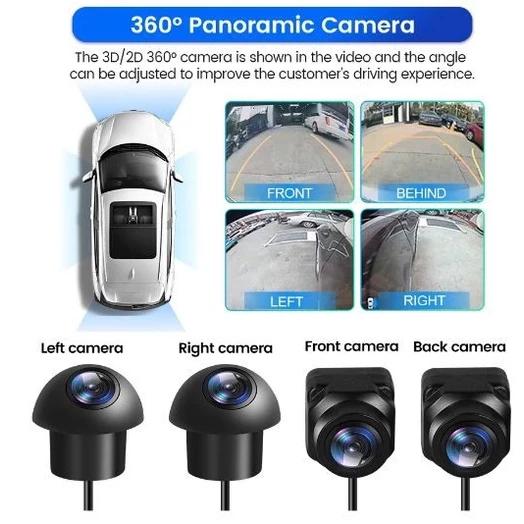
Birds eye cameras create a 360-degree view around a car. Multiple cameras are placed on the front, rear, and sides. These cameras capture images that a computer stitches together. The result is a single, top-down view on the car’s screen. This view helps drivers see obstacles and tight spaces clearly.
Key Components Involved
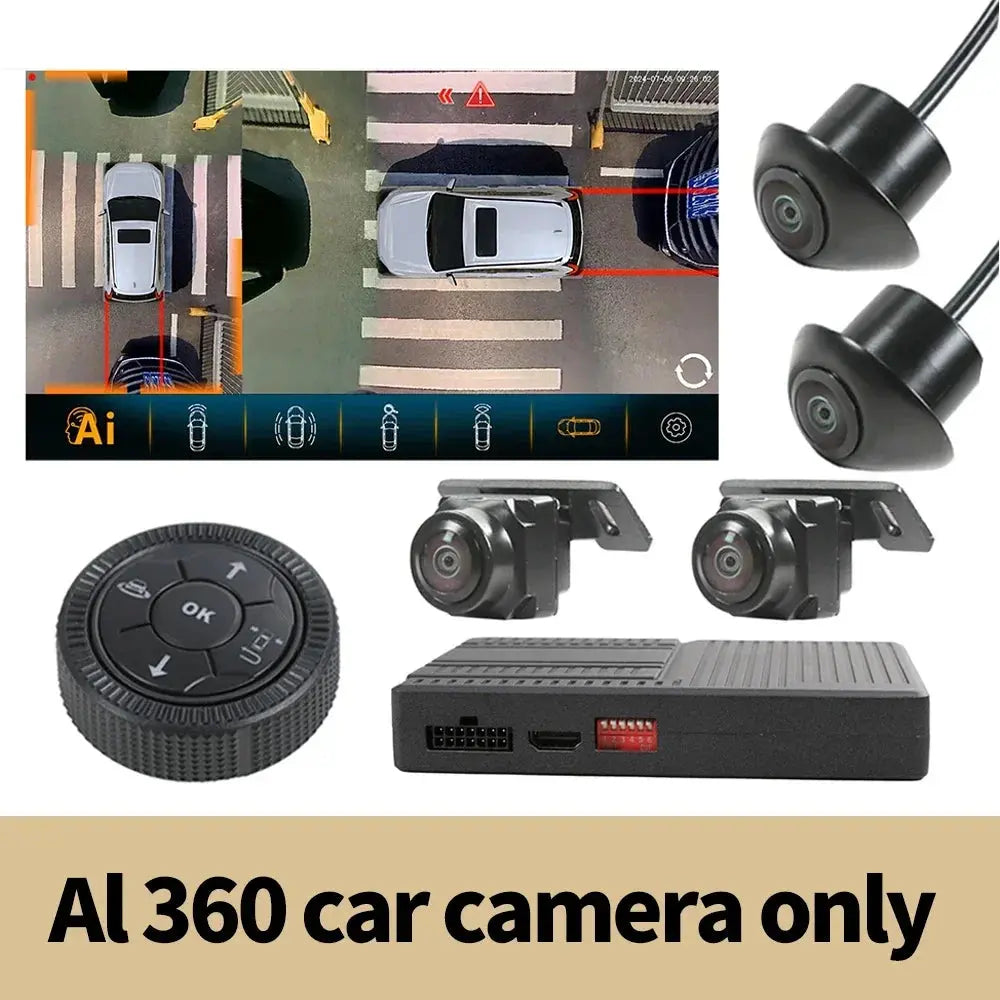
- Cameras:Usually four or more wide-angle cameras cover all sides.
- Image Processor:Combines camera feeds into one seamless picture.
- Display Screen:Shows the combined view to the driver inside the car.
- Sensors:Detect the car’s position and adjust the image accordingly.
Each part plays a vital role in giving an accurate and real-time view. The system updates as the car moves, helping drivers stay aware of their surroundings.

Credit: www.man.eu
Camera Placement On Vehicles
Camera placement on vehicles is crucial for creating a clear, complete view around the car. Each camera must capture specific angles to cover blind spots. Proper positioning ensures the bird’s eye view system works accurately. Cars use multiple cameras placed around the vehicle to stitch together a 360-degree image.
Front And Rear Cameras
Front cameras are usually mounted near the grille or under the front bumper. They capture the road ahead and obstacles close to the front of the car. Rear cameras sit above the license plate or in the rear bumper. These cameras help drivers see behind the vehicle while reversing or parking.
Both front and rear cameras offer wide-angle views. This helps cover a broad area in front and behind the car. Their placement avoids blind spots and improves safety during driving and parking.
Side Camera Positions
Side cameras are installed on the side mirrors or near the lower part of the doors. These cameras focus on the vehicle’s sides and help monitor adjacent lanes. They provide views of areas that side mirrors alone cannot cover.
These cameras reduce blind spots and assist during lane changes and tight parking spaces. The placement must protect the cameras from damage while keeping the view clear. Together, side cameras complete the surround view needed for the bird’s eye system.
Image Capture And Processing
Understanding how birds eye cameras capture and process images helps you appreciate the technology behind your car’s 360-degree view. The system relies on multiple cameras working together to give you a seamless, all-around perspective. Let’s look at how these cameras capture your surroundings and then combine their images to create a clear, unified view.
How Cameras Capture Surroundings
Each camera on your car is designed to capture a wide-angle view of its specific area, such as the front, rear, or sides. These cameras use fisheye lenses, which can cover up to 180 degrees, allowing them to see more than a regular camera.
Because the cameras capture different angles, they provide overlapping views around your vehicle. This overlap is crucial to avoid blind spots and ensure a continuous image.
Have you ever noticed how clear the image gets even in low light? That’s due to the advanced sensors these cameras use, which adjust to different lighting conditions automatically. This means your car can maintain visibility during dusk, dawn, or even in shadowy parking garages.
Stitching Images Together
The real magic happens when the car’s computer combines, or “stitches,” the images from each camera into one bird’s eye view. This process involves aligning the edges of each photo and blending them to remove any visible seams.
To do this, the system uses complex algorithms that account for the camera’s position, angle, and lens distortion. These algorithms correct the images so they fit perfectly together, creating a smooth, panoramic image around your vehicle.
Without this stitching, you’d see separate images from each camera, which would be confusing and less helpful. But with the stitched view, you get a complete picture that makes parking or maneuvering in tight spaces much easier.
Next time you use your car’s birds eye camera, think about how those individual images come together to give you a safer, smarter driving experience.
Software And Algorithms
The software and algorithms behind birds eye cameras on cars are the unseen heroes that transform raw camera feeds into a smooth, clear, and useful 360-degree view. These systems must correct image distortions, stitch multiple camera feeds seamlessly, and process data instantly to keep up with your driving. Understanding the technology that powers this can help you appreciate why your car’s birds eye view feels so reliable and accurate.
Image Correction Techniques
Birds eye cameras use wide-angle lenses that often cause distortion, making straight lines curve unnaturally. The software applies correction algorithms to fix this, so the road and objects appear as they should. These algorithms identify the edges and shapes in the images and adjust the pixels to straighten lines and normalize the perspective.
Another key step is color balancing. Different cameras might capture light differently, especially under varying weather or lighting conditions. The software aligns colors and brightness levels across all camera feeds so the stitched image looks uniform and natural.
- Lens distortion correction removes fisheye effects
- Perspective adjustment aligns images from multiple angles
- Color and brightness balancing create a consistent look
Real-time Processing Challenges
Processing multiple high-resolution video streams simultaneously is demanding. The software must stitch images from front, rear, and side cameras without lag, or your view will feel delayed and less useful. Achieving this requires highly optimized algorithms and powerful hardware inside your car’s system.
Another challenge is handling changing environments. Shadows, rain, or fast-moving objects can confuse the stitching process. The software uses advanced machine learning models to detect and adapt to these changes quickly, keeping your view clear and accurate.
Have you ever noticed a brief glitch or flicker in your birds eye view? That’s the system recalibrating in real-time to maintain accuracy. These moments highlight how complex and dynamic this technology really is.
User Interface And Display
The user interface and display of birds eye cameras play a crucial role in how effectively you can use this technology while driving. They transform multiple camera feeds into a single, easy-to-understand view. This helps you quickly grasp your surroundings without distraction.
How Images Are Shown To Drivers
The camera system stitches together images from several lenses placed around your car. This creates a seamless, 360-degree view on your dashboard screen. The display often shows a top-down perspective, making it feel like you’re hovering above your vehicle.
Some cars offer split-screen views, showing both the birds eye image and a rear or front camera feed simultaneously. The images are usually clear and sharp, even in low light, because the system adjusts brightness and contrast automatically. This visual clarity helps you park precisely and avoid obstacles.
Interactive Features And Controls
You can interact with the display through touchscreens or physical buttons, depending on your car model. Features often include zooming in on specific areas, changing camera angles, and activating guidelines to help with parking.
Many systems integrate sensors that highlight nearby objects with colors or warning sounds. You might notice a red zone appearing around your car if you get too close to an obstacle. These interactive controls make the camera system more than just a passive viewer—they actively assist you in navigating tight spaces.
Have you ever found yourself wondering if you missed something while parking? The ability to control and customize the camera views can give you that extra confidence and reduce stress behind the wheel.
Benefits For Drivers
Birds eye cameras help drivers see all around their car, reducing blind spots. This makes parking and turning safer and easier. Drivers can avoid accidents and protect pedestrians better.
Bird’s eye cameras on cars provide significant benefits for drivers. These advanced systems make driving easier and safer. They offer a comprehensive view of the car’s surroundings. This feature helps drivers in various situations, improving their experience on the road.Improved Parking Accuracy
Parking can be challenging for many drivers. Bird’s eye cameras enhance parking precision. They display a top-down view of the car. This view shows the position of the car in relation to nearby objects. Drivers can see the parking lines clearly. It reduces the risk of hitting obstacles. This technology makes parking in tight spaces easier. It boosts driver confidence and reduces stress.Enhanced Safety Measures
Safety is a top priority for all drivers. Bird’s eye cameras contribute to safer driving. They provide a clear view of blind spots. Drivers can detect pedestrians and cyclists more easily. This reduces the chance of accidents. The cameras also help in monitoring surrounding traffic. Drivers can make safer lane changes and turns. This technology is a valuable addition to any vehicle.Limitations And Challenges
Birds eye cameras on cars provide an impressive 360-degree view that greatly aids parking and maneuvering in tight spaces. However, these systems come with their own set of limitations and challenges that you should be aware of before relying on them completely. Understanding these factors can help you use the technology more effectively and avoid unexpected issues on the road.
Environmental Factors Affecting Performance
Weather conditions like rain, snow, and fog can blur the camera lenses, reducing the clarity of the images. Dirt, mud, or salt buildup on the lenses further obstructs the view, making the system less reliable.
Lighting also plays a crucial role. Bright sunlight can cause glare, while low light or nighttime conditions might not provide enough illumination for clear images. Have you ever noticed how your rearview camera gets almost useless during a heavy downpour? The birds eye system faces similar challenges.
Temperature extremes can affect the camera’s hardware too. Very cold weather might cause fogging inside the lens, while heat could potentially damage sensitive components over time.
Technical And Cost Constraints
Installing a birds eye camera system involves multiple cameras and a central processing unit to stitch images together seamlessly. This complexity can lead to higher costs compared to traditional backup cameras.
Not all vehicles are designed to easily accommodate these systems. Retrofitting an older car can be expensive and technically challenging, sometimes requiring professional installation and calibration.
Software glitches and calibration errors can also cause distorted or misaligned images, which may confuse rather than help. Are you willing to invest in regular maintenance to keep the system accurate?
Moreover, the processing power needed to provide real-time, high-definition 360-degree views demands robust hardware, which can impact your car’s electrical system and battery life.
Credit: greensafaris.com
Future Trends And Innovations
Birds eye cameras use multiple lenses to capture a full view around a car. The system stitches these images together to create a clear overhead picture. This helps drivers park and navigate tight spaces safely.
Future trends in bird’s eye cameras for cars are exciting. These innovations promise to change how we drive. As technology advances, these cameras are becoming smarter. They offer more features and better safety.Integration With Autonomous Systems
Bird’s eye cameras will integrate with autonomous systems. This integration will enhance vehicle safety. Cameras will help cars make decisions. They will provide a full view of surroundings. This helps in avoiding obstacles and ensuring safe navigation. It also supports precise parking and lane changes.Advances In Camera Technology
Camera technology is advancing rapidly. New sensors offer higher resolution images. This results in clearer views for drivers. Cameras now work better in low light. This allows for safer nighttime driving. Advanced processing reduces lag, giving real-time feedback. These improvements make driving smoother and safer.Frequently Asked Questions
How Do Birds Eye Cameras Improve Car Safety?
Birds eye cameras provide a 360-degree view around the car. This helps drivers detect obstacles and pedestrians. It reduces blind spots and prevents collisions. The system enhances parking accuracy and overall driving safety.
What Technology Powers Birds Eye Camera Systems?
These systems use multiple wide-angle cameras placed around the car. The cameras capture real-time images. Software stitches these images to create a seamless overhead view. Advanced sensors and image processing improve clarity and accuracy.
Are Birds Eye Cameras Useful For Parking?
Yes, birds eye cameras simplify parking by showing the car’s surroundings. Drivers can see curbs, other vehicles, and tight spaces. This reduces parking errors and vehicle damage. It’s especially helpful in crowded or narrow areas.
Can Birds Eye Cameras Work In Low Light?
Modern birds eye cameras feature night vision or infrared technology. This allows clear imaging in low light or darkness. The system enhances visibility during nighttime driving and parking. It boosts safety and confidence in all lighting conditions.
Conclusion
Birds eye cameras help drivers see all around their cars. They use several small cameras to create one big view. This view shows obstacles and helps with parking. These cameras make driving safer and easier. Many cars now include this useful tool.
Understanding how they work can help you use them better. Clear vision means fewer accidents and less stress. A simple system with big benefits. Stay aware and drive smart with birds eye cameras.




