
Have you ever wondered if birds still visit your feeder when it’s raining? You might think the rain keeps them away, but the truth is more surprising.
Understanding how rain affects bird behavior can help you create the perfect feeding spot, so your feathered friends stay happy and healthy no matter the weather. Keep reading to discover why birds come to feeders in the rain and how you can make your backyard their favorite rainy-day hangout.
Credit: medium.com
Bird Behavior In Rain
Birds react to rain in many interesting ways. Their behavior changes based on the rain’s intensity and duration. Watching how birds behave during wet weather helps us understand their needs better. It also explains why some birds visit feeders even when it rains.
How Rain Affects Bird Activity
Rain can slow down birds’ activities. Many birds fly less to save energy and stay dry. Heavy rain makes it hard to find food. In light rain, some birds keep feeding but stay close to shelter. Wet feathers add weight, making flight harder. Birds often fluff their feathers to trap warmth and stay comfortable.
Common Bird Responses To Wet Weather
- Seeking shelter under trees or bushes to stay dry.
- Bathing in rainwater to clean feathers and remove parasites.
- Visiting feeders more often if natural food is hard to find.
- Reducing movement to conserve energy during storms.
- Shaking off water and preening feathers to maintain flight ability.
Feeding Patterns During Rain
Rain can change the way birds behave, especially when it comes to feeding. You might think that wet weather keeps birds away from your feeder, but their habits are more interesting than that. Understanding how birds feed during rain can help you provide better support for them when they need it most.
Do Birds Visit Feeders When It Rains?
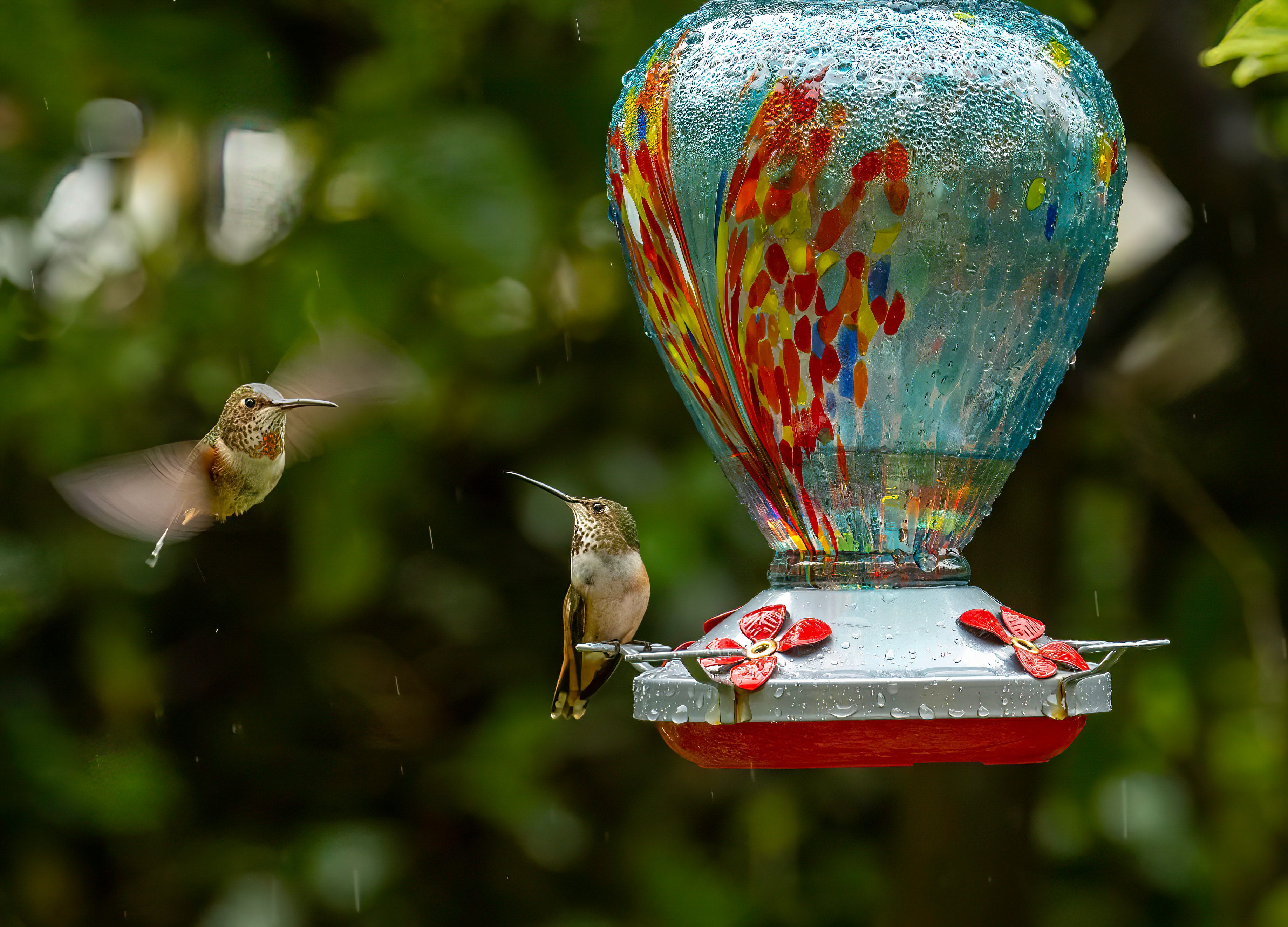
Yes, many birds do visit feeders even when it’s raining. However, their visits might be shorter and less frequent. Rain makes natural food sources harder to find, so feeders become an important backup.
Some birds wait for lighter rain or breaks to visit, while others don’t mind the wet conditions. You might notice fewer birds at your feeder during heavy rain, but that doesn’t mean they’ve stopped feeding altogether. Providing shelter around your feeder can encourage more visits during rainy days.
Types Of Birds More Likely To Feed In Rain
Certain bird species are more comfortable feeding in the rain. These include:
- Chickadees– They are tough and often feed actively during light rain.
- Nuthatches– Known for their boldness, they don’t shy away from wet weather.
- Woodpeckers– Their diet includes insects that become easier to find during rain.
- Jays– They are opportunistic feeders and will visit feeders regardless of weather.
Smaller birds like finches may avoid heavy rain because wet feathers make flying harder. Think about the birds you usually see and observe how they behave when it rains. This can help you choose the best feeders and seed types for your local bird visitors.
Benefits Of Feeding Birds In Rain
Feeding birds in the rain offers unique benefits that go beyond just satisfying your love for wildlife. Rainy days can be tough for birds as natural food sources become scarce or harder to find. Your feeder becomes a vital resource that supports their survival and well-being during these challenging weather conditions.
Why Feeders Matter On Rainy Days
Birds rely on feeders more when rain reduces their access to insects, seeds, and berries. Wet weather can make natural food soggy or washed away, forcing birds to spend extra energy searching for something to eat.
Your feeder provides a dry, reliable source of nourishment. It acts as a safe haven where birds can rest and refuel without struggling against the elements.
Have you noticed birds gathering around your feeder more often when it’s raining? This behavior shows how crucial your support becomes during wet weather.
Nutritional Needs And Energy Conservation
Rainy weather increases birds’ energy demands because staying warm and dry requires extra effort. Feeding them helps meet these higher nutritional needs by offering easy access to high-energy foods.
Providing foods rich in fats and proteins, like sunflower seeds or suet, helps birds conserve energy. They won’t have to waste precious calories hunting for food that’s hidden or damp.
Think about how much energy you save by grabbing a quick snack instead of cooking in bad weather. Birds benefit similarly from your feeder’s convenience during rain.
Tips For Rain-friendly Feeders
Birds often visit feeders even during rain, but they prefer sheltered spots. Placing feeders under cover helps keep food dry and birds comfortable. Choose rain-friendly designs that protect seeds and offer safe perches for wet weather.
When rain falls, bird enthusiasts might wonder about feeder activity. Birds still seek food in wet weather. But rain can spoil seeds and deter visits. Creating rain-friendly feeders can help maintain steady bird traffic.Choosing Weather-resistant Feeders
Opt for feeders made of durable materials. Metal and plastic withstand rain better than wood. Select designs with roofs or covers. They shield seeds from rain. Tube feeders with small openings work well. They keep seeds dry and accessible. Ensure drainage holes are present. Water can escape, keeping food fresh.Placement Strategies To Keep Food Dry
Place feeders in sheltered areas. Under eaves or tree branches work best. Avoid open spaces where rain can reach easily. Consider using baffles. They act as umbrellas over feeders. Adjust feeder height for wind protection. High winds can blow rain sideways. Position feeders away from puddles and mud. This prevents soggy ground from splashing onto food.Common Misconceptions About Birds And Rain
Many people think birds avoid feeders during rain. This is not always true. Birds have different behaviors in wet weather. Understanding these helps clear up common myths. Rain does affect birds but not as much as some believe.
Do Birds Avoid Feeders Because Of Wetness?
Some believe birds stay away because water makes food wet. Wet seeds can be harder to eat. But many birds visit feeders even in light rain. They find ways to keep food dry or eat quickly. Birds often prefer feeders with covers or roofs. They do not avoid feeders just because of wetness.
Rain As A Deterrent Vs. Attraction
Rain can both stop and attract birds to feeders. Heavy rain may make birds hide under leaves or branches. They wait for breaks in the weather. Light rain, on the other hand, can bring more birds. Rain causes insects and worms to come out. Birds come to feeders to save energy when insects are harder to find. Rain also helps clean their feathers. Birds use feeders for easy meals during wet times.

Credit: www.arkwildlife.co.uk
Credit: duncraft.com
Frequently Asked Questions
Do Birds Visit Feeders During Rain?
Yes, many birds still visit feeders in rain to find easy food sources. Rain makes natural food scarce, increasing feeder visits.
Why Do Birds Prefer Feeders In Rainy Weather?
Feeders provide reliable food when rain limits natural insects and seeds. Birds conserve energy by eating at feeders during wet conditions.
How Does Rain Affect Bird Feeding Habits?
Rain can reduce bird activity but they often seek feeders for quick nourishment. Wet weather drives birds to feeders for safe, accessible food.
Should I Keep Bird Feeders Stocked In The Rain?
Yes, keeping feeders full during rain supports birds when natural food is less available. Consistent feeding helps birds survive harsh weather.
Conclusion
Birds do visit feeders even when it rains. They need food just like any other day. Rain can make natural food harder to find. Feeders offer a safe, easy meal during wet weather. Keep your feeder clean and full to help birds.
Watching birds brave the rain can be a joy. Small acts like filling feeders support local wildlife. Rain or shine, birds rely on feeders for survival.




