
Have you ever wondered if birds truly care for their babies the way we do? When you see a mother bird feeding her chicks or protecting her nest, it sparks a natural question: is this just instinct, or is there something deeper?
Understanding how birds nurture their young can change the way you see these feathered creatures around you. Keep reading, and you’ll discover surprising facts about bird parenting that might just warm your heart and change your perspective forever.

Credit: www.youtube.com
Parental Roles In Bird Species
Birds show many ways to care for their young. The roles parents play differ widely across species. Some mothers take most of the work. Others share duties with fathers or even other group members. These roles help chicks survive and grow strong.
Mothers’ Nurturing Behaviors
Mothers often build nests to keep eggs safe. They keep eggs warm by sitting on them. This is called incubation. After hatching, mothers feed the chicks with soft food. They also protect the young from danger. Some species’ mothers teach chicks to fly and find food.
Fathers’ Contributions
Fathers in many bird species help feed the chicks. They bring insects, worms, or seeds to the nest. Some fathers guard the nest against predators. In species like penguins, fathers keep eggs warm while mothers hunt. Fathers’ care is vital for the chicks’ survival.
Shared Duties
In many species, parents share tasks equally. Both parents build the nest together. They take turns sitting on the eggs to keep them warm. After hatching, they both feed and protect the chicks. Sharing duties allows parents to rest and keep up their strength.

Credit: pacificwildlifecare.org
Feeding And Protection Methods
Birds show strong care for their young through feeding and protection. These actions help chicks survive and grow. Parents work hard to keep food coming and to shield their nests from threats. Each species uses unique ways to feed and protect their babies.
Feeding Strategies
Parents feed their chicks depending on the species and food type. Some birds bring insects, worms, or seeds directly to the nest. Others feed by regurgitating partially digested food. Feeding happens many times a day to ensure chicks get enough energy.
Feeding is a careful process. Parents watch the chicks’ hunger signals. They adjust the food amount and type as chicks grow. This helps young birds develop strong bodies and feathers.
Nest Defense Techniques
Birds protect their nests with various defense tactics. Some use loud calls to scare off predators. Others dive bomb or chase enemies away. Many build nests in hidden or hard-to-reach places to avoid danger.
Parents stay close to guard their young. They may freeze to blend with surroundings or act boldly to defend the nest. These actions increase chick survival chances.
Warning Calls And Alerts
Birds use special sounds to warn their young about danger. These warning calls alert chicks to stay quiet or hide. Parents also use different calls to communicate specific threats.
Warning calls help families stay safe by preparing chicks for quick action. This communication is vital for avoiding predators and other risks near the nest.
Learning And Teaching In Birds
Birds show remarkable abilities to learn and teach, shaping their young’s survival and social skills. These behaviors go beyond instinct, involving active engagement between parents and chicks. Watching a mother bird patiently guide her fledglings reveals a subtle but powerful form of education.
Imparting Survival Skills
Parent birds don’t just feed their young; they teach them how to find food. Some species demonstrate hunting techniques, like how hawks swoop or herons catch fish. These lessons can take weeks, with parents adjusting their methods based on each chick’s progress.
Think about how crows drop nuts on roads to crack them open. Young crows watch carefully and learn this clever trick by trial and error, guided by their parents’ example. You might notice your own pets learn best through watching and mimicking you—birds are no different.
Vocal Communication Training
Birdsong is not only beautiful but also essential for survival and social bonding. Parents teach their offspring specific calls that signal danger, food, or territory. Young birds practice these sounds repeatedly, often receiving gentle corrections from adults.
Parrots, for example, are famous for picking up complex vocal patterns. Their parents encourage this by responding to their attempts, creating a feedback loop that sharpens communication skills. Have you ever noticed how a baby’s babble turns into words? Bird vocal training works similarly.
Play And Social Interaction
Play isn’t just fun for birds—it’s a critical part of learning social rules. Young birds engage in games that teach them about hierarchy, cooperation, and conflict resolution. These interactions prepare them for life outside the nest.
Watching a group of young sparrows tussle or chase each other, you see how they test limits and build friendships. Play also helps develop physical skills like agility and coordination. How often do you think about play as a teaching tool in your own life?
Variations Among Bird Species
Bird species show a wide range of care for their young. These differences depend on the species’ biology and environment. Some birds invest heavily in raising their chicks. Others leave their young more independent from the start.
Understanding these variations helps us see how birds adapt to survive. It also reveals their unique parenting styles across the animal kingdom.
Altricial Vs. Precocial Young
Birds hatch with two main types of young: altricial and precocial. Altricial chicks are born helpless. They need warmth, food, and protection from parents. Their eyes are closed, and they cannot move well.
Precocial chicks, on the other hand, are more developed. They hatch with open eyes and down feathers. They can walk and feed themselves shortly after birth. Parents still watch over them but with less constant care.
Species With Minimal Care
Some bird species provide very little care after hatching. For example, many ground-nesting birds lay eggs and leave. Their young survive by hiding and moving quickly.
These birds rely on natural instincts and camouflage. Parents may only return briefly to feed or check on the chicks.
Exceptional Cases Of Care
Certain bird species show remarkable care for their young. Birds like eagles and owls feed their chicks for weeks. They protect nests fiercely from threats.
Some species even teach their young how to hunt and fly. This extended care ensures higher survival rates for their offspring.
Impact Of Environment On Care
The environment plays a crucial role in how birds care for their young. Different surroundings create unique challenges and opportunities for parent birds. Understanding these effects can help you appreciate the delicate balance birds maintain to protect and nurture their offspring.
Urban Vs. Wild Settings
Birds raising chicks in cities face constant noise, pollution, and human activity. These factors can stress parent birds, making it harder for them to focus on feeding and protecting their young. Yet, some species adapt by nesting in unusual places like building ledges or streetlights.
In contrast, wild settings offer more natural resources but come with their own risks, such as predators and harsh weather. Here, birds rely heavily on camouflage and vigilance. Have you noticed how a bird’s behavior changes depending on where it nests? This difference highlights how environment shapes their care strategies.
Seasonal Influences
The time of year drastically affects how birds care for their young. In spring and early summer, abundant food and milder weather allow parents to feed their chicks frequently. But in colder months, parents must work harder to keep their young warm and find scarce food.
Seasonal shifts also affect how long parents stay with their chicks. Some species may leave earlier if conditions worsen, while others double down on protection. What might this teach you about the importance of timing and resources in raising young?
Human Interference Effects
Human activities can disrupt bird parenting in surprising ways. Construction, deforestation, and even casual disturbances near nests can cause parents to abandon their young. Noise pollution confuses communication between parents and chicks, reducing feeding efficiency.
On the flip side, some human actions help birds, like providing birdhouses or protected reserves. These safe spaces can increase survival rates for young birds. Have you ever thought about how your actions might directly affect local bird families?
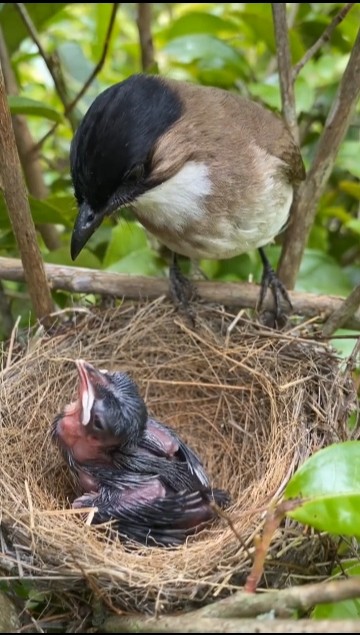
Credit: www.youtube.com
Frequently Asked Questions
Do Birds Nurture Their Chicks After Hatching?
Yes, most birds actively nurture their chicks after hatching. They provide warmth, food, and protection until the young can survive independently.
How Long Do Birds Care For Their Young?
Birds typically care for their young from hatching until fledging. This period ranges from a few weeks to several months depending on species.
Why Do Some Birds Abandon Their Young?
Birds may abandon young due to stress, lack of resources, or threats. This behavior helps parents conserve energy for future breeding.
Do Both Parent Birds Care For Their Offspring?
In many species, both parents share care duties. They feed, protect, and teach survival skills to their young together.
Conclusion
Birds show strong care for their young in many ways. They feed, protect, and teach their chicks daily. This care helps the babies grow and survive. Nature designed these behaviors to keep bird families safe. Watching birds care for their young teaches us about love and effort.
Their care is simple but very important. It shows how life depends on care and attention. Birds remind us that caring is a natural part of life.




