
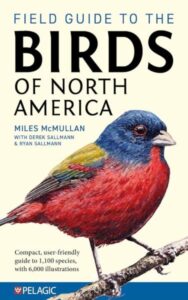
Are you ready to discover the incredible world of birds right in your own backyard? Whether you’re a beginner or have some experience, “A Field Guide to Birds of North America” is your perfect companion.
Imagine being able to spot a colorful songbird or a majestic hawk and instantly knowing what it is. This guide will help you do just that. You’ll learn how to identify birds by their shape, color, sound, and behavior. By the time you finish reading, you’ll feel confident and excited to explore the skies and forests around you.
Let’s dive in and unlock the secrets of North America’s feathered friends together!
Credit: www.wellreadnaturalist.com
Bird Families Of North America
Understanding the bird families of North America can transform your birdwatching experience. Each family groups species that share similar features, behaviors, and habitats. Recognizing these families helps you identify birds faster and appreciate their unique roles in nature.
Common Bird Groups
North America hosts a variety of bird families, each with distinct traits. Some of the most common groups you’ll encounter include:
- Warblers– Small, colorful, and often found flitting through trees.
- Hawks and Eagles– Powerful raptors soaring high, with keen eyesight.
- Woodpeckers– Known for their drumming on trees and strong beaks.
- Owls– Nocturnal hunters with silent flight and piercing eyes.
- Finches– Seed-eaters with stout beaks and cheerful songs.
Have you ever paused to notice how a woodpecker’s behavior differs from a warbler’s quick movements? Spotting these differences makes each outing more rewarding.
Key Characteristics To Note
To identify bird families, focus on these key features:
- Beak Shape– Is it sharp, curved, or stout? Beak shape often reveals the bird’s diet.
- Size and Shape– Notice body proportions and wing shape, which hint at flight style.
- Plumage Patterns– Colors and markings can be unique to families, especially during breeding seasons.
- Behavior– Observe feeding habits, flight patterns, and vocalizations.
When you watch a bird, ask yourself: what stands out most? The more you focus on these traits, the quicker you’ll learn to place birds into their families.
Essential Identification Tools
Identifying birds in North America can be thrilling but challenging. Having the right tools makes all the difference between guessing and knowing. Your birdwatching experience improves significantly when you equip yourself with essential identification tools that fit your style and environment.
Field Guides And Apps
Traditional field guides remain a reliable companion for bird enthusiasts. They offer detailed illustrations and descriptions that you can study at your own pace. Some guides, like the “Sibley Guide to Birds,” provide clear images and range maps that help narrow down species quickly.
On the other hand, bird identification apps bring convenience to your fingertips. Apps like Merlin Bird ID use your location and even your description of the bird to suggest matches. Have you tried using an app while in the field? The instant feedback can boost your confidence and deepen your learning.
Balancing both methods can be powerful. Use a field guide for deep dives into bird features and an app for fast, on-the-go identification. This combination helps you learn more effectively and enjoy your birdwatching trips thoroughly.
Binoculars And Cameras
Good binoculars are non-negotiable for serious birdwatchers. They allow you to see fine details such as feather patterns and colors that are crucial for accurate ID. Look for binoculars with a magnification of 8x to 10x and a wide field of view to track moving birds easily.
Pairing binoculars with a camera can capture moments that you can analyze later. Even a smartphone with a zoom lens can be surprisingly effective in photographing birds. Have you noticed how reviewing photos helps spot subtle differences you might miss in the moment?
Investing in these tools enhances your ability to identify birds confidently and creates lasting memories. Don’t underestimate the joy of revisiting your photos to confirm species or share your finds with fellow bird lovers.
Spotting Birds By Shape And Size
Spotting birds by their shape and size is a powerful way to identify them quickly, especially when colors and markings are hard to see. Your eyes will naturally pick up on outlines and proportions, which can narrow down possibilities fast. Learning to notice subtle differences in silhouette and size helps you connect with birds even from a distance or in low light.
Silhouette Recognition
Look at the overall outline of the bird against the sky or background. Is the head large or small compared to the body? Are the wings long and pointed or short and rounded?
Pay attention to the bird’s tail shape—does it fan out, taper to a point, or appear squared off? The neck can also be a clue: some birds like herons have long, slender necks, while robins have short, thick ones.
Try this next time you spot a bird far away: focus on the silhouette first before any color details. You might surprise yourself by recognizing a hawk just by its broad wings and soaring posture.
Size Comparisons
Size matters, but only if you have something to compare it to. Use familiar objects or nearby birds to gauge size—compare a bird’s body length to a common sparrow or a nearby tree branch.
Remember, a crow is about the size of a pigeon, but a red-tailed hawk is much bigger and bulkier. By mentally placing birds side-by-side in size, you sharpen your identification skills.
- Carry a small reference chart with common bird sizes for quick comparison.
- Note the bird’s posture—sometimes a bird looks larger when puffed up or smaller when sleek.
- Practice estimating wingspan and body length to improve your visual judgment.
What size differences have you noticed that helped you identify a tricky bird? Reflect on your last birdwatching trip and see if focusing on shape and size changed what you spotted.
Color Patterns And Markings
Understanding the color patterns and markings of birds is key to identifying them in the wild. These visual cues tell you a lot about the species, their age, and even their behavior. Paying close attention to these details can transform your birdwatching experience and sharpen your identification skills.
Plumage Basics
Bird plumage varies widely, from bright and bold to subtle and camouflaged. Colors often serve specific purposes like attracting mates or hiding from predators. For example, the vibrant red of a Northern Cardinal catches your eye immediately, while the mottled browns of a Song Sparrow help it blend into bushes.
Look closely at these features:
- Head markings:Stripes, spots, or patches around the eyes and crown can be distinctive.
- Wing bars:Bands of color on the wings can help differentiate similar species.
- Tail patterns:Shapes and colors on the tail feathers often reveal identity.
Next time you spot a bird, challenge yourself to note these details before checking your guide. You’ll find it makes identification more rewarding and accurate.
Seasonal Changes
Birds don’t keep the same look year-round. Many species change their plumage with the seasons, especially during breeding times. This can make a familiar bird look completely different depending on when you see it.
Take the American Goldfinch, for example. During summer, males are bright yellow with black wings, but in winter, their feathers turn duller olive-brown. Knowing these seasonal shifts helps you avoid confusion and deepens your understanding of bird life cycles.
Have you noticed a bird that seemed unfamiliar until you learned about its seasonal colors? Observing these changes can also hint at the bird’s current behavior, like mating or migration, giving you richer stories to share on your birdwatching adventures.
Listening To Bird Calls
Listening to bird calls is an essential skill for anyone using A Field Guide to Birds of North America. It brings your birdwatching experience to life and helps you identify species that are often hidden from sight. Paying close attention to sounds sharpens your awareness and deepens your connection with nature.
Common Songs And Calls
Each bird species has unique sounds that serve different purposes. Some songs attract mates, while others warn of danger or mark territory.
For example, the Northern Cardinal’s clear, whistled phrases are easy to recognize. Meanwhile, the American Robin uses a series of melodious, repeating phrases that many people find familiar.
Try to focus on the rhythm, pitch, and repetition of calls. Can you tell the difference between a song that sounds like a melody and a sharp alarm call? Practicing this can improve your identification skills dramatically.
Using Audio Resources
Audio recordings are invaluable tools for learning bird calls. Apps and websites offer extensive libraries of bird sounds you can listen to anytime.
- Download recordings of birds you want to identify before heading outdoors.
- Play calls quietly and see if nearby birds respond.
- Compare similar species to learn subtle differences in their songs.
I once spent an entire morning playing different warbler calls from my phone. The birds seemed curious and called back, turning a quiet walk into an interactive experience. Could you try this on your next birding trip?
Habitat Clues For Identification
Understanding where birds live is a key to identifying them. Birds have specific habitats they prefer, and these can give you valuable clues. Let’s dive into some common habitats and the birds you might find there.
Wetlands And Water Birds
Wetlands are bustling with life and are home to a variety of water birds. Think of herons, ducks, and geese. These birds often have long legs, webbed feet, or specialized bills for their watery environments.
Next time you visit a marsh or lake, notice the birds that wade in the shallows or dive for fish. Their behaviors and physical adaptations make it easier to identify them. Do you recognize the graceful flight of a heron or the quack of a mallard?
Forests And Woodland Birds
Forests are rich habitats with diverse bird species. Here, you might encounter woodpeckers, warblers, or owls. These birds often have adaptations like strong beaks for pecking or camouflaged plumage.
Take a walk through a wooded area and listen for the distinct drumming of a woodpecker or the melodic song of a warbler. Pay attention to the trees and the canopy level they prefer. Observing these details can help you pinpoint the species.
Urban And Suburban Birds
Cities and suburbs might seem unlikely places for birdwatching, but they’re full of surprises. Pigeons, sparrows, and even hawks have adapted to urban life. These birds often utilize man-made structures for nesting and feeding.
Watch how pigeons navigate busy streets or how sparrows find crumbs on sidewalks. Have you ever noticed a hawk perched on a city building? Urban birds are resourceful, and their adaptability is fascinating to observe.
By paying attention to the habitat, you can become a more skilled birdwatcher. What will you discover on your next birding adventure?
Behavioral Traits
Understanding the behavioral traits of birds can transform your birdwatching experience, offering insights into the fascinating world of North America’s avian inhabitants. Each species exhibits unique habits and tendencies, shaped by evolution and environment. Let’s dive into some key behavioral aspects that make these birds so intriguing.
Feeding Habits
Birds of North America display an incredible range of feeding habits. From the majestic bald eagle, which swoops down to catch fish, to the hummingbird delicately sipping nectar, each species has adapted to exploit specific food sources. Have you ever observed a woodpecker tirelessly drilling into a tree? It’s not just looking for insects; it’s also communicating with its peers. The next time you spot a bird feeding, think about the complex behaviors behind that simple act.
Flight Patterns
Bird flight patterns are a marvel to behold. Whether it’s the synchronized movement of a flock of starlings or the solitary glide of a hawk, each pattern serves a purpose. Have you noticed how some birds seem to hover in place? That’s a skill perfected by species like the kestrel to hunt efficiently. Observing these patterns can enhance your appreciation and understanding of bird behavior.
Nesting Behavior
Nesting behavior offers a glimpse into the domestic lives of birds. From the intricate woven nests of the oriole to the simple scrape of a killdeer, these structures reflect their creators’ needs and environments. Imagine the dedication of a peregrine falcon, nesting high on a cliff ledge to protect its young. How do these nesting choices impact survival? Next time you spot a nest, consider the strategic decisions behind its location and construction.

Credit: www.amazon.com
Seasonal Birdwatching Tips
Birdwatching changes with the seasons. Each season offers unique chances to see different birds. Knowing when and where to watch helps you enjoy more sightings. This guide shares tips for birdwatching throughout the year.
Migration Timelines
Bird migration happens twice a year. In spring, birds fly north to breed. In fall, they travel south to find warmer places. Each species has a set schedule. Some start moving in March, others wait until May.
Peak migration times vary by region. Coastal areas often see early arrivals. Inland spots may have later waves. Watch early mornings for the best activity.
Winter Birds
Winter brings different birds to many areas. Some species leave, but others arrive from colder zones. Look for birds like chickadees, cardinals, and woodpeckers. They stay active even in cold weather.
Feeders attract winter birds. Use seeds like sunflower or suet. Keep water unfrozen for drinking and bathing. Quiet spots near trees improve your chances of seeing birds.
Breeding Season Highlights
Breeding season is a busy time for birds. Many sing loudly to mark their territory. Nest building and feeding young happen now. Watch for bright colors and special displays.
Early morning is the best time to observe. Stay still and listen carefully. Use binoculars to see nests without disturbing birds. Respect their space to keep them safe.
Recording And Sharing Observations
Recording and sharing your bird observations can transform your birdwatching experience. It helps you track your sightings, notice patterns, and connect with others who share your passion. Whether you jot down notes or post online, your observations become part of a larger story about North America’s bird life.
Journaling And Notes
Keeping a bird journal sharpens your attention to detail. Write down the date, location, weather, and bird behavior. These notes make your memories vivid and help you spot changes over time.
Try adding sketches or photos to your journal. Visual records capture colors and shapes better than words alone. I once spotted a rare warbler and my quick sketch helped confirm its identity later.
Ask yourself: what makes this bird stand out? Write about sounds, flight patterns, and surroundings. This practice deepens your understanding and makes each outing more meaningful.
Online Birdwatching Communities
Sharing your sightings online connects you with a global network. Websites like eBird or forums allow you to upload observations, compare notes, and learn from experts.
These communities often provide tools to map your sightings and track migration trends. You might find new hotspots or rare species near your area by exploring others’ reports.
Consider joining challenges or bird counts posted online. They add fun and purpose to your birdwatching. How could your next observation contribute to science?

Credit: www.amazon.com
Frequently Asked Questions
What Are The Most Common Birds In North America?
The most common birds include the American Robin, Northern Cardinal, and Blue Jay. These species are widely found across various habitats. They are easily recognizable by their distinct colors and songs, making them favorites among birdwatchers.
How Can Beginners Identify North American Birds?
Beginners should focus on size, color, and behavior. Using a field guide with pictures helps. Listening to bird calls can also aid identification. Start with common species and practice regularly for better skills.
When Is The Best Time To Birdwatch In North America?
Early morning during spring and fall migrations is ideal. Birds are more active and visible then. Weather is usually mild, enhancing the experience. Different seasons bring unique species, offering diverse birdwatching opportunities.
What Equipment Is Essential For Birdwatching?
A good pair of binoculars and a field guide are essential. Wearing comfortable clothing and carrying a notebook helps. A camera is optional but useful for documenting sightings. Patience and quiet observation improve success.
Conclusion
Birdwatching in North America offers endless joy and discovery. Each bird tells a story with unique colors and sounds. This guide helps you spot and learn about many species. Enjoy nature’s beauty close to home or on travels. Keep your eyes open and your ears sharp.
Every sighting brings a new moment to cherish. Happy birding!




