
Have you ever wondered what songbirds eat? If you enjoy watching these lively birds flutter around your garden, knowing their favorite foods can help you attract even more of them.
Understanding what songbirds eat is key to creating a bird-friendly space that keeps them healthy and happy. You’ll discover the types of food songbirds love and how you can provide the best meals to invite their cheerful songs right to your backyard.
Keep reading, and you’ll soon become a pro at feeding songbirds the right way!
Songbird Diet Basics
Songbirds have diverse diets that keep them healthy and energetic. Their eating habits depend on the species and environment. Understanding what songbirds eat helps in attracting and caring for them. Their diet includes a mix of natural foods that provide necessary nutrients.
Common Foods In Songbird Diets
Most songbirds eat a variety of foods. Seeds are a staple for many species. They enjoy sunflower seeds, millet, and safflower seeds. Insects also form a big part of their diet. Caterpillars, beetles, and spiders are common choices. Fruits and berries add sweetness and vitamins. Examples include berries, cherries, and small apples. Some songbirds also eat nectar from flowers. This variety helps them get energy and nutrients.
Seasonal Changes In Eating Habits
Songbird diets change with the seasons. In spring and summer, insects are plentiful and important. Birds eat many bugs to feed their young. During fall, fruits and seeds become more common. Birds prepare for colder months by eating energy-rich foods. In winter, seeds and nuts are crucial. Food scarcity makes these items vital for survival. Seasonal changes ensure songbirds adapt and thrive year-round.
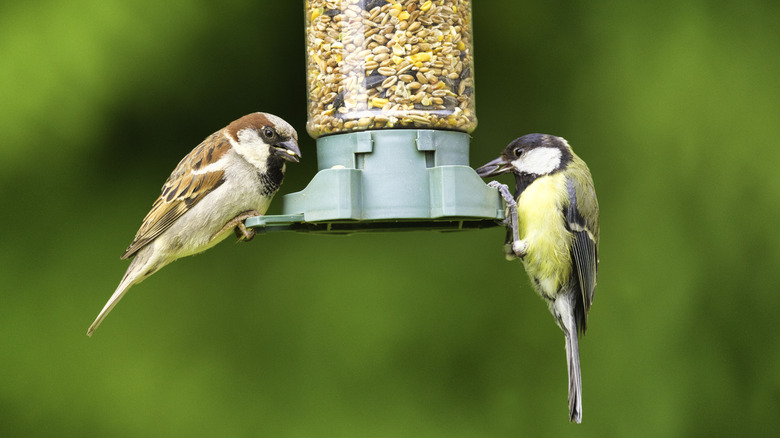
Credit: www.outdoorguide.com
Insects And Larvae
Songbirds eat a wide variety of insects and larvae. These foods provide essential nutrients and energy. Insects are easy to find in gardens, forests, and fields. Larvae, the immature form of many insects, are soft and rich in protein. Many songbirds depend on these foods, especially during breeding season. They need extra nutrition to feed their young.
Popular Insect Choices
- Beetles
- Caterpillars
- Ants
- Flies
- Grasshoppers
- Spiders (though not insects, often eaten)
- Wasps
- Termites
These insects vary in size and habitat. Songbirds catch them on leaves, on the ground, or mid-air. Caterpillars are a favorite during spring and summer. They are soft and easy to digest.
Benefits Of Eating Insects
Insects provide high protein and fat content. This helps birds grow strong muscles and feathers. Insects also contain vitamins and minerals. These nutrients keep birds healthy and active. Eating insects is natural and requires little energy. It also helps control insect populations. This balance supports the ecosystem. Songbirds feeding on insects help gardens stay pest-free.
Seeds And Grains
Seeds and grains form a crucial part of many songbirds’ diets. These small, nutrient-packed food sources provide the energy birds need to stay active and healthy. Watching birds peck at seeds can reveal just how important these tiny morsels are in their daily routine.
Types Of Seeds Consumed
Songbirds enjoy a variety of seeds, each offering different benefits. Common favorites include:
- Sunflower seeds:Rich in fat and protein, these are a top pick for many birds like chickadees and finches.
- Millet:Small and easy to eat, millet attracts sparrows and doves.
- Nyjer (thistle) seeds:Tiny but packed with nutrients, nyjer seeds are loved by goldfinches.
- Safflower seeds:These have a harder shell, making them a good choice for cardinals and grosbeaks.
Each seed type appeals to different songbird species based on their beak shape and feeding habits.
How Seeds Aid Nutrition
Seeds are more than just tasty snacks; they provide essential nutrients that help songbirds survive. The fats in seeds supply long-lasting energy, especially important during cold weather or migration.
Proteins in seeds support muscle repair and feather growth. Vitamins and minerals found in seeds boost the immune system and overall health.
Have you noticed how birds flock to feeders stocked with a mix of seeds? Offering variety helps meet their diverse nutritional needs and keeps them coming back.
Fruits And Berries
Fruits and berries are a vital part of many songbirds’ diets, especially during certain seasons. These natural treats provide essential nutrients and energy that help birds thrive. Observing which fruits attract songbirds can add a new layer of enjoyment to your birdwatching experience.
Favorite Fruit Varieties
Songbirds show clear preferences for specific fruits and berries. Some favorites include:
- Mulberries:Soft and juicy, perfect for smaller birds like finches and warblers.
- Blackberries and raspberries:Loved by thrushes and mockingbirds for their sweet taste.
- Wild cherries:Provide a rich source of sugars and antioxidants.
- Serviceberries:Popular among robins and cedar waxwings.
- Elderberries:Small but packed with nutrients, attracting a variety of songbirds.
Have you noticed which berries show up most in your backyard? Offering a mix can keep your feathered visitors coming back.
Role Of Fruits In Songbird Diet
Fruits offer more than just a tasty snack. They supply important vitamins, like vitamin C, and carbohydrates that fuel birds’ daily activities. During migration, fruits become a quick energy source, helping birds travel long distances.
Fruits also provide hydration, especially when water sources are scarce. Many songbirds rely on the moisture content in berries to stay hydrated. This dual benefit makes fruits essential, especially in late summer and fall.
Think about your local environment—are there enough fruit-bearing plants to support songbirds throughout the year? Adding native fruiting shrubs can make a big difference in your local bird population’s health.
Unexpected Food Sources
Songbirds usually eat seeds, fruits, and insects. Yet, some surprise us with unusual food choices. These unexpected food sources help them survive in tough times or add extra nutrients. Such foods show songbirds’ adaptability and cleverness in finding meals.
Small Vertebrates And Eggs
Some songbirds eat small animals like lizards, frogs, or baby birds. They may also eat eggs from other birds’ nests. This helps them get extra protein and energy. It is less common but important during breeding season or food shortage.
Birds like blue jays and shrikes are known for this behavior. They use their sharp beaks to catch or break eggs. This diet adds variety and supports their growth and health.
Human Food And Waste
Songbirds often visit places where humans leave food or trash. They eat crumbs, scraps, and leftovers from picnics, parks, or streets. Bread, chips, and fruits are common finds. This food is easy to get and helps birds during winter or migration.
Some birds depend on human waste more than natural food. It can harm them if the food is unhealthy or spoiled. Still, this habit shows how songbirds adjust to urban life and changing environments.
Feeding Behavior And Adaptations
Songbirds have fascinating feeding behaviors and adaptations. Each species has unique strategies. These adaptations help them survive and thrive. Understanding these behaviors reveals their survival tactics.
From diverse beak shapes to clever foraging techniques, songbirds are resourceful. These traits allow them to exploit various food sources. Let’s explore their foraging techniques and beak adaptations.
Foraging Techniques
Songbirds use different foraging techniques to find food. Some hover in mid-air to catch insects. Others probe the bark of trees for hidden prey. Many songbirds search the ground for seeds and insects.
Flocking helps them find food quickly. It provides safety and increases their chances of locating food. Some species follow ants to locate prey disturbed by ant activity.
Beak Shapes And Diet
Beak shapes in songbirds vary widely. Each shape suits a specific diet. Finches have strong, conical beaks. They crack seeds with ease. Hummingbirds possess long, slender beaks for sipping nectar.
Warblers have thin, pointed beaks. These are perfect for picking insects from leaves. This diversity in beak shapes supports the varied diets of songbirds. It demonstrates their adaptability in different environments.
Impact On Ecosystems
Songbirds help control insect populations by feeding on them, which keeps ecosystems balanced. Their diet also aids in spreading seeds, supporting plant growth and diversity. These actions maintain healthy habitats for many other animals.
Songbirds play a significant role in maintaining the health and balance of ecosystems. Their interaction with their environment goes beyond the simple act of eating. By doing so, they contribute to various ecological processes that benefit both the natural world and humans.Pollination And Seed Dispersal
Songbirds are pivotal in pollination and seed dispersal. When they feed on fruits and nectar, they inadvertently carry pollen from one flower to another. This pollination process is crucial for the production of fruits and seeds. Moreover, as songbirds consume fruits, they help in seed dispersal. Seeds that pass through a bird’s digestive system often have a higher germination rate. This natural process aids in the growth of new plants and contributes to the diversity of plant life in different habitats.Pest Control Benefits
You might be surprised to learn that songbirds are natural pest controllers. By feasting on insects, they help manage pest populations in gardens and farms. This reduces the need for chemical pesticides, which can have harmful environmental effects. Imagine a garden thriving without the need for harmful chemicals, all because of these little feathered helpers. It’s a win-win for both the environment and anyone who enjoys a pest-free space. Have you noticed fewer insects in your garden? It might be thanks to the diligent work of songbirds. Their presence is an indicator of a healthy ecosystem, where nature takes care of itself through balanced interactions.
Credit: www.science.org

Credit: feederwatch.org
Frequently Asked Questions
What Types Of Birds Do Songbirds Typically Eat?
Songbirds mainly eat small insects like caterpillars, beetles, and spiders. Some also consume small fruits and seeds. Their diet varies by species and season, helping them get necessary nutrients for energy and growth.
Do Songbirds Eat Other Smaller Birds?
Songbirds generally do not eat smaller birds. They mostly feed on insects, seeds, and fruits. However, some larger songbird species may occasionally prey on small bird eggs or nestlings.
How Important Are Insects In A Songbird’s Diet?
Insects are crucial for songbirds, especially during breeding season. They provide protein and nutrients essential for chick development. Many songbirds catch insects actively to nourish their young.
Can Songbirds Eat Seeds And Fruits Exclusively?
Some songbirds can survive on seeds and fruits, especially in winter. However, most prefer a mixed diet for balanced nutrition. Seeds and fruits are vital energy sources when insects are scarce.
Conclusion
Songbirds eat a variety of foods like seeds, insects, and fruits. These foods help them grow strong and stay healthy. Different songbirds prefer different meals depending on where they live. Watching what they eat can teach us about their habits.
Feeding birds with the right food supports their survival. Caring for songbirds means understanding their diet well. This knowledge helps keep songbird populations healthy and happy. Nature’s little singers depend on a balanced diet to thrive. Simple actions can make a big difference for these birds.




