
Finding a baby bird that needs help can feel overwhelming. You want to do the right thing, but you might not know where to start.
How do you keep it warm? What should you feed it? And how do you know if it’s getting better? You’re about to discover simple, clear steps to nurture that fragile little life back to health. By the time you finish this article, you’ll feel confident and ready to make a real difference.
Let’s get started.
Identifying A Baby Bird In Need
Finding a baby bird on the ground can be worrying. It is important to know if it really needs help.
Some baby birds are safe and should be left alone. Others may be hurt or lost and need care.
Signs Of Distress
Baby birds show signs when they are in trouble. Watch for these to decide if help is needed.
- Weak or floppy body that does not move much
- Cold to touch, feeling chilled or shivering
- Visible injuries like wounds or bleeding
- Loud, constant crying or calling for help
- Feathers missing or dirty, showing poor care
- Not feeding or opening mouth when offered food
Types Of Baby Birds
There are different kinds of baby birds. Knowing their type helps with proper care.
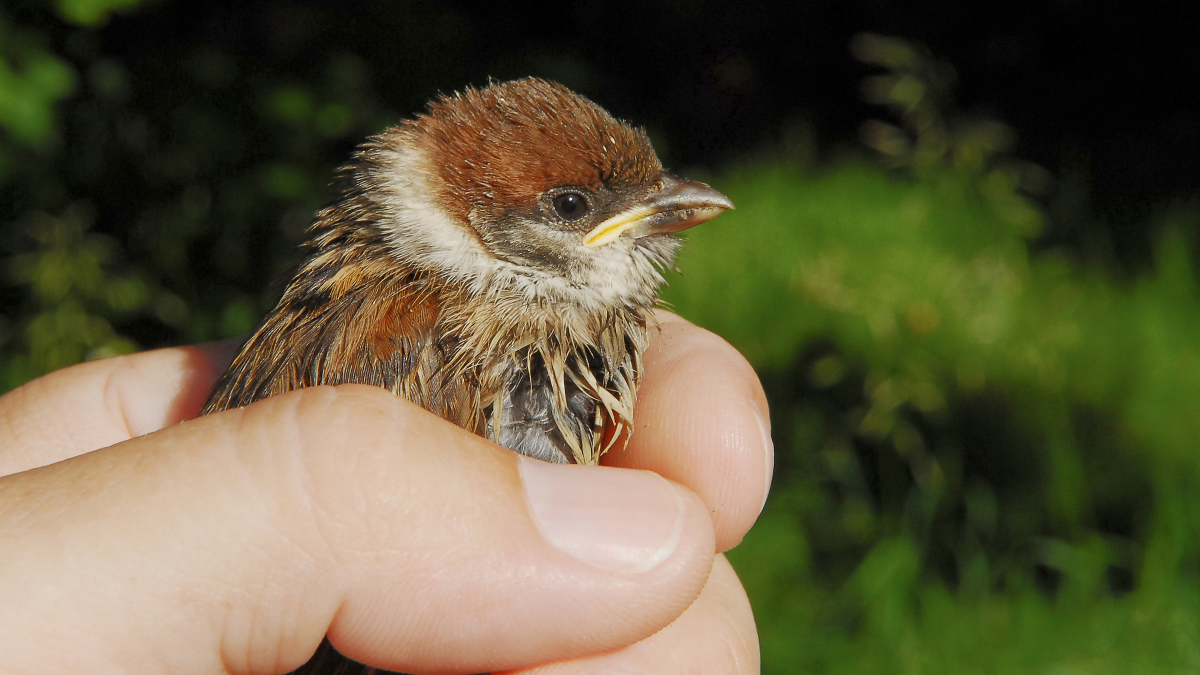
Baby birds fall into three main groups: hatchlings, nestlings, and fledglings.
- Hatchlings:Very young, no feathers, eyes closed.
- Nestlings:Some feathers, eyes open, still in nest.
- Fledglings:Almost full feathers, learning to fly, often on ground.
Credit: pethelpful.com
Preparing A Safe Environment
Nurturing a baby bird back to health starts with a safe and comfortable space. This space should keep the bird warm and secure while it recovers. Setting up the right environment helps the bird feel calm and supported.
Two important parts of this environment are creating a warm nest and choosing the right container. Each part helps protect the baby bird and makes care easier for you.
Creating A Warm Nest
A warm nest is key to keeping the baby bird comfortable. Birds cannot keep their body heat well when they are young. Your nest should feel like a soft, warm bed.
- Use soft materials like clean cloth or paper towels for bedding.
- Make sure the bedding is dry and changed often to prevent germs.
- Avoid cotton or wool that can tangle around the bird’s legs.
- Place a small heat source nearby, like a heating pad on low setting under half of the nest.
- Check the temperature regularly; it should stay around 85°F to 90°F (29°C to 32°C).
Choosing The Right Container
The container holds the nest and keeps the bird safe. It should be secure, easy to clean, and large enough for the bird to move a little as it grows.
| Container Type | Pros | Cons |
| Plastic Box | Easy to clean, retains heat well | Can be slippery inside |
| Cardboard Box | Soft edges, breathable | Less durable, absorbs moisture |
| Small Pet Carrier | Ventilated, secure lid | May be too big for a tiny bird |
| Basket with Cloth Lining | Natural look, soft | Harder to clean, less heat retention |
Feeding Baby Birds
Feeding baby birds is a careful task. It helps them grow strong and healthy. You must know what and how to feed them.
Each bird species needs different care. But some rules are common for all baby birds. Let’s look at feeding tips to help you nurture them well.
Suitable Diet Options
Baby birds need a diet rich in protein and easy to digest. Their food should mimic what their parents would feed.
- Soft insects like mealworms or small crickets
- Mashed fruits such as bananas or apples (no seeds)
- Boiled eggs, finely chopped for extra protein
- Special baby bird formula available at pet stores
- Small pieces of soaked dog or cat kibble for some species
Feeding Techniques
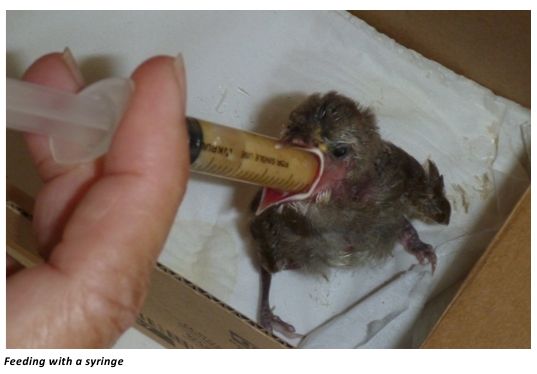
Use gentle methods to avoid harming the baby bird. A small syringe or tweezers work well for feeding.
| Technique | How to Do It |
| Syringe Feeding | Fill syringe with food and gently squirt into the bird’s mouth. |
| Tweezer Feeding | Hold food with tweezers and place it carefully inside the mouth. |
| Soft Spoon | Use a small spoon to offer mashed food slowly. |
Frequency And Amount
Baby birds eat often but in small amounts. Feeding times depend on their age and size.
- Feed every 15-20 minutes for very young birds (first week).
- Feed every 30-60 minutes for older nestlings (second week).
- Offer food 4-6 times daily for fledglings (third week and older).
- Watch how much they eat, do not overfeed or underfeed.
- Keep food warm but not hot to prevent digestive issues.

Credit: www.reddit.com
Hydration Tips
Keeping a baby bird hydrated is key to its recovery. Water helps the bird stay strong and healthy. Always handle water with care for the best results.
Providing water safely means knowing how to give the right amount in the right way. Avoid mistakes that could harm the bird.
Providing Water Safely
Use a small dropper or syringe to offer water gently. Never force water into the bird’s throat. Make sure the water is clean and at room temperature.
- Offer tiny drops on the side of the beak
- Let the bird swallow naturally
- Do not pour water directly into the mouth
- Keep water fresh and change it daily
Avoiding Common Mistakes
Giving too much water can cause choking or water in the lungs. Using dirty water can cause illness. Avoid using milk or sugary drinks to hydrate the bird.
| Common Mistake | Why to Avoid |
| Forcing water into the throat | Can cause choking or injury |
| Using dirty water | May cause infections |
| Giving too much water at once | Can lead to drowning |
| Using milk or juice | Not suitable for birds |
Monitoring Health Progress
Keeping track of a baby bird’s health is very important. Careful monitoring helps you see if the bird is getting better or needs help.
Check the bird daily to catch any changes early. Small details can show big signs of health.
Tracking Weight And Growth
Weigh the baby bird every day at the same time. Use a small scale to measure weight in grams.
- Record the weight in a notebook or app
- Note any changes in feather growth
- Watch for increases in activity and strength
- Compare measurements over several days
| Day | Weight (grams) | Feather Growth | Activity Level |
| 1 | 12 | None | Low |
| 2 | 14 | Small Pin Feathers | Moderate |
| 3 | 16 | Growing Feathers | High |
Recognizing Illness Symptoms
Look for signs that show the baby bird might be sick. Early detection helps get care fast.
- Weak or slow movements
- Fluffed up feathers for long time
- Loss of appetite or refusal to eat
- Unusual droppings or diarrhea
- Labored breathing or constant noise
Note:If you notice any of these signs, contact a wildlife rehabilitator or vet quickly.
Credit: besgroup.org
When To Seek Professional Help
Caring for a baby bird requires gentle care and attention. Sometimes, professional help is necessary for the bird’s health.
Knowing when to seek expert assistance can make a big difference. Let’s explore key areas where professionals can help.
Veterinary Care
If a baby bird is injured or very weak, a vet can provide medical help. Vets have the skills to diagnose and treat bird illnesses.
Do not wait if the bird is bleeding or has trouble breathing. Quick veterinary care can save its life.
- Signs of injury or bleeding
- Difficulty breathing or closed eyes
- Lack of movement or energy
Wildlife Rehabilitation Centers
Rehabilitation centers are places where experts care for wild animals. They have special equipment and knowledge to help birds.
If the bird seems lost or abandoned, these centers can provide a safe environment. They prepare the bird for release back into the wild.
- Bird is alone for long periods
- Signs of malnutrition or dehydration
- Needs help to return to nature
Preparing For Release
Caring for a baby bird is a rewarding task. As it grows stronger, preparing it for release is crucial. This ensures the bird can survive and thrive in the wild.
Releasing a bird requires careful planning. It must be healthy and ready to face the world independently.
Building Strength And Skills
Birds need to build strength before they can be released. Exercise helps them develop muscles and coordination.
Encourage flying in a safe space. This helps improve endurance and confidence.
- Provide branches for perching practice
- Offer varied foods for dietary skills
- Ensure access to clean water
Choosing The Right Time And Place
The right time and place are vital for a successful release. Observe the weather and surroundings carefully.
Choose a calm day without rain or strong winds. This will make the transition easier for the bird.
- Release in daylight hours
- Choose a location with trees and shelter
- Avoid areas with many predators
Frequently Asked Questions
How Do I Identify A Baby Bird In Need Of Help?
Look for signs like weakness, injury, or abandonment. Baby birds that are cold, featherless, or unable to fly often need care. Avoid handling unless absolutely necessary and always observe carefully before intervening.
What Is The Best Diet For A Baby Bird?
Feed baby birds a diet matching their species, usually insects or soft fruits. Use specialized bird formula or moistened dog food if unsure. Avoid milk or bread as they can harm the bird’s health.
How Often Should I Feed A Baby Bird?
Feed every 15-20 minutes during daylight for very young birds. Older chicks need feeding every 30-60 minutes. Keep meals small and frequent to mimic natural feeding patterns and support growth.
When Should I Release A Rehabilitated Baby Bird?
Release when the bird can fly well and eat independently. Ensure it shows natural behaviors and strength. Gradual release near the original habitat increases survival chances after rehabilitation.
Conclusion
Nurturing a baby bird takes time and patience. Watch its health closely every day. Offer proper food and keep it warm. Clean its living space to prevent illness. Trust your care will help the bird grow strong. Small steps make a big difference.
You can help save a little life. Keep learning and stay gentle throughout the process. The bird’s recovery depends on your kindness and effort. Every moment counts in bringing the bird back to health.




