
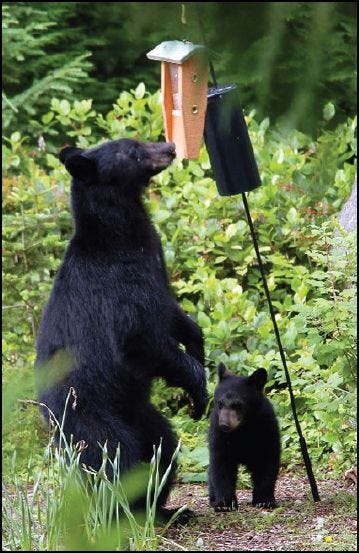
Are you tired of bears raiding your bird feeders and scaring away your feathered friends? You’re not alone.
Bears are smart and persistent, and once they discover your feeders, they can become a big problem. But don’t worry—there are simple, effective ways to keep bears away while still enjoying the birds. You’ll learn easy tips that protect your feeders and bring peace back to your backyard.
Keep reading to find out how you can outsmart bears and create a safe space for the birds you love.

Credit: www.birdsandblooms.com
Choose Bear-resistant Feeders
Choosing bear-resistant feeders is a smart way to protect your bird feeders. These feeders are made to stop bears from getting the birdseed. They help keep bears safe by reducing their visits to your yard. Using these feeders also keeps birds happy and safe.
Features Of Bear-proof Feeders
- Strong materials like metal or heavy-duty plastic
- Locking lids that bears cannot open
- Mounting options to keep feeders off the ground
- Designs that prevent bears from reaching seed ports
- Easy for people to use but hard for bears
These features make sure bears cannot break in or spill the seed. The feeders also last longer because they resist damage.
Popular Brands And Models
| Brand | Model | Key Feature |
|---|---|---|
| Droll Yankees | Bear Resistant Feeder | Heavy-gauge steel and locking lid |
| Brome | Bear Guard Feeder | Heavy-duty metal construction |
| Woodstream | Bear Proof Feeder | Locking mechanism and durable design |

Credit: www.birdsandblooms.com
Location Matters
Choosing the right location for your bird feeder is crucial to keeping bears at bay. Bears are excellent climbers and explorers, so placing feeders without careful thought can invite unwanted visitors. Let’s look at how strategic placement can make a big difference in protecting your bird feeder from bears.
Placing Feeders Away From Trees
Bird feeders close to tree branches give bears easy access. A bear can simply climb the tree and reach the feeder if it’s within arm’s length of a branch.
Keep your feeders at least 10 feet away from any tree limbs. This distance creates a barrier that makes it harder for bears to jump or climb directly to the feeder.
Think about the feeders I had near a big oak tree. Bears would routinely raid them. Moving the feeders further away stopped the problem almost immediately.
Avoiding Bear Travel Paths
Bears often use the same trails when moving through an area. Placing bird feeders near these paths increases the chance of an encounter.
Observe where you see bear signs like tracks, scat, or disturbed vegetation. Position your feeders away from these routes to reduce their visibility and accessibility.
Have you noticed animal trails around your yard or property? Consider relocating your feeders to quieter spots where bears are less likely to pass by.
Use Deterrents
Using deterrents offers a practical way to keep bears away from bird feeders. These tools create an uncomfortable environment for bears. They help protect your feeders without causing harm. Deterrents often use sudden movements, sounds, or water to scare bears off. They are effective because bears quickly learn to avoid places that startle them. Choosing the right deterrent can save your bird feeder and keep bears safe.
Motion-activated Sprinklers
Motion-activated sprinklers surprise bears with bursts of water. They turn on only when movement is detected near the feeder. The sudden spray scares bears without hurting them. This keeps bears away and protects your garden too. Sprinklers also keep other unwanted animals at bay. They are easy to install and use little water. Position the sprinkler so it covers the bird feeder area well. Check it regularly to ensure it works properly.
Noise Makers And Lights
Noise makers and lights startle bears and keep them cautious. Sounds like alarms or banging can scare bears quickly. Flashing lights confuse and frighten them during the night. These deterrents create an uncomfortable area around feeders. They teach bears to avoid your yard. Use battery-powered or solar devices for easy setup. Change the noise or light pattern to prevent bears from getting used to it. Consistent use of these tools helps keep bears away for good.
Clean Up Spilled Seeds
Spilled seeds attract bears to your yard. Cleaning up all dropped seeds keeps the area less inviting. This simple step helps protect bird feeders from unwanted visitors.
Keeping bears away from bird feeders is a challenge many nature enthusiasts face. One effective strategy is to clean up spilled seeds. Bears have an incredible sense of smell and are attracted to even the smallest morsels left on the ground. Let’s delve into practical ways you can minimize these tempting spills and keep your feathered friends safe.Regular Ground Cleaning
Maintaining a clean area around your bird feeder is crucial. Regularly sweep or rake the ground to remove any seeds or debris that might attract bears. Consider using a small handheld vacuum for quick and efficient cleanups. Have you ever noticed how a clean area feels more inviting? The same principle applies to wildlife. By regularly cleaning the ground beneath your feeders, you’re effectively removing a major lure for bears. This simple step can make a significant difference.Preventing Scent Trails
Bears rely heavily on their noses to find food. Eliminating scent trails is essential in deterring them from your yard. After cleaning, lightly spray the area with a mild deterrent like a vinegar-water solution. Think about how a strong scent can linger long after a meal. Just as you might use air fresheners indoors, using natural deterrents outdoors can mask the scent of seeds. This small change can disrupt the scent path and reduce bear visits. Avoid leaving any trash or food waste nearby, as these can also contribute to scent trails. If you’ve ever been surprised by how far a delicious aroma can travel, you know how important this step is. Keeping the area clean and scent-free is key to maintaining a bear-free zone.Timing Your Feeding
Timing your bird feeding can make a significant difference in keeping bears away. Bears are mostly active during dawn, dusk, and nighttime, so adjusting when you put out and take down feeders can reduce unwanted visits. Understanding animal habits helps you protect your garden and enjoy birdwatching without interruptions.
Removing Feeders At Night
Taking down bird feeders every evening is one of the simplest ways to avoid attracting bears. Bears are nocturnal foragers, and if food isn’t available overnight, they are less likely to come around your yard.
Try setting a reminder to remove feeders before dark. Even a few days of consistent removal can teach bears that your feeders are not a reliable food source. This small change can save you from dealing with messy bear encounters.
Feeding During Daylight Hours
Put your feeders out early in the morning and take them down by late afternoon. This schedule aligns with bird activity and keeps food away from bears, who prefer to roam at night.
Feeding during daylight also means you can watch birds safely without the worry of sudden bear appearances. Have you noticed how birds are most active at dawn and midday? Matching your feeding times to their natural rhythm benefits both you and the wildlife.
Secure Bird Feed Storage
Keeping bears away from bird feeders starts with how you store your bird feed. Secure bird feed storage is a critical step that many overlook. If the feed isn’t stored properly, it invites bears right to your backyard, no matter what feeder you use.
Using Bear-proof Containers
Bear-proof containers are specially designed to prevent bears from accessing your bird feed. These containers usually have heavy-duty lids with locking mechanisms that bears can’t open. You can find these containers at outdoor stores or online, often made of thick plastic or metal.
Choose containers that seal tightly to keep the smell contained. Bears have an incredible sense of smell, and even a small scent leak can attract them. Storing your feed in a bear-proof container is a simple way to reduce the chances of a bear visit.
Storing Feed Indoors
Another effective strategy is to store all bird feed indoors, especially overnight. This means keeping your feed in a garage, shed, or any locked indoor space where bears cannot reach. Even a small bag left outside can draw bears in.
I once left a sack of seed in an unlocked shed, and a bear managed to tear through the door. After that, I switched to always bringing feed inside immediately after filling feeders. Have you thought about where your feed stays when you’re not watching? Moving it indoors can be your best defense.
Consider Alternative Feeding Options
Keeping bears away from your bird feeders can be challenging, but considering alternative feeding options can help reduce unwanted visits. By changing what and how you feed birds, you can still enjoy watching them without attracting bears. These alternatives focus on feeding smaller, less bear-attractive birds or creating a natural habitat that draws birds away from feeders.
Using Hummingbird Feeders
Hummingbird feeders offer a great alternative because bears are not interested in the sugary nectar inside. These feeders typically hang from thin wires or branches, making them difficult for bears to reach. You can place them away from your regular feeders to keep hummingbirds close but bears at bay.
Try using feeders with red coloring to attract hummingbirds, and keep the nectar fresh by changing it every few days. Since hummingbirds feed on nectar, this option provides a safe and enjoyable way to watch birds without inviting bears to the party.
Planting Native Bird-friendly Plants
Instead of relying solely on feeders, planting native plants that provide natural food sources can attract birds without attracting bears. Plants like berry bushes, sunflowers, and native seed-bearing plants offer food birds love.
Adding these plants creates a bird-friendly environment that encourages natural feeding habits. Plus, it beautifies your yard and supports local wildlife. Have you thought about which native plants grow well in your area to make your garden a bird haven?
Credit: wdfw.medium.com
Frequently Asked Questions
How Can I Prevent Bears From Raiding Bird Feeders?
Use bear-proof feeders and hang them at least 10 feet high. Remove feeders at night and clean up spilled seeds to avoid attracting bears.
What Types Of Bird Feeders Deter Bears Effectively?
Metal or heavy-duty feeders with secure lids work best. Avoid plastic feeders as bears easily damage them to get seeds.
Does Scent Attract Bears To Bird Feeders?
Yes, the smell of seeds and suet attracts bears. Clean feeders regularly and avoid using strong-smelling birdseed mixes to reduce scent.
Can Electric Fencing Keep Bears Away From Feeders?
Yes, installing electric fencing around feeders can deter bears safely. It delivers a mild shock that teaches bears to avoid the area.
Conclusion
Keeping bears away from bird feeders takes careful steps and patience. Secure feeders with strong poles or hang them high. Avoid leaving spilled seeds on the ground. Use bear-proof feeders when possible. Clean up food scraps and trash around the yard.
Stay calm and consistent with these habits. Protect birds and keep bears safe too. Small changes make a big difference over time. Enjoy watching birds without unwanted visitors nearby.




