
Having a bird trapped inside your house can be stressful and confusing. You want to help it find its way out quickly, but you’re not sure how to do it safely for both you and the bird.
If you’re feeling stuck and worried about causing harm, you’re not alone. This guide will show you simple, effective steps to get that bird out of your home without panic or damage. Keep reading, and you’ll learn how to handle the situation calmly and confidently.
Signs Of A Bird Inside
Noticing a bird inside your house can be unsettling. Birds do not belong indoors, and their presence often causes confusion and concern. Recognizing the signs of a bird inside can help you act quickly and safely. The signs are often subtle and easy to miss at first.
Birds trapped indoors usually show certain behaviors and leave clues behind. Listening and observing carefully can reveal their presence. Early detection makes it easier to guide the bird outside without harm.
Unusual Sounds
Birds often make chirping or fluttering noises when trapped. These sounds may come from hidden corners or behind furniture. Listen closely for repeated calls or sudden flapping sounds. Quiet rooms help you identify these noises faster.
Feathers Around The House
Loose feathers are a clear sign of a bird’s presence. You might find them near windows, doorways, or vents. Feathers may appear scattered or in small piles. Their color and size can help identify the bird species.
Movement In Unexpected Places
Birds try to find escape routes by flying or hopping around. Watch for quick, darting movements near windows or ceilings. Shadows or reflections can also reveal their presence. Sudden flashes of color might catch your eye.
Droppings In Unusual Spots
Bird droppings often appear on floors, furniture, or windowsills. The spots may be fresh or dried. Their shape and texture differ from other animal droppings. Clean areas showing new stains are a good indicator.
Disturbed Objects
Birds may knock over lightweight items while trying to escape. Look for shifted papers, knocked plants, or moved decorations. These signs often appear near entry points like open windows. Such disturbances can point to the bird’s path.
Common Entry Points
Birds often find their way into houses through small, unnoticed gaps. Identifying these common entry points is key to safely guiding them back outside. Understanding where birds usually enter helps you act quickly and prevent future visits.
Open Windows And Doors
Birds love bright, open spaces, so an open window or door is an obvious invitation. Even a slightly ajar window can be enough for a curious bird to fly inside. Have you checked if your windows or doors were left open recently?
Keep windows and doors closed or use screens to block access. Screens are especially useful if you want fresh air but no surprise visitors.
Chimneys And Vents
Chimneys and vents are common hidden entry points. Birds can fly down chimneys or slip through vent openings to find shelter. I once had a bird trapped in my fireplace, which taught me to always check these areas first.
Installing chimney caps or vent covers can prevent birds from entering while still allowing airflow.
Gaps In Roof Or Eaves
Small gaps in your roofline or eaves provide excellent hiding spots for birds. These spaces are often overlooked but can be wide enough for a bird to squeeze in. Have you inspected your roof edges for holes or missing shingles?
Seal any gaps with weatherproof materials to block access and protect your home from birds and other critters.
Attic And Crawl Space Openings
Birds seek quiet, dark places like attics and crawl spaces to nest. Unsealed attic vents or loose panels can welcome them inside. Checking these areas regularly can help you catch entry points before birds settle in.
Secure vents with mesh screens and repair loose panels to keep these areas off-limits.
Pet Doors
Pet doors might seem harmless, but they can be an easy route for birds to enter. Birds may fly in out of curiosity or to escape predators. Have you noticed any unusual wildlife coming through your pet door?
Consider installing a pet door with a cover or lock to control when it’s open.
Preparing The Room
Preparing the Room Close doors to limit the bird’s movement and open windows to guide it outside. Turn off fans and lights to prevent disorientation. Remove obstacles to create a clear path for the bird to exit safely.
Preparing the room is essential to guide a bird safely outside. A calm and clear environment helps the bird find its way out. Follow these steps to make the room a safe passage for our feathered friend.Clear Obstacles
Remove any furniture blocking the bird’s path. Open windows and doors to provide an easy exit. Ensure curtains and blinds are drawn back. This prevents the bird from crashing into them. Create a straight flight path to the exit. A clear path reduces stress for the bird.Turn Off Fans And Lights
Ceiling fans can injure a bird. Turn them off immediately. Bright lights can confuse the bird. Dim or turn off lights in the room. Natural light attracts the bird towards the open exit. This makes it easier for the bird to leave safely.:max_bytes(150000):strip_icc()/__opt__aboutcom__coeus__resources__content_migration__mnn__images__2017__08__bat_on_house_door-a7ec4ffe6e5a458ab5668ee7ae004f12.jpg)
Credit: www.treehugger.com
Safe Removal Techniques
Removing a bird from your house safely requires calm and careful actions. Your goal is to guide the bird out without causing it stress or injury. Using gentle techniques helps protect both you and the bird while solving the problem quickly.
Using Gentle Guidance
Start by staying calm and speaking softly. Sudden movements or loud noises can scare the bird and make it harder to catch or guide out. Try using a broom or towel slowly to steer the bird toward an open door or window.
Wear gloves to protect your hands if you need to gently catch the bird. If catching is necessary, cup your hands around the bird carefully without squeezing. You want to avoid hurting its wings or causing panic.
Have you noticed that birds often fly toward light? Use this natural instinct to your advantage while guiding it with gentle movements.
Creating An Exit Path
Clear a direct path to the outside by opening doors and windows wide. Remove obstacles that could confuse or trap the bird inside. Close off other rooms to keep the bird in one area and reduce its stress.
Turn off indoor lights and open curtains to let natural light lead the bird outside. If the bird is near a window, open it fully and stand back to encourage it to fly out on its own.
Think about where you last saw the bird. Can you create a clear, safe route from that spot to an open exit? Setting up this pathway can speed up the bird’s exit and reduce the chance of injury or exhaustion.
Tools And Materials To Use
Getting a bird out of your house requires the right tools and materials. These help make the process safe and quick for both you and the bird. Using simple items can reduce stress and avoid injury. Prepare a few key things before you start guiding the bird outside.
Bird Net Or Towel
A bird net or soft towel helps catch the bird gently. Nets with fine mesh prevent feathers from getting stuck. Towels work well to cover the bird and hold it safely. Use slow, calm movements to avoid scaring the bird more. Having one of these ready makes it easier to control the bird without harm.
Open Windows And Doors
Open all windows and doors leading outside. This creates clear escape paths for the bird. Keep the room quiet and dim to encourage the bird to move toward the light. Remove screens if possible to give the bird free access. Openings should be wide enough for the bird to fly through easily.
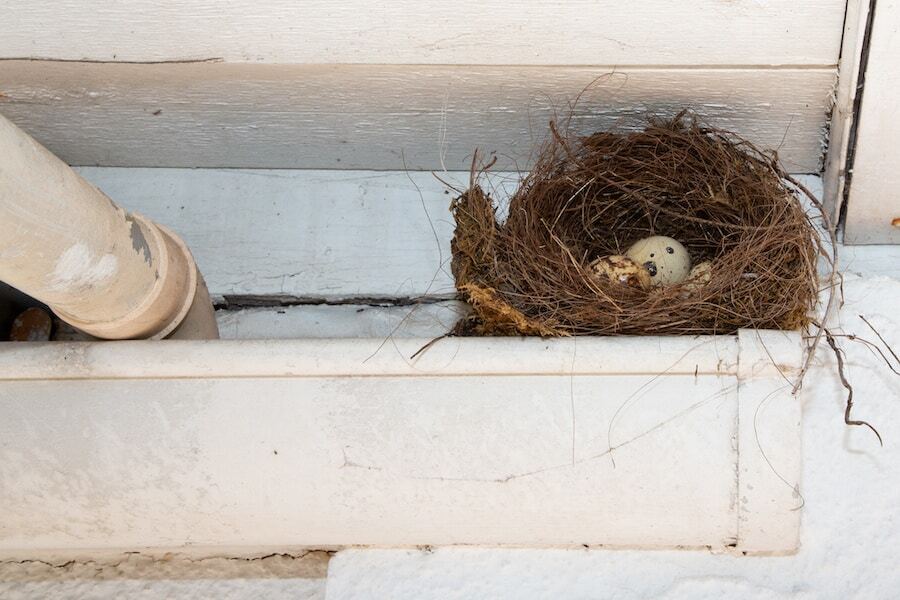
Credit: www.callnorthwest.com
Avoiding Harm To The Bird
When a bird finds its way into your home, your priority should be its safety. Birds are delicate creatures, and rough handling or sudden movements can cause them serious harm. Protecting the bird while guiding it out requires patience and a gentle approach.
Handling With Care
Never try to grab the bird with bare hands immediately. Instead, use a soft cloth or towel to gently cover it, reducing the risk of injury to its wings or feathers.
Make sure your movements are slow and deliberate. Sudden grabs can frighten the bird and cause it to injure itself against walls or furniture.
Wear gloves if possible, but avoid tight grips. The goal is to create a safe space for the bird without applying pressure.
Preventing Panic
Keeping calm is key—your stress can easily transfer to the bird. Speak softly and avoid loud noises that might startle it further.
Close doors to confine the bird to one room, which simplifies the process and reduces its stress. Open windows or doors to the outside to give the bird a clear exit path.
Have you noticed how birds respond differently to light? Sometimes turning off indoor lights and opening curtains to let in natural light encourages the bird to fly toward the open window.
When To Seek Professional Help
Knowing when to call a professional can save time and reduce stress. Some bird situations need expert care to avoid harm to the bird or your home. Professionals have the right tools and skills to handle tricky bird removals safely.
Ignoring signs that require help might cause damage or injury. It’s wise to recognize these moments early. Acting quickly with expert support can protect both you and the bird.
Signs That The Bird Is Injured Or Sick
Look for unusual behavior like limping or lethargy. Birds that cannot fly or seem weak need professional care. Trying to catch or remove a sick bird alone can cause more harm.
Repeated Bird Intrusions
Birds returning often may have made a nest inside. This situation needs expert removal to avoid disturbing eggs or chicks. Professionals can safely clear nests and prevent future visits.
Birds Causing Property Damage
Birds can damage insulation, wiring, or walls. If you notice droppings or nesting materials in hard-to-reach places, call a specialist. They can fix the problem without risking your home’s structure.
Difficulty Removing The Bird
Some birds are nervous or aggressive. If your attempts to remove the bird fail, experts can handle it calmly and safely. They use methods that minimize stress for both bird and homeowner.
Legal And Safety Concerns
Certain birds are protected by law. Removing them without permission can cause legal trouble. Professionals know local rules and handle protected birds properly. Safety for you and the bird is their top priority.
Preventing Future Bird Intrusions
Stopping birds from entering your house again saves time and stress. Taking steps to prevent future bird intrusions keeps your home safe and clean.
Simple actions can block birds from finding their way inside. These steps protect your space without causing harm to the birds.
Sealing Entry Points
Check your home for holes, cracks, and gaps. Birds use small openings to enter. Seal these spots with caulk, mesh, or weatherstripping.
Look around windows, doors, vents, and roof edges. Even tiny spaces can be inviting to birds. Fix damaged screens and close chimneys with caps.
Regular inspection helps catch new entry points early. Keep your home tightly closed off to birds at all times.
Using Deterrents
Bird deterrents discourage birds from coming close to your house. Use visual devices like reflective tape, shiny objects, or fake predators.
Sound devices can also scare birds away. Choose gentle sounds to avoid noise problems for neighbors.
Place deterrents near doors, windows, and common bird entry spots. Change their position often to keep birds from getting used to them.
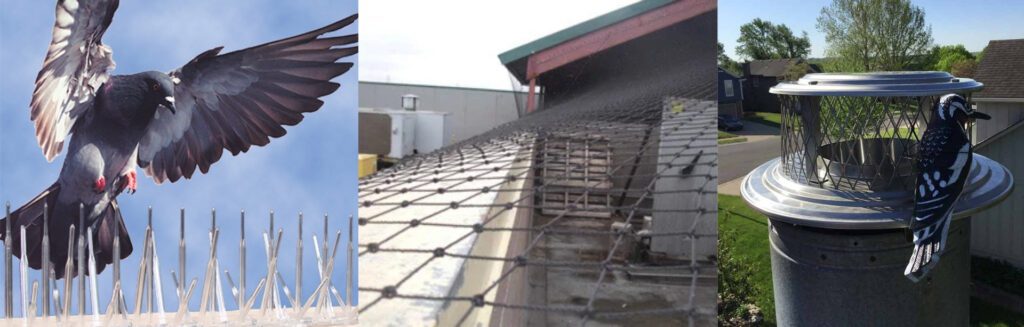
Credit: www.modernexteriorroofing.com
Frequently Asked Questions
How Can I Safely Remove A Bird From My House?
Open windows and doors to create an exit path. Turn off indoor lights and close other rooms. Gently guide the bird using a broom or towel without harming it. Avoid sudden movements to prevent stress.
What Should I Avoid When Getting A Bird Out?
Do not chase or hit the bird. Avoid using harmful chemicals or traps. Do not panic; stay calm to help the bird find its way out easily and safely.
How Do I Prevent Birds From Entering My House Again?
Seal entry points like vents, windows, and chimneys. Use screens or netting on openings. Keep doors and windows closed when not in use. Remove food sources that attract birds near your home.
Can I Use A Bird Cage To Catch And Release It Outside?
Yes, a bird cage can safely trap the bird. Place food inside to lure it. Once inside, cover the cage and release the bird outside gently.
Conclusion
Birds inside the house can cause stress and mess. Act quickly but calmly to guide the bird outside. Open windows and doors wide to give it a clear path. Avoid chasing or scaring the bird; it may get hurt. Use a gentle approach with light and quiet movements.
Keep pets away to avoid adding pressure. With patience and care, the bird will find its way out soon. Staying calm helps both you and the bird stay safe. These simple steps make the process easier and faster.




