
If you’ve ever admired the stunning, tropical look of Bird of Paradise plants, you’re not alone. Growing these exotic beauties from seeds can feel tricky, but it’s easier than you think.
Imagine watching your own Bird of Paradise sprout and flourish right before your eyes. In this guide, you’ll discover simple, step-by-step tips to help your seeds germinate quickly and successfully. Keep reading, and you’ll be on your way to adding a splash of paradise to your home or garden.
Seed Selection
Selecting the right seeds is the foundation for successful germination of Bird of Paradise plants. Without healthy, fresh seeds, your chances of sprouting strong seedlings drop significantly. Understanding what to look for will save you time and frustration.
Choosing Healthy Seeds
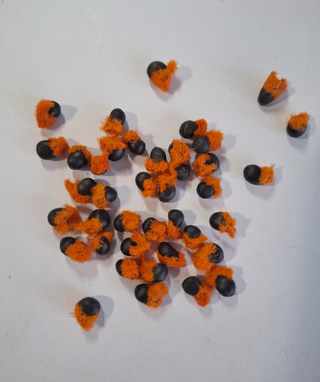
Start by examining the seeds closely. Healthy Bird of Paradise seeds are typically large, firm, and have a rich, dark color with a smooth surface. Avoid seeds that look shriveled, cracked, or have discolorations—these are signs of poor quality or disease.
It’s worth checking the seed’s weight by holding it between your fingers; lighter seeds often lack the energy needed for germination. If possible, select seeds from reputable suppliers or directly from mature plants you trust. This simple step can dramatically improve your germination success.
Seed Freshness Importance
Freshness of seeds plays a critical role in germination rates. Bird of Paradise seeds lose viability quickly over time, especially if stored improperly. Ideally, use seeds harvested within the last year to maximize your chances.
Have you ever wondered why older seeds just don’t sprout? The vitality inside the seed diminishes, reducing its ability to grow into a healthy plant. Store your seeds in a cool, dry place and avoid buying ones that have been sitting on shelves for too long.
By paying attention to seed freshness, you’re giving your Bird of Paradise the best start possible. This small detail often gets overlooked but can make all the difference between success and disappointment.
Pre-germination Preparation
Preparing your Bird of Paradise seeds before planting is crucial for successful germination. These seeds have a tough outer shell that can slow down or even prevent sprouting if not treated properly. Taking the time to prepare them correctly can save you weeks of waiting and increase your chances of growing healthy plants.
Soaking Seeds
Soaking Bird of Paradise seeds softens their hard outer coating, making it easier for the seed to absorb water and start growing. Use warm water and soak the seeds for 24 to 48 hours, changing the water once if it cools down.
Keep an eye on the seeds during soaking. If you notice any seeds floating, it often means they are hollow or not viable. Only plant seeds that sink after soaking for the best results.
Scarification Techniques
Scarification helps break down the seed coat and speeds up germination by allowing moisture to penetrate faster. You can gently nick the seed coat with a small file or sandpaper—just enough to expose the inner layer without damaging the seed inside.
Another option is to carefully crack the seed coat with pliers, but this requires a steady hand to avoid crushing the seed. Have you tried different scarification methods before? Sometimes combining soaking with scarification leads to surprising improvements in germination rates.
Optimal Germination Conditions
Creating the right environment is key to germinating Bird of Paradise seeds successfully. Seeds need specific conditions to sprout and grow strong. This section covers the essential factors that help seeds break dormancy and begin growing.
Ideal Temperature
Bird of Paradise seeds germinate best in warm temperatures. Keep the soil between 70°F and 85°F (21°C to 29°C). Temperatures below 65°F (18°C) slow germination. Avoid exposing seeds to extreme heat over 90°F (32°C). Consistent warmth encourages faster and more reliable sprouting.
Humidity Control
High humidity supports seed germination by preventing drying out. Maintain humidity levels around 70% to 80%. Cover seeds with a clear plastic dome or plastic wrap to trap moisture. Open the cover occasionally to allow fresh air and prevent mold growth. Balanced humidity keeps seeds moist without waterlogging.
Light Requirements
Bird of Paradise seeds need indirect light to germinate well. Place seeds in bright but filtered light, avoiding direct sunlight. Too much sun can overheat the soil and dry the seeds. Gentle light helps seeds develop without stress. Keep seeds in a warm, well-lit spot for best results.
Credit: ferriseeds.com
Planting Seeds
Planting Bird of Paradise seeds is a delicate step in growing these stunning plants. Proper planting helps seeds sprout faster and stronger. Understanding the right soil and depth improves seedling success. Prepare for healthy growth by following simple planting tips.
Selecting The Right Soil
Choose soil that drains water well but holds some moisture. A mix of potting soil, sand, and perlite works great. Avoid heavy clay soils that keep water too long. The soil should feel light and crumbly to the touch. This balance gives seeds the air and moisture they need.
Planting Depth Tips
Plant seeds about 1 inch deep for best results. Too shallow can dry out seeds quickly. Too deep makes it hard for seedlings to break through. Cover seeds lightly with soil and press gently. Keep soil moist but not soggy to help seeds sprout.
Care During Germination
Care during germination is crucial for your Bird of Paradise seeds to sprout strong and healthy. The right environment and attention can make the difference between success and frustration. Let’s dive into how you can nurture these seeds carefully until they start growing.
Watering Guidelines
Keeping the soil consistently moist is key, but avoid soaking it. Too much water can cause the seeds to rot before they get a chance to sprout.
Use a spray bottle to mist the soil surface daily. This gives you control over moisture without drowning the seeds.
Check the soil by touching it lightly. If it feels dry, it’s time to water again. But if it still feels damp, hold off for a day or two.
Monitoring Growth
Patience is essential here—Bird of Paradise seeds can take several weeks to show any signs of life. Don’t give up too soon if nothing appears immediately.
Watch for small shoots breaking through the soil. This signals that your care is paying off.
Keep an eye on any mold or fungus. If you spot white fuzz or a bad smell, improve air circulation and reduce watering slightly.
Have you noticed any changes in leaf color or seed swelling? These subtle signs can guide you on adjusting water or light levels.
Troubleshooting Common Issues
Slow germination often happens due to hard seed coats; soaking seeds overnight can help speed the process. Maintaining warm, moist conditions prevents mold and encourages sprouting. Patience and proper care increase your chances of successful Bird of Paradise seed growth.
Troubleshooting common issues with germinating Bird of Paradise seeds can save time. Identifying problems early ensures healthy seed growth. Below, find solutions to frequent germination challenges.Dealing With Mold
Mold can harm seeds, causing them to fail. Always use clean containers and tools. Sterilize pots and trays before use. Ensure good air circulation around the seeds. Moist but not soggy soil is best. Avoid overwatering. If mold appears, remove it gently. Use a mild fungicide if necessary. Natural options include cinnamon or chamomile tea. These can deter mold growth effectively.Handling Slow Germination
Bird of Paradise seeds germinate slowly. Sometimes, patience is necessary. Check temperature and moisture levels. Seeds need warmth to sprout. Ideal temperatures range from 70°F to 85°F. Keep soil consistently moist. Dry soil slows germination. Soak seeds in warm water for 24 hours before planting. This softens the hard seed coat. Scarify the seeds gently. Use sandpaper to scratch the surface lightly. This helps water penetrate the seeds. It can speed up germination.Transplanting Seedlings
Seedlings need gentle care when moved to bigger pots to avoid root damage. Transplant them after they have a few strong leaves and handle roots with care. Keep soil moist and place seedlings in bright, indirect light for best growth.
Transplanting Bird of Paradise seedlings is a rewarding step in their growth. This process requires care to ensure their healthy development. Once the seedlings are ready, they need a new home with more space. This will allow them to thrive and eventually become beautiful plants.When To Transplant
Transplanting should happen once seedlings show strong roots. This is usually when they have two to three leaves. It indicates they are mature enough for a larger pot. Choose a warm day to reduce stress on the plants.Transplanting Tips
- Prepare a pot with good drainage holes.
- Use a rich, well-draining soil mix.
- Water the seedlings well before moving them.
- Gently remove the seedling, keeping the root ball intact.
- Place the seedling in the center of the new pot.
- Fill with soil, firming gently around the roots.
- Water the seedling after transplanting to settle the soil.
- Place the pot in a bright location, avoiding direct sunlight.
Credit: plantsmith.co.uk
Credit: www.monstera-app.com
Frequently Asked Questions
How Long Does Bird Of Paradise Seed Germination Take?
Bird of Paradise seeds typically take 1 to 3 months to germinate. Soaking seeds for 24 hours before planting speeds up the process. Maintain warm temperatures around 70-85°F and keep the soil moist for best results.
What Is The Best Soil For Germinating Bird Of Paradise Seeds?
Use well-draining, sandy or loamy soil for germinating Bird of Paradise seeds. The soil should be loose to allow root growth. Avoid heavy or waterlogged soils to prevent seed rot and encourage healthy germination.
Should Bird Of Paradise Seeds Be Soaked Before Planting?
Yes, soaking Bird of Paradise seeds in warm water for 24 hours softens the hard seed coat. This improves water absorption and speeds up germination. Change the water once during soaking for better results.
How Much Light Do Bird Of Paradise Seeds Need To Germinate?
Bird of Paradise seeds need bright, indirect light for successful germination. Direct sunlight can overheat and dry out the soil. Place seeds in a warm, well-lit spot to maintain ideal conditions.
Conclusion
Growing Bird of Paradise from seeds takes patience and care. Soak seeds well and plant them in warm soil. Keep the soil moist, but not too wet. Watch for sprouts, which may take weeks. With steady attention, healthy plants will grow.
Enjoy the unique beauty of your Bird of Paradise. Patience pays off with these stunning flowers. Start today and see your garden bloom soon.




