
Caring for a fledgling bird can feel both exciting and overwhelming. You want to give your tiny feathered friend the best chance to grow strong and healthy, but you might not know where to start.
What should you feed it? How often? When is it ready to fly? These questions can be confusing, but don’t worry—this guide will walk you through everything you need to know. By the end, you’ll feel confident and ready to help your young bird thrive.
Keep reading to discover simple, practical steps that make a big difference in your fledgling’s care.
Credit: pethelpful.com
Identifying A Fledgling Bird
Identifying a fledgling bird is important for proper care. Fledglings are young birds that have left the nest but still need help. Knowing how to spot them helps you decide if they need assistance or if their parents are nearby. This section explains key signs to recognize a fledgling bird clearly.
Physical Traits To Look For
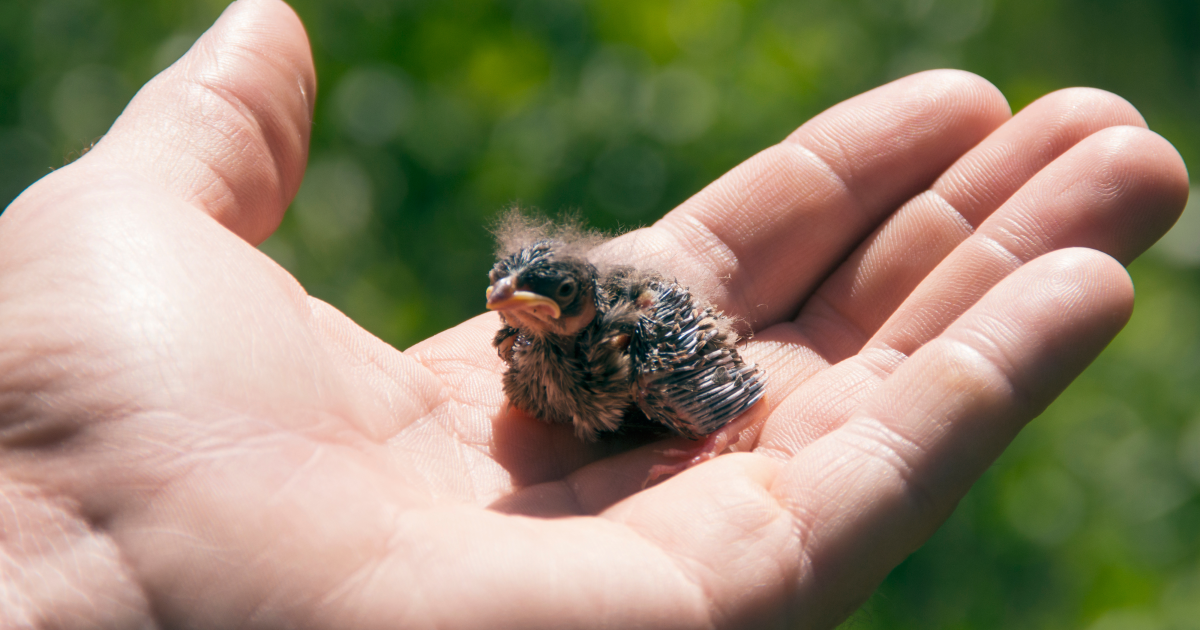
Fledgling birds often have soft, fluffy feathers. Their feathers may look uneven or patchy. They usually have short tails and wings. Their eyes are open and alert. Fledglings show some ability to hop or flutter. They might appear clumsy or awkward on the ground. Their beaks are fully formed but may still look small. Their size is larger than nestlings but smaller than adults.
Difference Between Fledglings And Nestlings
Nestlings are younger and stay inside the nest. They have little to no feathers or soft down. Their eyes are often closed or barely open. Nestlings cannot hop or fly. They depend completely on their parents for warmth and food. Fledglings leave the nest but remain close. They can move around but still need care. Parents watch over fledglings and feed them outside the nest. Observing these differences helps decide the bird’s needs.
Safe Handling Techniques
Handling a fledgling bird requires a balance of care and caution. Safe handling techniques protect the fragile bird and reduce stress for both you and the little creature. Knowing when and how to touch a fledgling can make a significant difference in its recovery and growth.
When To Intervene
Not every fledgling on the ground needs your help. Birds often leave the nest before they can fully fly, and parents may still be nearby feeding them. Before stepping in, observe from a distance for at least an hour to see if the parents return.
If the bird is in immediate danger—like near a busy road or exposed to predators—intervention becomes necessary. Also, if the fledgling is visibly injured, cold, or lethargic, it’s time to act. Ask yourself: Could your presence cause more harm than good?
How To Gently Hold A Fledgling
When you decide to hold a fledgling, be calm and deliberate in your movements. Approach the bird slowly to avoid startling it. Use your fingers to softly encircle the bird’s body, supporting its chest without squeezing.
- Place your thumb and forefinger around the body just behind the wings.
- Support the bird’s feet gently with your other hand.
- Avoid touching the wings or tail feathers to prevent damage.
Keep your grip firm enough to prevent escape but gentle enough not to cause injury. Remember, the fledgling’s bones are delicate, and excessive pressure can hurt them. Have you noticed how a soft, confident touch calms the bird instantly?
Feeding Requirements
Fledgling birds need frequent feeding with soft, easy-to-digest foods. Use a small dropper or spoon to feed gently every few hours. Always keep their food fresh and warm for best results.
Caring for a fledgling bird can be a rewarding experience, but it requires attention to detail, especially when it comes to feeding. Understanding the right type of food and feeding schedule is crucial for the bird’s growth and health. Let’s dive into the essentials of feeding requirements to ensure your little feathered friend thrives.Types Of Food For Different Species
Different bird species have unique dietary needs. Sparrows, for instance, often need a protein-rich diet comprising insects like mealworms. In contrast, doves may require more grains and seeds. To determine the right food, observe the bird’s beak shape and natural habitat. A curved beak may indicate a diet of seeds, while a straight beak could suggest a preference for insects.Feeding Frequency And Methods
Young fledglings need frequent feedings, often every 15-30 minutes, during daylight hours. This might sound overwhelming, but it’s crucial for their rapid growth. Use a small syringe or dropper to feed the bird. Ensure the food is at room temperature and mimic the natural feeding posture by gently tilting the bird’s head slightly upwards. Have you ever wondered how often a young bird eats in the wild? Observing nature can provide insights into natural feeding rhythms. Consistent feeding not only aids in development but also builds trust between you and the bird. Feeding fledgling birds requires patience and a keen eye for detail. By adapting your approach to the specific needs of the species, you’ll be playing a vital role in their journey to adulthood.Creating A Suitable Environment
Creating a suitable environment is essential when caring for a fledgling bird. The right conditions help the bird stay healthy and grow strong. Every detail, from temperature to housing, matters more than you might expect.
Ideal Temperature And Lighting
Fledgling birds need a warm space because they can’t regulate their body heat well yet. Aim for a temperature between 85°F and 90°F (29°C to 32°C) during the first few days. You can use a heat lamp or a heating pad set on low to maintain this warmth.
Lighting should mimic natural daylight patterns. Keep the bird in a spot with indirect light for about 12 hours a day. Avoid harsh, direct sunlight that can overheat the bird quickly.
Have you noticed how quickly a room can get cold at night? Make sure your setup keeps the temperature steady without sudden drops. Consistency helps the bird feel safe and reduces stress.
Safe Housing Options
Choose a housing option that offers security and comfort. A small box lined with soft, clean cloth or paper towels works well. Make sure the box has enough ventilation but no drafts.
Wire cages can be dangerous for fledglings because their feet and wings are delicate. Instead, use containers with smooth sides to prevent injuries. You can also place a small, shallow dish of water nearby but out of reach to avoid spills.
Think about how you would want to feel if you were fragile and new to the world. Would you prefer a cramped, cold space or a cozy, warm one? Your bird feels the same way. Provide a calm, quiet area away from loud noises and pets to help it settle and grow.
Monitoring Health And Growth
Monitoring the health and growth of a fledgling bird is one of the most important tasks you’ll face as a caregiver. Staying alert to subtle changes can make the difference between a healthy bird and one that needs urgent care. Watching closely allows you to catch problems early and support your bird’s development effectively.
Common Signs Of Illness
Birds can’t tell you when they feel unwell, so you need to watch their behavior carefully. Look for signs like:
- Fluffed-up feathers that don’t settle
- Weakness or lack of energy
- Labored or noisy breathing
- Discharge from eyes or beak
- Unusual droppings – either too watery or too dry
If you notice any of these, don’t hesitate to consult a vet. Early detection can save your fledgling’s life.
Tracking Development Milestones
Each day brings new changes for a growing bird. Track milestones like feather growth, opening eyes, and increasing strength in wings.
Keep a simple journal or log to note progress. This can help you spot delays or irregular patterns.
For example, if feathers aren’t growing as expected by a certain age, it might mean nutritional adjustments are needed. Have you noticed how quickly your fledgling learns to perch or respond to sounds? These small victories tell you a lot about their development.
When To Release Back To Nature
Releasing a fledgling bird back to nature is a crucial step. It ensures the bird thrives in its natural habitat. Timing is everything. Release the bird too early, and it may not survive. Release it too late, and it may become dependent on human care. So, understanding when to release is vital.
Assessing Flight Readiness
Check if the bird can fly short distances. Observe its wing strength. Does it flap without struggle? Ensure it can land safely. Watch for balance during flight. A strong, steady flight is key.
Steps For A Successful Release
- Choose a safe, familiar location. The bird knows this area.
- Release during daylight. It helps with navigation.
- Provide a quiet environment. Avoid loud noises.
- Watch from a distance. Let it adapt naturally.
- Offer food nearby. Encourage self-feeding.
Avoiding Common Mistakes
Taking care of a fledgling bird is rewarding but challenging. Many well-meaning caregivers make mistakes that can harm the bird’s health or growth. Knowing what to avoid can make your care more effective and keep your little feathered friend safe and happy.
Overfeeding And Underfeeding
It’s easy to think you should feed your fledgling as much as possible, but overfeeding can cause digestive problems or choking. On the other hand, underfeeding slows growth and weakens their immune system.
Watch your bird’s crop (the small pouch on its throat). It should feel full but not hard or swollen after feeding. If you notice any changes in behavior or droppings, adjust the feeding amount accordingly.
Ask yourself: Are you feeding at regular intervals with the right portion size? Using a syringe or spoon, offer small amounts slowly to avoid overwhelming the bird.
Handling Stress And Disturbance
Young birds are fragile and can get stressed easily. Loud noises, sudden movements, or too much handling can cause them to panic or stop eating.
Try to create a calm environment with soft lighting and minimal disruptions. Limit handling to necessary moments like feeding or cleaning, and always be gentle.
Think about your own actions—could your excitement or impatience be stressing the bird? Sometimes, stepping back and giving them space is the best care you can provide.

Credit: www.reddit.com
Getting Professional Help
Taking care of a fledgling bird can be challenging. Some situations require expert help to ensure the bird’s safety and health. Knowing when to seek professional support is crucial. Wildlife rehabilitators have the skills and resources to care for young birds properly. Their guidance can make a big difference in the bird’s survival and recovery.
When To Contact Wildlife Rehabilitators
Contact wildlife rehabilitators if the bird is injured or weak. Signs include bleeding, broken wings, or inability to stand. If the bird is very young and alone, help is needed fast. Avoid feeding or handling the bird too much. Experts know the right way to care for fragile fledglings. They also have permits to care for wild animals legally.
Resources For Support
Many organizations offer support for wildlife emergencies. Local animal shelters can provide contacts for rehabilitators. National wildlife agencies maintain lists of licensed caregivers. Online directories help find nearby professionals quickly. Some hotlines operate 24/7 for urgent cases. Keep a list of these resources handy during outdoor activities.

Credit: www.birdtlc.org
Frequently Asked Questions
How Do I Feed A Fledgling Bird Properly?
Feed fledgling birds soft, nutritious foods like soaked dog kibble or mealworms. Avoid bread or milk. Feed small amounts every 20-30 minutes during daylight.
When Should I Release A Fledgling Bird Outdoors?
Release the fledgling once it shows strong flight and can find food independently. This usually happens 2-3 weeks after fledging.
How Do I Keep A Fledgling Bird Warm?
Keep the fledgling in a warm, quiet place. Use a heating pad under half the box set to low. Avoid overheating.
Can I Handle A Fledgling Bird Without Harming It?
Handle the bird gently and minimally. Use clean hands to avoid stress or injury. Limit contact to necessary care only.
Conclusion
Caring for a fledgling bird takes patience and gentle care. Feed it often with proper food and keep it warm. Watch for signs of illness and keep its space clean. Handling the bird softly helps build trust and comfort. Remember, your care helps the bird grow strong and healthy.
Every small step counts in helping it survive. Stay calm and enjoy watching the little bird learn to fly. Your effort makes a big difference in its life.




