
Finding a baby bird in need of help can be both heart-wrenching and overwhelming. You want to save it, but you might wonder where to start or if you’re doing the right thing.
What if you could learn simple, effective steps to nurse that tiny bird back to health? You’ll discover exactly what to do to give your little feathered friend the best chance at recovery. Keep reading, and soon you’ll feel confident and ready to make a real difference.

Credit: www.reddit.com
Recognizing Baby Bird Distress
Baby birds can get hurt or sick easily. Knowing how to spot signs of distress helps you care for them quickly.
Not all baby birds need help. Some signs mean they are in danger and need care right away.
Common Signs Of Injury
Look for these signs to know if a baby bird is injured or unwell. Early action can save its life.
- Visible wounds or bleeding
- Swelling or deformity in wings or legs
- Weakness or inability to stand
- Fluffed up feathers and cold body
- Unusual quietness or lethargy
- Difficulty breathing or gasping
- Seizures or uncontrolled movements
When To Intervene
Knowing the right moment to help a baby bird is important. Intervene only if the bird is in danger or hurt.
| Condition | Action Needed |
| Injured or bleeding | Take to a wildlife rehabilitator or vet |
| Cold and weak | Warm gently and seek help |
| Feathers fluffed but active | Observe; may be resting |
| Found on ground but alert | Leave it if parents are nearby |
| In immediate danger (cats, cars) | Move to safe nearby spot |
Preparing A Safe Environment
Nursing a baby bird back to health needs a calm and safe place. This helps the bird feel secure and heal faster.
Setting up the right environment is the first step. It includes making a warm nest and choosing a good container.
Creating A Warm Nest
Baby birds cannot keep themselves warm. A warm nest helps keep their body temperature steady.
Use soft materials that do not hurt the bird’s skin. Keep the nest clean and dry at all times.
- Use clean tissues or paper towels as bedding
- Place a soft cloth or fleece on top
- Avoid cotton balls; they can stick to feathers
- Check the nest temperature regularly
Choosing The Right Container
Pick a container that protects the baby bird from danger. It should be small enough to feel cozy but big enough to move.
The container must have proper airflow. Avoid anything with sharp edges or gaps where the bird can get stuck.
- Use a small box, basket, or plastic container
- Make sure the container is sturdy and stable
- Cut small holes for air circulation if needed
- Line the bottom with the warm nest materials
Feeding Essentials
Nursing a baby bird requires careful feeding to help it grow strong. Feeding the right food at the right time is very important.
Understanding what to feed and how often to feed will give the bird the best chance of survival. Let’s explore these key points.
What To Feed Baby Birds
Baby birds need soft, easy-to-digest food that matches their natural diet. Different species eat different foods, but most need protein-rich meals.
Common feeding options include soaked dog or cat food, mealworms, or special baby bird formula. Avoid bread or milk, as these can harm the bird.
- Soaked dry dog or cat kibble (softened in water)
- Hard-boiled eggs mashed finely
- Mealworms or small insects
- Commercial baby bird formula (available at pet stores)
- Fresh fruits and vegetables in small amounts (for older nestlings)
Feeding Frequency And Techniques
Baby birds need to eat often because they have fast metabolisms. Feeding should happen every 15 to 30 minutes during daylight hours.
Use a small syringe or dropper to feed gently. Make sure food is warm but not hot. Never force food down the throat.
- Feed every 15-30 minutes from dawn to dusk for hatchlings
- Older babies can be fed every 30-45 minutes
- Keep food warm, around body temperature
- Use a small syringe or tweezers to place food carefully
- Watch for signs of choking or distress and stop if needed
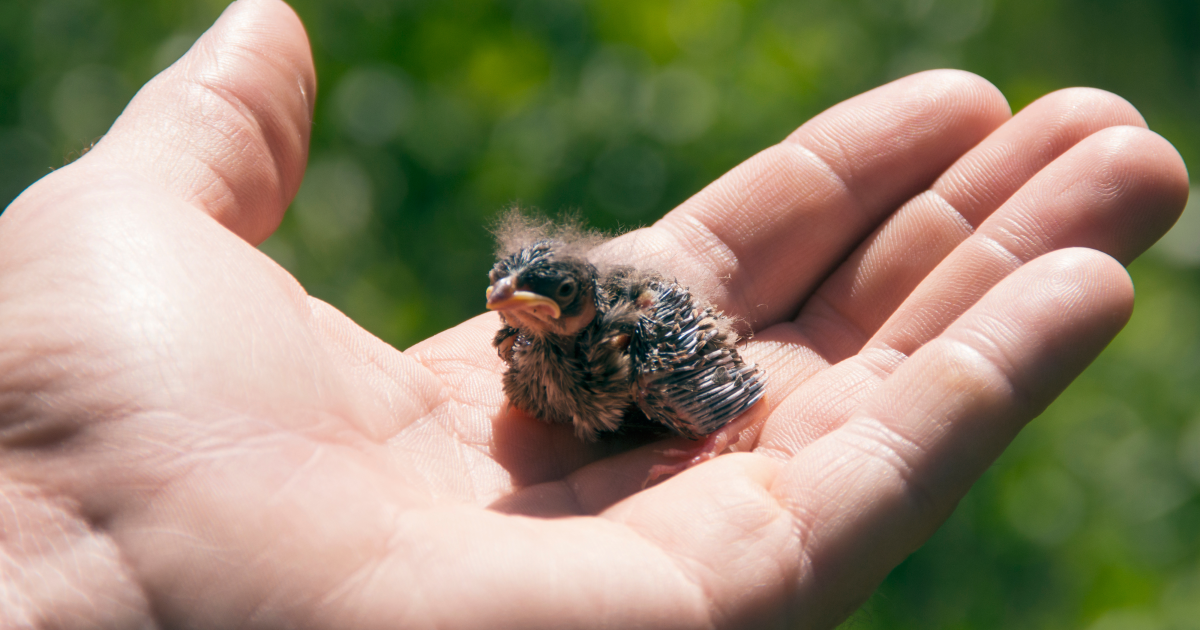
Credit: pethelpful.com
Hydration Tips
Nursing a baby bird back to health requires careful attention to hydration. Water is essential for its survival and recovery.
Proper methods help ensure the bird receives enough fluids without causing harm.
Ensuring Proper Water Intake
Offer clean, fresh water frequently to keep the baby bird hydrated. Use a small syringe or dropper to feed water slowly.
- Warm the water to room temperature before feeding.
- Provide small amounts every 15 to 20 minutes.
- Watch for signs of dehydration like dry mouth or lethargy.
- Keep the bird calm and still during feeding to avoid stress.
Avoiding Aspiration
Aspiration happens if water enters the bird’s lungs, causing serious problems. Prevent this by feeding carefully.
| Common Causes | Prevention Tips |
| Feeding too fast | Feed slowly using a dropper or syringe |
| Incorrect feeding angle | Hold the bird upright or slightly tilted |
| Overfilling the mouth | Give small water drops only |
| Excessive water pressure | Apply gentle pressure on the syringe |
Monitoring Health Progress
Nursing a baby bird back to health takes careful watching. You must check the bird often to see how it is doing.
Monitoring helps you know if the bird is getting better or needs more care. Pay attention to small changes.
Tracking Weight And Growth
Weigh the baby bird every day at the same time. Use a small scale made for tiny animals.
Note the weight to see if it is growing. Healthy birds gain weight steadily. No gain or loss may mean a problem.
- Weigh the bird daily
- Record the weight in a notebook
- Look for steady weight gain
- Watch for sudden weight loss
Signs Of Recovery Or Decline
Look for clear signs that the bird feels better. Bright eyes and active movement show recovery.
If the bird is weak, quiet, or stops eating, it may be getting worse. Check for these warning signs often.
- Bird is alert and responsive
- Eating and drinking well
- Feathers look smooth and clean
- Bird is active and moves normally
- Bird is lethargic or unresponsive
- Stops eating or drinking
- Feathers look ruffled or dirty
- Breathing is labored or noisy

Credit: www.reddit.com
When To Seek Professional Help
Nursing a baby bird back to health can be challenging. It’s important to know when to seek professional help for the bird’s well-being. Here are key areas to consider.
Not all situations can be handled at home. Recognizing emergencies and contacting experts are crucial steps.
Identifying Emergencies
Some signs indicate that a bird needs immediate help. Recognizing these signs can save a bird’s life.
- Bleeding or open wounds
- Difficulty breathing
- Inability to stand or move
- Feathers fluffed for a long time
- Unresponsive to stimuli
Contacting Wildlife Rehabilitators
Wildlife rehabilitators are trained to care for injured birds. Contact them for expert assistance.
Here is a simple way to find a wildlife rehabilitator:
- Search online for local wildlife centers
- Call a nearby veterinarian for recommendations
- Use wildlife hotlines for immediate advice
Frequently Asked Questions
How Do I Feed A Baby Bird Safely?
Feed baby birds with a syringe or dropper gently. Use a formula made for baby birds or softened dog/cat food. Avoid giving bread or milk, as they harm birds. Feed small amounts frequently, every 15-20 minutes during daylight hours.
When Should I Seek Help For A Baby Bird?
Seek help if the bird is injured, weak, or cold. Contact a licensed wildlife rehabilitator or veterinarian. Prompt professional care improves survival chances. Avoid trying to raise wild birds without expertise.
How Do I Keep A Baby Bird Warm?
Keep the bird in a warm, quiet place. Use a heating pad set on low or a warm water bottle wrapped in cloth. Maintain temperature around 85-90°F for hatchlings, slightly cooler for older birds. Avoid overheating or direct heat contact.
What Environment Is Best For Nursing A Baby Bird?
Create a soft, secure nest with tissues or cloth. Keep it away from pets, loud noises, and direct sunlight. Ensure the area is clean and dry. This reduces stress and supports recovery.
Conclusion
Nursing a baby bird needs patience and care. Watch the bird’s health every day. Offer food that matches its needs. Keep the bird warm and safe always. Small steps can bring big changes. Trust your efforts and keep learning. Help the bird grow strong and healthy.
Every little action counts in healing. Your kindness gives the bird a chance. Caring hands can save a tiny life.




