
Have you ever noticed tiny flies buzzing around your bird feeder and wondered why they’re there? If you love watching birds but hate dealing with pesky flies, you’re not alone.
Understanding whether bird feeders attract flies can help you keep your outdoor space clean and enjoyable. You’ll discover what really draws flies to your feeder and simple steps you can take to keep them away—so you can focus on the birds, not the bugs.
Keep reading to learn how to make your feeder a fly-free zone!
Why Flies Are Drawn To Bird Feeders
Bird feeders often attract more than just birds. Flies find these spots appealing too. Their attraction ties closely to available food and the environment around feeders. Understanding why flies gather helps manage their presence effectively.
Food Sources That Attract Flies
Flies seek out sugary and protein-rich foods. Bird feeders often have spilled seeds and fruit bits. These leftovers provide easy meals for flies. Nectar feeders or feeders with suet attract flies more. The sweet liquids and fats are irresistible to them. Rotting fruit near feeders also draws flies. Any decaying organic matter acts as a strong lure. Even bird droppings can attract flies to the area.
Environmental Factors Increasing Fly Presence
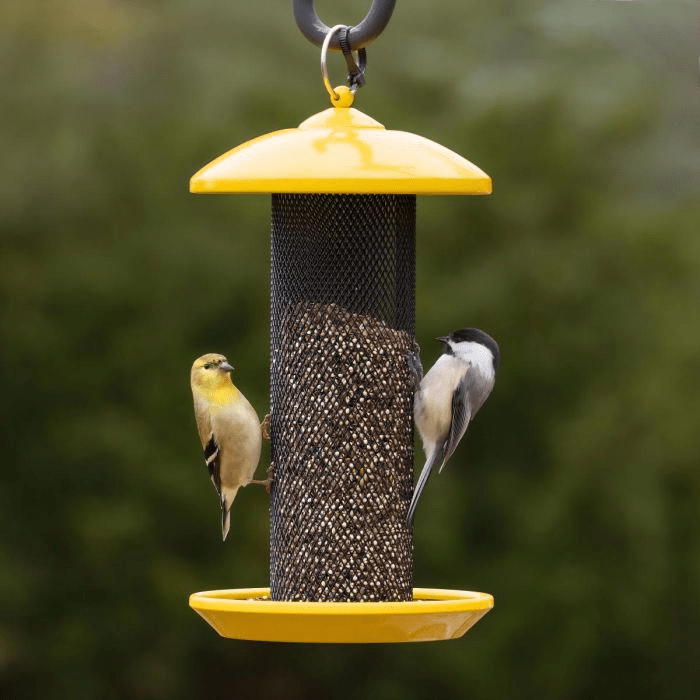
Warm and humid weather boosts fly activity. Bird feeders placed near trash or compost piles attract more flies. Standing water near feeders serves as breeding grounds. Shaded or sheltered areas keep flies comfortable longer. Lack of natural predators around feeders allows fly populations to grow. Crowded feeding spots with many birds create more waste, which flies love. Proper placement and cleanliness reduce the chances of fly buildup.
Credit: www.kingsyard.com
Common Types Of Flies Around Feeders
Bird feeders often attract more than just birds. Various types of flies also gather around them. These flies are drawn by spilled seeds, sugary liquids, and decaying matter. Knowing the common types helps to manage and reduce their presence effectively.
House Flies
House flies are the most common type found near feeders. They are gray with dark stripes on their bodies. These flies feed on a variety of organic material. They are attracted to spilled birdseed and sweet liquids. House flies can carry germs, making them a concern.
Fruit Flies
Fruit flies are small and often red-eyed. They are drawn to fermenting fruit and sugary substances. Bird feeders with fruit or sweet nectar can attract these flies. They multiply quickly, especially in warm weather. Fruit flies are usually a nuisance but do not bite.
Blowflies
Blowflies are larger and metallic in color, often green or blue. They are attracted to decaying organic matter. If a feeder has rotting food or dead insects, blowflies will appear. These flies are important for decomposition but can be unpleasant near feeders. Their presence signals the need for cleaner feeding areas.
Feeders That Minimize Fly Attraction
Choosing bird feeders that reduce fly attraction can make your backyard a more pleasant place. Flies are drawn to sticky, sugary residues and open food sources, but certain feeder designs and materials can help keep them at bay. Understanding what features to look for will help you enjoy birdwatching without the nuisance of flies buzzing around.
Design Features To Look For
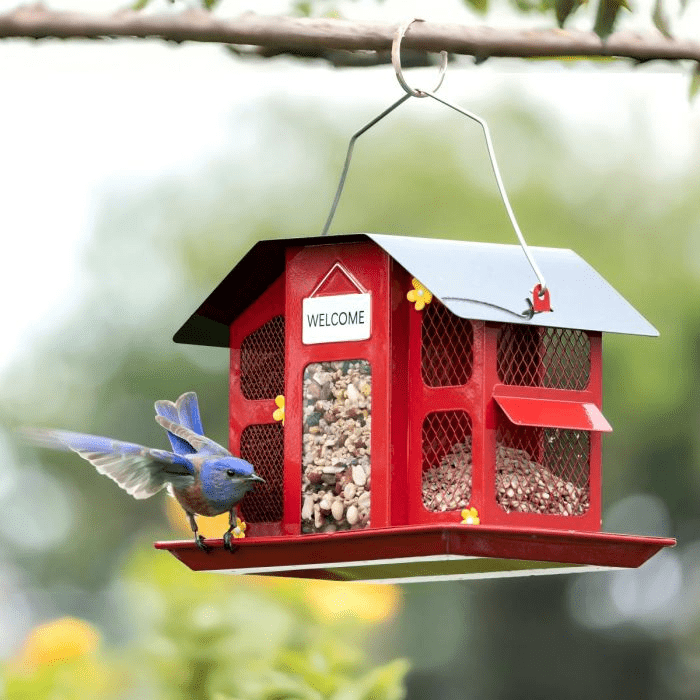
Look for feeders with covered feeding ports or enclosed seed compartments. These designs limit exposed food, making it harder for flies to land and feed.
Feeders with drainage holes also help by preventing moisture buildup, which attracts flies and other insects. A dry feeding area keeps flies away and maintains seed quality.
Consider feeders with easy-to-clean parts. Regular cleaning prevents sticky residues that attract flies. Have you noticed how a neglected feeder becomes a fly magnet?
Choosing The Right Feeder Material
Materials that resist sticky buildup are better for minimizing fly problems. Metal feeders, for example, don’t absorb moisture or odors like wood or plastic can.
Plastic feeders can work if they are smooth and easy to clean, but rough surfaces trap food particles and attract flies. Glass feeders are less common but highly resistant to residue buildup.
Think about durability too. A feeder that holds up well to weather means fewer cracks and crevices where flies can hide or breed. What material has lasted longest in your experience?
Credit: www.kingsyard.com
Placement Strategies To Reduce Flies
Proper placement of bird feeders can help reduce the number of flies around them. Flies are drawn to food and moisture, so placing feeders thoughtfully is key. This section explores how to position feeders to keep flies away while still attracting birds.
Ideal Locations For Feeders
Choose shady spots to keep feeders cool and dry. Sunlight can warm the feeder, increasing moisture and attracting flies. Place feeders away from compost piles or garbage bins. These areas often draw many flies.
Elevate feeders at least five feet above the ground. This height discourages some crawling insects and makes it harder for flies to gather. Position feeders near bird-friendly plants. They provide natural cover and encourage bird visits without attracting flies.
Avoiding Fly Hotspots
Keep feeders away from stagnant water sources. Flies breed in standing water, so avoid ponds or birdbaths nearby. Regularly clean the area under feeders. Fallen seeds and debris attract flies quickly.
Monitor wind direction before placing feeders. Strong breezes help keep flies away. Avoid placing feeders near outdoor trash cans or grills. These spots tend to have more flies and unwanted odors.
Cleaning Tips To Prevent Flies
Flies are attracted to bird feeders because of leftover food and spilled seeds. Keeping feeders clean helps reduce flies and keeps birds safe. Simple cleaning habits can make a big difference.
Regular Maintenance Routines
Clean bird feeders often to stop flies from gathering. Check feeders every few days for mold or old seeds. Remove wet or spoiled food quickly. Empty seed trays and wash them regularly. Wipe surfaces with a dry cloth to remove debris. Keeping a schedule prevents flies from breeding near feeders.
Safe Cleaning Solutions
Use gentle cleaners that do not harm birds. A mix of warm water and mild soap works well. Rinse feeders thoroughly to remove soap residue. Avoid strong chemicals like bleach or ammonia. Vinegar diluted with water is a natural and safe option. Let feeders dry completely before refilling to stop mold growth.
Natural Repellents To Keep Flies Away
Bird feeders can attract flies because of spilled seeds and sweet bird food. Natural repellents like herbs and essential oils help keep flies away gently and safely. Using plants such as mint or basil near feeders reduces fly visits.
Natural repellents offer an eco-friendly way to keep flies away from bird feeders. These solutions use nature’s own defenses to deter pesky insects. They are safe, effective, and easy to use. Here’s how you can use herbs, plants, and essential oils to manage flies around your bird feeders.Herbs And Plants That Deter Flies
Certain herbs and plants naturally repel flies. Basil, mint, and lavender are excellent choices. These plants release fragrances that flies dislike. Place pots of these herbs near your bird feeders. They not only repel flies but also add beauty to your garden. Marigolds are another option. Their bright colors and scent keep flies at bay. Plant them around the area where you hang feeders. This creates a natural barrier against flies.Essential Oils And Sprays
Essential oils can be powerful fly repellents. Oils like eucalyptus, peppermint, and lemon are effective. Mix a few drops with water in a spray bottle. Spray this solution around the bird feeder area. It creates an invisible shield against flies. You can also make your own fly-repellent spray. Combine essential oils with witch hazel or vinegar. This boosts the repellent effect. Apply it regularly for best results.Additional Methods To Control Fly Problems
Dealing with flies around your bird feeders can be frustrating. Luckily, there are practical ways to cut down on these pesky visitors without harming the birds. You might find that combining different strategies works best to keep your outdoor space comfortable and fly-free.
Using Traps And Barriers
Fly traps can be a game changer. You can use sticky traps or baited containers placed a few feet away from your bird feeders. This keeps flies attracted to the traps instead of your bird food.
Barriers also work well. Consider installing mesh screens or netting around the feeding area. This simple step can prevent flies from reaching the feeders while still allowing birds easy access.
Combining Multiple Approaches
One strategy often isn’t enough. You might need to mix traps, barriers, and regular cleaning to see real results. For instance, cleaning spilled seeds daily reduces fly attraction, while traps catch those that linger.
Have you tried pairing fly traps with natural deterrents like basil or mint plants nearby? Many people find that this combo helps keep flies at bay without chemicals. Think about what fits your outdoor setup and test different tactics to find what works best for you.
Credit: chirpforbirds.com
Frequently Asked Questions
Do Bird Feeders Attract Flies To My Garden?
Yes, bird feeders can attract flies. Leftover seeds and spilled nectar create a food source for flies, drawing them in.
How Can I Reduce Flies Around Bird Feeders?
Clean feeders regularly and remove spilled food. Use fly-repellent plants nearby to naturally minimize flies.
Are Certain Bird Feeders Less Attractive To Flies?
Yes, feeders without nectar or sugary residues attract fewer flies. Seed-only feeders usually draw fewer flies than nectar feeders.
Why Do Flies Prefer Some Bird Feeders Over Others?
Flies are drawn to sugary or decaying food. Feeders with fresh nectar or moldy seed mix attract more flies.
Conclusion
Bird feeders can sometimes attract flies, but not always. Flies come for leftover food and spilled seeds. Keeping feeders clean helps reduce flies around them. Choosing feeders designed to limit spills also works well. Watching birds enjoy food is worth some small effort.
You can enjoy bird watching without too many flies nearby. Simple care keeps your garden pleasant and inviting.




