
Are you worried that adding a bird bath to your garden might invite unwanted guests like snakes? You’re not alone.
Many people love watching birds splash and play but fear that these water sources could attract snakes to their yard. The truth might surprise you—and knowing what really draws snakes can help you protect your outdoor space without giving up on your feathered friends.
Keep reading to discover whether bird baths truly invite snakes and how you can keep your garden safe and enjoyable.
Why Snakes Visit Bird Baths
Bird baths attract more than just birds. Snakes often visit these spots too. Understanding why snakes come to bird baths helps manage your outdoor space. They find bird baths useful for several reasons related to survival.
Water Source Appeal
Snakes need water to live. Bird baths provide an easy way to drink. The shallow water is safe and accessible. This makes bird baths a reliable water source for snakes. They visit regularly to stay hydrated, especially in dry weather.
Hunting Opportunities Nearby
Bird baths attract small animals and insects. These creatures are food for snakes. Birds, frogs, and rodents often come to drink or feed. Snakes wait near bird baths to catch prey. It is a strategic hunting spot for them.
Shelter And Hiding Spots
Plants and structures around bird baths offer good hiding places. Snakes use these spots to avoid predators. They also rest in shaded, cool areas near the water. The cover helps snakes stay safe and hidden.
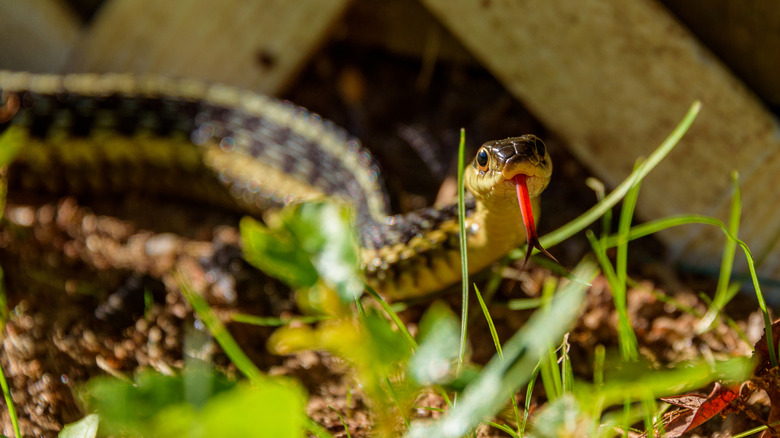
Credit: www.outdoorguide.com
Types Of Snakes Commonly Found Near Bird Baths
Bird baths often attract more than just birds. They provide water and shelter, which can draw various wildlife, including snakes. Understanding the types of snakes near bird baths helps you stay safe and aware. Snakes are usually drawn by the presence of water or small animals that visit these spots.
Different regions have different snake species. Some are harmless, while others can be dangerous. Knowing which snakes are common near bird baths lets you enjoy your garden with peace of mind.
Non-venomous Species
Many non-venomous snakes live near bird baths. They help control pests by eating insects, frogs, and rodents. These snakes rarely pose a threat to humans.
- Garter Snakes – Common in many areas, they are shy and avoid people.
- Rat Snakes – Often found climbing trees near bird baths, they control rodent populations.
- Water Snakes – These snakes enjoy wet areas and feed on fish and amphibians.
- King Snakes – Known for their striking patterns, they eat other snakes and pests.
Venomous Species To Watch For
Some venomous snakes may also visit bird baths. They usually come in search of water or prey. These snakes should be treated with caution.
- Copperheads – Often found in wooded areas, they blend well with leaf litter.
- Rattlesnakes – These snakes prefer dry, rocky places but may venture near water.
- Water Moccasins (Cottonmouths) – Common near water, they have a strong bite.
Recognizing these snakes helps avoid dangerous encounters. Keep bird baths clean and clear to reduce snake visits.
Bird Bath Design And Snake Attraction
Bird bath design plays a key role in attracting or deterring snakes. Certain shapes, materials, and placements influence how safe or inviting the bath feels to snakes and birds alike. Understanding these design elements helps keep your yard snake-free while still welcoming birds for a drink or bath.
Material And Shape Effects
Bird baths made of smooth materials like ceramic or metal are less appealing to snakes. Rough or porous surfaces offer hiding spots and grip for snakes to climb. Rounded shapes with no edges limit places for snakes to rest. Flat, wide basins provide easier access for birds and discourage snakes from lingering.
Placement In The Yard
Placing bird baths in open areas reduces snake visits. Snakes prefer spots near dense bushes or tall grass for cover. Avoid placing baths close to woodpiles, compost heaps, or stone walls where snakes hide. Keep baths visible from windows for easier monitoring.
Depth And Accessibility
Shallow bird baths with gently sloping sides help birds drink safely. Deep water encourages snakes to swim and hunt near the bath. Installing baths with a height of at least two feet limits ground access for snakes. Adding perches or stones inside the bath helps birds escape if snakes appear.

Credit: bestlifeonline.com
How To Keep Snakes Away From Bird Baths
Bird baths can sometimes attract snakes because they provide water and shelter. Keeping the area clean and placing baths away from dense plants helps reduce snake visits. Using smooth, open surfaces makes it harder for snakes to hide nearby.
Keeping snakes away from bird baths is a common concern for bird lovers. Snakes are often drawn to areas with water, food, and shelter. Bird baths can provide these conditions, making them potential snake magnets. Fortunately, there are effective ways to deter snakes and ensure a safe haven for birds.Regular Cleaning And Maintenance
Regularly clean the bird bath to prevent snake attraction. Remove old water and debris frequently. Clean water discourages insects and rodents, which attract snakes. A tidy area around the bird bath also deters snakes.Using Natural Repellents
Natural repellents can help keep snakes away. Essential oils like clove or cinnamon can be effective. Spray them around the bird bath area for a natural barrier. Some people use sulfur or mothballs, but these can harm wildlife. Always choose safe, natural options.Landscaping Tips
Strategic landscaping can deter snakes from bird baths. Keep grass short and bushes trimmed. This removes hiding spots for snakes. Use gravel or mulch around the bath to make it less appealing. Avoid dense ground covers where snakes can hide.Benefits Of Bird Baths Despite Snake Risks
Bird baths offer many benefits, even if snakes sometimes visit them. These shallow water spots attract birds and other animals. The advantages often outweigh the small risk of snakes appearing. Bird baths create a lively, healthy environment for local wildlife and add charm to gardens. Understanding these benefits helps gardeners make smart choices about outdoor spaces.
Supporting Local Wildlife
Bird baths provide fresh water for many animals. Birds, squirrels, and butterflies come to drink and bathe. This helps them survive, especially in dry seasons. Water sources in neighborhoods are not always easy to find. A bird bath acts as a vital stop for thirsty creatures. It supports the balance of local ecosystems.
Promoting Bird Health
Clean water in bird baths helps birds stay healthy. Bathing removes dirt and parasites from feathers. Drinking water keeps them hydrated and active. Healthy birds can better resist diseases and predators. The bath also encourages natural behaviors like preening. These behaviors are important for bird survival.
Enhancing Garden Aesthetics
Bird baths add beauty to any garden space. Their shapes and materials fit many garden styles. Watching birds visit creates a peaceful, joyful atmosphere. The sound of splashing water calms the mind. Gardens with bird baths feel more alive and inviting. They become a favorite spot for relaxation and nature appreciation.

Credit: www.callnorthwest.com
When To Seek Professional Help
Knowing when to call a professional can save you from dangerous encounters with snakes attracted to your bird bath. Not all snakes are harmful, but some can pose serious risks to you and your family. Understanding the signs and taking the right steps will help you handle the situation safely and effectively.
Identifying Dangerous Snakes
Spotting a snake near your bird bath can be unsettling, but identifying whether it’s dangerous is crucial. Venomous snakes often have distinct markings, triangular heads, or slit-like pupils. If you see a rattler’s tail or bright warning colors, it’s best to avoid any interaction.
Have you ever tried to tell a harmless garter snake from a venomous copperhead? It’s harder than it looks. When in doubt, treat the snake as a potential threat and seek expert advice.
Safe Removal Practices
Attempting to remove a snake yourself can lead to bites or accidental harm. Professionals use specialized tools and techniques to ensure the snake is captured and relocated safely. They also know how to handle the snake without stressing it unnecessarily.
Remember, even non-venomous snakes can bite if provoked. Keep a safe distance, clear the area, and call a licensed wildlife removal expert. Your safety and the snake’s well-being depend on careful handling.
Preventive Measures
After the snake is removed, preventing future visits is key. You can reduce attractants by keeping your bird bath clean and placing it away from dense bushes or woodpiles where snakes like to hide.
- Use fresh water daily to discourage stagnant water lovers like mosquitoes and snakes.
- Trim tall grass and remove debris around your yard.
- Consider installing a snake-proof barrier if snakes are common in your area.
Have you checked your yard for potential snake shelters lately? Small changes in your landscape can make a big difference in keeping snakes at bay.
Frequently Asked Questions
Do Bird Baths Attract Snakes To My Garden?
Bird baths can attract snakes, but indirectly. Snakes come for water and prey like frogs or rodents near baths. Proper maintenance reduces snake visits by limiting hiding spots and food sources.
How To Prevent Snakes Near Bird Baths?
Keep the area clean and free of tall grass or debris. Regularly change water to avoid stagnant pools. Use snake repellents or barriers if necessary to deter snakes effectively.
Are Snakes Harmful Around Bird Baths?
Most snakes are harmless and avoid humans. However, some can be venomous. It’s best to identify local snake species and take precautions if venomous snakes are common.
Can Bird Baths Attract Snakes At Night?
Yes, snakes are often nocturnal and use bird baths for water at night. Ensuring the area is well-lit and tidy can help minimize snake activity during nighttime.
Conclusion
Bird baths can attract snakes, but it depends on the area. Snakes come for water and food like frogs or insects nearby. Keeping the bird bath clean helps reduce unwanted visitors. Place it away from tall grass or thick bushes.
Regular checks keep your yard safe and snake-free. Enjoy watching birds without worrying too much about snakes. Small steps make a big difference in your garden’s safety. Stay calm and watch nature with care.




