
Are you ready to take your bird watching to the next level? Choosing the right binoculars can make all the difference between a blurry glimpse and a stunning close-up of your feathered friends.
But with so many options out there, how do you find the perfect pair that fits your needs? In this guide, you’ll discover exactly which binoculars are best for bird watching, helping you see every detail clearly and enjoy your time outdoors like never before.
Keep reading, and get ready to spot birds with confidence and ease!
Credit: gearjunkie.com
Key Features For Bird Watching Binoculars
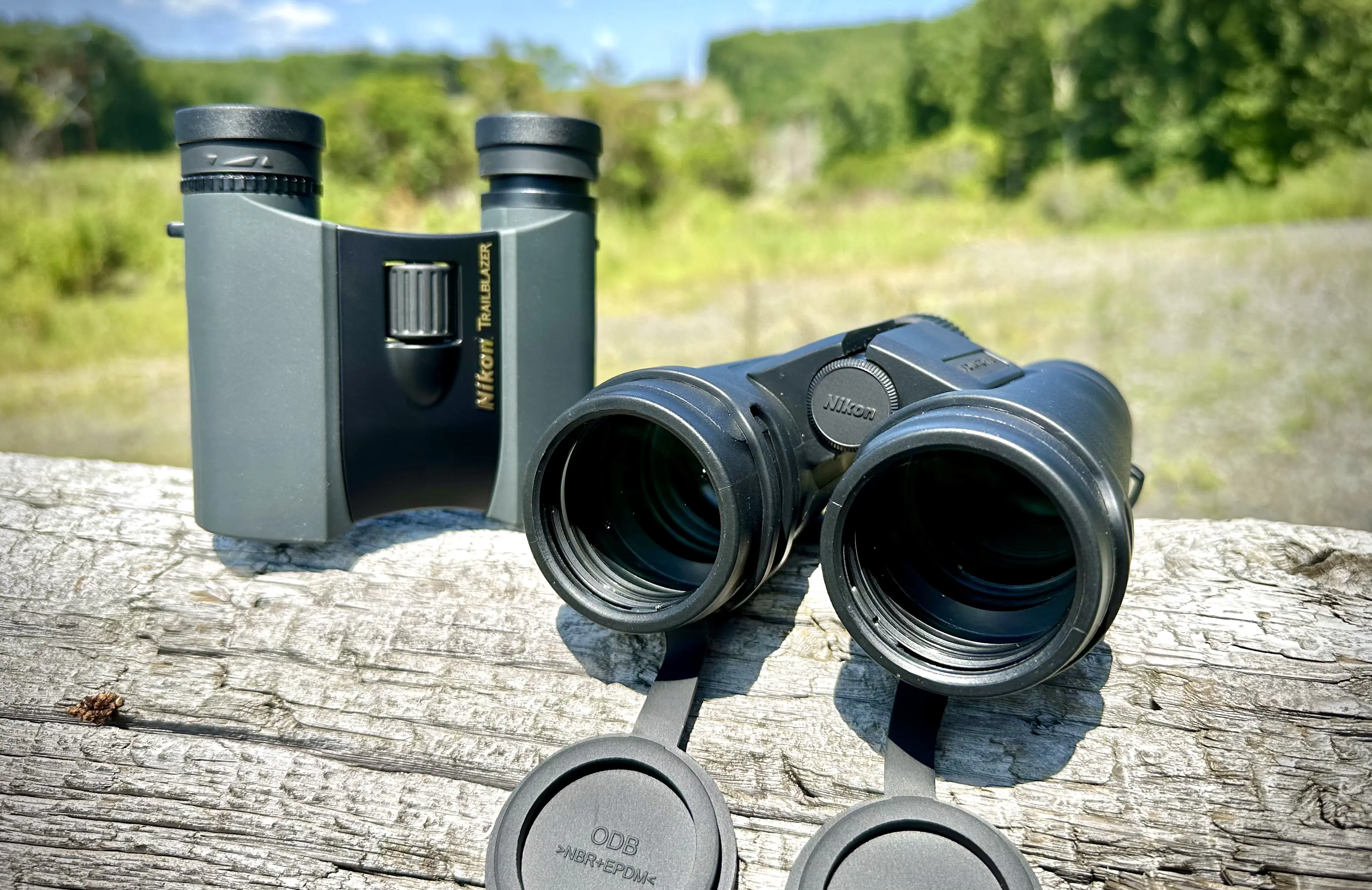
Choosing the right binoculars for bird watching means focusing on specific features. These features affect how clearly and comfortably you see birds. Good binoculars bring birds close while keeping the image bright and sharp. Understanding the key features helps select binoculars that fit your needs.
Magnification And Lens Diameter
Magnification shows how much closer birds appear. A 8x or 10x magnification is ideal for bird watching. Lens diameter controls how much light enters. Larger lenses bring brighter images but can be heavier. A common size is 42mm, balancing brightness and weight.
Field Of View Importance
Field of view means how wide an area you see. A wide view helps track moving birds easily. It shows more of the scene without moving the binoculars. Look for binoculars with at least 330 feet at 1000 yards.
Optical Coatings Explained
Coatings on lenses reduce glare and improve brightness. Fully multi-coated lenses give the best light transmission. This means clearer and sharper images. Coatings also protect lenses from scratches and dirt.
Eye Relief And Comfort
Eye relief is the distance your eyes stay from the binoculars. Longer eye relief helps people who wear glasses. Comfortable eyecups and soft rubber make viewing easier. Try binoculars with at least 15mm of eye relief.
Weight And Portability
Light binoculars are easier to carry on long trips. Heavy models cause arm strain and fatigue quickly. Compact designs fit in bags and pockets. Choose weight under 30 ounces for comfort during bird walks.
Credit: www.outdoorlife.com
Types Of Binoculars Suitable For Bird Watching
Choosing the right type of binoculars can transform your bird watching experience. Different designs offer unique benefits that suit various environments and birding styles. Understanding these options helps you pick binoculars that match your needs and enhance your outdoor adventures.
Roof Prism Binoculars
Roof prism binoculars have a straight, compact design that makes them easy to carry. They are lightweight and fit well in tight spaces like a backpack or jacket pocket. Their sleek shape often appeals to bird watchers who value portability without sacrificing image clarity.
However, roof prism models can be more expensive due to their complex internal prism alignment. If you spend a lot of time hiking to remote birding spots, their durability and compactness will pay off. Have you noticed how much easier it is to hold binoculars steady when they’re lighter?
Porro Prism Binoculars
Porro prism binoculars have a wider, more traditional shape with offset eyepieces. This design generally offers better depth perception and a brighter image for the price. Many bird watchers appreciate their wider field of view, which helps track fast-moving birds more easily.
On the downside, Porro prisms are bulkier and less streamlined. If you prefer a classic feel and don’t mind carrying a slightly larger pair, these binoculars could be perfect. Think about whether you prioritize image brightness or compactness during your birding trips.
Waterproof And Fogproof Models
Bird watching often takes you outdoors in varying weather conditions. Waterproof and fogproof binoculars keep your view clear in rain, mist, or humid environments. This feature prevents moisture from damaging the lenses and ensures consistent performance.
Choosing models with nitrogen or argon purging can stop internal fogging, saving you from frustrating moments when condensation blurs your sight. Imagine spotting a rare bird during a morning fog—wouldn’t you want crystal-clear vision regardless of the weather?
Overall, matching your binoculars to your birding style and environment ensures you don’t miss a single moment. Which features matter most to you during your bird watching adventures?
Top Binoculars For Beginners
Finding the right binoculars can make all the difference in your bird watching experience, especially if you’re just starting out. The best binoculars for beginners balance ease of use, clarity, and affordability. You want something lightweight yet powerful enough to bring those distant feathers into sharp focus.
Choosing the right pair means understanding what features matter most to you. Are you looking for something compact to carry on hikes? Or do you want wider lenses for brighter images during dawn and dusk? These questions help narrow down your options quickly.
What Makes Binoculars Ideal For Beginners?
Beginner-friendly binoculars should be simple to handle and adjust. Look for models with smooth focus wheels and comfortable eye relief to reduce strain during long viewing sessions. Weight is crucial too—heavy binoculars can tire your arms fast, making bird watching less enjoyable.
Another key factor is the size of the objective lens. A 32mm to 42mm lens offers a good balance between brightness and portability. Plus, a magnification of 8x is typically recommended because it provides enough zoom without too much shaking.
Top Recommended Binoculars For New Bird Watchers
| Model | Magnification & Lens | Weight | Price Range | Key Features |
|---|---|---|---|---|
| Nikon Prostaff 3S | 8×42 | 565g | $$ | Waterproof, Fully Multi-Coated Lenses, Good Low Light Performance |
| Vortex Diamondback 8×42 | 8×42 | 620g | $$$ | Durable, Excellent Image Quality, Fogproof |
| Bushnell Falcon 133410 | 7×35 | 400g | $ | Lightweight, Affordable, Decent Clarity |
How To Test Your Binoculars Before Buying
Hold the binoculars up and check how naturally your eyes line up with the eyepieces. Misalignment can cause double vision and headaches. Adjust the interpupillary distance by moving the barrels closer or farther apart until you get a single clear view.
Next, try focusing on a bird or distant object. Is the focus ring smooth and quick? Can you easily adjust without losing the subject? Handling the binoculars in natural light conditions similar to your usual birding environment can reveal how well they perform.
Tips For Caring For Your Beginner Binoculars
Always keep the lenses clean but avoid wiping them with rough materials. Use a microfiber cloth or lens brush to gently remove dust and smudges. Store your binoculars in a protective case when not in use to prevent scratches and damage.
Consider investing in a neck strap or harness to reduce fatigue during long walks. Proper care extends the life of your binoculars and helps maintain image quality. Have you checked your gear’s condition recently? Small maintenance steps can improve your bird watching enjoyment significantly.
Best Binoculars For Experienced Birders
Experienced birders demand more from their binoculars. They need clear images, strong build, and easy focus. These features help them see fine details of birds far away. The best binoculars for experienced birders offer high magnification and wide views. They perform well in different light conditions and last through many birding trips.
Choosing the right binoculars can improve the birdwatching experience. It lets birders spot and identify birds faster and with less effort. Here are key features and top picks for serious bird watchers.
Optical Quality And Magnification
High-quality lenses provide sharp, bright images. Experienced birders prefer 8x to 10x magnification. This range balances detail and stability. Extra magnification can make the image shaky without a tripod. Fully multi-coated lenses improve light transmission. This helps in low light, such as dawn or dusk.
Durability And Weather Resistance
Binoculars must withstand rain, dust, and rough handling. Waterproof and fog-proof models are essential. Rubber armor protects against bumps and drops. A sturdy frame ensures the binoculars last for years. Experienced birders often choose models with sealed O-rings.
Eye Relief And Comfort
Long eye relief is important for those who wear glasses. Comfortable eyecups and lightweight design reduce eye strain. Adjustable focus knobs allow quick changes. This helps track moving birds easily. Comfortable binoculars encourage longer birdwatching sessions.
Popular Models For Experienced Birders
| Model | Magnification | Weight | Features |
|---|---|---|---|
| Vortex Viper HD | 8×42 | 20.9 oz | HD lenses, waterproof, rubber armor |
| Nikon Monarch 7 | 10×42 | 21.3 oz | ED glass, waterproof, lightweight |
| Zeiss Terra ED | 8×42 | 22 oz | Wide field of view, waterproof, durable |
Additional Tips For Experienced Birders
- Test binoculars before buying for comfort and clarity.
- Use a harness or strap to reduce neck strain.
- Clean lenses regularly with a microfiber cloth.
- Practice focusing quickly on different birds.
- Store binoculars in a protective case when not in use.
Premium Binoculars For Serious Bird Watchers
Premium binoculars can transform your bird watching experience from ordinary to exceptional. They offer sharper images, brighter views, and durability that withstands the toughest outdoor conditions. If you’re serious about spotting every feather detail and color, investing in top-tier optics is a smart move.
Optical Quality And Magnification
High-end binoculars come with superior lenses and coatings that enhance light transmission. This means clearer, crisper images even during early mornings or late evenings when birds are most active.
Look for magnification between 8x and 10x. This range provides a good balance between zoom power and stability. Have you ever tried 12x or more? It often makes the image shaky unless you use a tripod.
Build And Weather Resistance
Premium models usually feature rugged builds with waterproof and fog-proof seals. This protects your binoculars from rain, humidity, and sudden temperature changes.
Imagine being out in a misty forest and still seeing every tiny movement. That reliability means you won’t miss that rare bird just because of bad weather.
Comfort And Handling
Serious bird watchers spend hours scanning treetops. Ergonomic design with non-slip grips and lightweight materials makes a huge difference.
Try holding your binoculars after a long walk. If they feel heavy or awkward, you might lose focus. Premium options often offer adjustable eyecups and smooth focusing wheels for quick, precise adjustments.
Additional Features Worth Considering
- Wide Field of View:Helps track fast-moving birds easily.
- Close Focus Distance:Lets you observe birds at very short ranges.
- Tripod Compatibility:Useful for extended viewing sessions.
Which features matter most to you based on your bird watching style? Knowing this can guide you toward the binoculars that match your needs perfectly.
Budget-friendly Options Without Sacrificing Quality
Affordable binoculars can offer clear views and solid build for bird watching. Many budget models provide sharp images without high costs. Choosing the right pair means enjoying nature without overspending.
Bird watching is a delightful hobby that invites you to explore the wonders of nature. But you might wonder if it’s possible to find quality binoculars without breaking the bank. Yes, you can! There are budget-friendly options that provide excellent clarity and durability, perfect for both beginners and seasoned bird watchers. Let’s dive into some great choices that won’t leave your wallet empty.Understanding Key Features On A Budget
When selecting affordable binoculars, focus on essential features like magnification and lens diameter. A pair with 8×42 specifications strikes a balance between clarity and field of view. These options often provide bright, crisp images, allowing you to spot those elusive birds. Consider the binoculars’ weight and grip. Lightweight models with a comfortable grip enhance your bird-watching experience, especially during long sessions.Top Budget Brands To Consider
Brands like Celestron and Bushnell offer models that are both affordable and reliable. Celestron’s Nature DX series, for example, is a favorite among enthusiasts. It delivers sharp images and is robust enough for outdoor adventures. Bushnell, known for its durability, offers models with multi-coated lenses that improve image quality in various lighting conditions. Their customer service is also commendable, ensuring you feel supported in your purchase.Personal Experience: A Budget-friendly Binocular Adventure
I remember my first bird-watching trip with a pair of budget binoculars. The thrill of spotting a vibrant cardinal was unmatched. Despite the low price, the binoculars offered clear images and were easy to carry. This taught me that you don’t need to spend a fortune to enjoy bird watching. With the right pair, even a simple walk in the park can turn into an exciting adventure.Tips For Maximizing Your Budget Purchase
Once you’ve chosen your binoculars, keep them in good condition by storing them in a protective case. Regular cleaning with a lens cloth can prolong their life and maintain image clarity. Consider joining local bird-watching groups. These communities often share tips and experiences that can enhance your enjoyment and knowledge of your new hobby. Are you ready to explore the avian world with a pair of budget-friendly binoculars? Your adventure awaits!Tips For Maintaining Your Binoculars
Keep binocular lenses clean by wiping them gently with a soft cloth. Store them in a dry place to avoid moisture damage. Regularly check for loose parts to ensure smooth focus and clear views.
Bird watching is a delightful hobby, offering a glimpse into the vibrant lives of our feathered friends. But to truly savor every moment, your binoculars need to be in top shape. Regular maintenance not only extends their life but ensures a clear, crisp view every time you raise them to your eyes. Let’s explore some practical tips for maintaining your binoculars to keep your bird-watching adventures as rewarding as possible.Cleaning Lenses Safely
Your binoculars’ lenses are the windows to the world of birds, so keeping them clean is essential. Start by using a soft, dry brush to gently remove any dust or debris. Avoid using your shirt or tissue, which can scratch the lenses. Invest in a good quality lens cleaning kit. Use the cleaning solution sparingly and always opt for a microfiber cloth. Your lenses deserve the same care you give your favorite pair of glasses.Proper Storage Techniques
Storing your binoculars correctly can prevent unnecessary damage. Always keep them in a padded case when not in use. This protects them from dust and unexpected knocks. Avoid leaving them in direct sunlight or humid places. Extreme conditions can warp their delicate components and affect performance. Imagine heading out for a birding trip only to find your binoculars fogged up or out of focus.Handling And Care
Handle your binoculars with care and respect. Always use the strap to carry them around your neck, preventing accidental drops. A fall could mean the end of your bird-watching fun for the day. Regularly check for loose screws or hinges. Tighten them gently to maintain the binoculars’ optimal function. Think of this as a small investment in many more hours of bird-watching joy. By following these simple maintenance tips, you ensure that your binoculars remain your trusty companions on every bird-watching adventure. What simple changes can you make today to better care for your bird-watching gear?:max_bytes(150000):strip_icc()/tal-opticron-oregon-4-pc-oasis-8x42-binocular-kathryn-braet-5-92012e7d06b945acbff37493422bab6a.jpeg)
Credit: www.travelandleisure.com
Additional Accessories To Enhance Bird Watching
Choosing the right binoculars is just the start of an enjoyable bird watching experience. Adding a few key accessories can make your outings more comfortable, your observations clearer, and your gear safer. These extras help you focus on the birds, not on fumbling with equipment or worrying about damage.
Binocular Harnesses And Straps
Carrying binoculars around your neck can quickly become tiring and even cause neck strain during long bird watching sessions. A binocular harness distributes the weight evenly across your shoulders and back, making it much more comfortable to carry your optics for hours.
Straps with quick-release clips also let you switch between holding your binoculars and using other gear without hassle. Have you noticed how a simple harness can change your whole day out in the field? It keeps your binoculars secure and always ready for action.
Lens Covers And Cleaning Kits
Protecting your lenses is crucial to maintain clear views. Lens covers shield your optics from dust, scratches, and moisture when you’re not using them. Without proper covers, even a small scratch can ruin your viewing experience.
Cleaning kits designed specifically for binocular lenses include microfiber cloths, lens cleaning solution, and brushes. Using these tools gently removes dirt and smudges without damaging the coatings. Have you ever tried wiping lenses with your shirt? It often causes more harm than good.
Tripods And Monopods
Holding binoculars steady for long periods can be challenging, especially with higher magnifications. Tripods or monopods stabilize your view, reducing hand shake and allowing you to observe details with ease.
Monopods are lighter and more portable, making them a great choice if you want quick setup and mobility. Tripods provide maximum stability, perfect for extended observation or photography. Which type fits your bird watching style better?
Frequently Asked Questions
What Magnification Is Best For Bird Watching Binoculars?
A magnification of 8x to 10x is ideal for bird watching. It offers a clear, stable view without excessive shake. Higher magnifications may reduce the field of view and image brightness.
Which Binocular Size Is Ideal For Bird Watching?
Compact binoculars with 32mm to 42mm objective lenses are perfect. They balance light gathering and portability, providing bright images and easy handling during long birding sessions.
Are Waterproof Binoculars Necessary For Bird Watching?
Yes, waterproof binoculars protect against rain, moisture, and fog. They are durable and suitable for outdoor bird watching in various weather conditions, ensuring clear vision.
What Prism Type Is Best For Bird Watching Binoculars?
Roof prism binoculars are compact and lightweight, ideal for birders. Porro prism binoculars offer better depth perception but are bulkier. Choose based on comfort and image quality preferences.
Conclusion
Choosing the right binoculars makes bird watching more fun and clear. Focus on size, weight, and lens quality for the best view. Comfort matters when you spend hours outside. Don’t forget to check durability and ease of use. Good binoculars bring birds closer and details sharper.
Take your time to find what fits your needs. Enjoy every moment in nature with the perfect pair. Happy bird watching!




