
Are you ready to capture stunning photos of birds in their natural beauty? Choosing the right camera can make all the difference between blurry shots and breathtaking images that truly stand out.
But with so many options out there, how do you find a good camera for bird photography that fits your needs and skill level? You’ll discover exactly what features to look for and how to pick a camera that helps you get closer to the birds—and closer to your best shots.
Keep reading, and you’ll be one step closer to turning your birdwatching moments into unforgettable photos.
Key Features For Bird Photography
Choosing the right camera for bird photography requires understanding key features. These features affect image quality and ease of capturing fast-moving birds. Knowing what to prioritize helps pick a camera that meets your needs.
Sensor Size And Resolution
The sensor size impacts image quality and detail. Larger sensors capture more light, producing clearer pictures. High resolution helps in cropping photos without losing detail. Both are important for sharp bird images.
Autofocus Speed And Accuracy
Birds move quickly and unpredictably. A fast autofocus system tracks birds in flight. Accurate autofocus keeps the bird sharp even in busy backgrounds. Look for cameras with advanced autofocus points and tracking features.
Lens Compatibility
Good lenses matter as much as the camera body. Telephoto lenses bring distant birds closer. Ensure your camera supports a wide range of lenses. This flexibility helps capture different bird sizes and behaviors.
Image Stabilization
Bird photography often requires long lenses and handheld shots. Image stabilization reduces blur from hand movement. This results in sharper images, especially in low light or at high zoom levels.
Weather Sealing
Birds appear in various environments. Weather sealing protects the camera from dust, rain, and moisture. Cameras with this feature last longer outdoors. It gives peace of mind during field trips in rough weather.

Credit: www.thephoblographer.com
Best Dslr Cameras For Birds
Choosing the best DSLR camera for bird photography is key to capturing sharp and detailed images. Birds move fast and often appear in challenging light. A good DSLR offers fast autofocus and high frame rates. It also delivers excellent image quality even at long distances. Here are some top DSLR options suited for bird photography.
High-end Models
High-end DSLR cameras offer advanced features for serious bird photographers. These models provide quick autofocus systems that track flying birds easily. They have large image sensors for crisp photos with natural colors. Many also support high-speed continuous shooting to catch fast movements.
- Nikon D500:Known for its fast autofocus and 10 frames per second burst speed.
- Canon EOS-1D X Mark III:Offers excellent autofocus and superb image quality in low light.
- Nikon D850:Combines high resolution with fast performance, great for detailed bird photos.
Affordable Options
Affordable DSLRs help beginners start bird photography without a big budget. These cameras still offer good autofocus and decent frame rates. They are lighter and easier to handle during long shoots. Many affordable models have versatile zoom lenses compatible with telephoto options.
- Canon EOS 90D:Delivers sharp images and good autofocus for a mid-range price.
- Nikon D5600:Lightweight and user-friendly with solid image quality.
- Canon EOS Rebel T8i:Offers good speed and autofocus for beginners.
Top Mirrorless Cameras For Birding
Choosing the right mirrorless camera can transform your bird photography experience. These cameras offer a blend of speed, image quality, and portability—key factors when capturing fast-moving birds in their natural habitats. Whether you’re trekking through forests or waiting patiently by a lake, the right gear ensures you never miss the perfect shot.
Compact And Lightweight Choices
Carrying heavy equipment can slow you down and drain your energy during long birding sessions. Compact mirrorless cameras are ideal if you want to stay mobile without sacrificing image quality.
- Sony Alpha a6400:This camera offers fast autofocus and a 24MP sensor, perfect for capturing quick bird movements. Its small size makes it easy to carry on hikes or quick outings.
- Fujifilm X-T30 II:Known for its excellent color reproduction and sharp images, this model is lightweight and stylish. It’s a great companion if you value aesthetics alongside performance.
- Canon EOS M6 Mark II:With a high-resolution 32.5MP sensor, this camera delivers detailed shots and has quick burst shooting capabilities. The compact design fits comfortably in your hand or backpack.
Have you noticed how a lighter setup encourages you to stay out longer? Less fatigue means more opportunities to capture rare bird behavior.
Professional Grade Picks
If you’re ready to invest in top-tier equipment, professional mirrorless cameras offer advanced features that make a difference in challenging conditions. These models provide superior autofocus systems, weather sealing, and higher frame rates—essential for serious bird photographers.
- Sony Alpha a1:This flagship camera boasts a 50MP sensor and up to 30 frames per second shooting. Its autofocus excels at tracking erratic bird movements, ensuring sharp images every time.
- Canon EOS R5:With 45MP resolution and in-body stabilization, this camera handles long telephoto lenses with ease. Its rugged build helps in unpredictable outdoor environments.
- Nikon Z9:Designed for speed and precision, the Z9 offers 20 frames per second raw shooting and excellent low-light performance. It’s built to withstand tough conditions, making it a reliable partner in the field.
Do you find yourself missing fast bird action because your camera can’t keep up? Upgrading to a professional-grade mirrorless camera can close that gap.
Ideal Lenses For Bird Photography
Choosing the right lens is crucial for capturing stunning bird photos. Your lens affects how close you can get to your subject, the image quality, and your shooting flexibility. Understanding the different types of lenses and their features will help you make the best choice for bird photography.
Telephoto Lenses
Telephoto lenses let you photograph birds from a distance without disturbing them. They usually start around 300mm and go up to 600mm or more. I once used a 400mm lens to capture a hawk in flight, and the reach made all the difference.
These lenses also help isolate birds from busy backgrounds by creating a shallow depth of field. If you want to photograph small or shy birds, a telephoto lens is often a must-have in your gear.
Prime Vs Zoom
Prime lenses have a fixed focal length, offering sharper images and wider apertures. Zoom lenses cover a range of focal lengths, giving you more flexibility on where you shoot. I prefer zoom lenses for birding trips since they allow quick framing changes without swapping lenses.
Think about your shooting style: Do you like to move around and try different compositions? Zoom lenses might suit you better. But if you want top image quality and can work at a fixed distance, primes are worth considering.
Lens Speed And Aperture
The aperture size affects how much light your lens lets in and how fast your shutter speed can be. Fast lenses with wide apertures (like f/2.8 or f/4) help freeze motion and perform well in low light. This is especially useful during early mornings or cloudy days when birds are most active.
However, wider apertures mean a shallower depth of field, which can make focusing tricky. You need to balance between speed and depth of field to keep your bird sharp while blurring distracting backgrounds.
What lens features do you find most helpful during your bird photography sessions? Reflecting on your experiences can guide you toward the best lens choice for your needs.
Accessories To Enhance Bird Shots
Accessories can make a huge difference in your bird photography. They help stabilize your shots, improve lighting, and reduce camera shake, all of which are crucial when capturing fast-moving or distant birds. Have you noticed how a small addition to your gear can instantly upgrade the quality of your photos?
Tripods And Monopods
Using a tripod or monopod can drastically improve your sharpness. Birds rarely stay still, and a stable camera means less blur from hand movements. I once tried shooting a rare hawk handheld and ended up with mostly blurry images—switching to a sturdy tripod made all the difference in getting crisp details.
Tripods offer excellent stability, especially for long lenses, but they can be heavy and slow to reposition. Monopods, on the other hand, provide a good balance between stability and mobility. Choose one based on how much you move around during your birding sessions.
External Flashes
Natural light doesn’t always cooperate, especially during early mornings or late afternoons when birds are most active. An external flash can add just the right amount of light to highlight feathers and colors without startling your subject. Using a flash with a diffuser softens the light, preventing harsh shadows that can ruin a good shot.
Remember, birds are sensitive to sudden flashes, so practice gentle lighting techniques. Have you tried bouncing your flash off nearby surfaces? It can create a natural look that makes your photos pop.
Remote Shutter Releases
Remote shutter releases are game-changers for reducing camera shake. Pressing the shutter button directly often causes slight vibrations that blur your image. With a remote, you can trigger the camera without touching it, ensuring sharper shots every time.
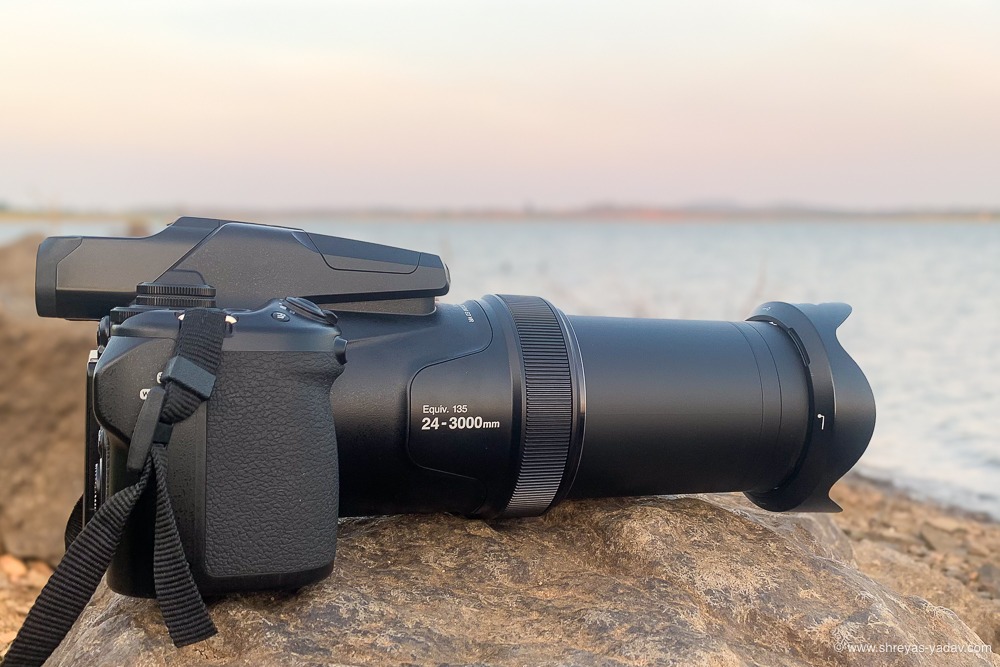
Wireless remotes give you freedom to shoot from a distance, perfect for shy or skittish birds. If you prefer wired versions, they’re usually more reliable in challenging weather conditions. What’s your experience with remote triggers—have they helped you capture better bird portraits?
Credit: shreyas-yadav.com
Budget Cameras That Deliver
Bird photography is a thrilling endeavor that requires the right equipment to capture those fleeting moments of beauty. But what if you’re on a budget? Fret not, because there are budget-friendly cameras that deliver excellent results without breaking the bank. Let’s dive into some affordable options that can help you get started on your bird photography journey.
Entry-level Dslrs
Entry-level DSLRs are a fantastic starting point for budding bird photographers. They offer great image quality, interchangeable lenses, and manual control over settings. Cameras like the Nikon D3500 or Canon EOS Rebel T7 provide excellent value for money, balancing performance and price.
With features such as a decent autofocus system and a good range of ISO settings, these cameras can handle various lighting conditions. You might be surprised at how these seemingly simple cameras can capture stunning images of birds in flight. Have you ever considered how much control you have over your shots with a DSLR? It might just be the tool to hone your skills.
Affordable Mirrorless Cameras
Mirrorless cameras have gained popularity due to their compact size and impressive performance. Models like the Sony Alpha a6000 or the Canon EOS M50 are perfect examples of budget-friendly options that don’t compromise on quality. These cameras offer fast autofocus and continuous shooting modes, which are crucial for capturing swift bird movements.
One advantage of mirrorless cameras is their electronic viewfinder, which shows you exactly how your final image will look. This feature can be particularly beneficial when you’re trying to photograph a bird perched in a shadowy tree. Are you ready to embrace the future of photography with a mirrorless camera?
Both entry-level DSLRs and affordable mirrorless cameras provide excellent pathways into the world of bird photography. They offer the tools you need to capture those elusive avian subjects without requiring a hefty investment. Which one will you choose to start your adventure?
Tips For Choosing Your Camera
Choosing a camera with a fast autofocus and good zoom helps capture sharp bird photos. A lightweight body makes it easier to carry during long shoots. Look for models with image stabilization to reduce blur in flight shots.
When choosing a camera for bird photography, it’s essential to consider several factors that align with your personal needs and photography goals. Bird photography demands specific features due to the fast-paced nature of the subjects. From beginners to seasoned photographers, finding the right gear involves balancing between quality, portability, and future-proofing your investment. Here are some tips to guide you in selecting a camera that fits your bird photography aspirations.Matching Gear To Skill Level
As a beginner, you might be tempted to go for the most advanced camera on the market. However, starting with a user-friendly model can enhance your learning experience. Cameras with intuitive interfaces allow you to focus on developing your skills rather than getting bogged down by complex features. For those with more experience, consider cameras that offer customizable settings and advanced autofocus systems. This allows you to capture those fast-moving birds with ease. Remember, the best camera is one that you can use comfortably and effectively.Considering Portability
Bird photography often requires venturing into remote areas. A lightweight, portable camera can make these excursions more enjoyable. Imagine hiking through a dense forest with a bulky camera; it can quickly become a cumbersome experience. Mirrorless cameras are an excellent choice for their compact size and weight. They offer high-quality images while being easy to carry. Evaluate how often you’ll be on the move and choose a camera that complements your lifestyle.Evaluating Long-term Investment
Think about how your photography journey might evolve over time. Investing in a camera with the ability to grow with you can save money in the long run. Look for models with interchangeable lenses and expandable features. Consider the camera’s compatibility with accessories like telephoto lenses and external flashes. These additions can significantly enhance your bird photography as your skills advance. Is the camera brand known for innovation and support? This can ensure your equipment stays relevant as technology progresses. By carefully considering these factors, you can find a camera that not only meets your current needs but also supports your future growth in bird photography.
Credit: suryatara.com
Frequently Asked Questions
What Camera Features Are Best For Bird Photography?
A good bird photography camera should have fast autofocus, high frame rates, and excellent image stabilization. A telephoto lens mount is also crucial to capture distant birds clearly.
Which Camera Brands Are Popular For Bird Photography?
Popular brands include Canon, Nikon, Sony, and Panasonic. These brands offer models with advanced autofocus and high-resolution sensors suitable for bird photography.
Is A Dslr Or Mirrorless Camera Better For Bird Photography?
Mirrorless cameras offer faster autofocus and lighter bodies, ideal for bird photography. DSLRs provide longer battery life and robust build quality, preferred by some professionals.
How Important Is Lens Choice In Bird Photography?
Lens choice is critical; telephoto lenses (300mm or longer) allow close-up shots without disturbing birds. Fast lenses with wide apertures help in low-light conditions.
Conclusion
Choosing a good camera for bird photography means balancing features and budget. Focus on cameras with fast autofocus and good zoom. A lightweight, easy-to-carry model helps during long shoots. Remember, skill and patience matter more than gear alone. Practice often, learn bird behavior, and enjoy nature’s beauty.
The right camera makes capturing birds clearer and more fun. Keep these tips in mind to find your perfect camera. Happy bird watching and shooting!




