
If you want to bring a splash of tropical beauty into your home or garden, Birds of Paradise are the perfect choice. But to keep these stunning plants healthy and thriving, you need to know the right care tips.
You might wonder how to water them just right or where to place them for the best growth. This guide will answer your questions and make caring for your Birds of Paradise simple and rewarding. Keep reading, and you’ll discover easy ways to help your plants bloom like never before.
Choosing The Right Location
Choosing the right location for your Birds of Paradise is crucial to their health and vibrant blooms. These tropical beauties need specific conditions to thrive, and placing them in an unsuitable spot can stunt their growth or cause stress. Let’s look at how to find the perfect place that meets their needs.
Light Requirements
Your Birds of Paradise loves bright, indirect sunlight. Too little light will slow growth and reduce flowering, while too much direct sun can scorch the leaves. A spot near an east or west-facing window usually works well, giving them plenty of light without the harsh midday rays.
Think about the natural light in your home or garden throughout the day. Does the location get bright but filtered light? If not, consider using sheer curtains or moving the plant a few feet away from the window to avoid leaf burn.
Ideal Temperature And Humidity
These plants prefer warm temperatures between 65°F and 70°F (18°C to 21°C). They don’t respond well to sudden temperature drops or cold drafts. Maintaining consistent warmth helps mimic their native tropical environment.
Humidity is just as important. Birds of Paradise enjoy humidity levels above 50%. If your home feels dry, especially in winter, try placing a humidifier nearby or misting the leaves regularly. Have you noticed how your plant perks up after a little misting? That’s a sign it’s loving the extra moisture.
Avoiding Drafts And Extreme Conditions
Keep your plant away from doors, windows, or vents that let in cold drafts or hot air blasts. These sudden changes can stress the plant, causing leaf edges to brown or drop. Avoid placing it near air conditioners or heaters that create fluctuating temperatures.
Also, watch out for spots that get too hot during the day or chilly at night. Even a sunny windowsill can become a problem if temperatures swing wildly. Finding a stable environment helps your Birds of Paradise stay healthy and ready to bloom.
Soil And Potting Tips
Soil and potting play a key role in the health of Birds of Paradise. These plants need the right environment to grow strong roots and bloom beautifully. Proper soil mix and pot choice help keep roots healthy and prevent water issues. Repotting at the right time also supports growth.
Best Soil Mix For Birds Of Paradise
Birds of Paradise need soil that drains well but holds some moisture. Use a mix that is light and airy to let roots breathe.
- Combine potting soil with sand or perlite for drainage
- Add organic matter like compost or peat moss for nutrients
- Avoid heavy clay soils that trap water
This mix helps prevent root rot and supports steady growth. Keep soil slightly moist but not soggy.
Choosing The Right Pot
Pick a pot with drainage holes to avoid water buildup. Birds of Paradise like pots that give roots room to spread.
- Use a pot 2-4 inches larger than the root ball
- Terracotta pots work well as they allow air exchange
- Plastic pots retain moisture but may need careful watering
The pot size affects plant growth. Too small stunts roots. Too large keeps soil wet too long.
Repotting Guidelines
Repot Birds of Paradise every 2-3 years or when roots fill the pot. Spring or early summer is best for repotting.
- Gently remove the plant without damaging roots
- Inspect roots and trim any dead or damaged parts
- Place in fresh soil mix and water lightly
Repotting refreshes soil and allows room for growth. Avoid repotting during cold months.
Watering Practices
Proper watering is key to keeping Birds of Paradise healthy and vibrant. These tropical plants enjoy moist soil but dislike sitting in water. Understanding how often and how much to water helps avoid common problems.
Frequency And Amount
Water Birds of Paradise once a week during warm months. Ensure the top 2 inches of soil dry out before watering again. Give enough water to soak the soil thoroughly. Avoid light, frequent watering that keeps soil soggy.
Signs Of Overwatering
- Yellowing leaves
- Soft or mushy stems
- Foul odor from the soil
- Wilting despite wet soil
These signs show roots may be rotting. Cut back on watering to save the plant.
Adjusting Watering By Season
Water less in winter when growth slows. Check soil moisture before watering in cooler months. Increase watering in spring and summer as the plant grows actively. Adjust based on your climate and indoor conditions.

Credit: www.countryliving.com
Fertilizing For Growth
Fertilize Birds of Paradise every 4-6 weeks during growing season for strong leaves and bright flowers. Use a balanced, water-soluble fertilizer to support steady growth and vibrant blooms. Avoid overfeeding to prevent leaf burn and keep the plant healthy.
Fertilizing for Growth Birds of Paradise, with their stunning blooms and lush foliage, thrive with the right nourishment. Fertilizing is crucial for maintaining their vibrant color and promoting robust growth. Understanding the essentials of fertilizing can transform your plant from ordinary to extraordinary.Choosing The Right Fertilizer
Selecting the appropriate fertilizer is the first step towards healthy Birds of Paradise. Look for a balanced fertilizer with equal parts nitrogen, phosphorus, and potassium, often labeled as N-P-K. A 10-10-10 or 20-20-20 fertilizer is ideal, offering the right nutrients to support both flower and foliage growth.Feeding Schedule
Consistency is key when it comes to feeding your Birds of Paradise. Aim to fertilize every 4-6 weeks during the growing season, typically from spring through early fall. In winter, reduce feeding as the plant’s growth slows, allowing it to rest.Organic Vs. Synthetic Options
Deciding between organic and synthetic fertilizers depends on your gardening philosophy. Organic options, like compost or fish emulsion, are great for enhancing soil health over time. Synthetic fertilizers provide an immediate nutrient boost but may require more frequent applications. Consider your lifestyle and commitment to sustainable practices. Organic choices are often more eco-friendly, while synthetic options can be more convenient for busy gardeners. Which approach aligns with your gardening goals? Engage with your Birds of Paradise and monitor their response to your fertilizing efforts. Over time, you’ll develop an intuitive understanding of their needs, leading to a flourishing and vibrant plant.Pruning And Maintenance
Pruning and maintenance are key to keeping your Birds of Paradise vibrant and thriving. These plants can quickly become unruly if neglected, but with regular care, you’ll encourage healthy growth and stunning blooms. Knowing when and how to prune can make all the difference in your plant’s overall health.
When To Prune
Timing is crucial for pruning Birds of Paradise. The best time to prune is in late winter or early spring, just before the growing season begins. This helps the plant recover quickly and produce new growth.
However, you can also remove dead or damaged leaves anytime during the year. Avoid heavy pruning in late fall or winter, as the plant slows down and may struggle to heal.
Techniques For Healthy Growth
Use sharp, clean pruning shears to make precise cuts. Cut stems at the base, close to the main stalk, to encourage bushier growth. Avoid cutting too much at once—removing about one-third of the plant at a time prevents stress.
Focus on shaping the plant by trimming overly tall or leggy stems. This not only keeps your Birds of Paradise looking neat but also improves air circulation, reducing the risk of fungal diseases.
Removing Dead Or Damaged Leaves
Dead or damaged leaves can drain energy from your plant. Removing them promptly lets your plant focus on new, healthy growth. Look for yellowing leaves, browning tips, or torn foliage as signs to prune.
Cut these leaves near the base, taking care not to damage surrounding healthy tissue. Regularly clearing out dead foliage prevents pests and keeps your plant looking its best.
Managing Pests And Diseases
Managing pests and diseases is vital for healthy Birds of Paradise plants. These plants can attract various insects and fungal infections. Early detection and proper care reduce damage. Healthy plants resist pests better and grow stronger.
Common Pests To Watch
- Aphids: Small, soft-bodied insects that cluster on new growth.
- Spider Mites: Tiny pests causing yellow speckles on leaves.
- Mealybugs: White, cotton-like insects found on stems and leaves.
- Scale Insects: Hard or soft shell bugs that stick to stems.
- Thrips: Tiny, slender insects that cause silvery leaf damage.
Preventive Measures
Keep plants clean by removing dead leaves and debris. Water the soil, not the leaves, to avoid fungal growth. Provide good air circulation around the plant. Inspect plants regularly for early signs of pests. Avoid overcrowding plants to reduce pest spread.
Natural And Chemical Treatments
Use insecticidal soap or neem oil for mild pest infestations. Spray affected areas thoroughly, covering both sides of leaves. For severe infestations, consider using horticultural oils or appropriate insecticides. Always follow label instructions carefully. Introduce beneficial insects like ladybugs to control pests naturally.
Encouraging Flowering
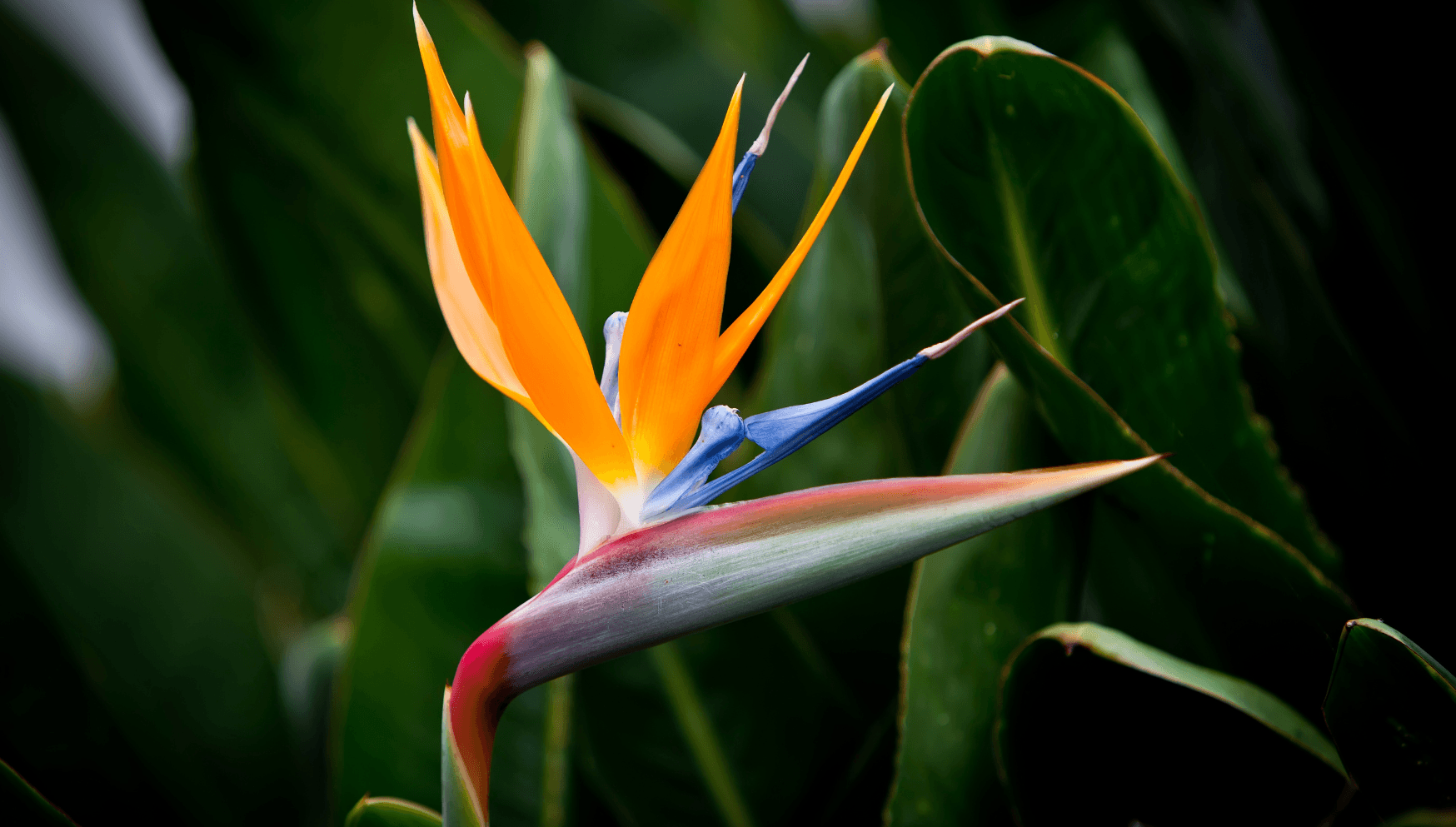
Encouraging your Birds of Paradise to bloom brings vibrant color and tropical beauty to your space. Flowering depends on many factors, such as light, temperature, and care. Understanding these helps create the right environment for blooms.
Optimal Conditions For Blooms
Bright, indirect sunlight is essential for flower production. Place the plant where it can get at least 4-6 hours of light daily. Warm temperatures between 65-70°F (18-21°C) during the day and not below 50°F (10°C) at night support growth. Maintain moderate humidity and avoid sudden drafts. Use well-draining soil and water consistently, allowing the top inch to dry out between watering. Fertilize every 2-3 weeks with a balanced fertilizer high in phosphorus to encourage blooms.
Patience And Growth Cycles
Birds of Paradise grow slowly and may take years to flower. Plants usually bloom after reaching maturity, around 3-5 years old. New growth appears as large, paddle-shaped leaves before flower buds form. Flowering often happens in spring or summer with proper care. Do not rush or move the plant too often, as stress can delay blooms. Watch for signs like stiff, pointed leaf tips—this often means flowers are coming.
Troubleshooting Flowering Issues
- Insufficient light causes leaf growth but no flowers.
- Overwatering leads to root problems and poor blooming.
- Low temperatures slow down or stop flower development.
- Fertilizer too high in nitrogen promotes leaves, not flowers.
- Plants stressed by repotting or drafts may delay buds.
Check these conditions carefully and adjust to improve flowering chances. Regular observation helps catch problems early and keeps your plant healthy.

Credit: deplantrekkers.com
Credit: plnts.com
Frequently Asked Questions
How Often Should I Water Birds Of Paradise Plants?
Water Birds of Paradise once a week during growing season. Reduce watering in winter. Keep soil moist but not soggy for healthy growth.
What Is The Ideal Sunlight For Birds Of Paradise?
Birds of Paradise thrive in bright, indirect sunlight. They can tolerate some direct sun. Too little light slows growth and flowering.
How Do I Fertilize Birds Of Paradise Properly?
Use a balanced, water-soluble fertilizer every two weeks in spring and summer. Avoid over-fertilizing to prevent leaf burn and poor growth.
When Should I Prune Birds Of Paradise?
Prune Birds of Paradise in early spring. Remove dead or damaged leaves to encourage new growth and maintain plant shape.
Conclusion
Birds of Paradise need bright light and warm temperatures. Water them regularly but avoid waterlogging. Use well-draining soil for healthy roots. Trim dead leaves to keep the plant neat. Watch for pests and treat them early. Feeding with balanced fertilizer supports growth.
Patience brings vibrant flowers and strong plants. Enjoy their exotic beauty in your home garden. Taking simple steps ensures your plant will thrive. Caring for Birds of Paradise is rewarding and fun.




