
Taking care of newborn birds can feel overwhelming, especially if this is your first time. You want to make sure your tiny feathered friends stay safe, healthy, and comfortable.
But where do you start? The good news is, with the right knowledge and simple steps, you can give your newborn birds the best care possible. Keep reading, and you’ll discover easy tips that will help your little birds thrive from day one.
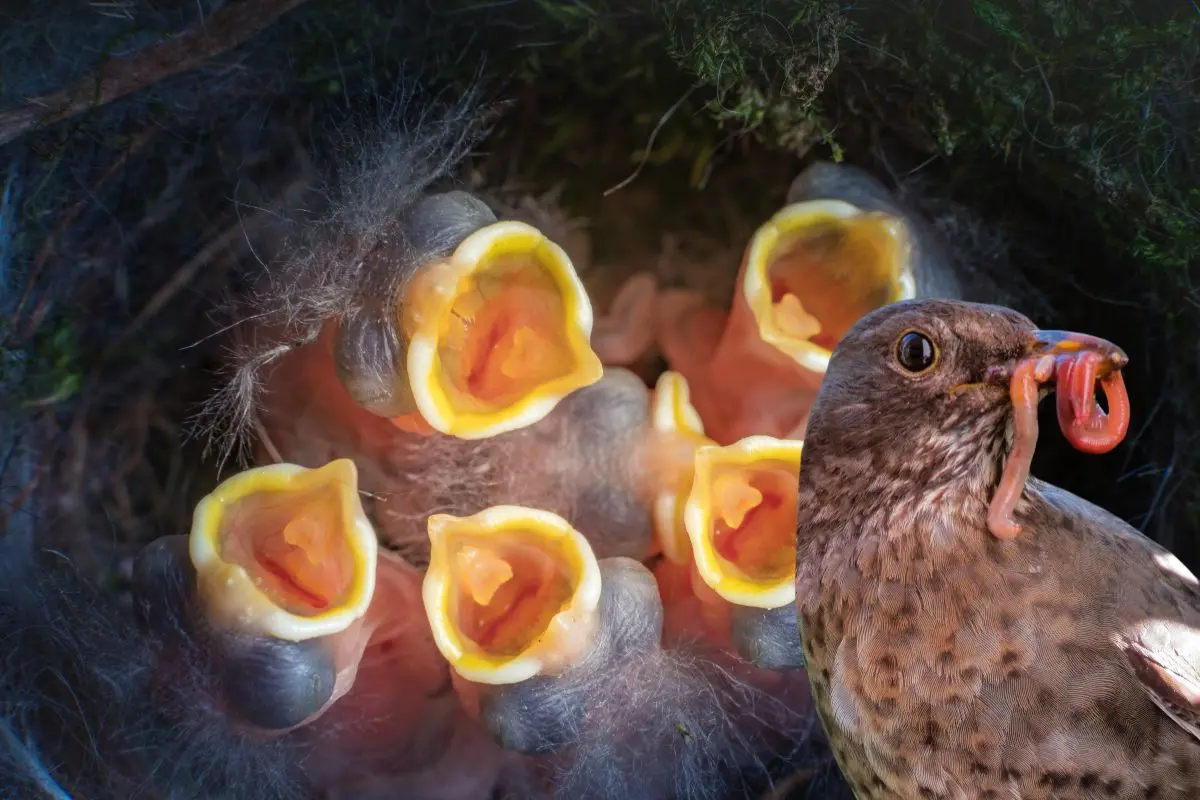
Credit: wildbloo.com
Preparing The Nest
Preparing the nest is a crucial step in caring for newborn birds. A well-prepared nest provides safety, warmth, and comfort, which are essential for the fragile lives of these tiny creatures. Your attention to detail here can make a significant difference in their growth and survival.
Choosing The Right Location
Pick a spot that is quiet and away from heavy foot traffic or loud noises. Newborn birds get easily stressed, and a calm environment helps them feel secure.
Look for a place that is sheltered from direct sunlight and strong winds. This protects the nest from temperature swings and weather damage.
Think about accessibility too. Can you reach the nest easily for feeding and cleaning without disturbing the birds too much? If not, consider moving it carefully to a better spot.
Creating A Comfortable Environment
Use soft, natural materials like dry grass, cotton, or shredded paper to line the nest. Avoid anything sharp or synthetic that could hurt the babies.
Keep the nest clean and dry. Moisture invites mold and bacteria, which can be deadly to newborn birds.
Have you noticed how birds in the wild choose their nesting materials? Mimicking these choices can improve comfort and safety. For example, adding a thin layer of feathers can provide extra warmth without overheating.
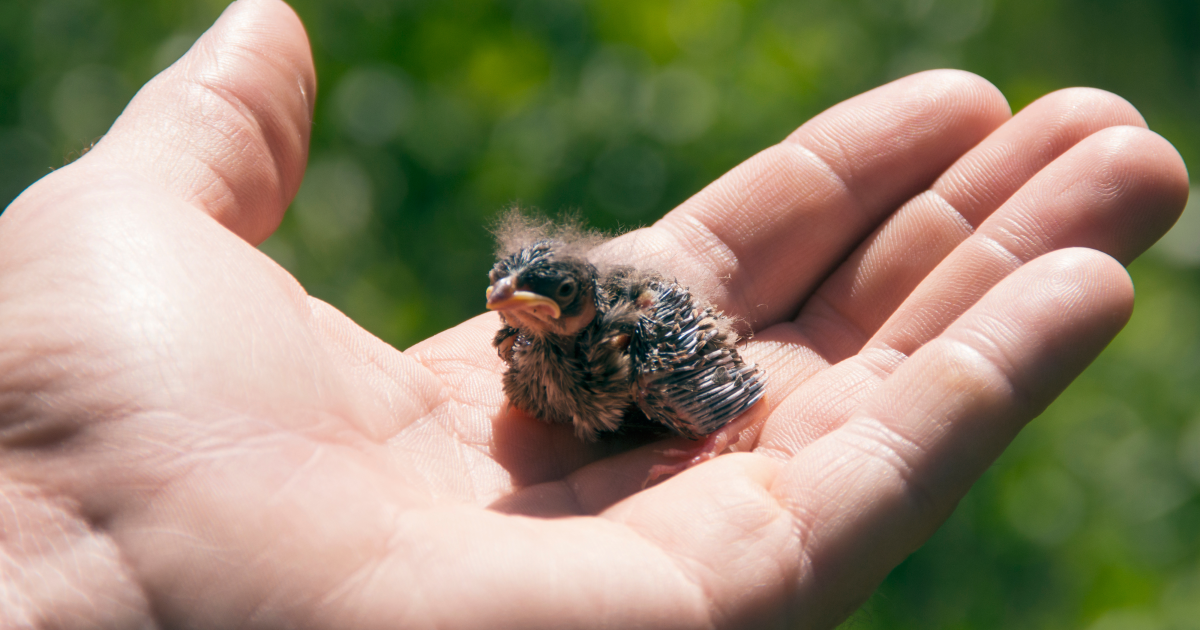
Credit: pethelpful.com
Feeding Newborn Birds
Feeding newborn birds requires care and attention. Their small bodies need the right food to grow strong. Feeding at proper times helps them stay healthy and active. Understanding what to feed and how to feed is important for their survival.
Selecting Appropriate Food
Newborn birds need soft, easy-to-digest food. Choose food that matches their natural diet. For insect-eating birds, use finely chopped insects or specialized bird formula. Seed-eating birds need soaked seeds or soft pellets. Avoid giving them bread or milk, which can harm them.
Use high-protein food to support fast growth. Baby bird formula is often the safest choice. You can find these formulas at pet stores or from bird experts. Always prepare fresh food for each feeding.
Feeding Techniques And Schedules
Feed birds with a small, soft tool like a syringe or dropper. Be gentle to avoid choking or injury. Hold the bird carefully to keep it calm.
Newborn birds eat often. Feed every 15 to 20 minutes during daylight hours. As they grow, reduce feeding frequency to every 30 minutes or hourly.
Watch the bird’s crop, a small pouch in the throat. It should feel full but not swollen. Stop feeding if the crop is full to prevent overfeeding.
Maintaining Warmth
Keeping newborn birds warm is essential for their survival and growth. These tiny creatures can’t regulate their body temperature well, so your role is crucial. Maintaining a consistent, comfortable warmth helps them thrive and prevents stress-related health problems.
Ideal Temperature Range
Newborn birds need a warm environment, usually between 85°F and 95°F (29°C to 35°C) during their first week. As they grow, you can slowly lower the temperature by a few degrees each week until they are ready to handle room temperature.
Too cold, and they risk hypothermia; too hot, and they can suffer heat stress. You can use a thermometer near the nest to monitor the temperature accurately. Have you checked your bird’s environment temperature today?
Using Heating Methods Safely
Heat lamps, heating pads, and incubators are common tools to keep newborn birds warm. Place heating sources at a safe distance to avoid burns or overheating. Never leave them unattended for long periods, and always provide a cooler area so the birds can move away if they get too warm.
Here are some safety tips to remember:
- Use a thermostat to control the heat source automatically.
- Secure cords and devices to prevent accidents.
- Check for signs of overheating such as panting or restlessness.
From my experience, a simple heating pad under half of the nest works well. It lets birds choose their comfort zone and avoids trapping excessive heat. How do you ensure your heating setup is both effective and safe?

Credit: www.willyswilderness.org
Monitoring Health
Monitoring the health of newborn birds is crucial to ensure they thrive during their most vulnerable stage. You need to stay alert and observe subtle changes in their behavior and appearance every day. Early detection of problems can save their lives and help you provide timely care.
Recognizing Common Signs Of Illness
Newborn birds can’t tell you when they’re feeling unwell, so you must watch carefully for signs that something is wrong.
- Fluffed-up feathers:Birds often fluff their feathers to keep warm when sick.
- Weakness or lethargy:If a bird isn’t moving much or seems tired all the time, it could be ill.
- Changes in appetite:Refusing to eat or sudden loss of interest in food is a red flag.
- Abnormal droppings:Watery, discolored, or foul-smelling droppings may indicate digestive issues.
- Labored breathing or coughing:Listen for unusual sounds or rapid breathing.
One time, I noticed a tiny chick sitting quietly with its feathers puffed up. I checked its eating habits and found it wasn’t feeding well. Acting quickly, I adjusted its temperature and offered hand-feeding. It recovered within days, showing how important early recognition is.
When To Seek Veterinary Care
Knowing when to call a vet can be tricky but essential. If you see persistent signs like difficulty breathing, swollen eyes, or bleeding, don’t wait.
Also, if the bird stops eating for more than a day or becomes extremely weak, professional help is needed immediately. Remember, newborn birds can deteriorate quickly.
Ask yourself: Are you prepared to act fast and get expert help? Having a trusted avian vet’s contact saved me once during an emergency, and it can save your bird too.
Ensuring Proper Hygiene
Keeping newborn birds clean is vital for their health. Proper hygiene helps prevent infections and diseases. It also creates a safe environment for growth. Clean surroundings reduce stress and support strong immune systems.
Regular care of the nest and waste management are key. These tasks require gentle handling to avoid harm. Understanding how to maintain hygiene ensures better survival chances for the birds.
Cleaning The Nest
Check the nest daily for dirt and debris. Remove leftover food and feathers carefully. Use warm water and mild soap for cleaning. Avoid strong chemicals that might harm the birds.
Replace bedding materials frequently to keep the nest dry. Dry nests prevent mold and bacteria growth. Use soft, natural materials like shredded paper or dry grass.
Keep the nest in a well-ventilated area but away from drafts. Good airflow helps reduce moisture and odors. Always wash your hands before and after handling the nest.
Handling Waste And Contamination
Bird droppings can carry harmful bacteria. Clean waste promptly to avoid contamination. Use disposable gloves when handling droppings or soiled materials.
Dispose of waste in sealed bags to prevent spread of germs. Clean surfaces around the nest with a safe disinfectant. Ensure the area is dry before placing birds back.
Monitor the nest area for signs of mold or parasites. Address any issues quickly to protect the newborn birds. Clean tools and equipment regularly to maintain hygiene.
Encouraging Growth And Development
Caring for newborn birds involves ensuring a safe, warm environment. Provide proper nutrition and gentle handling. Support their growth with patience and attention.
Caring for newborn birds involves a delicate balance of providing the right environment and support to encourage their growth and development. As you nurture these tiny creatures, your goal is to stimulate their natural behaviors and prepare them for independence. Each stage of their development requires a thoughtful approach to ensure they thrive. Let’s dive into how you can effectively support their journey from helpless hatchlings to self-sufficient fledglings.Stimulating Natural Behaviors
Creating an environment that mimics their natural habitat is essential for newborn birds. Use natural materials like twigs and leaves in their nesting area to encourage them to explore and engage. This not only helps them develop essential skills but also keeps them mentally stimulated. Observe their behavior closely. Are they starting to flap their wings? Encourage this by placing perches of varying heights for them to practice hopping and flying. The more opportunities they have to mimic their natural actions, the better their development will be. Social interaction is another key aspect. If possible, introduce them to other birds of the same species. This can be done under supervision to prevent any aggressive behavior. Watching them interact can offer insights into their readiness for the next stage of growth.Preparing For Independence
Transitioning newborn birds to independence is a gradual process. Begin by gradually reducing your direct intervention in their feeding and care. This encourages them to start seeking food on their own, an essential skill for survival. Consider setting up a safe outdoor area where they can practice flying and foraging under your watchful eye. This helps them gain confidence in their abilities while still having a safety net. Ask yourself, are they ready to face the world alone? Assess their behavior and physical readiness. A bird that can fly confidently, find its own food, and exhibit natural behaviors is often ready to take the next step into independence. Remember, every bird is unique. Tailor your approach to suit their specific needs and pace. Your role is to guide them gently, ensuring they are equipped to thrive in the wild.Frequently Asked Questions
How Do I Feed A Newborn Bird Properly?
Feed newborn birds with a specialized formula suited for their species. Use a syringe or dropper for small, frequent feedings. Ensure the food is warm, not hot, to avoid harming the bird. Avoid giving water directly to prevent choking.
What Temperature Should Newborn Birds Be Kept At?
Maintain a warm environment around 85-90°F (29-32°C) for newborn birds. Use a heat lamp or heating pad safely to provide consistent warmth. Avoid sudden temperature changes to prevent stress and health issues.
How Often Should I Clean The Newborn Bird’s Living Area?
Clean the bird’s enclosure daily to prevent infections and maintain hygiene. Remove waste, uneaten food, and bedding regularly. Use mild, bird-safe disinfectants to sanitize the area without harming the bird.
When Can Newborn Birds Start Eating Solid Food?
Introduce soft, solid food gradually after 2-3 weeks, depending on species. Start with small, easy-to-digest pieces like soaked seeds or fruits. Continue formula feeding until the bird fully adapts to solid food.
Conclusion
Caring for newborn birds takes patience and gentle hands. Feed them often with the right food. Keep their environment warm and clean every day. Watch closely for any signs of illness or discomfort. Small steps help these little birds grow strong and healthy.
Your care makes a big difference in their lives. With love and attention, they will thrive. Keep learning and stay patient. Every bird deserves a chance to fly free.




