
Finding a wounded bird can be upsetting. You want to help, but you might not know where to start.
Caring for a injured bird takes patience and the right steps. If you act quickly and carefully, you can make a real difference in its recovery. In this guide, you will learn exactly what to do to give that fragile creature the best chance to heal.
Keep reading to discover simple, effective ways to care for a wounded bird and become its unexpected hero.
Recognize Signs Of Injury
Recognizing signs of injury in a bird is the first step to helping it heal. Birds hide pain well, so careful observation is key. Injuries can vary from small cuts to broken wings. Knowing the signs helps you act quickly. Early care improves the bird’s chance of recovery.
Common Bird Injuries
- Broken or bent wings and legs
- Bleeding wounds or cuts
- Swollen or bruised areas on the body
- Missing or damaged feathers
- Signs of burns or chemical exposure
- Eye injuries or discharge
These injuries need different care. Some require immediate attention from a vet.
Behavioral Indicators
- Unusual quietness or silence
- Difficulty standing or walking
- Fluffed up feathers for long periods
- Reluctance to fly or move
- Repeated shaking or twitching
- Loss of balance or falling over
- Gasping or breathing difficulty
Changes in behavior are often the first clue to injury.

Credit: www.reddit.com
Approach Safely
Approaching a wounded bird requires care and patience. Your actions can either calm the bird or cause more stress. Knowing how to move quietly and protect yourself is key to helping without harm.
Calm And Quiet Methods
Move slowly and avoid sudden gestures. Birds sense fast movements as danger, making them more likely to panic.
Speak softly or avoid noise altogether. Silence helps the bird feel less threatened and more secure.
Try to blend into the environment by wearing neutral colors. Bright colors may scare the bird further.
Have you noticed how animals respond differently to calm voices versus loud noises? This simple observation can guide your approach.
Protective Gear Tips
Wear thick gloves to protect your hands from sharp beaks or claws. Thin gloves might not offer enough protection.
Use a towel or light cloth to gently cover the bird before handling it. This helps reduce its stress and keeps you safe.
Eye protection is important if the bird struggles. Safety glasses can prevent accidental scratches or debris from hitting your eyes.
Keep a small box or pet carrier ready to place the bird in immediately after capture. This limits its movement and injury risk during transport.
Secure The Bird
Securing a wounded bird is the first important step in helping it heal. A calm and safe environment lowers the bird’s stress and prevents further injury. Handle the bird gently and slowly to avoid frightening it.
Using A Towel Or Cloth
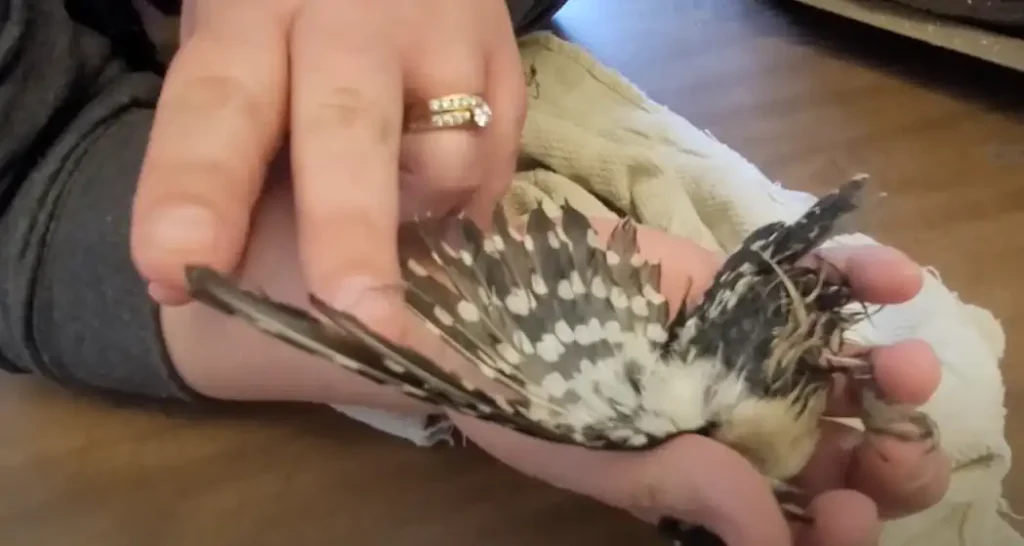
A soft towel or cloth works well to hold the bird safely. Wrap the bird gently but firmly, covering its wings and body. This stops the bird from flapping or hurting itself more.
- Choose a clean, soft towel or cloth.
- Approach the bird quietly and slowly.
- Place the cloth over the bird carefully.
- Wrap it snugly without squeezing too hard.
- Hold the bird securely, supporting its head.
This method keeps the bird calm and stops sudden movements.
Creating A Temporary Carrier
A simple carrier offers a safe place for the bird to rest. Use a small box or container with air holes. Line it with soft materials like towels or tissues for comfort.
- Find a sturdy box or container.
- Make small holes for air circulation.
- Place soft fabric inside the container.
- Gently place the wrapped bird inside.
- Close the box securely but ensure fresh air.
This setup protects the bird and limits movement during transport or rest.
Credit: www.earthofbirds.com
Provide Immediate Care
Gently approach the bird and ensure it is safe from predators. Use a soft cloth to cover and calm it. Carefully place the bird in a ventilated box for transport to a wildlife rehabilitator.
Providing immediate care to a wounded bird can be crucial. Birds can often get injured due to various reasons. Quick and careful action can make a big difference. The key is to stay calm and act swiftly. This guide will help you understand the basic steps to care for an injured bird.Assessing The Injury
First, observe the bird from a distance. Check for visible signs of injury. Look for bleeding, broken wings, or difficulty in breathing. Approach the bird gently to avoid causing stress. If the bird is moving, it might not be severely injured. If it remains still, it likely needs help.Basic First Aid Techniques
Use a towel to gently pick up the bird. This prevents further injury. Place the bird in a ventilated box. Ensure the box is dark and quiet. Darkness helps reduce stress. Examine the bird carefully for any visible wounds. If bleeding, apply gentle pressure with a clean cloth. Do not use adhesives or ointments. These can harm the bird further. If a wing appears broken, avoid trying to fix it. Seek professional help immediately.Create A Comfortable Environment
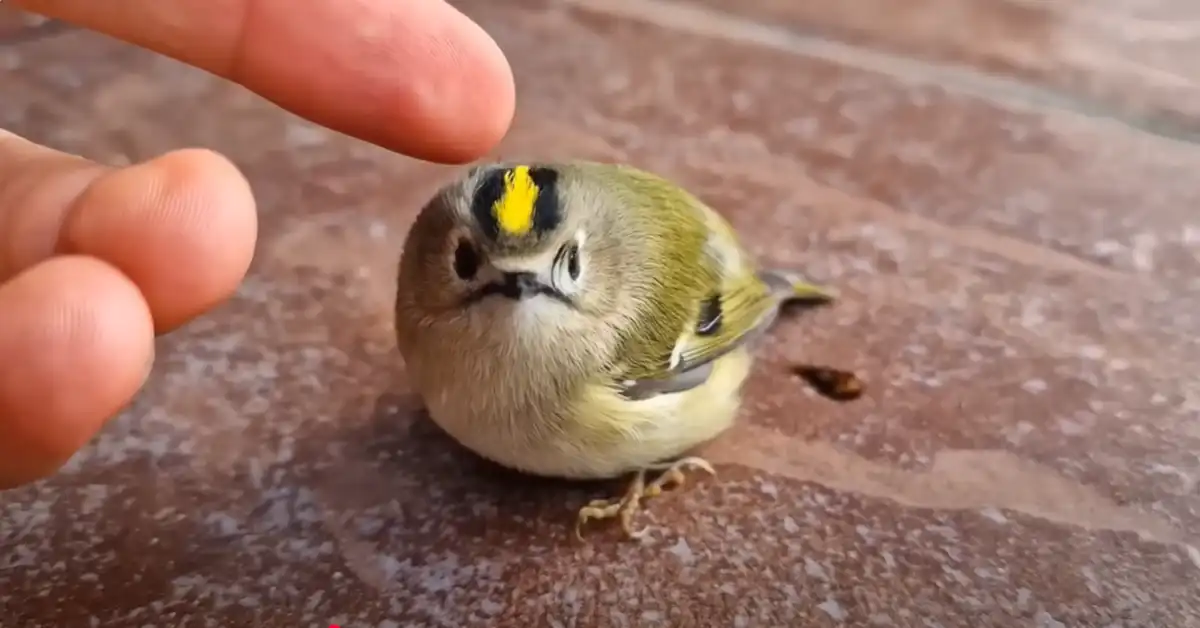
Creating a comfortable environment is key to helping a wounded bird heal. Birds feel safe and recover faster in calm, warm spaces. A quiet, cozy area reduces their pain and fear. Setting up the right space shows care and respect for the bird’s needs.
Warmth And Shelter
Keep the bird warm to support healing. Birds lose heat quickly after injury. Use soft towels or cloths to line a small box or cage.
- Place a heating pad under half the box, set on low.
- Ensure the bird can move away from heat if too warm.
- Avoid direct sunlight or drafts that cause temperature swings.
Cover the shelter partially with a light cloth. This gives a sense of safety and blocks excess light.
Minimizing Stress
Stress slows healing and weakens birds. Keep noise low and avoid sudden movements. Limit handling to only what is necessary. Speak softly near the bird to calm it. Avoid bright lights and busy areas. Provide fresh water and food nearby so the bird does not have to move much.
Credit: www.earthofbirds.com
Feed And Hydrate Properly
Feeding and hydrating a wounded bird correctly is crucial for its recovery. You need to choose foods that are easy to digest and provide the right nutrients. At the same time, keeping the bird hydrated supports healing and prevents further stress.
Safe Food Options
Offer small amounts of soft, natural foods that mimic what the bird would eat in the wild. Seeds like millet and sunflower are usually safe, but avoid anything too hard or large that the bird can’t swallow easily.
Fruits such as chopped apples or berries provide vitamins without overwhelming the bird’s system. Avoid giving bread or processed foods, as they lack the nutrition a bird needs to heal.
Remember, each bird species has different dietary needs. If you know the bird’s type, tailor its diet accordingly. Have you noticed how quickly some birds refuse certain foods? Paying attention to their preferences can make feeding less stressful for both of you.
Hydration Tips
Water is essential but can be tricky to provide safely. Use a shallow dish to avoid drowning risks, or offer water through a syringe carefully if the bird is too weak to drink on its own.
Keep the water fresh and change it often to prevent bacteria growth. You might be surprised how sensitive birds are to water quality.
In some cases, adding a small pinch of electrolyte powder to the water can help replenish lost minerals. However, avoid overdoing it—too much can upset the bird’s balance.
Know When To Seek Help
Knowing when to seek help for a wounded bird can make a huge difference in its chances of survival. Sometimes, your care can only go so far before professional expertise is necessary. Recognizing the signs that require outside assistance ensures the bird receives proper treatment and avoids unnecessary stress or harm.
Contacting Wildlife Professionals
If the bird is bleeding heavily, unable to fly, or shows signs of shock, it’s time to call a wildlife rehabilitator or veterinarian. These experts have the right tools and knowledge to provide medical care that you can’t. Keep a list of local wildlife centers or animal hospitals handy for quick reference.
Don’t hesitate to ask detailed questions when you call. Sharing information about the bird’s behavior and injuries helps them prepare for the rescue. Have you ever waited too long to call for help? That delay can cost the bird its life.
Transporting The Bird Safely
When moving the bird to a professional, safety is your top priority—for both the bird and yourself. Use a small box lined with soft cloth to keep the bird calm and prevent further injury. Make sure the box has ventilation holes but remains dark to reduce stress.
Handle the bird gently but firmly to avoid accidental escape or injury. Avoid using gloves if possible, as they can add bulk and make it harder to feel the bird’s condition. Have you prepared a transport kit in advance? Being ready can save precious time in emergencies.
Prevent Future Injuries
Preventing future injuries in birds is key to their long-term health and safety. Taking simple steps can reduce risks and keep birds safe in their environment. Careful planning and attention to surroundings help avoid accidents and harm.
Safe Outdoor Practices
Supervise birds during outdoor time to avoid hazards. Keep cats and dogs away from bird areas. Use bird-safe window decals to prevent collisions. Remove sharp objects and toxic plants from outdoor spaces. Provide shaded areas to protect birds from harsh sun. Avoid using pesticides or chemicals near bird habitats. Offer clean water daily to support bird health.
Habitat Considerations
Design bird habitats with safety in mind. Use smooth materials to prevent cuts and scrapes. Ensure cages or aviaries have secure locks to keep predators out. Place feeders and perches away from busy areas. Keep habitat clean to avoid infections and disease. Provide hiding spots to reduce stress and fear. Regularly inspect for broken or dangerous parts and repair them quickly.
Frequently Asked Questions
How Do I Safely Approach A Wounded Bird?
Approach slowly and calmly to avoid causing stress. Use a towel to gently cover and pick up the bird. Always wear gloves for protection. Avoid loud noises and sudden movements to keep the bird calm.
What Immediate Care Should I Provide To A Wounded Bird?
Place the bird in a warm, quiet, and dark environment. Offer water but avoid feeding unless advised. Check for bleeding and apply gentle pressure with a clean cloth. Seek professional help as soon as possible.
When Should I Contact A Wildlife Rehabilitator?
Contact a rehabilitator if the bird is bleeding, unable to fly, or shows signs of severe injury. Immediate professional care improves chances of recovery. Don’t attempt to treat serious injuries yourself.
Can I Feed A Wounded Bird At Home?
Feeding depends on the bird’s species and condition. Avoid giving food if unsure, as improper feeding can harm the bird. Provide water but consult a wildlife expert before feeding any food.
Conclusion
Caring for a wounded bird takes patience and gentle hands. Act quickly but stay calm to help the bird heal. Provide a safe, quiet place away from noise and pets. Keep the bird warm and offer fresh water carefully. Watch the bird’s condition daily and seek help if needed.
Small steps make a big difference in recovery. Your kindness can save a life and bring hope to the injured bird. Every effort counts in giving the bird a second chance.




