
Have you ever wondered if the bird seed you buy for your feathered friends could also grow into beautiful sunflowers in your garden? It sounds simple, but can you really plant sunflower bird seed and watch it bloom?
If you’re curious about turning your bird feeding routine into a colorful gardening project, you’re in the right place. This article will uncover the truth, share easy tips, and help you decide if planting sunflower bird seed is worth your time.
Keep reading to discover how you can bring more life—and color—to your outdoor space with just a handful of seeds.
Credit: www.amazon.com
Choosing The Right Sunflower Seeds
Choosing the right sunflower seeds matters for a successful garden. Seeds vary in size, color, and purpose. Picking the correct type helps your plants grow strong and healthy.
Types Of Sunflower Seeds
Sunflower seeds come in many varieties. Some have black shells, others have striped shells. Some seeds grow tall sunflowers, while others produce smaller flowers. Oilseed types have small seeds used for oil. Large seeds are better for snacks or planting.
Bird Seed Vs. Garden Seed
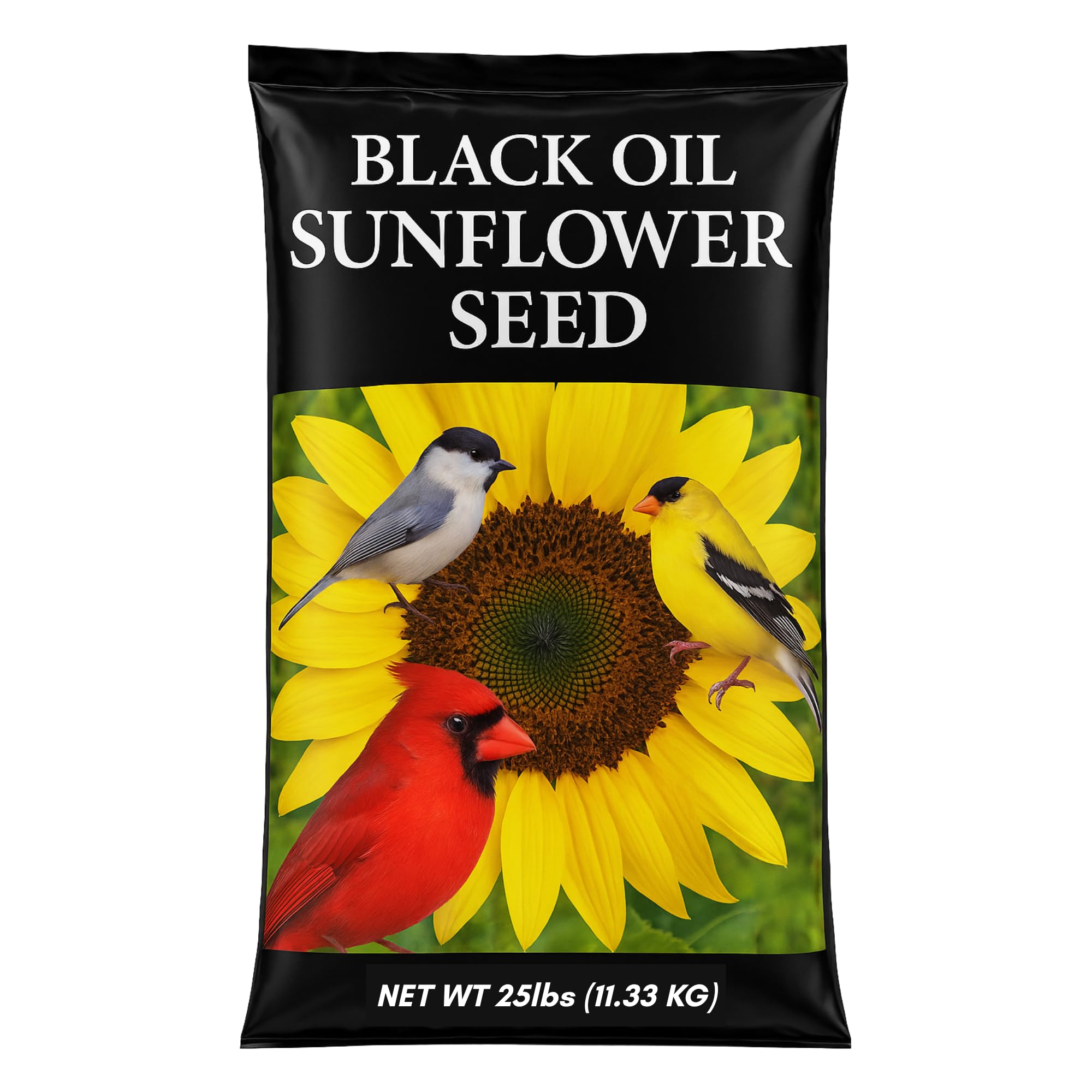
Bird seed and garden seed are not always the same. Bird seed is often mixed and treated for feeding birds. Garden seed is cleaned and prepared for planting. Bird seed might have fillers or damaged seeds. Garden seed gives better germination and growth results.
Selecting Quality Seeds
Choose seeds that look healthy and whole. Avoid broken or shriveled seeds. Pick seeds from trusted sources or seed catalogs. Fresh seeds have higher chances to sprout. Store seeds in a cool, dry place before planting.
Preparing Your Planting Area
Preparing your planting area is the foundation for growing strong, healthy sunflowers from bird seed. Taking time to get your soil, sunlight, and space ready can make all the difference in how well your sunflowers thrive. Let’s look at what you need to do before you drop those seeds into the ground.
Soil Requirements
Sunflowers prefer loose, well-draining soil that lets roots spread easily. You want soil that isn’t too heavy or clayey because it can hold too much water and suffocate the roots.
Check your soil’s texture by feeling it—does it crumble easily in your hand? If it feels dense or sticky, add some sand or compost to lighten it up. A pH level between 6.0 and 7.5 is ideal, so testing your soil with a simple kit can help you adjust accordingly.
Sunlight And Location
Sunflowers need full sun to grow tall and produce those bright, cheerful blooms. Choose a spot that gets at least 6 to 8 hours of direct sunlight daily. Think about areas in your yard or garden that might be shaded by trees or buildings—avoid those spots.
Have you noticed how sunflowers tend to turn toward the sun? That’s why placing them in the sunniest part of your space helps them grow strong and healthy. Also, consider the wind—sunflowers can get top-heavy, so a sheltered location can prevent damage.
Clearing And Tilling
Before planting, clear the area of weeds, rocks, and debris that can compete with your sunflowers for nutrients. Removing old roots and grass gives your seeds a clean start.
Tilling the soil breaks up compacted layers and mixes in any amendments you’ve added. You don’t need deep tilling—just enough to loosen the top 6 to 8 inches so the seeds can take root easily.
Once the soil is ready, you’ll notice how much easier it is to plant and water your seeds. Have you ever tried planting in hard soil? It’s a struggle for both you and the plant.
Planting Sunflower Bird Seed
Planting sunflower bird seed can be a rewarding experience. Not only do you get vibrant sunflowers brightening your garden, but you also provide a natural food source for birds. Understanding the right way to plant these seeds ensures healthy growth and a beautiful display.
When To Plant
Sunflower seeds need warm soil to sprout. Aim to plant after the last frost date in your area. Soil temperatures should be at least 50°F (10°C) for the best results.
Planting too early can lead to poor germination or seed rot. If you’re unsure, test the soil temperature with a simple thermometer. Have you checked your soil warmth today?
Seed Depth And Spacing
Plant seeds about 1 to 2 inches deep. This depth protects them from birds and drying out. If planted too shallow, seeds might not develop strong roots.
Space each seed 6 to 12 inches apart. Crowded seeds compete for nutrients and sunlight, which slows growth. Think about how big your sunflowers will get and give them room to thrive.
Watering Tips
Keep the soil moist but not soggy during germination. Water gently to avoid washing seeds away. Once seedlings emerge, water deeply but less frequently to encourage strong root systems.
Overwatering can cause root rot, while underwatering stresses the plants. How often have you checked the soil moisture? A simple finger test can save your sunflowers.
Caring For Growing Sunflowers
Growing sunflowers from bird seed can be a rewarding experience, but caring for these vibrant plants requires attention to detail. Proper care ensures that your sunflowers not only survive but thrive, producing large, healthy blooms. Understanding how to water, fertilize, and protect your plants will make a noticeable difference in their growth.
Watering Frequency
Sunflowers need consistent moisture, especially during their early growth stages. Water your plants deeply once or twice a week, depending on rainfall and soil type. Overwatering can cause root rot, so make sure the soil drains well and avoid waterlogging.
As sunflowers grow taller, they become more drought-tolerant, but don’t let the soil dry out completely. You might notice the leaves starting to droop when they need water—pay attention to these natural signals.
Fertilizing Tips
Sunflowers are heavy feeders and benefit from regular fertilizing to support their rapid growth. Use a balanced fertilizer with equal parts nitrogen, phosphorus, and potassium to promote strong stems and vibrant flowers.
Apply fertilizer every 3 to 4 weeks during the growing season. Avoid excessive nitrogen, which can cause tall, weak plants with fewer blooms. Adding compost or organic matter can improve soil health and provide a slow release of nutrients.
Pest And Disease Control
Birdseed sunflowers can attract pests like aphids, caterpillars, and birds eager to nibble on the seeds. Keep an eye out for these visitors and take action early to prevent damage.
- Use insecticidal soap or neem oil to manage aphids.
- Handpick caterpillars if you spot them.
- Consider netting to protect seeds from birds once heads start to form.
Diseases such as powdery mildew and rust can also affect sunflowers. Ensure good air circulation by spacing plants properly and avoid overhead watering to keep leaves dry. Have you checked your sunflowers recently for any unusual spots or wilting?
Harvesting And Using Sunflowers
Harvesting sunflowers is a rewarding part of growing these bright plants. Knowing the right time and techniques ensures a good yield. The seeds can serve many uses, from snacks to bird feed. Proper care during harvest keeps the seeds healthy and ready for use.
When To Harvest
Sunflowers are ready to harvest when their petals fade and fall off. The back of the flower head turns yellow or brown. Seeds should look full and plump. The best time to harvest is on a dry day to avoid mold.
Harvesting Techniques
Cut the sunflower head from the plant using sharp scissors or pruners. Leave a few inches of stem attached. Hang the heads upside down in a dry, well-ventilated area. Cover with a paper bag to catch falling seeds. Once dry, rub the seeds out by hand or use a brush.
Uses For Sunflower Harvest
- Eat roasted sunflower seeds as a healthy snack.
- Feed birds with fresh or dried seeds.
- Use seeds in baking or cooking recipes.
- Press seeds to make sunflower oil.
- Save seeds for planting next season.

Credit: www.reddit.com
Common Challenges And Solutions
Growing sunflowers from bird seed can be fulfilling. Yet, it brings certain challenges. Understanding these issues and their solutions can aid your gardening journey.
Dealing With Birds And Wildlife
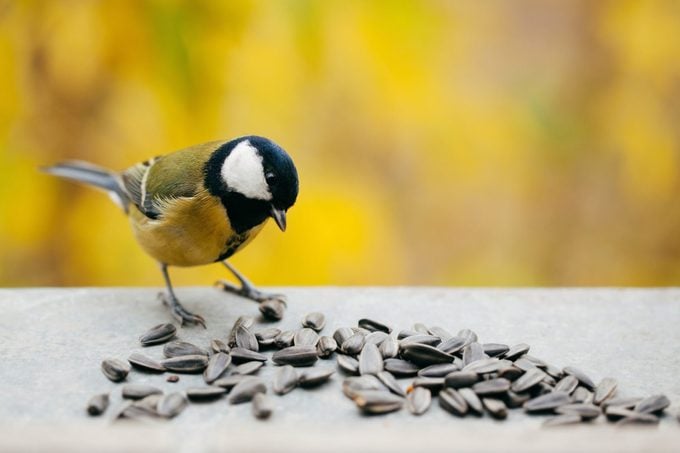
Birds love sunflower seeds. So do squirrels and other wildlife. They may eat seeds before they grow. To deter them, consider using netting or wire mesh. Cover the area until plants are sturdy. This protects seeds from hungry visitors. You can also install scarecrows or reflective objects. These can keep birds at bay.
Preventing Mold And Rot
Excess moisture can cause mold and rot. This is a common problem in wet climates. Ensure proper drainage in your soil. Plant seeds in well-drained areas. Use raised beds if needed. Check the soil regularly. Keep it moist but not waterlogged. This helps prevent mold growth and seed rot.
Handling Poor Germination
Poor germination occurs if seeds don’t sprout. Several factors can cause this. Old or damaged seeds may not grow. Use fresh seeds for better results. Also, check soil temperature. Sunflower seeds need warmth to germinate. Plant them in warm soil. Cold soil can hinder growth. Test soil pH as well. Sunflowers prefer slightly acidic to neutral pH. Adjust soil conditions if necessary.
Credit: www.familyhandyman.com
Frequently Asked Questions
Can You Grow Sunflowers From Bird Seed?
Yes, you can grow sunflowers from black oil sunflower bird seed. These seeds are viable and sprout well in garden soil, producing healthy sunflowers.
How Long Does It Take For Bird Seed Sunflowers To Grow?
Sunflowers from bird seed typically take 70 to 90 days to mature. Growth speed depends on sunlight, soil quality, and watering frequency.
Are All Bird Seeds Suitable For Planting Sunflowers?
No, only black oil sunflower seeds from bird seed mixes grow well. Other bird seeds like millet or safflower won’t produce sunflowers.
What Soil Conditions Are Best For Planting Sunflower Bird Seed?
Sunflowers prefer well-draining soil with a neutral to slightly acidic pH. Enrich soil with compost for optimal growth and healthier plants.
Conclusion
Sunflower bird seed can grow into beautiful plants. The seeds often sprout well in garden soil. They need sunlight, water, and care to thrive. Growing sunflowers from bird seed saves money and adds charm. Birds will enjoy the fresh seeds once flowers produce them.
Try planting bird seed in a sunny spot. Watch nature’s cycle from seed to flower to bird food. It’s a simple, rewarding gardening idea anyone can try. Give it a go and enjoy bright sunflowers soon.




