
Have you ever noticed a small, quiet moment that suddenly feels heavy—like when a bird dies outside your house? It might seem like just an ordinary event, but what if this simple scene holds a deeper meaning for you?
You’ll discover why such moments can touch your heart, spark your thoughts, and even change the way you see the world around you. Keep reading, because what you learn here might surprise you and make you pause in a way you never expected.
Symbolism Of Birds In Culture
Birds have held a special place in human culture across the world for centuries. They often symbolize freedom, hope, and change. When a bird dies near your home, it can prompt a deeper reflection on what messages nature might be trying to send you.
Birds As Spiritual Messengers
Many cultures believe birds act as bridges between the earthly and spiritual realms. They are often seen as messengers carrying important information from beyond. When you witness a bird dying, it might feel like a sign urging you to pay attention to your inner thoughts or external circumstances.
Some traditions suggest that a bird’s death signals a shift in your personal journey or a warning to be cautious. Have you ever noticed how a sudden bird sighting or event made you rethink a decision? These moments can invite you to listen closely to your intuition.
Cultural Interpretations Of Bird Deaths
Different cultures interpret the death of birds in unique ways. In some Native American beliefs, a bird’s death near your home could mean a message about transformation or endings. Meanwhile, certain Asian cultures might view it as a sign of impending change or a reminder of life’s fragility.
In everyday life, these interpretations can help you reflect on your own path. Are there relationships or projects you need to reconsider? Could this event be prompting you to embrace a new phase? Paying attention to these signs can offer practical guidance.
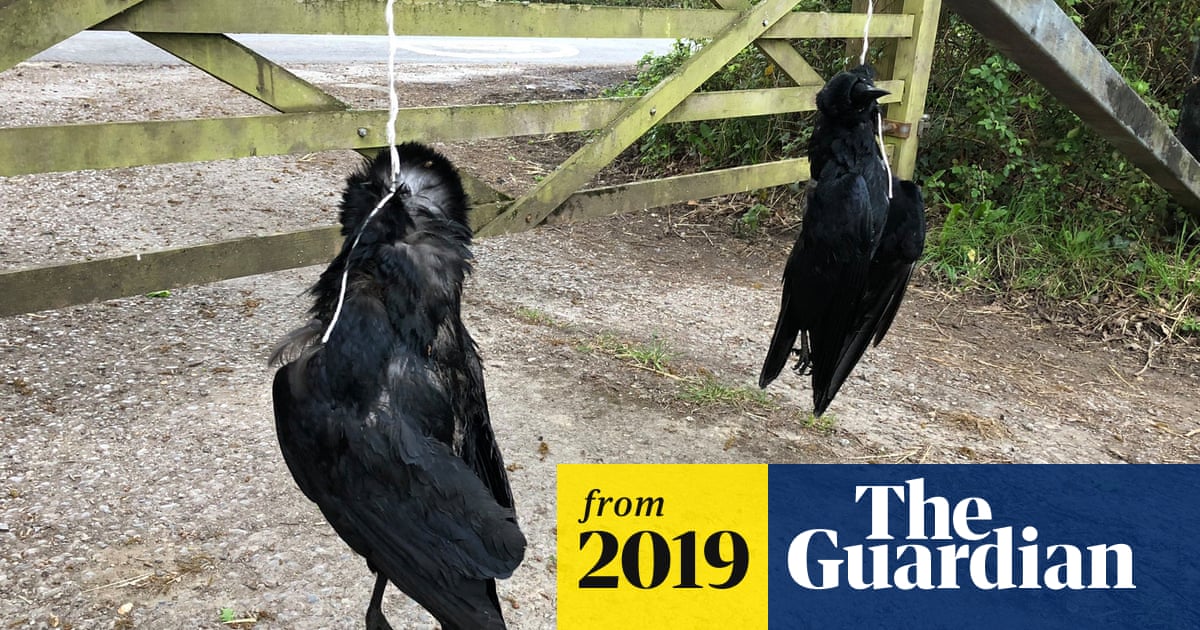
Credit: www.theguardian.com
Common Reasons For Bird Deaths Near Homes
Bird deaths near homes can happen for many reasons. Understanding these causes helps protect local bird populations. Some reasons are natural, others come from human activities. Knowing these can also explain why a bird died outside your house.
Environmental Hazards
Birds face many dangers from their environment. Storms and strong winds can injure or kill birds. Toxic plants or polluted water can poison them. Windows are a big threat. Birds often fly into glass because they cannot see it. This causes serious injuries or death.
Predation And Natural Causes
Predators like cats, hawks, and snakes hunt birds near homes. Cats are especially dangerous because they live close to people. Natural illnesses also affect birds. Some birds get sick or old and die naturally. Nesting accidents or fights between birds can cause injuries too.
Human Impact On Bird Life
Human activities greatly affect birds. Pesticides and chemicals reduce their food and harm their health. Lights from buildings confuse birds, causing crashes or exhaustion. Trash and plastic waste can trap or poison birds. Loud noises and construction disturb their habitats and nesting sites.
Emotional Impact Of Witnessing A Bird’s Death
Witnessing a bird’s death outside your house can stir deep emotions. It brings a sudden pause to daily life. The sight may evoke sadness, confusion, or even a strange sense of peace. Such moments make us reflect on life’s fragility and our connection to the world around us. The emotional impact lingers, inviting thoughts about nature, loss, and existence.
Grief And Connection To Nature
Seeing a bird die can feel like losing a small part of nature. Birds often symbolize freedom and beauty. Their sudden death can trigger a mild grief. This grief is not just about the bird but about nature’s delicate balance.
It reminds us that all living things face vulnerability. This moment connects us emotionally to the environment. We feel closer to the natural world and its cycles of life and death. It can deepen respect and care for wildlife.
Personal Reflections And Meaning
Such an event prompts personal reflection. People may think about life’s meaning and their own mortality. The bird’s death can feel symbolic, a message or a sign.
It encourages questions like:
- What is the value of each life?
- How do we cope with loss?
- What lessons does nature teach us?
These reflections can lead to a greater awareness of our place in the world. It might inspire kindness, patience, and mindfulness. Witnessing a bird’s death becomes a quiet, profound experience.
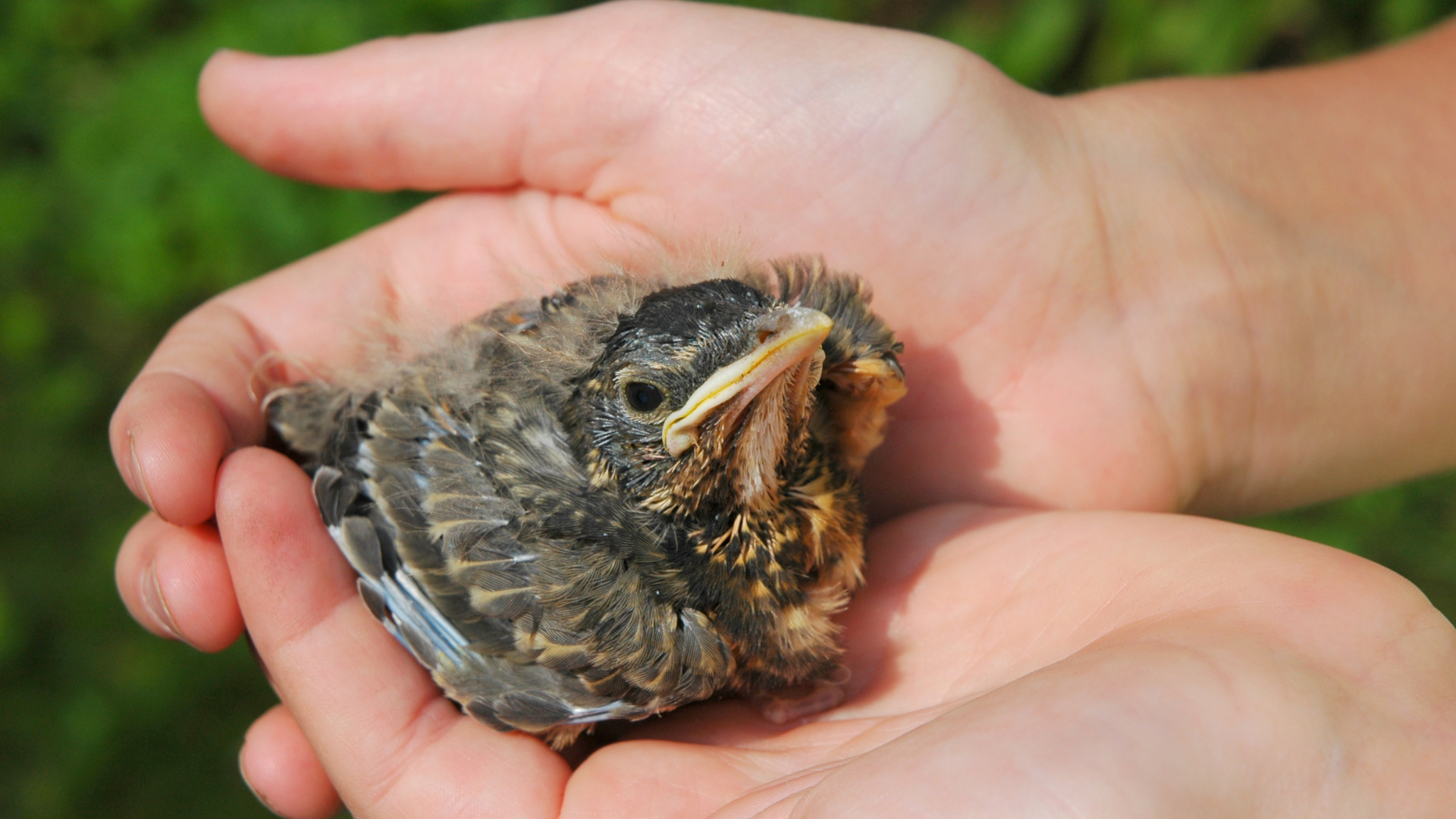
Credit: pethelpful.com
Messages From Nature
Nature often communicates in subtle ways, offering silent messages and hidden meanings. These messages may come through unexpected events or encounters with wildlife. A bird dying outside your house can evoke thoughts and reflections. It may seem like a simple event, but to many, it holds deeper significance. Such moments encourage us to pause and consider the messages from nature.
Signs And Omens In Nature
People throughout history have regarded nature as a source of wisdom. Birds, in particular, have been symbols in many cultures. A bird’s sudden death might be seen as an omen or a sign. It could symbolize an end, change, or a spiritual message. Observing these signs helps us connect with the natural world. It also encourages mindfulness and reflection on life’s cycles.
How To Interpret Silent Messages
Interpreting nature’s messages requires attention and openness. Consider the context of the bird’s presence and passing. Reflect on your emotions and thoughts when you discovered the bird. Ask yourself what feelings or memories it stirred. These reflections can provide insights into your current life situation.
Pay attention to patterns or repeated events in nature. They might indicate recurring themes or lessons. Keeping a journal can help track these occurrences and your interpretations. This practice enhances your understanding and connection with nature’s messages.
Protecting Birds Around Your Home
Protecting birds around your home is more important than you might think. Every small change you make can create a safer environment for these delicate creatures. After witnessing a bird die outside my own house, I realized how much our daily actions impact local wildlife. This pushed me to find ways to help birds thrive close to home.
Creating Bird-friendly Spaces
Start by adding native plants to your garden. These plants provide natural food and shelter for birds, making your yard a safe haven. You don’t need a large space; even a balcony with a few pots of flowering plants can attract birds.
Consider installing bird feeders and bird baths, but keep them clean. Dirty feeders can spread diseases among bird populations. Have you noticed birds returning more often to certain spots in your yard? That’s a sign you’re creating a welcoming space.
Providing nesting boxes is another great way to support birds. Different species prefer different types of boxes, so a bit of research can help you cater to local birds. This small effort can make a big difference in helping birds raise their young safely.
Reducing Risks To Local Wildlife
Many dangers for birds come from everyday items around your home. For example, reflective windows often confuse birds, leading to fatal collisions. You can reduce this risk by adding decals or external screens to your windows.
Keep cats indoors or supervise them when outside. Domestic cats are a major threat to local bird populations. Think about how you can create a safe outdoor space for your pets that doesn’t endanger wildlife.
Use natural pest control methods instead of chemicals. Pesticides and herbicides can poison birds directly or through their food sources. How often do you check the labels on your garden products to ensure they’re wildlife-friendly?

Credit: hklarajane.medium.com
Finding Peace After A Bird’s Death
Finding peace after a bird’s death can feel difficult. The sudden loss of a small life outside your home brings a moment to pause and reflect. It reminds us of life’s fragile beauty and the natural cycle we all share. Accepting this helps calm the mind and soothe the heart.
Simple acts and thoughts can guide you to peace. They offer comfort and a way to honor the bird’s brief presence. These moments of remembrance connect us deeply to nature and its rhythms.
Rituals And Remembrance
Creating a small ritual can bring calm and closure. You might light a candle or place a flower near where the bird was found. These acts show respect and help you say goodbye.
- Write a few words about what the bird meant to you.
- Draw or paint a picture inspired by the bird.
- Spend a quiet moment outside, thinking of the bird’s spirit.
Remembering in simple ways helps honor the life that touched yours. It turns sadness into a gentle memory.
Connecting With Nature’s Cycle
Nature moves in cycles of birth, life, and death. A bird’s passing is part of this ongoing flow. Observing seasons, new growth, and returning birds reminds us life continues.
Spend time outside to feel this connection. Watch the plants grow or listen to other birds sing. Nature shows that endings lead to new beginnings.
- Notice how the sun rises and sets each day.
- Feel the wind or rain as part of life’s rhythm.
- Observe other animals carrying on their daily routines.
Embracing nature’s cycle brings acceptance and a peaceful heart.
Frequently Asked Questions
Why Did A Bird Die Outside My House Suddenly?
Birds can die suddenly due to illness, injury, or environmental hazards. Common causes include disease, predators, or collisions with windows. Weather extremes and pollution also affect bird health. Observing local wildlife conditions can help identify potential causes.
What Should I Do If A Bird Dies Near My Home?
Wear gloves when handling the bird to avoid diseases. Dispose of the bird properly by burying it or contacting local wildlife services. Clean the area to prevent attracting pests. Avoid touching the bird with bare hands for safety.
Can A Dead Bird Outside Pose Health Risks?
Yes, dead birds can carry diseases like avian flu or parasites. Handling them without protection may expose you to infections. Always use gloves and wash hands thoroughly after contact. Proper disposal reduces health risks to humans and pets.
How To Prevent Birds From Dying Near My House?
Keep windows clean and use decals to prevent collisions. Avoid using pesticides and keep pets supervised. Provide fresh water and food to support bird health. Creating safe habitats helps reduce bird deaths near your home.
Conclusion
A bird dying outside your house can feel sad and strange. It reminds us how fragile life is, even for small creatures. Nature shows us both beauty and loss every day. Paying attention to these moments helps us appreciate life more.
We can learn kindness and care from simple events like this. Life moves on, but memories stay with us. Each small story in nature has meaning. Keep watching and listening to the world around you. It teaches lessons words cannot always explain.




