
Have you ever wondered why experts often say, “No mirrors for birds”? If you have a pet bird or are thinking about getting one, this question is more important than you might realize.
Mirrors might seem like a fun way to keep your feathered friend entertained, but they can actually cause unexpected problems. You’ll discover the surprising reasons why mirrors could harm your bird’s well-being—and what you can do instead to keep your pet happy and healthy.
Keep reading to protect your bird from hidden dangers you might not have known about.
Bird Behavior And Mirrors
Many people wonder if placing mirrors helps birds feel less lonely. Mirrors show birds their reflection. But birds do not see mirrors like humans do.
Understanding how birds react to mirrors helps us care for them better. Birds’ behavior around mirrors can be confusing and sometimes harmful.
How Birds Perceive Reflections
Birds do not recognize themselves in mirrors. They think the reflection is another bird. This is because most birds lack self-awareness of reflections.
Reflections can look like a real bird. The mirror shows movements and colors that attract the bird’s attention. Birds use sight to identify other birds.
- Birds see reflections as strangers or rivals
- They cannot tell the difference between mirror images and real birds
- Reflection can trigger social or territorial behaviors
Common Reactions To Mirrors
Birds may react to mirrors in many ways. Some become curious and try to interact. Others may show signs of stress or aggression.
Repeated exposure to mirrors can cause birds to become obsessed. They may waste energy attacking their reflection or trying to communicate.
- Pecking or attacking the mirror
- Singing or calling to the reflection
- Trying to court or mate with the image
- Becoming anxious or stressed
- Ignoring the mirror after some time
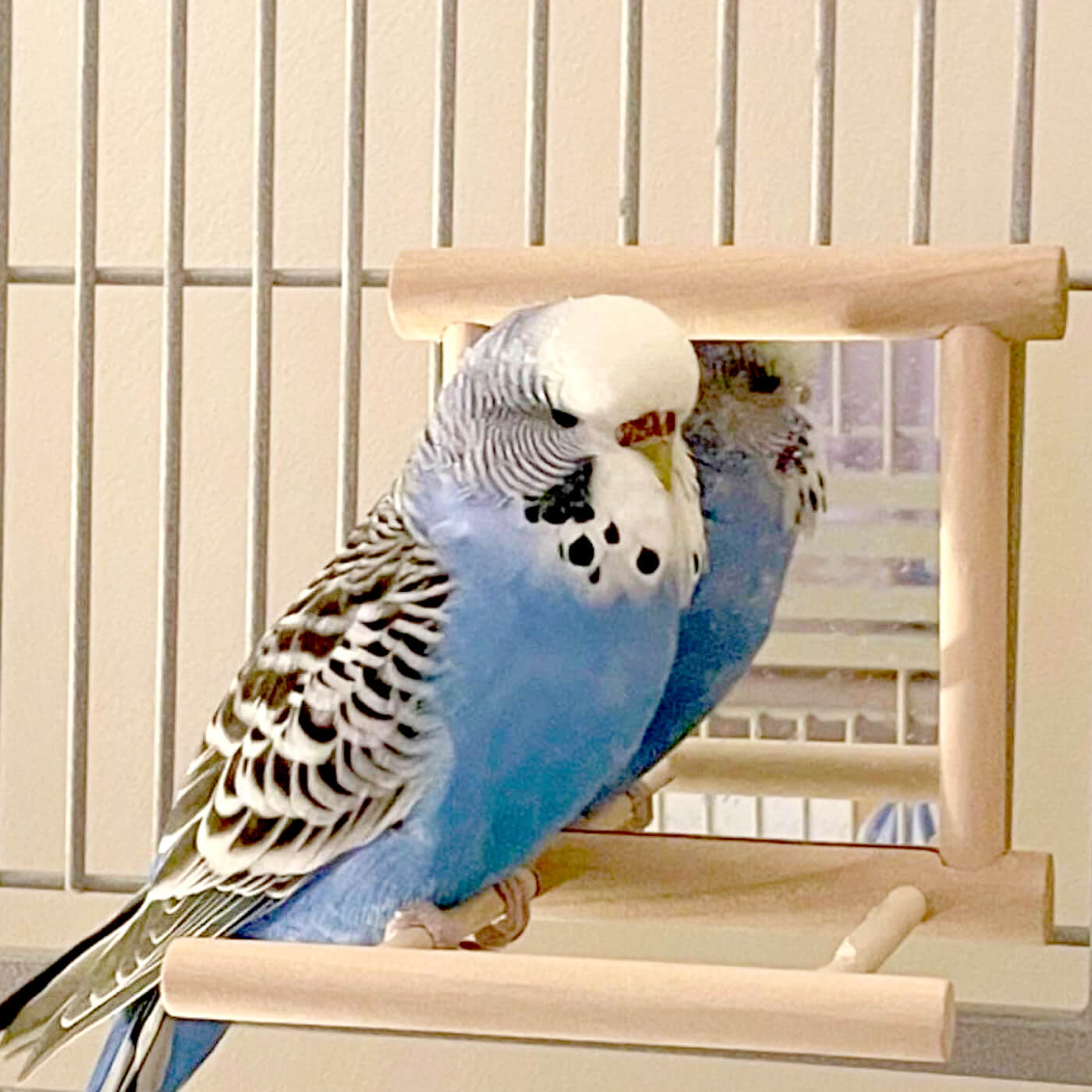
Credit: parrotessentials.co.uk
Negative Effects Of Mirrors On Birds
Mirrors can cause problems for birds in many ways. Birds may see their reflection and think it is another bird.
This confusion can lead to stress and unwanted behavior. It is important to understand these effects before using mirrors around birds.
Stress And Aggression
Birds often react to mirrors with stress. They may attack their own reflection, thinking it is a rival.
- Increased heart rate and anxiety
- Repeated pecking or hitting the mirror
- Loss of appetite due to stress
- Excessive vocalizing or calling
Confusion And Territorial Issues
Birds use territory to feel safe. Mirrors create a false sense of another bird in their space.
| Issue | Effect on Bird |
|---|---|
| Territorial Defense | Bird attacks mirror to defend space |
| Confusion | Bird cannot find “intruder” and wastes energy |
| Social Behavior | Misleading signals cause isolation or aggression |
Impact On Breeding And Health
Mirrors can harm birds during breeding season. They may spend too much time near their reflection.
- Reduced time for mating activities
- Lower quality of nest care
- Increased risk of injury from repeated attacks
- Weakened immune system from stress
Why Mirrors Are Harmful In Bird Cages
Many bird owners think mirrors can keep their birds happy. They believe birds enjoy looking at themselves. But mirrors can cause real problems for caged birds.
Mirrors can confuse birds and affect their well-being. Understanding why mirrors harm birds helps owners make better choices.
False Companionship Risks
Birds may see their reflection as another bird. This makes them think they have a friend. But the mirror bird cannot interact back.
This false companionship can cause stress. Birds might spend too much time watching the mirror. They can become lonely or frustrated.
- Birds may attack their reflection thinking it is a rival
- Some birds get obsessed with the mirror and ignore real toys
- False friends do not respond to calls or play
Interference With Social Behavior
Birds learn social skills by interacting with others. A mirror can stop them from learning real social cues. This harms their natural behavior.
When birds rely on mirrors, they may avoid real birds. They miss out on important social play and communication. This can lead to loneliness and anxiety.
- Mirrors do not teach birds how to share or cooperate
- Birds may become shy or aggressive around real birds
- Social skills are weaker without real interaction
Safe Alternatives To Mirrors
Mirrors can confuse birds and cause stress. They might think their reflection is another bird. This can lead to fear or aggression.
Choosing safe alternatives helps keep birds happy and calm. These options give birds fun ways to stay active.
Toys And Enrichment Options
Birds need toys to stay busy and healthy. Toys can help birds use their minds and bodies. They reduce boredom and stress.
Safe toys include swings, bells, and chewable wooden blocks. Shiny or reflective toys are better than mirrors. They do not scare birds.
- Wooden chew toys
- Plastic rings and bells
- Foraging toys with treats
- Swings and ladders
Social Interaction Benefits
Birds are social animals. They enjoy talking and playing with others. Social time helps birds feel safe and loved.
Spending time with your bird or other birds is better than a mirror. It improves their mood and behavior. Social interaction keeps them active and happy.
- Talking softly to your bird
- Offering supervised playtime with other birds
- Training sessions with treats
- Regular attention and care
Expert Opinions And Research Findings
Bird owners often wonder if mirrors are good for their pets. Many think mirrors keep birds company. Experts and studies show this idea is not always true.
Research and specialist advice help us understand why mirrors can be harmful. This content explains what experts say and what studies find about mirrors for birds.
Studies On Mirror Use In Birds
Scientists studied how birds react to mirrors in cages. Some birds see their reflection as a friend. Others become stressed or aggressive.
Studies found that mirror use can cause confusion. Birds may try to communicate with their reflection. This can lead to frustration when the mirror does not respond.
- Some birds spend too much time with mirrors, ignoring real social interaction.
- Mirror use may increase aggression in territorial birds.
- Birds can develop repetitive behaviors from mirror stress.
Recommendations From Avian Specialists
Avian vets and bird experts usually advise against mirrors for pet birds. They say mirrors can cause mental health problems in birds.
Specialists recommend other ways to enrich a bird’s life. Toys, social time, and safe play areas are better choices than mirrors.
- Provide real social interaction with humans or other birds.
- Use toys that stimulate natural behaviors.
- Offer varied environments to keep birds active.
- Observe birds closely for signs of stress from mirrors.

Credit: www.reddit.com

Credit: www.amazon.com
Frequently Asked Questions
Why Should Birds Not Have Mirrors In Cages?
Mirrors can confuse birds by making them think another bird is present. This causes stress and aggressive behavior. Birds may become obsessed with their reflection, leading to loneliness and anxiety when alone.
How Do Mirrors Affect Bird Behavior Negatively?
Mirrors can trigger territorial aggression as birds see their reflection as a rival. This can cause constant stress and harm. The reflection may also prevent social interaction and proper mental stimulation.
Are Mirrors Harmful To Pet Birds’ Mental Health?
Yes, mirrors can cause mental distress in pet birds. They might become overly attached or stressed by their reflection. This impacts their emotional well-being and can lead to behavioral issues.
What Alternatives Exist Instead Of Mirrors For Birds?
Provide toys, perches, and social interaction instead of mirrors. Natural stimuli like plants and varied environments enrich birds’ lives. This promotes mental health and reduces stress.
Conclusion
Birds can get confused or scared by mirrors. They may think their reflection is another bird. This can cause stress or aggression. Avoid placing mirrors where birds live or visit. Providing natural surroundings helps birds feel safe and calm. Understanding bird behavior keeps them happy and healthy.
Choose safe decorations that do not harm wildlife. Simple steps protect birds and support their well-being. Caring for birds shows respect for nature’s creatures.




