
Are you wondering where to position bird feeders to attract the most beautiful birds to your yard? The right spot can make all the difference.
Place your feeders in the perfect location, and you’ll enjoy more visits, vibrant colors, and the soothing sounds of nature right outside your window. But if you put them in the wrong place, you might see fewer birds or even scare them away.
Keep reading, and you’ll discover simple tips that help you find the ideal spots for your feeders—making your outdoor space a favorite stop for feathered friends.
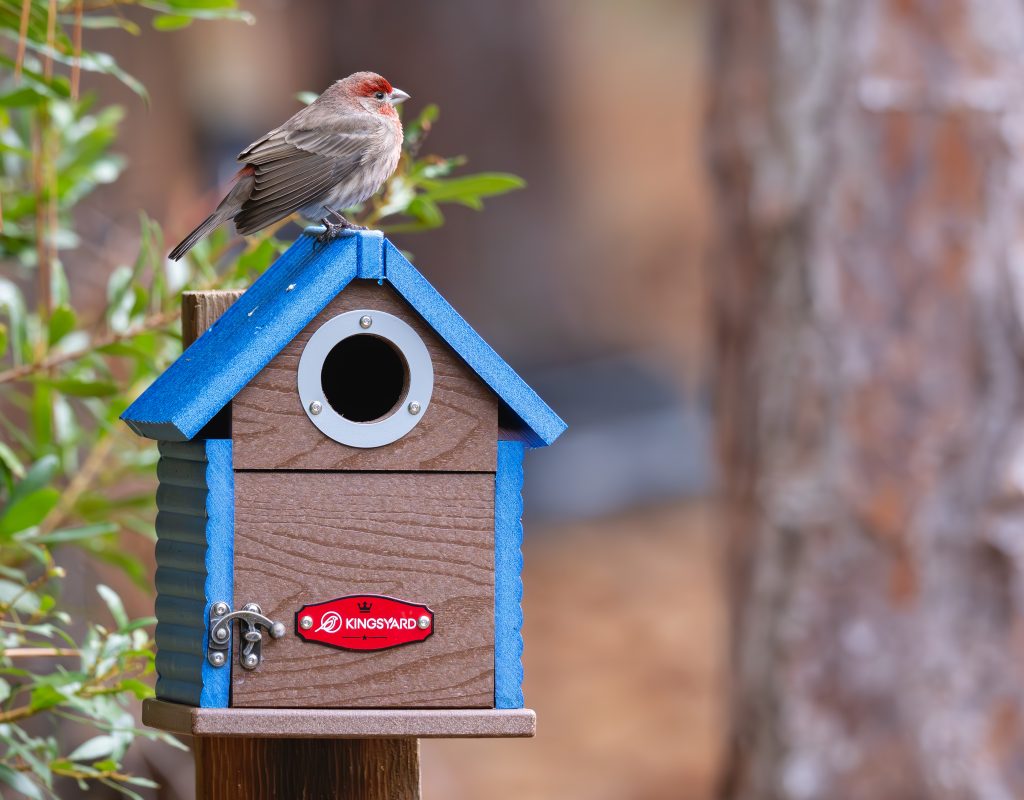
Credit: www.kingsyard.com
Choosing The Right Location
Choosing the right location for your bird feeder is key to attracting birds and keeping them safe. The spot should offer comfort and protection for birds. It must also be easy for you to reach for refilling and cleaning.
Consider Bird Safety
Place feeders away from places where cats and predators can hide. Avoid spots near windows to prevent bird collisions. Keep feeders at least 5 feet off the ground. Surrounding shrubs or trees help birds escape if danger comes.
Find A Quiet Spot
Birds prefer calm, peaceful areas. Choose a location away from loud noises and heavy foot traffic. A quiet corner in your garden or backyard works well. This helps birds feel safe and stay longer at the feeder.
Ensure Easy Access
Pick a place you can reach easily for refilling seed. Make sure you can clean the feeder without trouble. Avoid spots that need ladders or difficult tools. Easy access keeps the feeder fresh and inviting for birds.
Balancing Sunlight And Shade
Finding the right spot for bird feeders means balancing sunlight and shade carefully. Birds enjoy warmth but can tire quickly under strong sun. Too much heat can spoil their food and scare them away. Shade offers coolness but too much can make feeders damp or moldy. A good mix helps birds stay comfortable and keeps seeds fresh longer.
Benefits Of Morning Sun
Morning sun warms bird feeders gently. It helps dry dew and moisture from seeds. Birds feel safe and energetic in cooler morning light. The soft sun encourages birds to visit early. Warm feeders attract more feathered friends for your garden.
Avoiding Harsh Afternoon Heat
Strong afternoon sun can overheat feeders quickly. Hot seeds lose freshness and spoil fast. Birds avoid feeders in harsh heat to stay cool. Shade in the afternoon protects both birds and food. Keep feeders under trees or eaves to block hot rays.
Protecting Feeders From Predators
Protecting your bird feeders from predators is essential to keep the visiting birds safe and comfortable. Predators like cats, squirrels, and even larger birds can scare away or harm smaller birds. Placing feeders thoughtfully can create a safer feeding environment and encourage more frequent visits.
Keep Feeders Away From Hiding Spots
Predators often use nearby bushes, trees, or tall grass as cover to stalk birds. Positioning your feeders at least 10 feet away from these hiding spots reduces the chances of surprise attacks. Think about where a cat or hawk might hide in your yard and place feeders where they have clear visibility.
I once placed a feeder close to a dense hedge, and almost every day I saw a cat waiting silently nearby. Moving the feeder just a few feet away made a huge difference—birds started visiting more often, and the cat lost interest. Have you noticed any suspicious hiding spots around your yard?
Use Baffles And Guards
Baffles are barriers that block predators from climbing or jumping onto feeders. These can be cone-shaped or cylindrical and are usually installed on poles or hanging wires. Adding a baffle below your feeder can stop squirrels and raccoons from reaching the food.
Metal guards around the feeder’s pole or hanging hooks can also prevent climbing predators. I recommend choosing weather-resistant materials to ensure they last through all seasons. Have you tried any baffles or guards yet? They can be simple to install but highly effective in protecting your bird visitors.
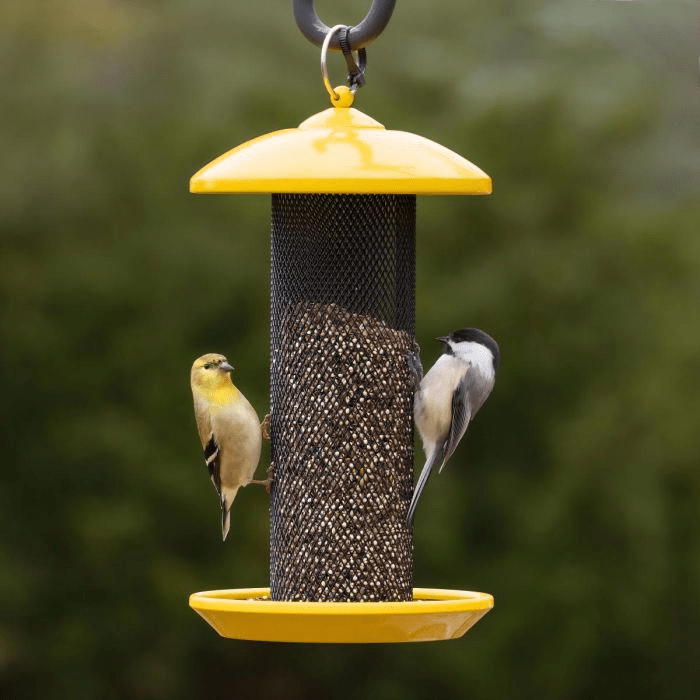
Credit: www.kingsyard.com
Maximizing Visibility For Birds
Maximizing visibility for birds at your feeders is key to attracting a variety of feathered visitors. Birds need a clear line of sight to spot food safely and quickly. If your feeder is hidden or blocked, birds may hesitate or avoid it altogether, reducing your chances of enjoying their presence.
Avoiding Obstructions
Make sure your bird feeder isn’t blocked by large branches, bushes, or garden furniture. Even small obstructions can make birds feel unsafe because they can’t see predators approaching.
Try to place feeders in open areas where birds have a wide view of the surroundings. This gives them confidence to land and feed without fear.
Have you noticed how birds often hesitate before landing? Clear visibility helps them decide faster and stay longer at your feeder.
Positioning Near Natural Cover
Birds need quick access to shelter. Position your feeder within 10-15 feet of trees or shrubs to provide a nearby hiding spot.
This natural cover lets birds dash to safety if danger appears. You’ll see more birds visiting when they feel protected.
Think about your own safety—would you feel comfortable eating in an exposed spot? Birds feel the same way and appreciate a nearby refuge.
Considering Neighbor And Human Traffic
Place bird feeders away from busy walkways to reduce disturbance for birds and neighbors. Quiet spots near windows offer good viewing without high human traffic. Consider peaceful locations to keep birds comfortable and visitors happy.
Positioning bird feeders involves more than just finding a spot with the best view. It’s crucial to consider the impact on both neighbors and human traffic. Respecting these aspects not only fosters a harmonious neighborhood but also ensures the safety and enjoyment of your birdwatching activities.Minimize Disturbance
Placing bird feeders away from high human traffic areas can significantly minimize disturbance. If you live in a bustling neighborhood, try to position the feeders in a quieter spot, like the backyard instead of the front porch. This not only reduces noise and movement that might scare away birds but also lessens the chances of your neighbors being annoyed by the increased bird activity. Think about the times when you have a quiet moment, only to be interrupted by loud chattering. Birds feel the same way when they are constantly disturbed by passing people or pets. By selecting a calmer area, you create a more inviting environment for them.Maintain Privacy
Privacy is another factor when deciding where to hang your bird feeders. You wouldn’t want to infringe on your neighbor’s space by placing a feeder too close to their property line. This could lead to unwanted bird mess or noise spilling over into their yard. Consider creating a comfortable viewing spot that maintains your privacy while enjoying the birds. Use natural barriers like trees or shrubs to keep the feeders within your sight but out of direct view from neighbors. This way, you can enjoy your feathered friends without feeling like you’re sharing the experience with the entire neighborhood. Does your current feeder placement respect both your peace and that of your neighbors? Adjusting the location might enhance the experience for everyone involved.Seasonal Placement Adjustments
Seasonal placement adjustments for bird feeders enhance bird watching experiences. Different seasons bring unique challenges and opportunities. Positioning feeders thoughtfully helps attract diverse bird species. This approach ensures birds have access to food year-round, regardless of weather conditions.
Adapting To Weather Changes
During winter, position feeders in sheltered areas. Protect them from harsh winds and heavy snow. Use evergreen trees or bushes as natural shields. They provide warmth and security for visiting birds.
In spring, place feeders in open areas. Birds are more active and need easy access. Ensure feeders are visible to migrating birds. Springtime brings new visitors eager to refuel.
Summer heat requires shaded spots for feeders. Too much sun spoils birdseed quickly. Choose locations under trees or near buildings. This keeps food fresh and inviting.
Encouraging Year-round Visitors
Offer diverse food types to suit all seasons. Use seeds, suet, and fruit to attract various species. Different birds prefer different foods. A variety ensures regular visitors throughout the year.
Maintain clean feeders to prevent diseases. Regularly check for mold or spoiled food. Cleanliness is key to encouraging healthy bird populations. Healthy birds return often for nourishment.
Ensure water sources are nearby. Birds need water for drinking and bathing. A simple birdbath adds great value to any feeding station. It keeps birds coming back, whatever the season.
Types Of Feeders And Ideal Spots
Choosing the right type of bird feeder and placing it in a good spot helps attract more birds. Different feeders suit different bird species and environments. Proper placement keeps birds safe and happy.
Platform Feeders
Platform feeders are flat and open. They hold many seed types and attract larger birds. Place them near trees or shrubs for cover from predators. Keep them about 4 to 6 feet off the ground. This height protects birds and makes feeding easy to watch.
Hanging Feeders
Hanging feeders come in many shapes like tube or sock styles. Hang them from tree branches or poles. Choose spots away from strong wind and heavy rain. Position them 5 to 6 feet high to avoid cats or squirrels. Hanging feeders attract small birds like finches and chickadees.
Window Feeders
Window feeders attach directly to glass. They offer close-up views of birds. Place them where you can watch without disturbing the birds. Clean the window and feeder often for bird health. Use feeders with suction cups strong enough to hold seed weight.
Maintaining Cleanliness And Hygiene
Keeping bird feeders clean is key for healthy birds and a pleasant garden. Dirt, old seeds, and droppings can attract pests and spread disease. Proper placement helps make cleaning easier and limits health risks for birds.
Easy-to-clean Locations
Choose spots with good light and easy access. Open areas near your house or on a porch work well. These places make it simple to reach the feeder for regular cleaning.
Avoid dense shrubs or tight corners. These spots can hide dirt and make cleaning tough. Pick locations where you can see all sides of the feeder clearly.
Preventing Mold And Disease
Place feeders where rain can rinse them but not soak the seeds. Wet seeds grow mold quickly, which harms birds. Use covered or partially sheltered spots to keep seeds dry.
Keep feeders off the ground to avoid contamination from soil or droppings. Mount them on poles or hang from tree branches. This reduces disease spread and keeps the area tidy.
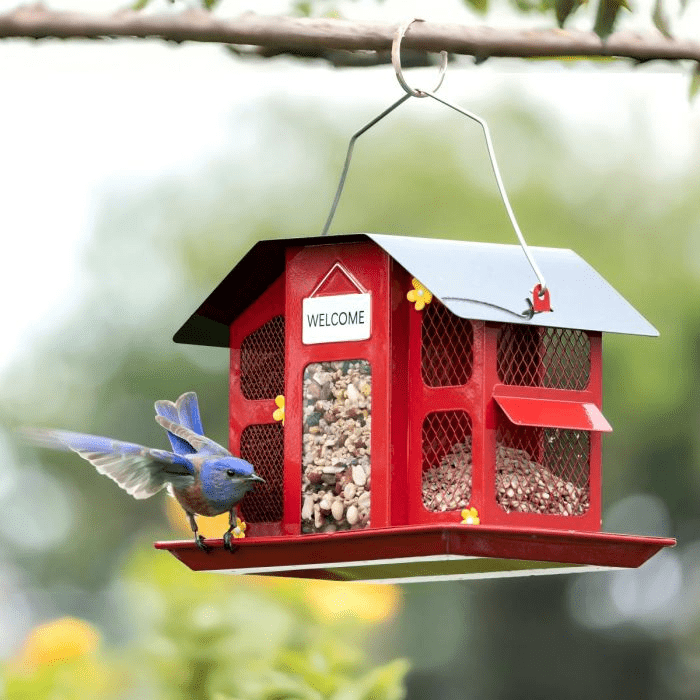
Credit: www.kingsyard.com
Frequently Asked Questions
Where Is The Best Place To Hang Bird Feeders?
The best place is near natural cover like trees or shrubs. This offers birds protection from predators and harsh weather. Ensure it’s visible from a window for easy viewing. Avoid areas with heavy foot traffic to keep birds comfortable and safe.
How Far Should Bird Feeders Be From Windows?
Place bird feeders at least 3 feet from windows to prevent bird collisions. Alternatively, position them 10-30 feet away so birds can see the glass clearly. This distance minimizes accidents and keeps birds safe while feeding.
Should Bird Feeders Be In Sun Or Shade?
Bird feeders in partial shade are ideal. Shade keeps seeds fresher and birds cooler on hot days. Full sun can spoil seeds quickly and stress birds. A balance of sun and shade attracts more birds comfortably.
How High Should Bird Feeders Be Placed?
Position bird feeders 5 to 6 feet above the ground. This height deters predators like cats and makes the feeder accessible for most birds. Ensure it’s stable and easy to refill, while providing a safe feeding spot.
Conclusion
Placing bird feeders in the right spot helps birds feel safe and welcome. Choose areas with nearby trees or bushes for shelter. Keep feeders away from busy paths to avoid scaring birds. Sunlight and shade balance keeps food fresh longer.
Watch your feeders often to enjoy more visits. Small changes can bring big rewards in bird watching. Try different spots to see what works best. Enjoy the peaceful moments with your feathered friends.




