
Have you ever wondered where an exotic bird really lives? These colorful creatures don’t just appear out of nowhere—they have homes that are as fascinating as their feathers.
Knowing where exotic birds thrive can change how you see them and even how you care for one, if you have one as a pet. You’ll discover the unique places these birds call home and why those environments matter. Keep reading, and you might find yourself seeing exotic birds in a whole new light.
Tropical Rainforests
Tropical rainforests are among the most vibrant and complex ecosystems on Earth. These dense forests receive heavy rainfall year-round, creating a lush environment that supports an incredible variety of wildlife. Exotic birds thrive here, finding food, shelter, and space in the many layers of the forest.
Canopy Dwellers
The canopy is the upper layer of the rainforest, where trees form a thick roof of leaves and branches. Many exotic birds, such as toucans and parrots, live here because they find plenty of fruit and insects to eat. You might be surprised how some birds use their bright colors to blend in with the flowers and fruits around them.
Have you ever noticed how these birds navigate so easily through dense branches? Their strong claws and lightweight bodies help them move swiftly without making much noise. This skill is vital for escaping predators and catching prey.
Understory Residents
Below the canopy lies the understory, a shadowy area filled with smaller trees and shrubs. Birds like the motmot and certain species of owls prefer this layer because it provides cover and hunting grounds. The understory is darker and more humid, so these birds often have adaptations like larger eyes for better night vision.
Imagine walking through this dimly lit part of the forest. You might hear the soft calls of birds communicating or see flashes of color darting between the leaves. This environment demands patience and sharp senses, both for the birds and for you as an observer.
Adaptations To Rainforest Life
Exotic birds in tropical rainforests have developed unique adaptations to survive in such a competitive habitat. Some have curved beaks to crack tough nuts, while others have long tongues to reach deep into flowers for nectar. These features are not just fascinating—they show how nature fine-tunes creatures for their homes.
Think about your own surroundings. What small adjustments have you made to thrive where you live? Like these birds, adapting to your environment often means noticing details others miss. Observing these adaptations can deepen your appreciation for the rainforest’s complex web of life.

Credit: birdsnways.com
Savannas And Grasslands
Savannas and grasslands stretch across vast regions of the world, offering unique habitats for exotic birds. These open landscapes combine scattered trees with wide grassy areas. The environment challenges birds to adapt in creative ways to thrive under the intense sun and frequent seasonal changes.
Birds Of Open Spaces
Birds living in savannas and grasslands often prefer open spaces for better visibility against predators. Species like the Secretarybird use their long legs to walk through tall grasses, hunting for snakes and insects. Can you imagine how their keen eyesight helps them spot prey from a distance?
Other birds such as the kori bustard rely on blending into the dry grasses to avoid danger. Their muted colors act like natural camouflage, making them nearly invisible until they move. You might be surprised how these birds balance the need for concealment with finding food.
Nesting In Sparse Trees
In these landscapes, trees are few and far between. Exotic birds often choose tall, isolated trees or thorny bushes to build their nests. This strategy keeps nests safe from ground predators and provides a good vantage point.
Some birds, like the weaver, create intricate hanging nests that sway with the wind. Have you ever wondered how such delicate structures can withstand storms? The secret lies in their weaving skills and the choice of sturdy branches.
Survival Strategies
Survival in savannas and grasslands means adapting to scarce water and fluctuating temperatures. Many birds time their breeding to match the rainy season, ensuring food availability for their chicks. This timing is crucial—missing it could mean starvation for the young.
Birds also use group behaviors to increase safety. For example, some species form flocks to spot predators quickly and share information about food sources. Think about how working together in your own life helps you overcome challenges—birds do the same in their habitats.
Mangroves And Coastal Areas
Mangroves and coastal areas form a rich habitat for many exotic birds. These zones offer shelter, food, and breeding sites. The mix of land and water creates a unique environment. Birds here adapt to tidal changes and salty water. They play key roles in these delicate ecosystems.
Unique Coastal Birds
Many exotic birds live only in mangrove and coastal areas. They have special traits for this habitat. Some have long legs for wading through shallow water. Others have sharp beaks for catching fish. Bright colors help some birds blend with the mangrove leaves. These birds often rely on the coastal environment for survival.
Breeding In Tidal Zones
Coastal birds choose tidal zones for nesting. The rising and falling tides protect nests from predators. Birds build nests in mangrove trees or on the ground. Timing is crucial; they lay eggs when tides are low. This ensures chicks hatch safely and find food nearby.
Feeding In Mangrove Ecosystems
Mangroves provide a rich feeding ground. Birds eat fish, crustaceans, and insects found in roots and mud. Some birds use tools to catch prey hiding in crevices. Others probe deep in the mud for food. The constant flow of nutrients supports a diverse food web. This makes mangroves essential for many exotic birds.
Mountain Regions
Mountain regions offer some of the most fascinating habitats for exotic birds. These areas challenge birds with steep terrain, lower oxygen levels, and colder temperatures. Yet, many species thrive here, showing unique behaviors and traits that help them survive.
High Altitude Species
Some exotic birds live at elevations above 10,000 feet. The Andean Condor, for example, soars effortlessly in the thin mountain air. These birds have developed strong wings to glide for hours without flapping, conserving energy in scarce oxygen.
Have you ever wondered how birds manage to breathe better where humans struggle? Their blood carries more oxygen, an adaptation crucial for life high in the mountains.
Adaptations To Cold
Cold mountain air demands special survival skills. Many birds grow denser feathers that trap heat close to their bodies. The Himalayan Monal, with its thick plumage, stays warm even during freezing nights.
Besides insulation, some birds reduce their activity to save energy. You might notice these birds fluffing up their feathers, a simple yet effective way to stay warm. What other clever ways could animals use to beat the cold?
Seasonal Movements
Mountain birds often change their location with the seasons. Some migrate to lower altitudes during winter to escape harsh weather. The Snow Partridge moves downward as snow levels rise, finding food more easily.
These seasonal journeys show how flexible exotic birds can be. If you observe a mountain bird, consider how its movements reflect survival strategies shaped by the environment around it.
Deserts And Arid Zones
Deserts and arid zones might seem like harsh environments for exotic birds, but many species have adapted remarkably well to these challenging conditions. These regions often feature extreme temperatures and scarce water sources, pushing birds to develop unique survival strategies. Understanding where and how these birds live gives you a new appreciation for their resilience and adaptability.
Birds Thriving In Dry Climates
Several exotic birds have made deserts their home. The Gila Woodpecker, for example, is often seen in the Sonoran Desert, nesting in cacti. The Greater Roadrunnerdarts quickly across the arid landscapes of the southwestern US, hunting insects and small reptiles.
Have you noticed how these birds manage to stay active during the hottest parts of the day? Many are crepuscular, meaning they are most active at dawn and dusk to avoid extreme heat.
Water Conservation Tactics
Water is scarce in deserts, so birds living here have developed clever ways to conserve it. Some, like the Sandgrouse, soak their belly feathers in water and carry it back to their chicks. Others obtain moisture from the food they eat, such as insects or succulent plants.
Ever wondered how these birds avoid dehydration? Their bodies are efficient at retaining water, and they produce highly concentrated urine to minimize water loss.
Shelter And Nesting
Finding shelter is critical in arid zones. Birds often nest in shaded areas like rocky crevices, cactus spines, or burrows dug into the sand. These spots protect them from predators and help regulate temperature.
When you see a cactus with holes, it might be a home to a cactus wren or woodpecker. These birds create safe nesting spots that shield their eggs and chicks from the blistering sun.
Islands And Remote Habitats
Exotic birds captivate with their vibrant colors and unique behaviors. Many of these birds find their homes on islands and remote habitats. These isolated locations offer unique environments for diverse bird species. This setting supports the development of distinctive traits and adaptations. Let’s explore the fascinating world of endemic bird species, isolation effects, and conservation challenges.
Endemic Bird Species
Islands often host bird species found nowhere else in the world. These birds evolve separately, developing unique characteristics. The Galápagos Islands, for example, are home to the famous Darwin’s finches. Hawaii also boasts a rich variety of endemic birds. Each species plays a vital role in its ecosystem. Their presence reflects the delicate balance of island habitats.
Isolation Effects
Isolation shapes the evolution of exotic birds significantly. With limited predators, birds may lose flight capabilities. The flightless dodo of Mauritius is a prime example. Isolation also leads to specialized diets and behaviors. Birds adapt to their unique environments over time. This often results in striking differences from mainland relatives.
Conservation Challenges
Islands and remote habitats face unique conservation issues. Limited land makes these areas vulnerable to habitat loss. Invasive species further threaten native bird populations. Rats, cats, and other non-native animals disrupt ecosystems. Conservation efforts focus on habitat restoration and protection. Engaging local communities is crucial for long-term success.
Urban Environments
Exotic birds often adapt to urban environments by nesting in parks, gardens, and green spaces. These areas provide shelter and food sources amid city life. Urban trees and shrubs create safe habitats for many bird species.
Urban environments, bustling with human activity, might not seem like the ideal habitat for exotic birds, yet they often thrive in these bustling landscapes. With skyscrapers as their backdrop and city parks as their playgrounds, these birds surprise us with their adaptability. But what makes urban areas attractive to these vibrant creatures?Exotic Birds In Cities
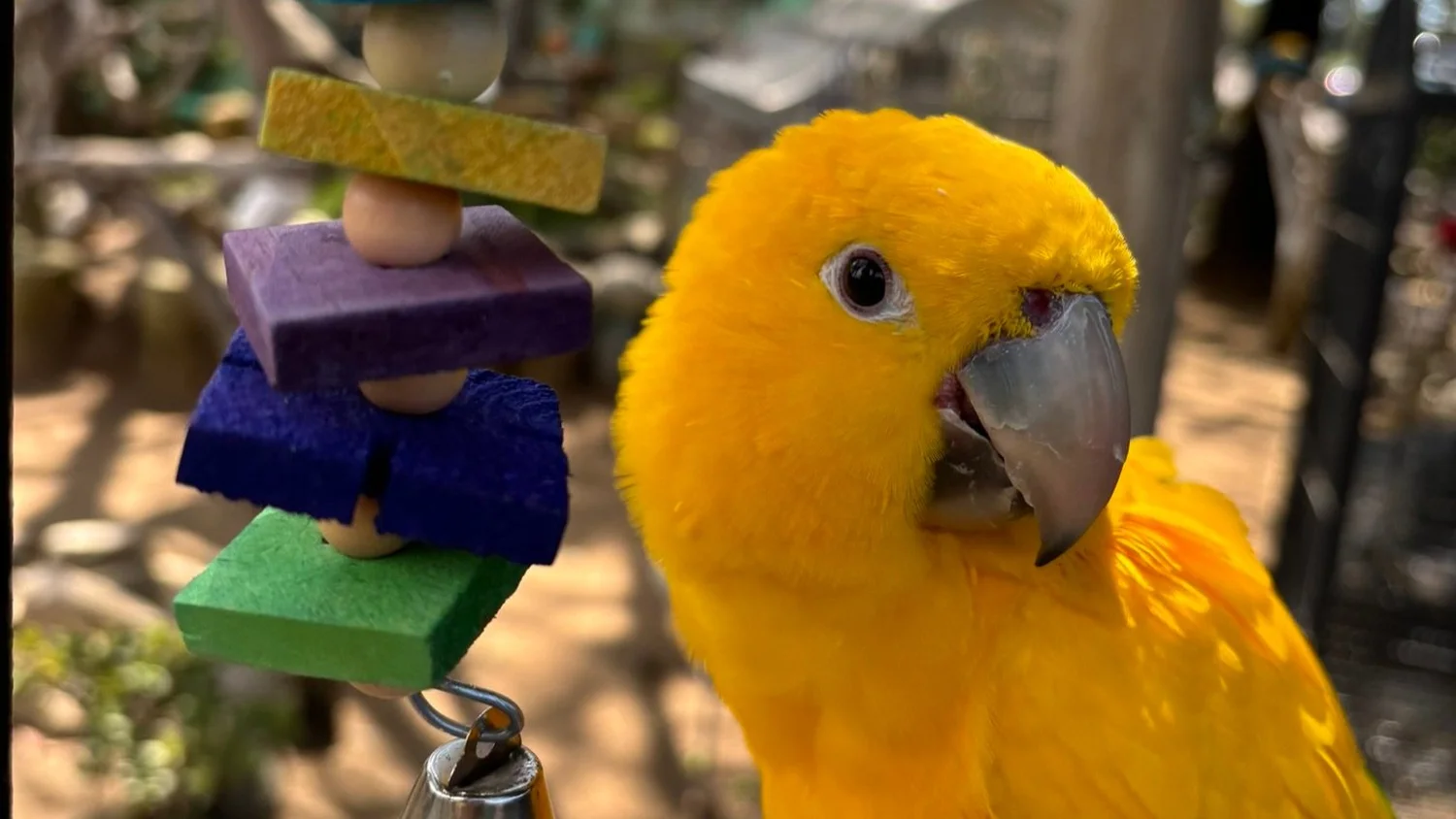
Exotic birds in cities add a splash of color to the concrete jungle. You might spot a parrot perched on a balcony or a bright macaw flying across a park. These avian residents become a part of the city’s unique charm, sometimes even becoming local celebrities. Many cities worldwide, like San Francisco and Sydney, have become home to these beautiful birds. They often escape from captivity or are released and find a way to coexist with their human neighbors. Their presence turns mundane city life into an unexpected wildlife experience.Adaptation To Human Presence
Exotic birds demonstrate an impressive ability to adapt to human presence. They learn to navigate busy streets and find food in urban gardens and feeders. Observing them can teach us about resilience and the importance of adapting to changing environments. Have you ever wondered how these birds manage in such densely populated areas? Their intelligence allows them to exploit resources that are unique to cities, such as leftover food and artificial nesting sites. This adaptability ensures their survival and sometimes even thrives amidst urban chaos.Impact Of Urbanization
Urbanization poses challenges but also opportunities for exotic birds. While some species struggle with habitat loss, others find new niches in city environments. It’s a delicate balance, where the benefits and drawbacks of urban living constantly weigh against each other. What impact does your city life have on these birds? Increased noise and pollution can stress them, but urban parks and gardens can offer sanctuary. Encouraging green spaces and mindful city planning can help maintain this balance, ensuring that our feathered friends continue to coexist with us. By observing and understanding their presence, we can make cities more hospitable for these unexpected urban dwellers. Could your city become a haven for exotic birds?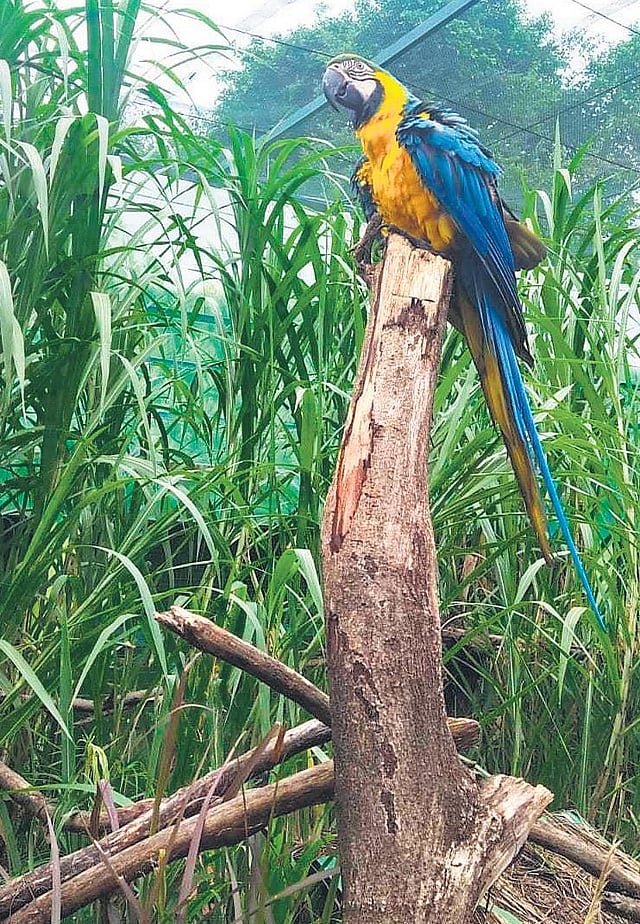
Credit: www.newindianexpress.com
Credit: www.freeflightbirds.org
Frequently Asked Questions
Where Do Exotic Birds Naturally Live?
Exotic birds mainly live in tropical and subtropical regions worldwide. They thrive in rainforests, savannas, and islands with rich vegetation and diverse ecosystems.
What Habitats Do Exotic Birds Prefer?
Exotic birds prefer habitats with dense trees, abundant food, and water sources. They often inhabit forests, wetlands, and coastal areas with minimal human disturbance.
Can Exotic Birds Live In Urban Areas?
Some exotic birds adapt to urban environments, especially parks and gardens. However, most prefer natural habitats with ample space and food.
Which Continents Have The Most Exotic Bird Species?
South America, Africa, and Asia host the highest diversity of exotic birds. These continents offer varied climates and habitats ideal for their survival.
Conclusion
Exotic birds live in many different places around the world. Some prefer warm rainforests, others dry deserts or high mountains. Each bird has a home that fits its needs for food, shelter, and safety. Understanding where they live helps us protect their natural habitats.
These beautiful creatures depend on healthy environments to survive. Watching exotic birds in their homes shows us nature’s variety and wonder. Protecting their homes means caring for the planet too. Learning about their habitats brings us closer to these amazing animals.




