
If you love watching birds, you know how important it is to see every feather and color clearly. Choosing the right magnification binoculars can make all the difference between a blurry guess and a stunning close-up view.
But with so many options out there, how do you find the perfect pair that fits your needs? In this guide, you’ll discover exactly what magnification works best for bird watching, helping you enjoy every moment in nature like never before.
Keep reading—you’re just one step away from transforming your bird watching experience.
:max_bytes(150000):strip_icc()/tal-opticron-oregon-4-pc-oasis-8x42-binocular-kathryn-braet-5-92012e7d06b945acbff37493422bab6a.jpeg)
Credit: www.travelandleisure.com
Choosing The Right Magnification
Choosing the right magnification is key to enjoying bird watching with binoculars. The magnification affects how close birds appear and how steady the view stays. Picking the correct power makes spotting birds easier and more fun. Understanding magnification basics helps find binoculars that suit your needs.
Low Vs High Magnification
Low magnification binoculars usually range from 6x to 8x. They offer a wider field of view. This makes it easier to spot fast-moving birds. The image is steadier because hand shake is less visible. High magnification starts at 10x or more. It brings birds closer but narrows the view. The image can be shaky without a tripod. Low magnification is good for beginners and wide areas. High magnification suits detailed viewing and distant birds.
Ideal Range For Bird Watching
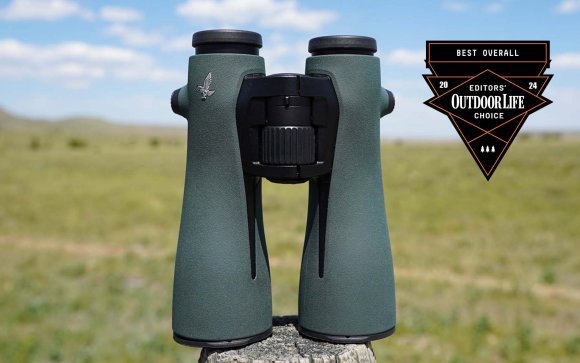
The best magnification for bird watching is between 7x and 10x. This range balances closeness and stability. It offers clear images without too much shaking. Binoculars with 8×42 are very popular among birders. They provide bright, sharp images and a wide view. Magnification above 10x may require extra support. Anything below 7x might not show enough detail. Choose magnification based on where and how you watch birds.
Credit: www.outdoorlife.com
Key Features To Consider
Choosing the right magnification binoculars for bird watching requires understanding key features. These features impact how clearly and comfortably you can observe birds. Focus on the essentials to enhance your birding experience.
Field Of View
Field of view means the wide area visible through the binoculars. A wider field lets you spot birds easily. It helps track fast-moving birds without losing sight. Look for binoculars with a broad field of view for better bird watching.
Image Stability
Image stability affects how steady the bird image appears. Higher magnification can cause shaky views. Choose binoculars with good stability to keep images clear and steady. This reduces eye strain and improves focus on distant birds.
Brightness And Clarity
Brightness and clarity determine how sharp and vivid the bird looks. Larger lenses gather more light for brighter images in low light. Clear optics reduce blur and distortion. Quality lenses with coatings improve color and contrast, making birds easier to identify.
Types Of Binoculars For Bird Watching
Choosing the right binoculars for bird watching can change the entire experience. Different types of binoculars offer unique benefits depending on your needs, environment, and how often you plan to use them. Understanding these types helps you pick a pair that fits your style and makes spotting birds easier and more enjoyable.
Compact Binoculars
Compact binoculars are lightweight and easy to carry, making them perfect for quick trips or long hikes. They usually have smaller lenses, which means they gather less light but still provide good clarity during daylight. If you value portability and convenience, compact binoculars could be the best choice for your bird watching adventures.
Imagine hiking through a dense forest with heavy gear; having compact binoculars means less bulk and more freedom to focus on the birds. However, if you often watch birds in low light or want maximum detail, these might not meet your needs fully.
Full-size Binoculars
Full-size binoculars offer larger lenses, which bring in more light and create brighter, sharper images. They are ideal for bird watchers who prioritize image quality over weight and are often used in low-light conditions like dawn or dusk. These binoculars can reveal intricate details of bird plumage and behavior that compact models might miss.
While they are heavier, the improved clarity can make a big difference if you spend long hours observing birds. Ask yourself if you’re willing to carry extra weight for better performance. For many serious birders, this trade-off is worth it.
Zoom Binoculars
Zoom binoculars let you adjust the magnification level, offering flexibility to switch between wide views and close-ups. This adaptability can be useful if you watch birds at varying distances or want to experiment with different zoom settings. However, zoom binoculars sometimes sacrifice image quality and stability compared to fixed-magnification models.
Think about whether you value versatility over sharpness. If you like to observe both nearby and distant birds without changing gear, zoom binoculars might fit your style. Just be mindful that adjusting zoom frequently can cause image shake, which might frustrate some users.
Top Magnification Models
Choosing the right magnification for bird watching binoculars affects your experience greatly. The best models balance clarity, field of view, and ease of use. Higher magnification offers closer views but can reduce image stability. Lower magnification provides wider views and steadier images. Here are top magnification models suited for different skill levels and needs.
Best For Beginners
Binoculars with 8x magnification are ideal for beginners. They offer a clear, bright image without being too powerful. This magnification provides a wide field of view, making it easier to spot moving birds. Models with 8×42 specifications are popular because they balance light and size well. They are lightweight and comfortable for long use. Beginners benefit from binoculars that are simple to handle and forgiving with hand movements.
- 8×42 magnification
- Wide field of view
- Good brightness in low light
- Lightweight and easy to hold
- Durable and weather-resistant
Best For Advanced Birders
Advanced bird watchers often choose binoculars with 10x magnification. These offer closer views and more detail. The trade-off is a narrower field of view and the need for steadier hands or a tripod. Models with 10×42 or 10×50 are common among serious birders. They provide sharp images and good brightness. High-quality optics reduce distortion and improve color accuracy. Advanced users prefer features like waterproofing and fog proofing for all-weather use.
- 10×42 or 10×50 magnification
- High image sharpness
- Narrower field of view
- Enhanced color and contrast
- Sturdy, weather-proof build
Balancing Magnification And Portability
Choosing the right magnification for bird watching means finding a balance. High magnification reveals fine details but adds weight and bulk. Low magnification offers a wider view and easier handling. Portability is key for long walks and quick reactions in nature. A good pair of binoculars should be light enough to carry comfortably yet strong enough to see distant birds clearly.
Weight Considerations
Heavy binoculars tire your arms quickly during long birding trips. Lightweight models reduce fatigue and increase comfort. Compact binoculars with moderate magnification often weigh less than larger, high-powered ones. Materials like aluminum or magnesium can cut weight without losing strength. Think about how long you will carry them and how far you will walk.
Ease Of Use In The Field
Simple controls make spotting birds faster and more enjoyable. Large focus wheels and smooth adjustment are important. High magnification can make it harder to keep the image steady. Look for binoculars with good grip and weather resistance. Comfortable eye relief helps with quick viewing, especially for glasses wearers. Portability means you can respond quickly to bird movements and changing light.
Additional Tips For Bird Watching
Selecting the right binoculars makes a difference. Opt for a magnification of 8x for a balanced view. This choice offers a wide field and steady image, enhancing your bird watching experience.
Bird watching is not just about having the right binoculars; it’s also about mastering techniques that enhance your overall experience. While the right magnification is crucial, additional tips can significantly improve your bird watching endeavors. Let’s dive into a few practical strategies that can elevate your bird watching game to new heights.Using Tripods And Supports
Holding binoculars steady for a prolonged period can be challenging, especially with higher magnification. Consider using a tripod or a support to stabilize your view. This can make a remarkable difference in clarity and comfort during extended sessions. Imagine spotting a rare bird, only for it to blur out due to shaky hands. A tripod not only steadies your view but also allows you to focus on details without the strain. Lightweight, portable tripods can be your best friend in the field.Maintaining Your Binoculars
Regular maintenance of your binoculars ensures longevity and optimal performance. Clean the lenses with a microfiber cloth to avoid scratches. Dust and moisture can accumulate, so store them in a dry place when not in use. Check for any loose screws or parts periodically. Tightening these before they become a problem can save you from frustrating field repairs. Proper care and attention will keep your binoculars in top shape, ready for any bird watching adventure. Have you ever been on a bird watching trip only to find your lenses fogging up? Anti-fog solutions or silica gel packs in your storage case can be lifesavers. Keeping your equipment in top condition enhances every bird watching moment. By integrating these tips into your bird watching routine, you can enjoy clearer views and a more fulfilling experience. What strategies do you use to enhance your bird watching adventures?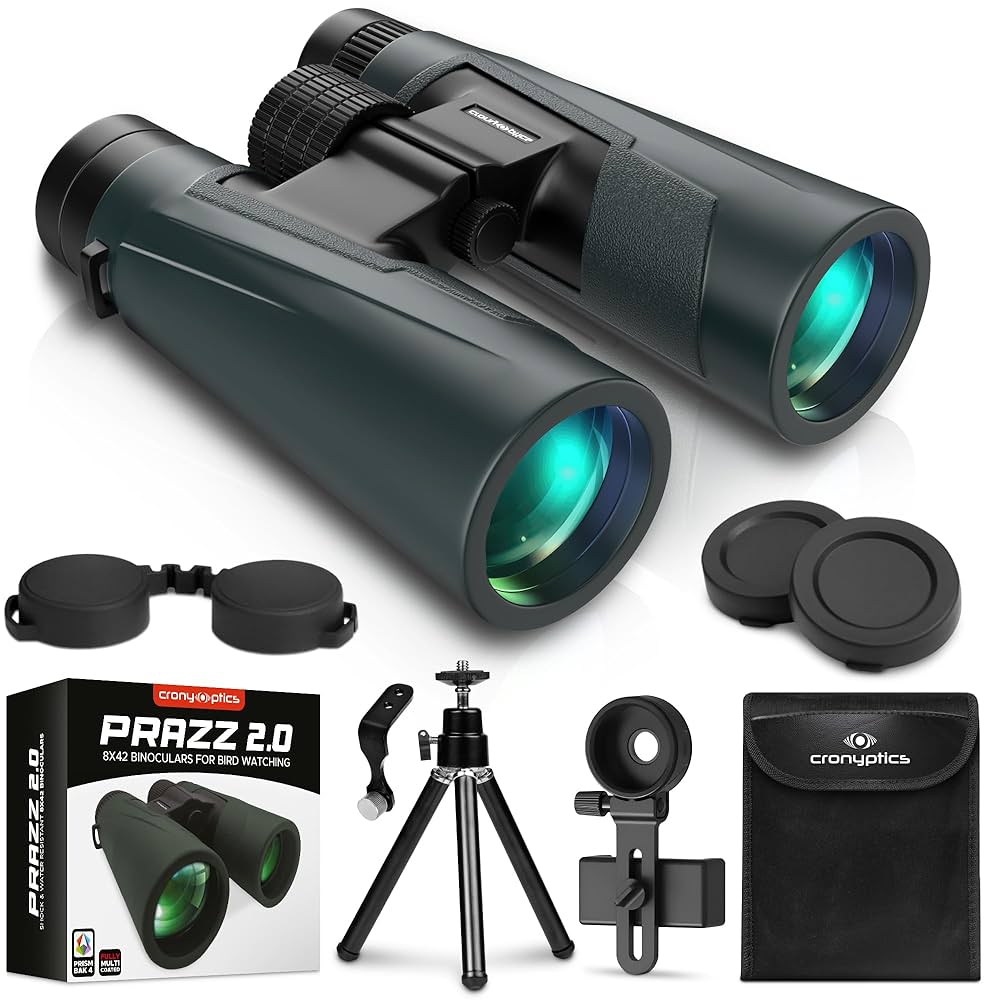
Credit: www.amazon.com
Frequently Asked Questions
What Magnification Is Ideal For Bird Watching Binoculars?
A magnification of 8x to 10x is ideal for bird watching. It offers a clear, steady view without much shake. Higher magnifications may be harder to hold steady and narrower in view.
Why Choose 8×42 Binoculars For Bird Watching?
8×42 binoculars balance magnification and light gathering well. They provide a bright, wide field of view. This size is comfortable to hold and great for spotting birds in various lighting.
Can Higher Magnification Improve Bird Watching Experience?
Higher magnification can show more detail but often reduces stability. It narrows the field of view and lowers brightness. For most bird watchers, 8x or 10x is optimal.
How Does Objective Lens Size Affect Bird Watching?
Larger objective lenses gather more light, improving image brightness. This helps in low light or dense foliage. However, bigger lenses make binoculars heavier and less portable.
Conclusion
Choosing the right magnification binoculars makes bird watching more fun and clear. Lower magnifications like 8x offer a wide view and steady image. Higher magnifications show more details but can be harder to hold steady. Think about where you will watch birds most.
Comfort and ease of use matter a lot. Pick binoculars that fit your needs and budget. Enjoy every moment spotting birds with the best view possible. Happy bird watching!




