
Finding a baby bird in need can pull at your heartstrings. You want to help, but you might feel unsure about what to do next.
What if you make a mistake or cause more harm? The good news is, with the right steps, you can nurse that fragile little bird back to health. Imagine the joy of seeing it grow stronger each day because of your care.
In this guide, you’ll discover simple, clear actions you can take right now to give that baby bird the best chance to survive and thrive. Ready to become the hero this tiny life needs? Let’s get started.
Identifying Baby Bird Injuries
Finding a hurt baby bird can be upsetting. Knowing how to spot injuries is key to helping it recover.
Careful observation helps you decide if the bird needs urgent care or just rest and warmth.
Common Signs Of Distress
Birds in pain or fear show certain signs. Watching for these helps you understand their condition.
- Weak or slow movements
- Fluffed up feathers
- Unusual vocal sounds
- Closed or half-closed eyes
- Shaking or trembling
- Difficulty breathing or gasping
Assessing Physical Damage
Look closely for wounds, broken limbs, or swelling. Handle the bird gently to avoid more harm.
| Injury Type | Signs to Look For | Care Notes |
| Broken Wing or Leg | Bird holds limb still, may cry when touched | Keep bird calm and contact a wildlife expert |
| Open Wounds | Visible bleeding or raw skin | Clean gently with water, avoid using chemicals |
| Swelling or Bruises | Soft lumps or discoloration | Apply light pressure to check pain, keep bird warm |
| Dehydration or Weakness | Sunken eyes, dry mouth, lethargy | Offer water carefully, seek expert help quickly |
Safe Handling Techniques
Handling a baby bird carefully helps it heal faster. Birds are fragile and get scared easily.
Use gentle moves and calm actions to keep the bird safe and calm during care.
Minimizing Stress
Stress can harm a baby bird’s health. Keep the bird in a quiet, warm place.
Avoid loud noises and sudden movements. Speak softly and move slowly around the bird.
- Keep the bird away from pets and children
- Limit handling time to only what is needed
- Use soft cloths or gloves to reduce direct contact
- Keep the environment dim and calm
Proper Grip And Support
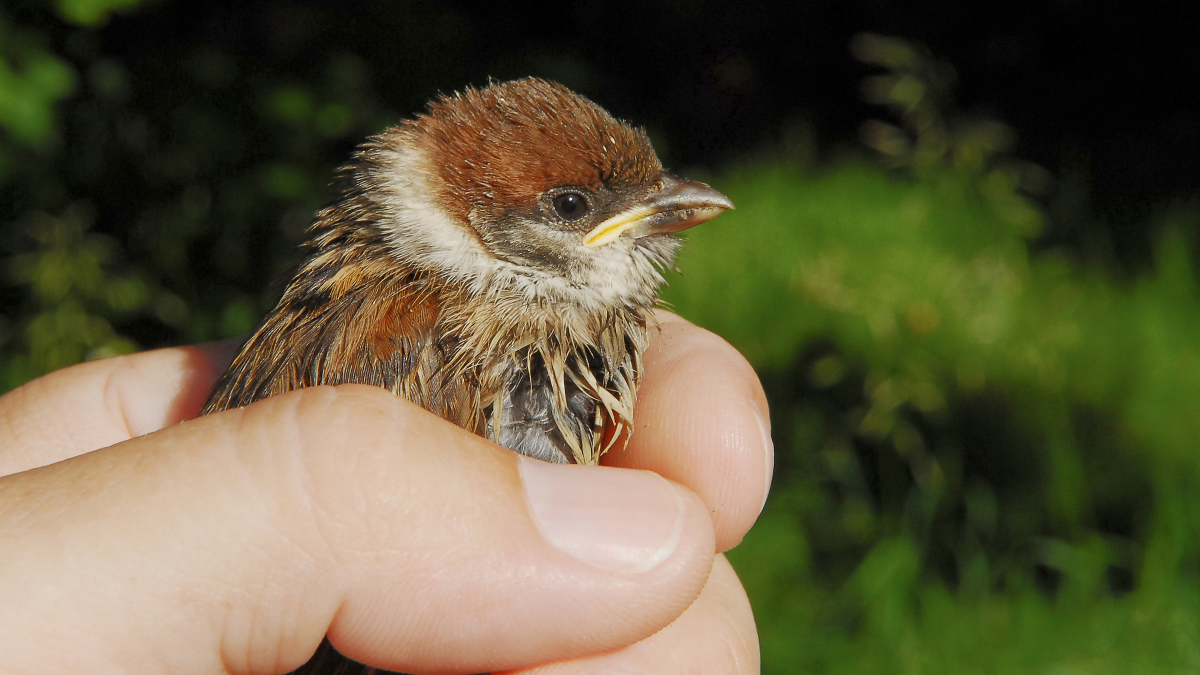
Hold the bird gently to avoid injury. Use your fingers to support its body.
Do not squeeze or hold too tightly. Support the chest and feet carefully.
- Place the bird on a soft cloth in your palm
- Use your thumb and forefinger to hold wings lightly
- Support the head if the bird is weak
- Keep the bird’s body upright to help breathing
Creating A Comfortable Nest
Nursing a baby bird back to health needs a soft, safe place to rest. A comfortable nest helps the bird feel secure.
Building the right nest is key to the baby bird’s recovery and warmth.
Choosing Suitable Materials
Pick gentle and clean materials to make the nest soft. Avoid anything rough or sharp that can hurt the bird.
- Use soft cloth scraps like old t-shirts or towels.
- Paper towels or tissue paper can add extra padding.
- A small box or basket can hold the materials safely.
- Make sure all materials are dry and free from chemicals.
- Do not use cotton balls; they can stick to feathers.
Maintaining Warmth And Safety
Baby birds need constant warmth to stay healthy. Keep the nest in a warm, quiet place away from drafts.
| Warmth Tip | Details |
| Heating Pad | Place under half the nest on low setting |
| Hot Water Bottle | Wrap in cloth and place near the nest |
| Room Temperature | Keep between 85°F and 90°F (29°C to 32°C) |
| Check Often | Make sure bird is warm but not too hot |
Credit: pethelpful.com
Feeding Baby Birds
Feeding baby birds correctly is very important for their health. Different species need different diets to grow strong.
Knowing how often and what to feed them helps you care for them safely and well.
Diet Requirements By Species
Each bird species needs a special diet. Some eat insects, while others eat seeds or fruit. Feeding the wrong food can hurt them.
- Songbirds:Mainly eat soft insects and worms.
- Waterfowl:Prefer grains and small aquatic animals.
- Raptors:Need small pieces of meat or whole insects.
- Parrots:Eat seeds, nuts, and soft fruits.
Feeding Frequency And Methods
Baby birds need feeding many times a day. Newborns eat every 15 to 20 minutes. Older babies eat less often.
| Age of Baby Bird | Feeding Frequency | Feeding Method |
| Newborn (0-7 days) | Every 15-20 minutes | Use small syringe or dropper |
| 1-2 weeks old | Every 30 minutes | Small spoon or syringe |
| 2-3 weeks old | Every 1-2 hours | Hand feeding with tweezers or spoon |
| 3-4 weeks old | Every 3-4 hours | Offer soft food pieces for self-feeding |
Hydration Essentials
Keeping a baby bird hydrated is key to its recovery. Water helps the bird’s body work well.
Learn to spot dehydration and give water safely. This care supports the bird’s health.
Signs Of Dehydration
Watch for these signs to know if a baby bird is dehydrated. Early care can save its life.
- Dry, wrinkled skin that does not bounce back
- Sunken eyes with dull appearance
- Weakness or lack of energy
- Cold or clammy body
- Sticky or dry mouth and tongue
Safe Water Delivery Techniques
Giving water must be gentle and careful. Use the right tools and methods.
| Method | How to Use | Notes |
| Dropper | Place drops at the side of the beak slowly | Do not force water down throat |
| Syringe (without needle) | Gently squirt small amounts into the mouth | Use only very small amounts |
| Soaked Cotton | Let the bird lick water from damp cotton | Good for very weak birds |
| Moistened Food | Add water to soft food for extra hydration | Encourages drinking and eating |

Credit: www.reddit.com
Monitoring Health Progress
Nursing a baby bird back to health requires careful observation. You must monitor its health progress closely to ensure recovery.
Pay attention to its growth and behavior. This will help you understand if the bird is healing properly.
Tracking Growth And Behavior
Keep a journal of the bird’s growth and behavior. Write down its weight, size, and eating habits each day.
Watch how the bird interacts with its environment. Note if it is active or lethargic.
- Record its weight daily
- Observe feeding patterns
- Check for alertness and activity
When To Seek Veterinary Care
Some signs indicate that you need a vet. If the bird is not eating or seems sick, contact a veterinarian.
Look for any signs of injury or if the bird is not gaining weight. These are signals that professional help is necessary.
- Refusal to eat or drink
- Visible injuries or wounds
- Unusual droppings
Preparing For Release
Releasing a baby bird back into the wild is a careful process. It involves assessing its readiness and gradual reintegration into its natural habitat.
Each step ensures the bird can survive and thrive on its own. Let’s explore how to prepare for this important phase.
Assessing Readiness
Before release, check if the bird is ready. Observing key behaviors is crucial to make this decision.
- Is the bird flying well and consistently?
- Can it find and eat food independently?
- Does it show alertness and react to surroundings?
Gradual Reintegration Into The Wild
Gradually reintroduce the bird to its natural environment. This helps it adapt smoothly and reduces stress.
Consider setting up a small outdoor enclosure. This allows the bird to acclimate while remaining safe from predators.
Monitor the bird’s behavior and interaction with the environment. This will guide you on when it is fully ready for release.

Credit: www.reddit.com
Frequently Asked Questions
How Do I Identify A Sick Baby Bird?
Look for signs like lethargy, closed eyes, weak breathing, or visible injuries. A sick baby bird may also be cold or unresponsive. Early detection helps in providing timely care and increases chances of recovery.
What Should I Feed A Baby Bird For Recovery?
Feed a high-protein diet like soaked dog food, baby bird formula, or insects. Avoid milk or bread, as they can harm the bird. Offer small, frequent meals to mimic natural feeding patterns.
How Often Should I Feed A Baby Bird?
Feed the baby bird every 15 to 20 minutes from sunrise to sunset. Younger birds need more frequent feeding, while older ones require less. Consistency is key to ensure proper nourishment and growth.
When Should I Seek Professional Help For A Baby Bird?
If the bird shows severe injuries, bleeding, or persistent weakness, contact a wildlife rehabilitator immediately. Professional care is crucial for complex health issues or if you’re unsure about treatment.
Conclusion
Nursing a baby bird takes patience and gentle care. Watch for signs of improvement each day. Feed and warm the bird as needed. Keep the environment clean and safe. Small steps lead to big progress. Remember, your kindness makes a real difference.
Trust your instincts and keep trying. Every baby bird deserves a chance to grow strong. Your effort helps save a life. Stay calm and focused throughout the process. Caring for a baby bird can be very rewarding.




