
Are you tired of hawks swooping down and scaring away the small birds at your feeder? You’re not alone.
Hawks can turn your peaceful bird-watching spot into a scene of chaos. But don’t worry—there are simple and effective ways you can protect your feeders and keep those hawks at bay. You’ll discover easy tips that make your bird feeder a safe haven for your favorite feathered friends.
Keep reading to learn how to enjoy more bird visits without the threat of hawks interrupting the fun.
Why Hawks Visit Feeders
Bird feeders attract many types of birds, but they also draw the attention of hawks. Hawks visit feeders mainly to hunt. They see feeders as places where prey gathers. Small birds come for seeds and water, creating easy hunting spots. Understanding why hawks come helps in keeping them away.
Attraction Factors
Several factors make bird feeders attractive to hawks:
- High bird traffic: Feeders bring many small birds together.
- Open spaces: Hawks need clear views to spot prey.
- Perching spots: Nearby trees or poles let hawks watch quietly.
- Consistent food source: Regular feeding keeps prey nearby.
These factors create ideal hunting conditions. Hawks learn to visit feeders often. They rely on these spots for easy meals.
Common Hawk Species
Different hawk species visit feeders. Each has unique hunting styles.
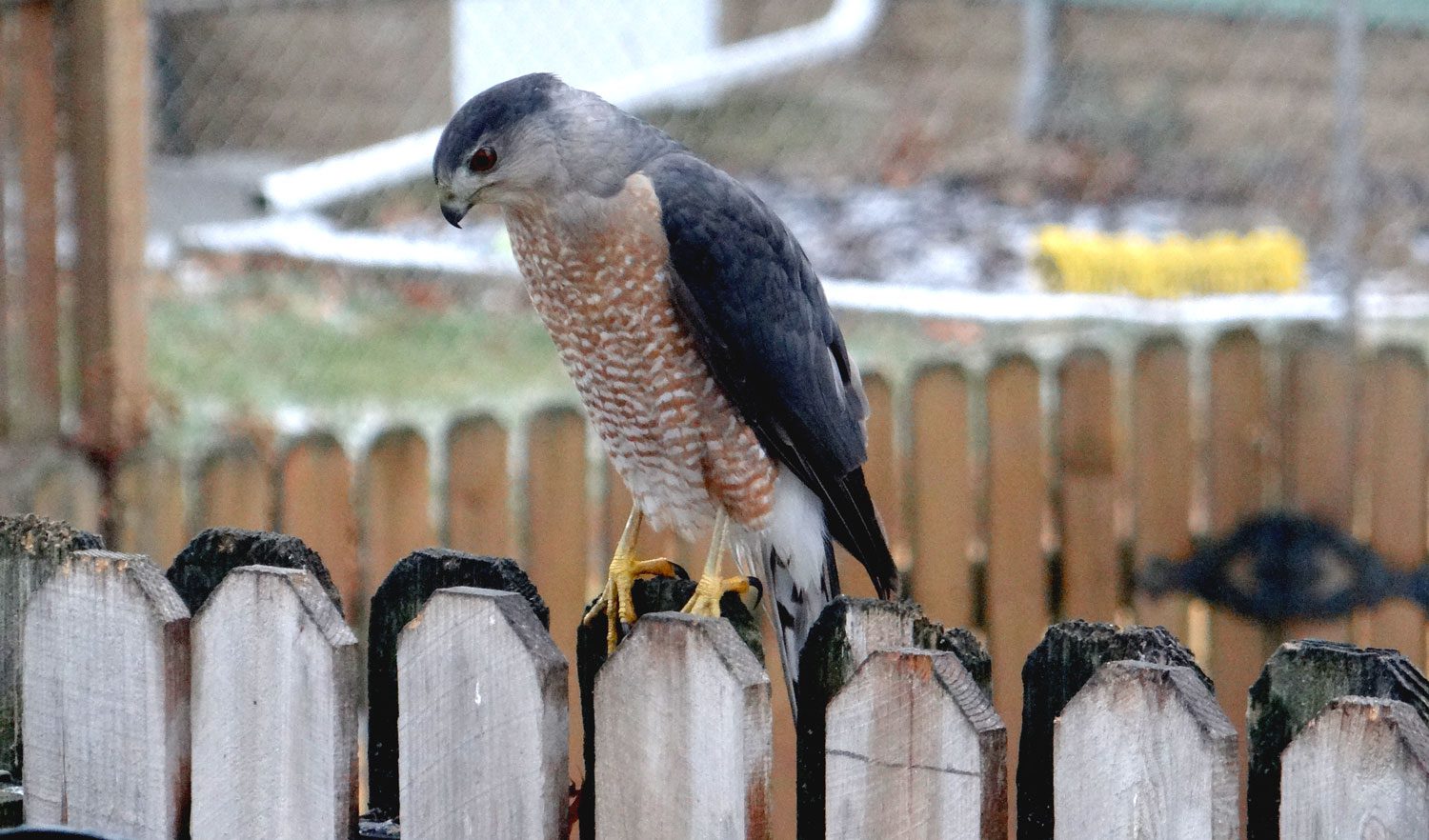
- Cooper’s Hawk:Fast and agile, hunts small birds near feeders.
- Sharp-shinned Hawk:Smallest hawk, quick and stealthy hunter.
- Red-tailed Hawk:Larger, hunts in open areas around feeders.
Knowing these species helps recognize hawk visits. It also aids in choosing ways to deter them safely.
Signs Of Hawk Presence
Spotting the signs of hawk presence around your bird feeders can help you take quick action to protect the smaller birds you enjoy watching. Hawks are stealthy hunters, but their impact on the local bird population is often noticeable if you know what to look for. Recognizing these signs early can save many feeder visitors from becoming prey.
Behavioral Changes In Smaller Birds
You might notice that smaller birds suddenly become more alert and jittery. They may flock together in larger groups or avoid the feeder altogether during certain times of the day. A sharp increase in alarm calls or sudden flight patterns can indicate a nearby predator.
Have you ever seen a group of chickadees freeze in mid-air or drop from a feeder abruptly? These are classic signs that a hawk is lurking nearby. Pay attention to how often these behaviors occur; repeated disturbances usually mean the hawk is using your feeder area as hunting ground.
Visual Indicators
Look for physical evidence like feathers scattered around the feeder, which could be a sign of a recent attack. Hawks often perch silently on nearby trees or fence posts, watching patiently for the right moment to strike.
One clear visual cue is spotting a hawk soaring overhead or gliding low near your yard. Their sharp eyes scan the ground for prey, so their presence is rarely random. Keep an eye out for their distinctive silhouette—broad wings and a hooked beak are giveaways that a predator is close.
Feeder Placement Strategies
Feeder placement plays a key role in keeping hawks away from bird feeders. Placing feeders in the right spots creates safer spaces for smaller birds. Careful positioning reduces hawks’ chances to attack and helps birds feel secure.
Choosing Safe Locations
Pick feeder spots near shrubs or trees. These provide quick hiding places for small birds. Choose locations with cover on at least one side. This helps birds spot danger early and escape fast.
Avoid placing feeders too close to windows or open yards. Areas near dense vegetation or fences work best. Ground cover or nearby branches give birds a sense of safety.
Avoiding Open Spaces
Keep feeders away from large open areas. Open spaces give hawks clear views and easy access. Hawks prefer hunting where they can swoop down without obstacles.
Place feeders near natural barriers like bushes or garden walls. These barriers limit hawks’ flight paths. Birds can quickly fly to safety if a hawk approaches.
Consider the height too. Feeders placed too high or too exposed invite hawks. Lower, sheltered spots reduce hawks’ chances to strike.
Physical Deterrents
Physical deterrents create barriers that stop hawks from reaching your bird feeders. These tools reduce hawk visits and protect small birds. They work by making the feeder area less inviting or harder to access. Using simple, safe devices can keep hawks away without harming them.
Using Protective Covers
Protective covers shield feeders from hawks. These covers come in various shapes and sizes. They block hawks from swooping down on birds below. Mesh cages or domes are common choices. They allow small birds to feed freely. Covers also keep food clean and dry. Installing a cover is a smart way to safeguard your feeder.
Installing Hawk Spikes
Hawk spikes stop hawks from landing near feeders. These spikes do not hurt birds or animals. They create an uneven surface that birds dislike. Place spikes on poles, ledges, or feeder tops. Hawks find it hard to perch on spiked areas. This simple tool discourages hawks from hanging around. Hawk spikes are easy to install and maintain.
Decoy Options
Decoys trick hawks into thinking the area is unsafe. Fake owls or hawk models are popular decoys. Place them near feeders to scare hawks away. Move decoys regularly to keep hawks unsure. Reflective objects can also deter hawks. Shiny tape or old CDs work well. Decoys add a visual threat that hawks avoid. Use decoys alongside other deterrents for best results.
Visual Deterrents
Visual deterrents can be powerful tools to keep hawks away from your bird feeders. These methods work by creating an environment that hawks find confusing or threatening. The goal is to make your feeder area less attractive without disturbing the smaller birds you want to attract.
Reflective Objects
Reflective objects catch sunlight and create flashes that can startle hawks. Hanging shiny items like old CDs, aluminum foil strips, or specially made reflective tape near your feeder can help. The sudden glints of light make hawks hesitate to approach.
Try moving the reflective items occasionally to prevent hawks from getting used to them. Have you noticed how a swinging CD can catch your eye unexpectedly? It works the same way for hawks, disrupting their focus.
Motion-activated Devices
Motion-activated devices use sensors to detect movement and then trigger a response to scare hawks away. These can include water sprayers, lights, or sounds. They activate only when a hawk gets close, so your smaller birds won’t be disturbed constantly.
Position these devices near the feeder but not too close to avoid scaring away songbirds. Think about your own reaction—how would you feel if a sudden spray or noise greeted you every time you approached? Hawks dislike these surprises just as much.
Scare Tactics
Scare tactics involve placing fake predators or loud objects around your feeder to intimidate hawks. Decoys like plastic owls or hawk silhouettes can work if you move them regularly. Stagnant decoys lose their effect because hawks learn they are not a real threat.
You can also try hanging wind chimes or noisy objects that create unpredictable sounds. These distractions make hawks uneasy and less likely to linger. What noises or shapes do you think would make a hawk think twice before landing near your feeder?
Credit: www.allaboutbirds.org
Auditory Deterrents
Auditory deterrents create loud or sudden noises that scare hawks away from bird feeders. These sounds interrupt their hunting and keep smaller birds safe. Using simple noise devices can protect your feeder effectively.
Deterring hawks from bird feeders can be a challenging yet rewarding endeavor. Auditory deterrents offer an effective way to keep these predatory birds at bay without disrupting the natural beauty of your backyard. These sound-based solutions create an environment that hawks find uninviting, allowing smaller birds to enjoy their meals in peace.Ultrasonic Emitters
Ultrasonic emitters are a discreet yet powerful tool to deter hawks. These devices emit high-frequency sounds that are inaudible to humans but uncomfortable for hawks. Placing an ultrasonic emitter near your bird feeder can significantly reduce hawk activity. Imagine sipping coffee while watching vibrant songbirds flutter around, unbothered by predatory threats. Isn’t that the serene backyard experience you desire? Ensure your ultrasonic emitter is weatherproof and strategically positioned for optimal coverage.Alarm Sounds
Alarm sounds mimic the distress calls of birds, sending a clear message to hawks that danger lurks nearby. These devices can be manually activated or set to trigger automatically when motion is detected. Consider installing an alarm sound device that blends seamlessly with your garden décor. The sudden, sharp noises will startle hawks, making them think twice before approaching your feeder. Do you have a favorite bird species you wish to protect? Using alarm sounds can be a practical step toward safeguarding them. By choosing the right auditory deterrents, you can create a harmonious environment where small birds thrive, and hawks are politely turned away. Which method will you try first?Maintaining Feeder Hygiene
Cleaning bird feeders regularly stops leftover seeds that attract hawks. Removing spilled seeds and debris reduces hiding spots for predators nearby. Keeping feeders tidy helps birds feel safer and discourages hawk visits.
Maintaining good feeder hygiene is crucial to deter hawks from bird feeders. Clean feeders attract fewer predators, keeping small birds safe. Regular upkeep ensures a healthy environment for all visitors.Removing Food Spills
Spilled seeds can attract unwanted guests. Clean up spills beneath feeders daily. Leftover food can draw hawks, rodents, and insects. Use a broom or rake to gather scattered seeds. Keep the area tidy to discourage predators.Regular Cleaning
Wash feeders every week with warm, soapy water. Rinse thoroughly to remove soap residue. Dirty feeders can spread disease among birds. Clean feeders reduce the attraction for hawks. Use a brush to scrub hard-to-reach areas. Dry feeders completely before refilling.
Credit: www.aol.com
Alternative Feeding Options
Finding ways to keep hawks away from your bird feeders can be tricky, but changing how and where you feed birds can make a big difference. Alternative feeding options not only help protect smaller birds but also create a safer and more enjoyable environment for all wildlife visiting your yard.
Ground Feeding Techniques
Feeding birds on the ground can reduce hawks’ chances of swooping in from above. Scatter seeds in a wide, open area where small birds can easily spot danger and quickly escape if needed.
You might try placing feeders near dense shrubs or low bushes. These provide quick hiding spots for smaller birds and help them feel secure.
Have you noticed how birds behave differently when they have cover nearby? Adding natural shelter can encourage more frequent visits and keep hawks at bay.
Using Different Feed Types
Choosing the right type of bird food can also influence which birds come to your feeder and how vulnerable they are to hawks. Seed mixes with larger grains or suet attract bigger birds that are less likely to be targeted by hawks.
Try offering feeder foods like safflower seeds or nyjer, which appeal to small songbirds but are less attractive to hawks and squirrels. This way, you support your favorite birds without drawing unwanted attention.
Have you ever thought about rotating feed types throughout the season? Changing what you offer keeps birds interested and may confuse predators looking for a steady meal.
Legal And Ethical Considerations
Before taking any measures to deter hawks from your bird feeders, it’s important to understand the legal and ethical aspects involved. Hawks play a vital role in the ecosystem, and interfering with them carelessly can lead to unintended harm. Balancing your desire to protect smaller birds with respect for raptors is not just responsible—it’s necessary.
Protecting Hawks And Other Wildlife
Hawks are protected under laws like the Migratory Bird Treaty Act, which makes it illegal to harm or harass them. This means you cannot trap, poison, or physically harm hawks near your feeders.
Instead, focus on non-harmful deterrents like visual scare devices or relocating feeders to safer spots. Think about how your actions impact all wildlife around your feeder, not just the hawks.
Have you noticed how hawks often avoid areas with too much human activity? Using this natural behavior can help keep them at bay without causing them harm.
Local Wildlife Regulations
Wildlife laws vary by region, so check your local regulations before taking any action. Some areas may require permits for certain deterrents or have specific rules about feeding birds.
Contact local wildlife agencies or bird conservation groups to get accurate information tailored to your location. They can also suggest approved methods that align with conservation goals.
Ignoring local rules can lead to fines or other legal trouble. Is it worth risking a penalty when simple, legal strategies can work just as well?

Credit: www.allaboutbirds.org
Frequently Asked Questions
How Can I Keep Hawks Away From My Bird Feeders?
Use visual deterrents like reflective tape or hawk decoys near feeders. Keep feeders close to cover where small birds can escape quickly.
Why Do Hawks Target Bird Feeders?
Hawks hunt where prey gathers. Bird feeders attract small birds, making them easy targets for hawks.
What Plants Help Deter Hawks Near Feeders?
Dense shrubs and thorny bushes create safe cover for small birds. This discourages hawks from approaching feeders.
Are Noise Devices Effective In Scaring Away Hawks?
Yes, sudden loud noises or motion-activated devices can temporarily scare hawks away from feeders.
Conclusion
Keeping hawks away helps small birds feed safely. Use simple steps like moving feeders and adding cover. Bright objects or decoys can scare hawks off. Watch your feeder often to see what works best. Protecting birds creates a peaceful garden space.
Try different ideas until hawks stay away for good. Safe feeding means more birds visit your yard. Enjoy watching your feathered friends without worry.




