
Are you ready to see birds like never before? Choosing the right binoculars can make all the difference in your bird watching experience.
But with so many options out there, how do you know which ones are best for you? In this guide, you’ll discover simple tips to help you pick binoculars that fit your needs and budget. By the end, you’ll feel confident and excited to bring the beauty of nature closer than ever.
Keep reading, and let’s find the perfect pair for your next bird adventure.
Choosing The Right Magnification
Choosing the right magnification is a key step in picking binoculars for bird watching. It affects how close you see your feathered friends and how much of the scene you can capture at once. Getting this balance right can make your birding trips more enjoyable and successful.
Balancing Magnification And Field Of View
Higher magnification lets you see birds in detail but narrows your field of view. A narrow field means you might miss spotting quick-moving birds or lose track of them easily. Lower magnification gives you a wider view, making it easier to find and follow birds, especially in dense foliage or open spaces.
Think about your typical birding spots. Do you often watch fast, small birds flitting through trees or larger birds in open skies? Your answer will help you find the right balance between magnification and field of view.
Ideal Magnification For Bird Watching
Most bird watchers find binoculars with 7x to 10x magnification ideal. At 7x, you get a wide view and stable image, which is great if you like scanning large areas or watching active birds. At 10x, you see more details but might need a steadier hand or tripod support.
Here’s a quick guide to help you choose:
| Magnification | Best For | Considerations |
|---|---|---|
| 7x | Wider field, easier to hold steady | Less detail on distant birds |
| 8x – 10x | Balanced detail and field of view | Good for most birding environments |
| Above 10x | Close-up views of distant birds | Requires steady hands or support |
Ask yourself: Do you want to spot more birds quickly or get a closer look at fewer birds? Your answer will guide your magnification choice and improve your bird watching experience.
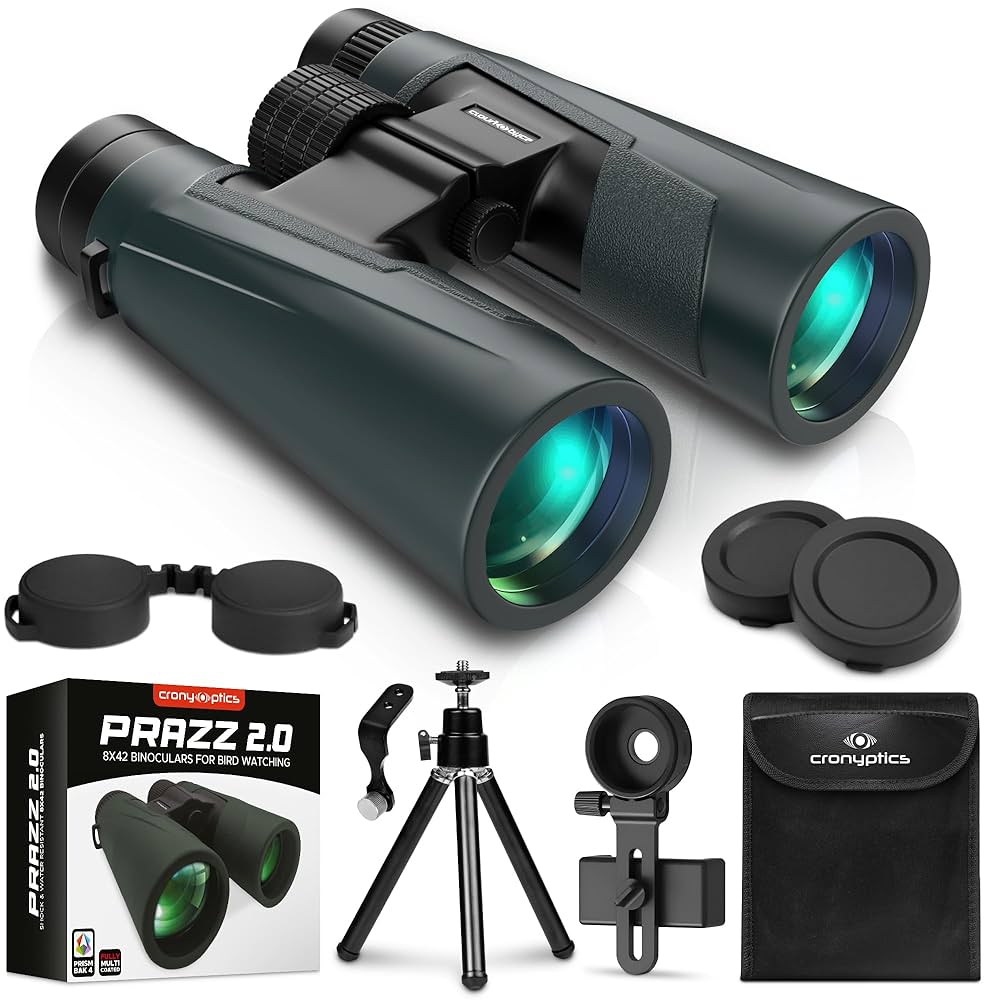
Credit: www.amazon.com
Selecting The Best Lens Diameter
Choosing the right lens diameter is a key factor that affects your bird watching experience. It influences how bright and clear the image appears, especially under different lighting conditions. Picking the correct size balances your need for detail with how easy the binoculars are to carry during long walks or hikes.
Impact On Brightness And Clarity
The lens diameter, usually measured in millimeters, controls the amount of light that enters the binoculars. Larger diameters, like 42mm or 50mm, gather more light, making images brighter and clearer. This is particularly helpful during dawn, dusk, or in dense forests where light is limited.
However, bigger lenses don’t always mean better viewing. If you mostly watch birds in bright daylight, a smaller lens around 30mm can provide sharp images without extra weight. Think about where and when you usually bird watch before deciding on lens size.
Portability Considerations
Binoculars with larger lenses tend to be heavier and bulkier. This can make them tiring to hold steady for long periods or inconvenient to carry on long birding trips. If you find yourself hiking miles or moving quickly through different spots, a compact pair with smaller lenses might suit your style better.
On the other hand, if you mostly observe from a fixed spot or don’t mind the extra weight, bigger lenses can enhance your viewing experience. Ask yourself: do you prioritize brightness and detail, or ease of carrying and handling? Your answer will guide your choice.
Evaluating Binocular Types
Choosing the right type of binoculars can change your bird watching experience dramatically. Different designs offer unique benefits that suit various needs and environments. Understanding these differences helps you pick binoculars that feel natural in your hands and deliver clear, sharp views of your feathered subjects.
Roof Prism Vs Porro Prism
Roof prism binoculars have a straight barrel design, making them slim and easy to carry. Their compact shape fits well in your backpack, which is perfect if you hike to birding spots. They also tend to be more durable since their parts are aligned in a straight line.
Porro prism binoculars, on the other hand, have an offset design with a wider body. This design generally offers better depth perception and a wider field of view. If you enjoy scanning large areas or spotting birds in dense foliage, Porro prisms might give you an edge.
Think about your typical bird watching setting: Do you prefer long walks with light gear or sitting quietly in one spot? Your answer can guide you toward the prism type that suits your style best.
Advantages Of Compact Binoculars
Compact binoculars are lightweight and easy to carry, which makes them ideal for long birding trips. They won’t weigh down your gear and fit easily into small bags or even large pockets. This convenience can encourage you to bring your binoculars more often.
Despite their smaller size, many compact models still offer excellent image quality and brightness. Advances in lens technology mean you don’t have to sacrifice performance for portability. If you’ve ever left bulky binoculars behind because they were too heavy, compact options might keep you engaged more consistently.
Ask yourself: Would you rather carry your binoculars everywhere or only on special outings? Compact binoculars make it easier to observe birds spontaneously, turning everyday moments into bird watching opportunities.
Assessing Image Quality
Assessing image quality is a crucial step when buying binoculars for bird watching. Clear, sharp images make a huge difference in identifying bird species and enjoying your experience. Paying attention to specific features helps you choose binoculars that bring the vibrant world of birds to life.
Lens Coatings And Their Benefits
Lens coatings reduce glare and improve light transmission, giving you brighter and clearer views. Look for terms like “fully multi-coated” on the binoculars’ description—this means all air-to-glass surfaces have multiple layers of coating. These coatings enhance contrast, so you can spot subtle colors and details on birds even in low light or shaded areas.
I once tried binoculars without proper coatings and struggled to see fine feather patterns during a cloudy morning. Switching to fully multi-coated lenses made it easier to distinguish a bird’s unique markings, which was a game changer.
Checking For Distortion And Color Accuracy
Distortion warps the shape of objects, making birds look misshapen or blurry around the edges. To test this, look at a straight line, like a tree branch, through the binoculars. The line should appear straight without bending or warping.
Color accuracy is equally important. Birds display a wide range of colors, and binoculars that shift hues can confuse identification. Compare what you see through the binoculars with the actual colors around you to check if the colors look natural and vibrant.
Next time you’re trying out binoculars, ask yourself: Do the images look true to life? If not, keep searching until your eyes feel comfortable and confident with what you see.
Comfort And Handling
Comfort and handling are key when choosing binoculars for bird watching. You will carry these for hours. Uncomfortable binoculars distract from the experience. Good handling helps you focus and track birds easily. Consider weight, size, grip, and weather resistance for the best fit.
Weight And Size Factors
Light binoculars reduce arm strain during long use. Heavy models tire your arms fast. Compact sizes fit well in your hands and bag. Larger binoculars offer better viewing but may feel bulky. Balance your need for clarity with comfort. Try holding models to find your ideal weight and size.
Grip And Weather Resistance
A firm grip prevents slipping during walks or climbs. Look for rubber coatings that feel secure and soft. Textured surfaces improve handling in wet or cold conditions. Weather resistance protects lenses and mechanics from rain and dust. Choose binoculars with water and fog-proof features for all-weather bird watching.

Credit: www.amazon.ca
Additional Features To Consider
Extra features like waterproofing and lens coatings enhance durability and image clarity. Consider comfort factors such as weight and grip for long bird watching sessions.
When purchasing binoculars for bird watching, it’s essential to look beyond the basic features. Additional features can greatly enhance your bird-watching experience, ensuring you have a clear, comfortable, and uninterrupted view. These features can make the difference between a good purchase and a great one.Waterproofing And Fog Proofing
Imagine spotting a rare bird just as a sudden drizzle begins. Without waterproof binoculars, this moment could quickly turn disappointing. Opt for binoculars that are both waterproof and fog proof. This ensures they can withstand unexpected weather changes, keeping lenses clear and free from moisture. Look for binoculars with O-ring seals and nitrogen or argon purging. This means the binoculars are well-protected against water and internal fogging, making them a reliable companion for all your outdoor adventures.Eye Relief And Adjustability
Comfort is key when observing birds for extended periods. Eye relief is the distance from the eyepiece lens to your eye, allowing you to see the full field of view. If you wear glasses, look for binoculars with longer eye relief. This prevents strain and ensures a full, clear image without having to remove your glasses. Adjustability is equally important. Consider binoculars with adjustable eyecups that can be twisted up or down to suit your preference. This feature enhances comfort and clarity, making your bird-watching sessions more enjoyable. Have you ever missed a sighting because your binoculars weren’t adjusted just right? With the right features, those moments become a thing of the past.Setting A Budget
Setting a budget is a crucial step when buying binoculars for bird watching. It helps you find the best pair that meets your needs without breaking the bank. Before diving into the various options available, it’s essential to know what you’re willing to spend and what quality you can expect at different price points.
Balancing Cost And Performance
When choosing binoculars, the cost often correlates with performance. Higher-end models usually offer sharper images, better low-light performance, and more durable construction. However, this doesn’t mean you need to spend a fortune to enjoy bird watching.
Consider what features are most important to you. Is it image clarity, weight, or perhaps waterproofing? Prioritizing these will help you make a wise investment. Remember, a higher price tag doesn’t always guarantee the best experience for your specific needs.
Best Binoculars For Different Price Ranges
Let’s break it down into three budget categories to simplify your decision-making process:
- Under $100:This range is perfect for beginners or casual bird watchers. You can find decent binoculars that offer adequate magnification and image quality. Brands like Bushnell and Celestron provide affordable options that are great for starting out.
- $100 – $300:Here, you’ll start seeing improvements in optics quality and additional features. Models in this range often include features like waterproofing and better lens coatings. Brands such as Nikon and Vortex offer excellent value for money in this category.
- Above $300:If you’re serious about bird watching, investing in a high-quality pair can enhance your experience significantly. Expect superior image quality, durability, and comfort. Brands like Zeiss and Swarovski offer top-of-the-line options that are worth the investment if bird watching is your passion.
Have you ever felt the frustration of spotting a rare bird only to be let down by poor image quality? Investing wisely can prevent such disappointments. Choose a budget range that aligns with your enthusiasm for bird watching and your financial situation.
Are you ready to make the leap and enhance your bird watching adventures? Setting a clear budget is your first step towards an enjoyable experience with your new binoculars.

Credit: www.amazon.ca
Testing Before Buying
Testing binoculars before buying is essential for bird watching. It helps ensure you pick a pair that fits your needs and feels comfortable. Trying them out can reveal how clear the view is and how easy they are to use. This step saves money and avoids disappointment later.
Trying Binoculars In Real Bird Watching Conditions
Take binoculars outside to a park or nature reserve. Look at birds at different distances and in various light. Check how well you can spot small details on feathers. Notice if the binoculars feel heavy or awkward to hold. Adjust the focus and see if it works smoothly. Test them for a few minutes to see if your eyes get tired.
Reading Reviews And Seeking Expert Advice
Read reviews from other bird watchers online. Look for comments about image quality and durability. Experts often share tips on the best brands and models. Visit outdoor or camera stores and ask staff for advice. Join bird watching groups or forums to get personal suggestions. Combining reviews and expert tips helps make a smart choice.
Frequently Asked Questions
What Magnification Is Best For Bird Watching Binoculars?
A magnification of 8x to 10x is ideal for bird watching. It offers a clear view without excessive shakiness. This range balances detail and field of view perfectly for spotting birds.
How Important Is The Binoculars’ Objective Lens Size?
Objective lens size affects brightness and clarity. For bird watching, 32mm to 42mm lenses are recommended. Larger lenses gather more light, improving visibility in low light conditions.
Should I Choose Waterproof Binoculars For Bird Watching?
Yes, waterproof binoculars are essential for outdoor bird watching. They protect against rain and moisture. Waterproof models ensure durability and clear viewing in various weather conditions.
How Much Should I Spend On Bird Watching Binoculars?
Quality bird watching binoculars typically range from $100 to $300. Investing in mid-range binoculars ensures good optics and durability. Avoid very cheap models as they often lack clarity.
Conclusion
Choosing the right binoculars makes bird watching more fun. Think about what you need first—size, weight, and clarity. Test different models to see what feels best in your hands. Remember, comfort helps you watch birds longer. Good binoculars bring the birds closer and clearer.
Keep your budget in mind but focus on quality. Happy bird watching! Enjoy every moment outdoors with your new binoculars.




