
Have you ever wondered if birds really need bird baths in your yard? You might think that birds can find water on their own, but adding a bird bath can make a big difference.
It’s not just about giving them a drink—bird baths can help birds stay healthy, cool, and clean. If you want to attract more colorful and lively visitors to your garden, understanding why bird baths matter is key. Keep reading to discover how a simple water source can transform your outdoor space and bring nature closer to you.
Benefits Of Bird Baths
Bird baths offer many benefits to wild birds and your garden. They provide more than just a pretty water feature. Birds need water for survival and comfort. A bird bath supports their daily needs and helps them thrive.
Hydration For Birds
Birds need fresh water to drink every day. A bird bath supplies clean water near their food sources. This helps them stay hydrated, especially in hot or dry weather. Proper hydration keeps birds active and healthy.
Feather Maintenance
Bathing helps birds keep their feathers clean and in good shape. Water removes dust, dirt, and parasites from their feathers. Clean feathers improve flight and provide insulation. Birds often use bird baths to splash and preen.
Attracting Wildlife
Bird baths attract many types of wildlife to your yard. You can see different bird species visiting for water and bathing. This creates a lively, natural environment. Bird baths also support insects and small animals that birds feed on.

Credit: www.the-express.com
Choosing The Right Bird Bath
Choosing the right bird bath is key to attracting birds and keeping them safe. The right bath offers clean water and comfort. It must suit the local birds and the garden space. Several factors affect the choice, such as material, size, and placement.
Material Options
Bird baths come in many materials. Common types include:
- Ceramic – Stylish but can crack in cold weather.
- Metal – Durable and easy to clean but may get hot in sun.
- Plastic – Lightweight and affordable, but less sturdy.
- Concrete – Heavy and stable, good for outdoor use.
- Stone – Natural look and long-lasting.
Choose a material that fits your climate and garden style. Also, consider ease of cleaning to keep water fresh.
Size And Depth
The size and depth affect bird comfort and safety. A shallow bath works best. Water should be no deeper than 2 inches. This helps small birds bathe safely.
Larger baths attract more birds. But too big may waste water or be hard to clean. A diameter of 12 to 18 inches suits most gardens.
Placement Tips
Place the bird bath where birds feel safe. Near shrubs or trees offers quick shelter. Avoid busy or noisy spots.
Keep the bath in the sun part of the day. Sunlight helps keep water warm and clean. But provide some shade too, to prevent overheating.
Place on a stable surface or stand. This stops tipping and keeps water level. Clean the bath regularly to prevent algae and mosquitoes.
Maintaining Clean Water
Keeping bird bath water clean is vital for bird health and safety. Dirty water can spread disease and discourage birds from visiting. Clean water ensures birds stay hydrated and enjoy bathing without risk. Simple steps maintain fresh, clear water all year round.
Cleaning Frequency
Change the water at least twice a week. In hot weather, clean daily to avoid bacteria buildup. Remove leaves, dirt, and debris regularly. Use a brush to scrub the basin gently. Rinse thoroughly to remove all soap or cleaning agents.
Preventing Algae Growth
Algae makes water slippery and unhealthy for birds. Place the bird bath in a shaded area to reduce sunlight. Use natural solutions like vinegar to clean algae off surfaces. Avoid chemical treatments that can harm birds. Regular cleaning stops algae before it grows large.
Safe Water Practices
Use fresh, clean water from a safe source. Avoid stagnant water that attracts mosquitoes and bacteria. Keep the bath shallow—about 1 to 2 inches deep. Add stones or pebbles for bird footing and safety. Check water temperature in cold months to prevent freezing.
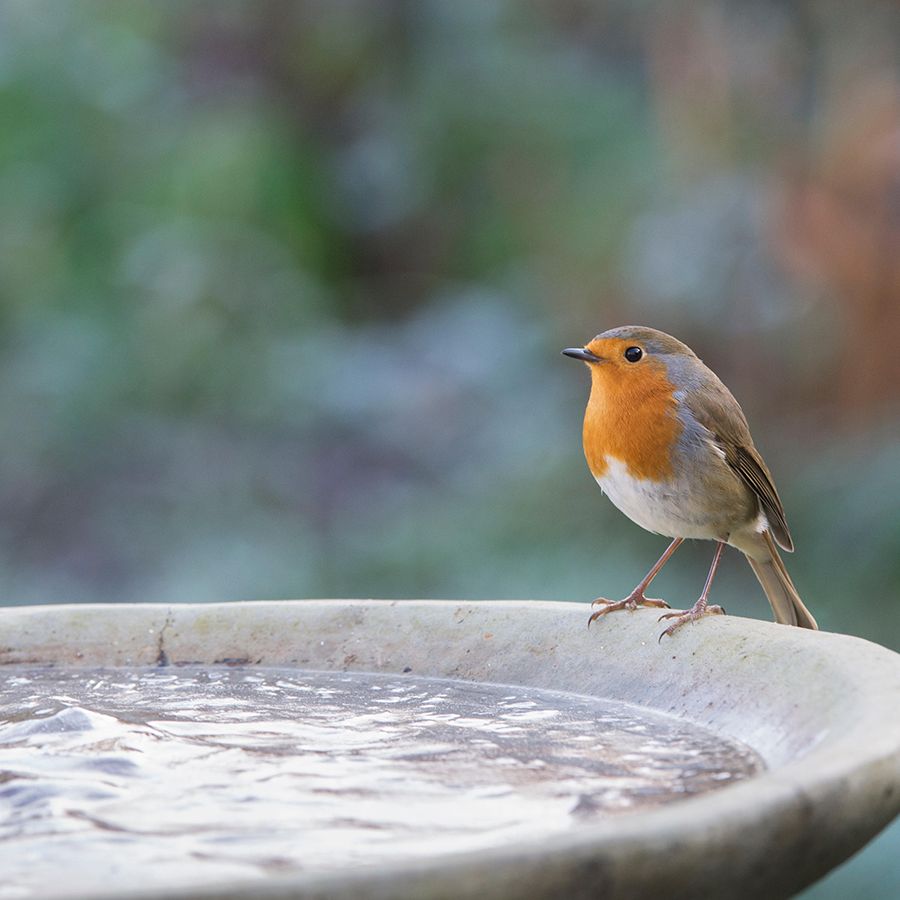
Credit: www.homesandgardens.com
Seasonal Considerations
Understanding the seasonal needs of birds is crucial for maintaining bird baths. Birds require different care depending on the season. Offering the right environment helps them thrive year-round. Let’s explore how to cater to birds’ needs during winter, summer, and changing weather conditions.
Winter Care
Birds need access to water in winter just like any other season. Frozen bird baths can be a problem. Heated bird baths ensure water remains unfrozen. Place the bird bath in a sunny spot to help keep it warm. Clean the bath regularly to prevent ice buildup. This ensures birds have a safe place to drink and bathe.
Summer Cooling
Hot weather can dehydrate birds quickly. A bird bath provides much-needed relief. Ensure the water is fresh and cool. Add ice cubes to the bath to lower the temperature. Shade the bird bath to keep the water from getting too warm. Regular cleaning prevents algae growth, ensuring a clean space for birds.
Adapting To Weather Changes
Weather changes can affect bird bath usage. During storms, secure the bath to prevent tipping. In windy conditions, place the bath in a sheltered area. Adjust water levels to prevent splashing out. Ensure the bath remains stable and accessible. Pay attention to seasonal transitions for optimal bird care.
Common Mistakes To Avoid
Setting up a bird bath might seem straightforward, but many people miss key details that can affect its usefulness and safety. Avoiding common mistakes helps ensure your feathered visitors enjoy a clean, safe place to drink and bathe. Let’s look at the pitfalls you should watch out for to keep your bird bath inviting and healthy.
Ignoring Maintenance
Bird baths need regular cleaning to prevent algae buildup and mosquito breeding. If you overlook this, the water can become a hazard rather than a help.
Try to clean your bird bath at least twice a week. Use a scrub brush and mild soap, then rinse thoroughly. Dirty water can scare birds away and even spread diseases.
Improper Location
Where you place your bird bath matters more than you might think. Avoid spots that get full sun all day, which can heat the water too much and encourage algae growth.
Also, don’t put it too close to dense shrubs where predators can hide. A good rule is to place the bath near some cover but with clear visibility for the birds to spot danger.
Using Harmful Chemicals
It’s tempting to use chemicals to keep the water clean, but many products can be toxic to birds. Avoid bleach, harsh detergents, or pesticides near your bird bath.
Instead, stick to natural cleaning methods like vinegar or baking soda. These keep the water safe without harming your backyard visitors.
Enhancing Your Bird Bath Experience
Enhancing your bird bath experience can attract more birds and keep them safe. Small changes create a welcoming space for birds to drink, bathe, and rest. Birds enjoy fresh water and natural surroundings. Simple additions make your bird bath inviting and lively.
Adding Plants
Plants near the bird bath provide shade and shelter. They offer perches for birds to rest and watch for predators. Choose native plants with soft leaves and flowers. Plants help keep the water clean by reducing debris. Avoid plants that attract pests or are toxic to birds.
Using Drippers Or Misters
Drippers and misters add movement to the water. Birds prefer moving water because it looks fresh and safe. The sound of dripping water attracts more birds to your bath. These devices also help keep the water cool on hot days. Use a simple pump to create gentle water flow.
Creating A Bird-friendly Habitat
Combine food, water, and shelter for a complete habitat. Place feeders with seeds near the bath but not too close. Add shrubs or small trees for hiding spots. Keep the area clean to prevent disease. A quiet, safe spot encourages birds to visit often.

Credit: www.thebirdhousechick.com
Frequently Asked Questions
Do Birds Really Need Bird Baths?
Yes, bird baths provide essential water for drinking and bathing. They help birds stay clean, cool, and hydrated, especially in hot or dry weather.
How Often Should I Clean A Bird Bath?
Clean your bird bath at least once a week. Regular cleaning prevents harmful bacteria and algae buildup, keeping birds healthy and safe.
What Is The Best Bird Bath Design?
A shallow basin with a textured surface works best. It allows birds to perch safely while preventing drowning and attracts more species.
Can Bird Baths Attract More Birds To My Garden?
Absolutely, bird baths attract various bird species by providing water. They enhance your garden’s wildlife diversity and offer great bird-watching opportunities.
Conclusion
Bird baths offer birds a place to drink and clean their feathers. Clean feathers help birds stay warm and fly well. Providing fresh water also helps birds stay healthy. Birds enjoy splashing and playing in water, too. A simple bird bath can attract many birds to your yard.
It helps nature right outside your window. Keep the water clean and change it often. Small efforts make a big difference for birds nearby. Giving birds a bath spot shows care for wildlife. It’s an easy way to help birds every day.




