
Have you ever wondered where birds live longer—under the warm sun of the tropics or in the cooler temperate zones? The answer might surprise you.
Understanding how different environments affect a bird’s lifespan can change the way you see these amazing creatures. You’ll discover the key factors that influence bird longevity and find out which habitat truly gives them a better chance at a long, healthy life.
Keep reading, because what you learn could change how you appreciate the birds around you.
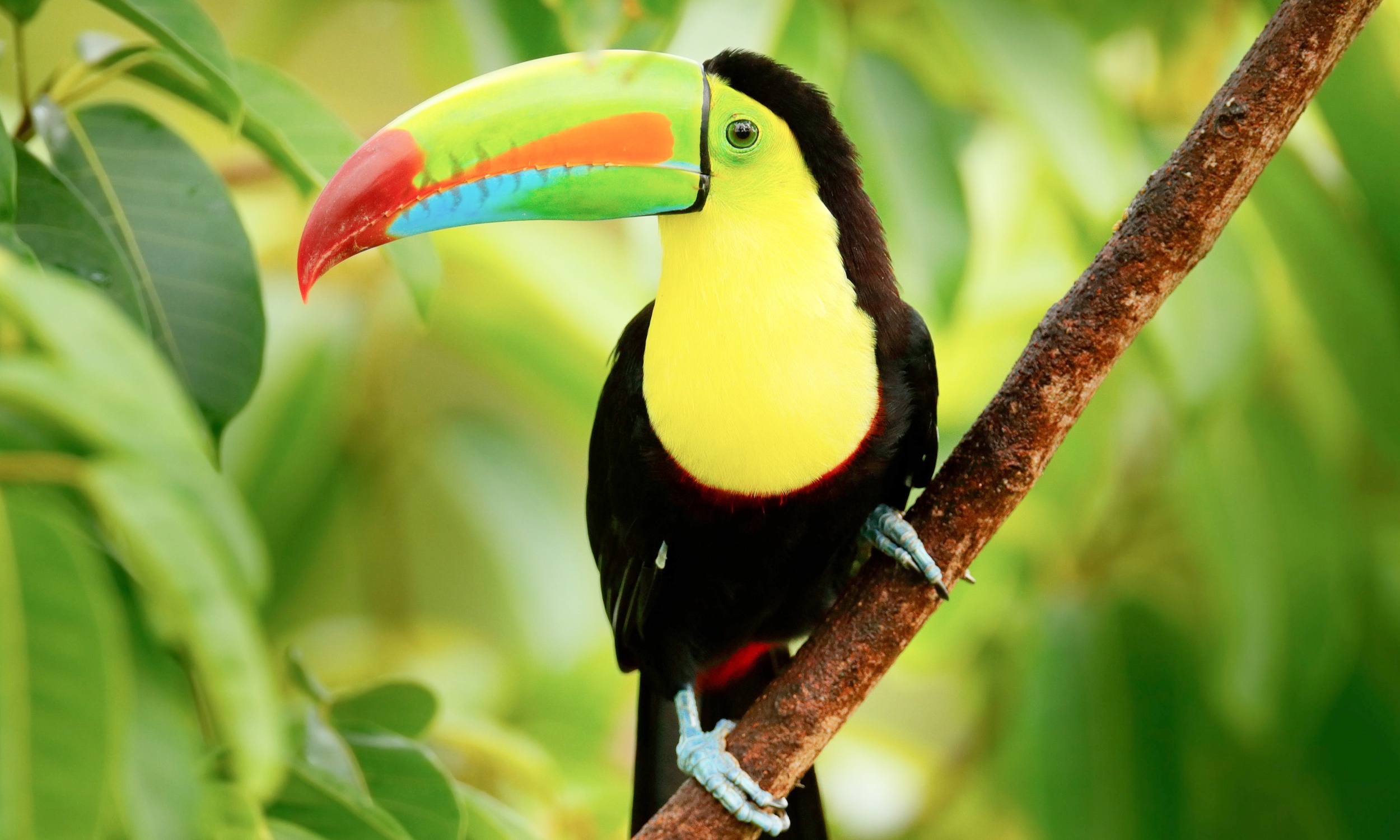
Credit: www.earth.com
Bird Lifespan Basics
Bird lifespan varies widely across species and environments. Understanding the basics helps reveal why some birds live longer than others. Lifespan depends on many factors, including habitat, diet, and genetics. Studying these aspects provides clues about survival in tropical and temperate zones.
Factors Affecting Bird Longevity
- Predation:Birds in safer areas often live longer.
- Climate:Mild climates reduce stress and increase lifespan.
- Food availability:Steady food supports better health.
- Size and metabolism:Smaller birds usually have shorter lives.
- Reproduction:More offspring can mean shorter life due to energy use.
- Human impact:Pollution and habitat loss affect survival.
Common Lifespan Ranges
| Bird Type | Average Lifespan |
|---|---|
| Small songbirds | 3-5 years |
| Medium-sized birds | 10-15 years |
| Large birds (e.g., parrots, raptors) | 20-50 years or more |
Tropical Bird Lifespans
Birds living in tropical regions often experience very different life conditions compared to those in temperate zones. These differences can influence how long they live. Understanding tropical bird lifespans means looking closely at their environment, the species themselves, and the dangers they face.
Environmental Conditions In Tropics
The tropics offer warm temperatures year-round and abundant food sources. This constant environment means birds don’t need to use energy adapting to seasons. However, high humidity and frequent storms can create challenges for survival.
Do you think a stable climate helps birds live longer? In the tropics, less seasonal stress might support longer lifespans for some species.
Species Known For Longevity
Some tropical birds are surprisingly long-lived. Parrots, such as macaws and cockatoos, are famous for living several decades, sometimes over 50 years. These species benefit from strong social bonds and intelligence, which help them avoid dangers.
On the other hand, many small tropical birds have shorter lifespans, often under 10 years. It depends heavily on their size, lifestyle, and adaptability.
Predation And Survival Rates
Predators in tropical forests are numerous and diverse, from snakes to larger birds of prey. This high predation pressure can lower survival rates for some species, especially the smaller ones. Still, some birds have evolved clever ways to avoid predators, like camouflage and alarm calls.
How would you improve a bird’s chances of survival in such a risky environment? Observing these survival strategies reveals how tropical birds balance risks to live longer.
Temperate Zone Birds
Temperate zone birds live in regions with distinct seasons. These areas have cold winters and warm summers. Birds here face changing food supplies and weather conditions. Their lifespan depends on how well they adapt to these changes. Studying these birds helps understand how climate affects bird longevity.
Climate Impact On Lifespan
Temperate zones experience wide temperature changes. Birds must survive cold winters with less food. This stress can shorten their lives. Some birds migrate to avoid harsh winters. Others store fat to survive cold spells. The changing climate challenges their health and survival.
Adaptations To Seasonal Changes
Birds develop special habits to handle seasons. Many grow thicker feathers to stay warm. Some change their diet to available food. Migration helps birds find better living places. Others lower their metabolism to save energy. These adaptations help them live longer despite tough conditions.
Notable Long-lived Species
- American Crow:Can live up to 14 years in the wild.
- Blue Jay:Known to reach 10 years or more.
- Common Raven:Lives up to 21 years, showing strong survival skills.
These species show how temperate birds can live long despite seasonal challenges. Their survival skills and adaptations play a key role.
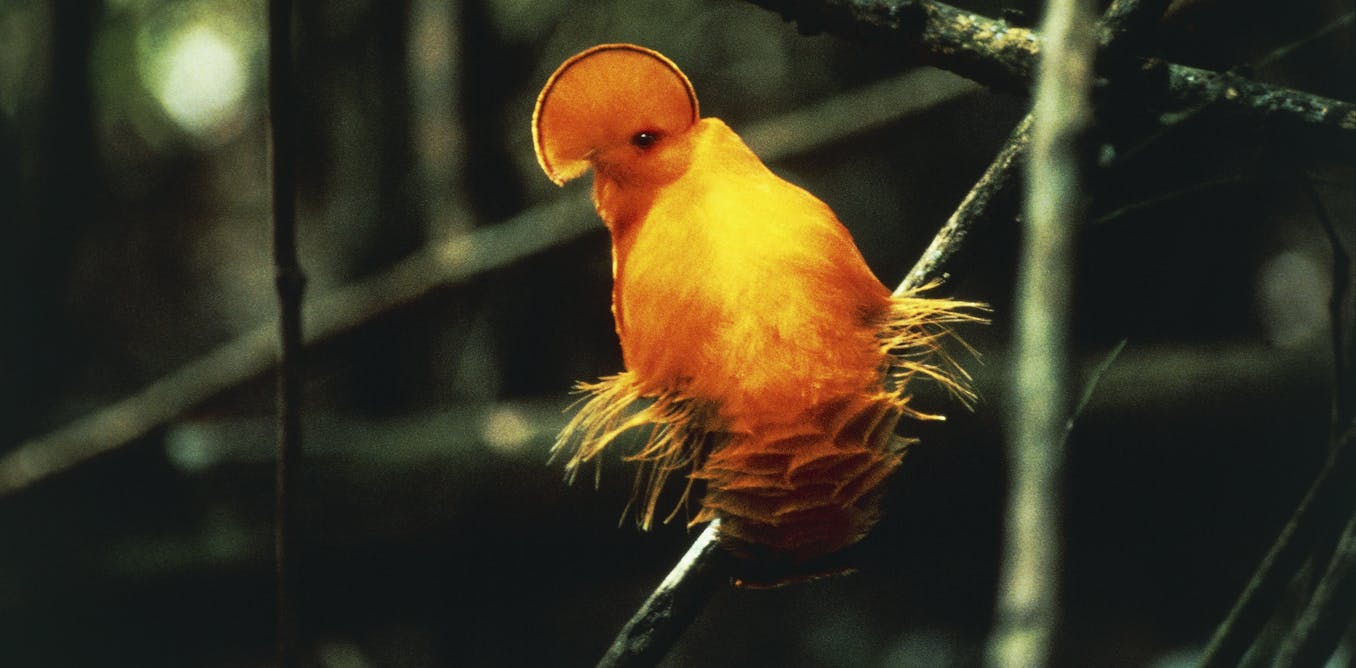
Credit: theconversation.com
Comparing Tropical And Temperate Lifespans
Comparing the lifespans of birds living in tropical and temperate zones reveals fascinating differences shaped by environment and biology. You might expect birds in warmer tropical climates to live longer due to stable conditions, but the reality is more complex. Understanding these variations can change how you think about wildlife and their survival strategies.
Scientific Studies And Findings
Researchers have gathered data from bird banding and monitoring projects worldwide to compare lifespans across climates. On average, tropical birds tend to live longer than their temperate counterparts, sometimes by several years. This trend holds across many species, but not all—highlighting how individual lifestyles and ecological niches matter.
One long-term study of tropical parrots found lifespans exceeding 30 years, while similar temperate species often live less than 15. This suggests that stable food supplies and fewer seasonal stresses in the tropics contribute to longevity. Yet, some temperate birds adopt strategies like migration to avoid harsh winters, which can also affect their lifespan.
Surprising Longevity Patterns
Not all tropical birds outlive those in temperate zones. Some small temperate songbirds live surprisingly long, defying expectations based on size and environment. This raises questions about what other factors influence lifespan beyond climate.
Consider that some temperate birds experience accelerated aging during harsh winters but then enjoy rapid recovery in spring. This cyclical stress and relief may trigger biological adaptations that support longer life spans. Have you noticed how some birds thrive despite extreme seasonal changes? It’s a reminder that survival tactics vary widely.
Role Of Metabolism And Behavior
Metabolism plays a key role in bird longevity. Tropical birds often have slower metabolic rates, which can reduce wear and tear on their bodies over time. Lower energy expenditure means less oxidative damage, potentially extending their lives.
Behavior also matters. Birds that stay put year-round avoid the risks of migration but face constant predators and competition. Migratory temperate birds expend huge energy traveling but escape seasonal food shortages and cold. Your observations of local bird behavior can hint at their survival challenges and how these affect lifespan.
Other Influencing Factors
Bird lifespan isn’t dictated solely by geography. While living in the tropics or temperate zones plays a role, other factors can heavily influence how long birds live. These elements often interact, making it essential to look beyond just location to understand their longevity better.
Diet And Nutrition
Your bird’s diet can dramatically affect its lifespan. Birds in the tropics often have access to a diverse range of fruits, insects, and nectar, providing varied nutrition. Temperate zone birds might face seasonal food shortages that impact their health.
Think about how your own diet affects your energy and health. Birds need the right balance of proteins, fats, and vitamins to stay strong and live longer. If you notice local birds struggling during certain seasons, consider how limited food availability might shorten their lives.
Human Impact And Conservation
Human activities shape bird survival more than you might expect. Urban development, pollution, and deforestation reduce safe habitats and food sources. Yet, conservation efforts like protected reserves can give birds a fighting chance.
Have you ever seen a city park filled with birds thriving despite the urban chaos? That’s a sign that thoughtful conservation works. Supporting local conservation projects can help improve bird lifespans by preserving their homes and reducing threats.
Diseases And Parasites
Diseases and parasites are silent killers for many bird species. In crowded or stressed environments, infections spread faster, cutting lives short. Tropical birds face different parasites than those in temperate zones, making their survival challenges unique.
Imagine how a small infection can ruin your health if left untreated. Birds don’t get medical care, so their immune strength is critical. Monitoring bird populations for outbreaks can help you understand how diseases impact their longevity and what might be done to support them.

Credit: www.ctvnews.ca
Implications For Birdwatchers And Researchers
Birdwatchers and researchers can gain insights into bird longevity by studying tropical and temperate zones. These environments offer different challenges and benefits that affect bird lifespan. Understanding these differences helps in bird conservation and enhancing birdwatching experiences.
Birdwatchers and researchers often marvel at the diverse lifespans of birds in different climates. Understanding whether birds live longer in the tropics or temperate zones can significantly impact how we observe and study them. These insights not only enrich your birdwatching experience but also guide conservation efforts.Observing Lifespan Trends
Observing lifespan trends in birds is like unraveling a mystery. Have you noticed how some species thrive longer in one climate compared to another? This data can shape your birdwatching strategies, allowing you to target specific regions for observing long-lived species. Consider the wisdom you gain when you learn that tropical birds often enjoy longer lifespans due to stable climates and abundant resources. It encourages you to visit these regions, expecting not only to see vibrant species but also to witness their long-term survival strategies.Conservation Strategies Based On Lifespan Data
Lifespan data is a treasure trove for crafting effective conservation strategies. By understanding where birds live longer, you can help prioritize habitats that need protection. When you know that certain temperate species face shorter lifespans due to harsh winters, it highlights the urgency for preserving their environments. Imagine the impact of supporting conservation projects that focus on these vulnerable areas. Your involvement could be the key to ensuring these birds not only survive but thrive. How will your actions contribute to their lasting presence in our world?Frequently Asked Questions
Do Birds Live Longer In Tropical Regions?
Birds in tropical regions generally live longer due to stable climates and abundant food. These conditions reduce stress and predation risks. Tropical birds also mature slower, which often correlates with increased lifespan compared to temperate zone birds.
How Does Climate Affect Bird Lifespan?
Climate impacts bird lifespan by influencing food availability and predator presence. Stable, warm climates like the tropics provide consistent resources. Cold, variable temperate zones cause more environmental stress, often leading to shorter bird lifespans.
Why Do Tropical Birds Mature Slower?
Tropical birds mature slower because of stable environments and less seasonal pressure. This slow growth allows energy conservation and better survival skills. It also leads to longer lifespans compared to temperate birds with faster maturation.
Are Temperate Zone Birds Shorter-lived Than Tropical Birds?
Yes, temperate zone birds often have shorter lifespans. Harsh winters and seasonal food scarcity increase stress and mortality. These challenges cause faster aging and shorter overall life expectancy than tropical birds.
Conclusion
Birds’ lifespans depend on many factors, not just location. Tropical birds often live longer due to stable climates. Temperate birds face harsher winters and food shortages. These challenges can shorten their lives. Still, some temperate species adapt well and survive long.
Nature’s balance shapes how long birds live everywhere. Understanding this helps us appreciate bird life better. It shows that survival depends on more than just the zone. Each bird’s story is unique and worth learning about.




