
Have you ever wondered if adding a bird bath to your garden will actually bring more birds to visit? You’re not alone.
Many people hope that a simple water feature will turn their outdoor space into a lively bird haven. But does it really work? You’ll discover the surprising truth about bird baths and how they can attract your feathered friends. By the end, you’ll know exactly what to do to make your backyard a favorite spot for birds to drink, bathe, and stay awhile.
Keep reading—you won’t want to miss these easy tips!

Credit: www.birdfy.com
Benefits Of Bird Baths
Bird baths offer many benefits for birds and nature lovers alike. They provide essential resources and help create a welcoming environment. A simple bird bath can make a big difference in your garden or backyard. Here are some key benefits of having a bird bath.
Water Source For Birds
Birds need water to drink and bathe. A clean bird bath gives them a safe place for both. Fresh water helps birds stay healthy and active. It is especially important during hot, dry days. A reliable water source supports birds all year round.
Encouraging Bird Diversity
Different bird species visit bird baths. They come to drink and splash around. This attracts a variety of birds to your area. More bird types mean a lively and colorful garden. Watching many birds can bring joy and peace.
Supporting Local Wildlife
Bird baths help local wildlife thrive. They provide water not only to birds but to other small animals. This supports the balance of nature in your neighborhood. Offering water helps animals survive tough weather and dry seasons. It shows care for the environment close to home.
Choosing The Right Bird Bath
Choosing the right bird bath can make all the difference in attracting feathered visitors to your garden. The right bath not only provides water but also feels safe and inviting to birds. Think about your space, the types of birds you want to attract, and the overall look you want to achieve before making a choice.
Material Options
Bird baths come in various materials, each with its own benefits and drawbacks. Concrete baths are sturdy and can hold water well, but they can be heavy and may crack in cold weather. Plastic bird baths are lightweight and affordable but may not last as long.
Metal baths, like copper or steel, add a modern touch and are durable, but they can heat up quickly under the sun, which may deter birds. Stone and ceramic options offer natural looks that blend well with gardens, but they often require more care to prevent damage.
Consider what fits your climate, budget, and style. Have you noticed birds avoiding certain materials in your yard? That’s a sign to reconsider your choice.
Size And Depth Considerations
Size matters when it comes to bird baths. Smaller baths might look charming but can limit the number of birds that visit at once. Larger baths offer more space but need more frequent cleaning and refilling.
Depth is just as important. Birds prefer shallow water, usually between 1 to 2 inches deep. If your bird bath is too deep, birds might avoid it due to safety concerns. You can add stones or pebbles inside deeper baths to create shallow spots.
Think about the bird species common in your area and their bathing habits. Are you providing a safe and comfortable environment for them to drink and bathe?
Designs That Attract Birds
Design can influence whether birds feel welcome. Baths with rough surfaces help birds grip and feel secure. Smooth, slippery surfaces might discourage them from landing.
Adding movement to the water, such as a dripper or fountain, can catch birds’ attention and keep the water fresh. Reflective surfaces or bright colors near the bath can also help attract birds, but avoid overwhelming patterns that might scare them.
Place your bath near natural shelter like shrubs or trees. This provides birds quick escape routes from predators, increasing their comfort and likelihood to visit. How can you tweak your bird bath’s design to better suit the birds you hope to see?
Ideal Placement For Bird Baths
Placing a bird bath correctly can greatly increase visits from birds. Birds need a safe and inviting spot to drink and bathe. The right location helps birds feel secure and comfortable. It also keeps the water clean and fresh. Understanding where to put a bird bath can make your garden lively and full of bird activity.
Safe And Visible Locations
Choose a spot visible to birds from the air and ground. Avoid places near busy roads or areas with heavy foot traffic. Birds prefer places where they can see predators coming. A clear view gives them time to fly away. Keep the bird bath away from dense bushes where cats may hide.
Sunlight And Shade Balance
Bird baths need a mix of sun and shade. Sunlight warms the water, making it more inviting. Shade helps keep the water cool and prevents algae growth. Place the bath where it gets morning sun and afternoon shade. This balance keeps the water fresh longer and attracts more birds.
Proximity To Shelter
Birds want to stay close to shelter for quick refuge. Trees, shrubs, or tall plants near the bath provide safe cover. Shelter helps birds feel less exposed to predators. It also offers resting spots after bathing. Position the bird bath within a few feet of protective plants for best results.
Maintaining Cleanliness
Keeping your bird bath clean is essential to truly attract birds and keep them coming back. Dirty water can deter birds and even harm their health. A clean bird bath creates a safe, inviting space for birds to drink and bathe, turning your garden into a lively haven.
Cleaning Frequency
How often you clean your bird bath depends on the weather and bird activity. During hot, dry spells, clean it at least every two to three days to prevent bacteria buildup. If you notice leaves, feathers, or debris, don’t wait—clean it immediately to keep the water fresh.
In cooler weather, once a week might be enough. Regular cleaning keeps the water clear and safe, encouraging more birds to visit. Have you noticed fewer birds when the water looks murky? That’s a clear sign it’s time to clean.
Preventing Algae And Mosquitoes
Algae growth can quickly turn your bird bath into an unattractive green mess. To prevent this, place the bath in a shaded area or use a bird bath with a rough surface that discourages algae.
Mosquitoes love standing water and can breed rapidly in bird baths. Changing the water frequently disrupts their breeding cycle. You can also add a small fountain or dripper to keep water moving, which mosquitoes dislike.
- Use a mesh cover to keep debris out
- Empty and scrub the bath weekly to remove algae
- Introduce natural mosquito predators like dragonflies nearby
Using Safe Cleaning Methods
Harsh chemicals can harm birds, so avoid bleach or ammonia. Use a mixture of mild dish soap and warm water instead. Scrub the basin with a soft brush or sponge to remove dirt without scratching the surface.
Rinse thoroughly to remove any soap residue. If you prefer natural cleaners, a diluted vinegar solution works well against algae and bacteria. Have you tried vinegar yet? It’s effective and safe for your feathered friends.
Enhancing Your Backyard Habitat
Creating a backyard that invites birds goes beyond just setting up a bird bath. You need to think about the entire environment you’re offering. A well-rounded habitat keeps birds visiting regularly and makes your outdoor space lively and beautiful.
Adding Plants And Shrubs
Plants and shrubs provide birds with shelter and places to hide from predators. Choose native varieties that produce berries, seeds, or nectar to naturally attract local bird species.
Ever noticed how birds flock to your neighbor’s yard with dense bushes? That’s because they feel safe and find food there. Adding a mix of tall shrubs and low ground cover can create a welcoming space for different types of birds.
Providing Food Sources
Bird baths alone won’t keep birds coming if there’s no food nearby. Try placing feeders with seeds, suet, or fruit near your bird bath to offer a complete dining experience.
Think about the birds you want to attract. Cardinals love sunflower seeds, while hummingbirds prefer nectar feeders. You can even scatter some seeds on the ground for ground-feeding birds.
Creating Bird-friendly Features
Other features like nesting boxes, perches, and shallow water spots can make a big difference. Birds look for safe places to rest and raise their young, so adding these elements encourages longer visits.
Have you considered how a small pile of twigs or a quiet corner can become a nesting site? Even simple things like placing stones in your bird bath help birds land safely and enjoy the water.
Common Mistakes To Avoid
Setting up a bird bath sounds simple, but certain mistakes can keep the birds away. These errors often go unnoticed but have a big impact on whether birds visit your bath or not. Avoiding these common pitfalls will make your bird bath a favorite stop for your feathered friends.
Neglecting Water Freshness
Birds need clean, fresh water to drink and bathe. Stale water quickly becomes dirty and can harbor harmful bacteria. I once left water in a bath for a week, and no birds came near until I changed it. Refresh the water every two days, especially in warm weather, to keep it inviting and safe.
Poor Placement Issues
Where you place your bird bath matters more than you might think. Avoid putting it in direct sun all day, which can heat the water too much and scare birds away. Also, place it near some shrubs or trees but not too close to hide predators. Birds like a spot where they can see around but have quick access to cover.
Ignoring Predators
Predators like cats or hawks can make birds avoid your bath entirely. If you don’t consider their presence, your efforts might go to waste. Position your bird bath in an open area where birds can spot danger early and escape quickly. Adding nearby perches helps birds watch for threats and feel safer.
Seasonal Tips For Bird Baths
Bird baths can attract a variety of birds throughout the year. Different seasons require specific care to keep bird baths inviting. Proper maintenance ensures birds have a safe place to drink and bathe. Here are some tips to adjust your bird bath care seasonally.
Winter Care And Maintenance
In winter, prevent the bird bath from freezing. Use a heater designed for bird baths to keep water from icing over. Regularly check the heater to ensure it functions well. Clean the bath often to remove any debris or contaminants. Consider placing the bath in a sunny spot to naturally help keep the water liquid.
Summer Cooling Strategies
During summer, keep the water cool and fresh. Refill the bird bath daily to maintain cool temperatures. Add a few ice cubes to help lower the water’s temperature. Position the bird bath in a shaded area to protect it from direct sun. This helps prevent rapid evaporation.
Adjusting For Migratory Patterns
Birds migrate with changing seasons. Adjust the bird bath to cater to different species. In spring and fall, make sure the bath is clean and full. Migratory birds seek reliable water sources. Research local migratory birds to provide the best environment. This helps attract a variety of species during their travels.

Credit: www.allaboutbirds.org
Credit: www.homesandgardens.com
Frequently Asked Questions
Do Bird Baths Really Attract More Birds?
Yes, bird baths attract birds by providing fresh water for drinking and bathing. Clean, shallow water encourages frequent visits. Position baths in quiet, safe areas to increase bird activity around your yard.
What Types Of Birds Visit Bird Baths?
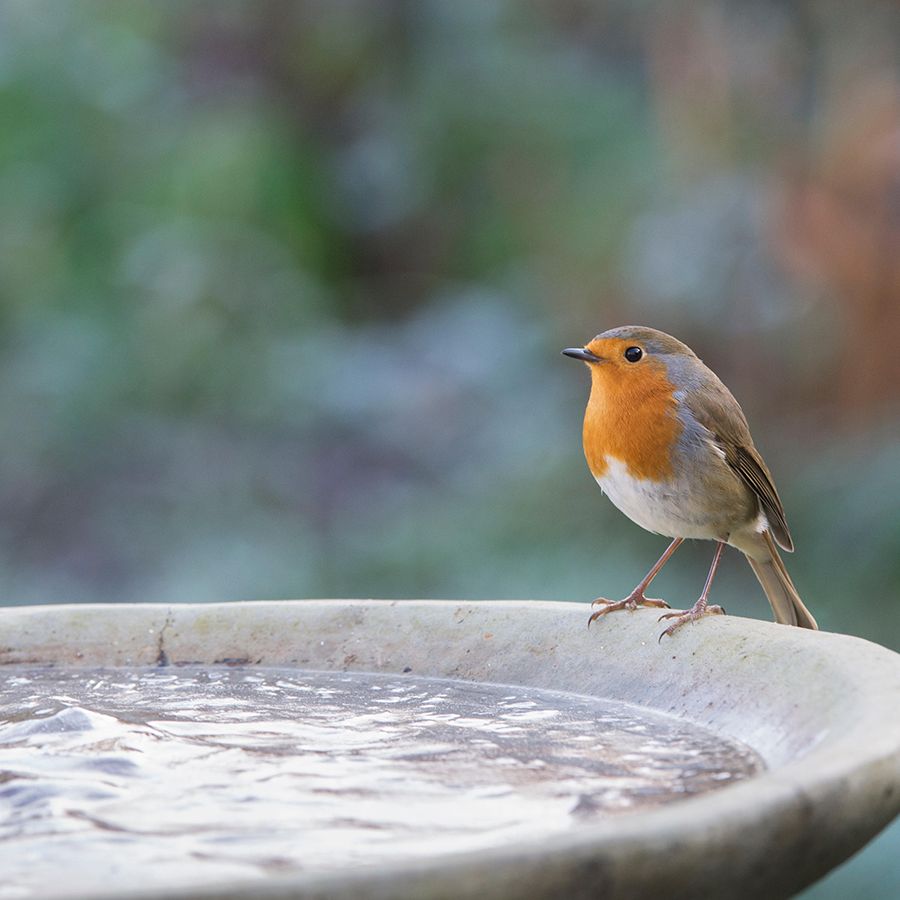
Bird baths attract various birds like robins, sparrows, finches, and cardinals. Different species prefer shallow water with gentle slopes. Changing water regularly helps attract diverse birds by keeping it fresh and safe.
How Often Should I Clean A Bird Bath?
Clean your bird bath at least once a week. Use mild soap and rinse thoroughly to avoid harmful residues. Regular cleaning prevents algae growth and protects birds from diseases.
Where Should I Place A Bird Bath For Best Results?
Place bird baths in open, visible areas near shrubs or trees. Birds feel safer near cover but need clear sightlines to watch for predators. Avoid direct sun to keep water cool and fresh longer.
Conclusion
Bird baths do attract birds by providing fresh water for drinking and bathing. Birds need water to stay healthy and clean. A clean, shallow bath invites many bird species to visit. Placing the bath in a quiet, safe spot helps birds feel secure.
Regularly changing the water keeps it fresh and appealing. Watching birds splash and drink brings joy and life to your yard. Simple steps make your garden a favorite place for birds. Enjoy nature’s small visitors with a well-maintained bird bath nearby.




