
Have you ever wondered if hummingbirds will visit your regular bird feeders or if they prefer their own special spot? If you’re hoping to attract these tiny, colorful creatures to your yard, understanding where they like to feed is key.
You might be surprised to learn how hummingbirds interact with other birds at feeders and what you can do to make your garden a hummingbird haven. Keep reading to discover the simple secrets that will help you welcome these fascinating visitors right alongside your other feathered friends.
Hummingbird Feeding Habits
Understanding hummingbird feeding habits can help you create a welcoming space in your garden. These tiny birds have unique preferences and routines that influence where and when they feed. If you place different feeders around your yard, knowing their habits will guide you on whether hummingbirds will share those spaces with other birds.
Preferred Food Sources
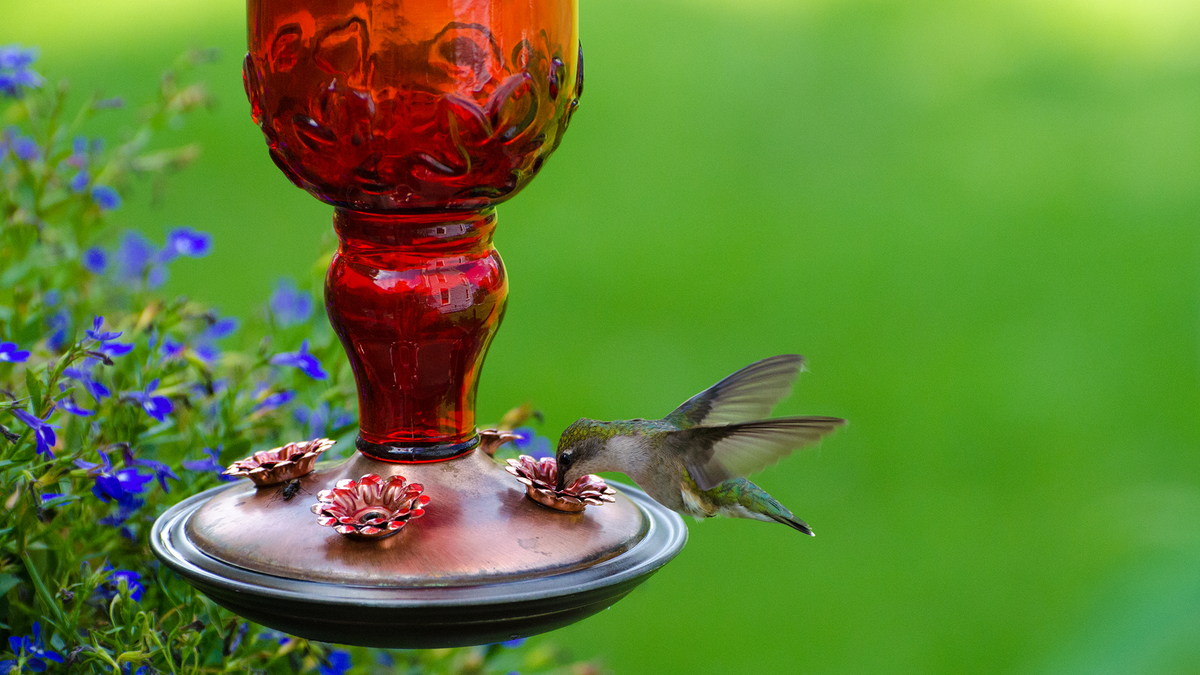
Hummingbirds mainly seek out nectar from flowers and feeders filled with sugar water. They prefer feeders with a bright red color, which mimics the flowers they naturally visit. Unlike many other birds, hummingbirds are not attracted to seed feeders and often avoid them completely.
You might notice that hummingbirds favor feeders placed in open spaces near flowering plants. This setup provides them with a natural food source nearby and a safe spot to perch. Adding fresh nectar every few days keeps them coming back, especially if you avoid using honey or artificial dyes.
Feeding Times And Patterns
Hummingbirds eat frequently throughout the day because of their high metabolism. They often feed early in the morning and late in the afternoon, with bursts of activity in between. During hotter parts of the day, they tend to rest more and feed less.
If you place a hummingbird feeder near a standard bird feeder, you may see the hummingbirds feeding at different times than the other birds. This natural staggering can reduce competition. Have you ever watched how hummingbirds dart quickly between feeders, almost as if they’re timing their visits to avoid others?
Credit: www.tomsguide.com
Interaction With Other Birds
Hummingbirds are known for their vibrant colors and rapid wing movements, but how do they behave around other birds at feeders? Understanding their interaction with other birds can help you create a better feeding environment. Observing these small creatures reveals a lot about their social habits and challenges they face.
Competition At Feeders
Hummingbirds often visit feeders that attract other bird species, but they don’t always share space peacefully. They can be quite bold and competitive, especially when nectar sources are limited. You might notice them chasing away larger birds or quickly darting in to grab a sip before others get a chance.
Different birds have different feeding styles. For example, finches and sparrows tend to crowd around seed feeders, while hummingbirds prefer nectar feeders. This natural separation reduces competition but doesn’t eliminate it entirely. Have you ever seen a hummingbird aggressively defend a feeder from a curious chickadee?
Territorial Behavior
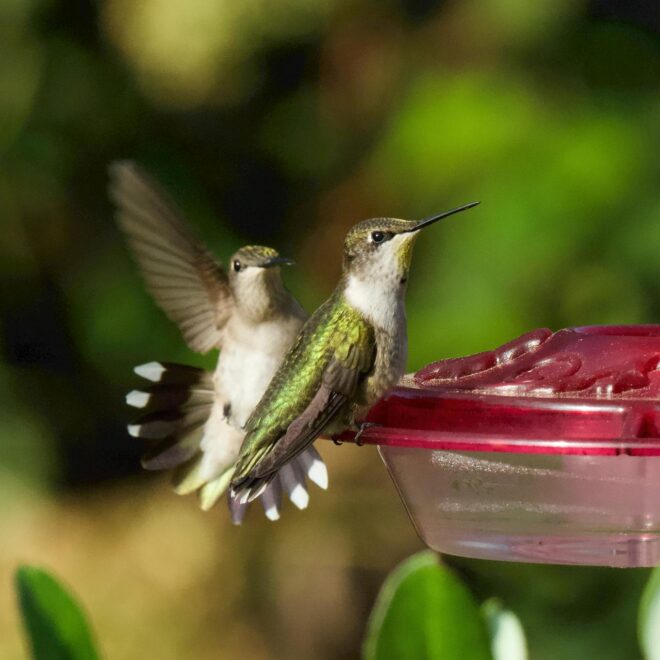
Hummingbirds are fiercely territorial, especially males during breeding season. They will patrol their feeding area and chase off intruders, including other hummingbirds and sometimes even larger birds. This behavior ensures they have enough resources to survive and attract mates.
If you want to reduce territorial disputes, try placing multiple feeders at least 10 feet apart. This spacing can help distribute the hummingbirds and lower stress levels for all visiting birds. Think about how you can design your feeding station to give each bird its own little space.
Types Of Bird Feeders
Bird feeders come in many shapes and sizes to attract different bird species. Choosing the right feeder helps create a welcoming space for hummingbirds and other birds. This variety also influences how birds share feeding areas.
Feeders For Hummingbirds
Hummingbird feeders usually have bright red parts to attract these tiny birds. They hold sugar water, which mimics flower nectar. Most have small feeding ports that fit hummingbird bills only. This design keeps larger birds from stealing nectar.
Common styles include:
- Tube feeders with perches
- Bell-shaped feeders
- Feeder bottles with flower-shaped feeding holes
Feeders For Other Birds
Feeders for songbirds and larger birds vary widely. They often use seeds, nuts, or suet as food. Tube feeders, hopper feeders, and platform feeders work well for many bird types. These feeders have larger openings and perches for bigger birds.
Popular options include:
- Tube feeders for finches and chickadees
- Hopper feeders for cardinals and jays
- Platform feeders for doves and sparrows
Placement Strategies
Proper placement helps reduce competition between hummingbirds and other birds. Place hummingbird feeders in open areas away from larger bird feeders. This gives hummingbirds space to feed calmly. Position larger bird feeders near trees or shrubs for cover.
Spacing feeders about 10 to 15 feet apart works well. Keep hummingbird feeders higher or hanging in sunny spots. This placement attracts hummingbirds while keeping other birds at a distance.
Attracting Hummingbirds Safely
Attracting hummingbirds safely ensures they stay healthy and visit often. Hummingbirds are delicate creatures. They need clean food and a safe space. Proper care of feeders helps prevent illness and stress. This section covers how to offer fresh nectar, avoid contamination, and keep feeders in top shape.
Best Nectar Recipes
Simple sugar water works best for hummingbirds. Use four parts water to one part white sugar. Boil the water first, then stir in the sugar until it dissolves. Let the mixture cool before filling the feeder. Avoid honey, artificial sweeteners, or red dye. These can harm the birds or discourage visits.
Avoiding Contamination
Cleanliness is key to safe hummingbird feeding. Change nectar every two to three days in warm weather. Wash feeders with hot water and mild soap. Rinse thoroughly to remove soap residue. Avoid using bleach or harsh chemicals, which can be toxic. Keep feeders in shaded areas to slow nectar spoilage.
Maintaining Feeders
Inspect feeders regularly for cracks or mold. Replace damaged parts immediately. Clean all feeder parts completely during each nectar change. Remove any dead insects or debris. Use a soft brush to reach small holes and crevices. Proper maintenance keeps hummingbirds safe and encourages repeat visits.
Common Myths About Hummingbird Feeding
Many people have strong beliefs about hummingbird feeding habits, but some of these ideas don’t hold up under closer look. Separating hummingbird feeders from other bird feeders is often thought to be necessary, but is that really true? Let’s clear up some common myths that might be limiting your chances to enjoy these tiny birds up close.
Feeding With Other Birds Causes Conflict
It’s a common worry that hummingbirds and larger birds will fight over feeders if placed close together. However, hummingbirds are quite adaptable and usually feed quickly, avoiding direct competition.
Larger birds might dominate feeders meant for seeds or suet, but they rarely bother hummingbird feeders. If you’ve noticed a cardinal or finch nearby, it doesn’t mean your hummingbird is in danger or stressed out.
In fact, having multiple feeders can attract a variety of birds without problems. You might even find hummingbirds visiting while other birds feed nearby, each sticking to their preferred food.
Hummingbirds Avoid Crowded Feeders
Many think hummingbirds won’t visit feeders if other birds are already there. But hummingbirds are fast and territorial; they often wait their turn or chase off intruders themselves.
If you see fewer visits, it might be due to feeder placement or nectar quality rather than crowding. Try placing feeders in different spots or refreshing the nectar more often to keep hummingbirds coming back.
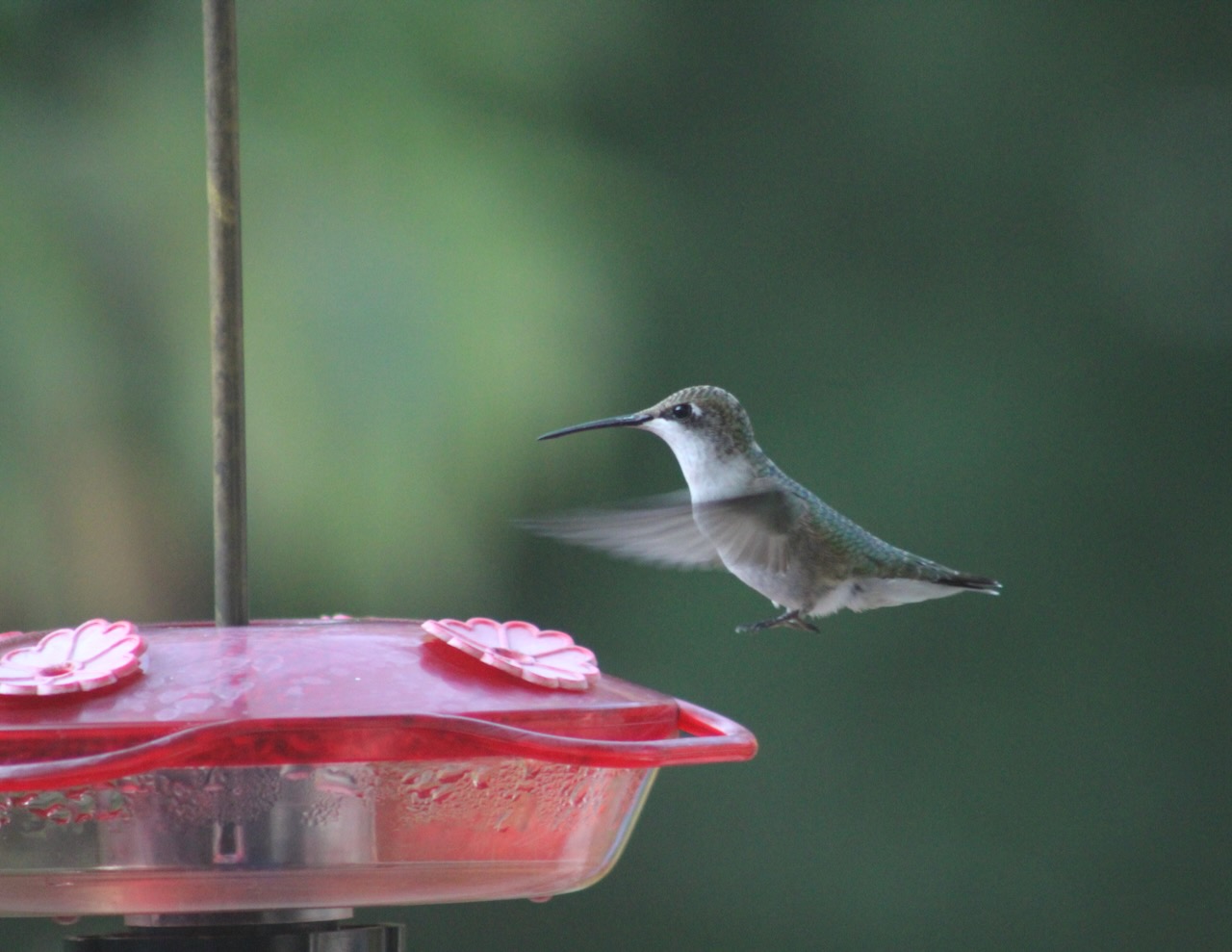
Have you ever watched a hummingbird hover patiently, then dart in as soon as another bird leaves? This shows they are more flexible than you might expect about sharing feeding space.
Credit: www.birdwatchingdaily.com
Credit: findingourwayhome.blog
Frequently Asked Questions
Do Hummingbirds Feed Near Other Bird Feeders?
Yes, hummingbirds can feed near other bird feeders. They usually focus on nectar feeders but may visit seed feeders nearby. Placement matters to avoid competition and ensure their safety.
Can Hummingbirds Share Feeders With Other Birds?
Hummingbirds prefer nectar feeders and rarely share with seed-eating birds. However, some aggressive birds may chase them away. Separate feeders help reduce conflict.
What Attracts Hummingbirds To Feeders Near Other Birds?
Bright colors, especially red, and fresh nectar attract hummingbirds. Nearby bird feeders with seeds don’t usually affect their feeding if nectar feeders are visible.
Will Hummingbirds Avoid Feeders If Other Birds Are Present?
Hummingbirds may avoid feeders if aggressive birds dominate the area. Providing multiple feeders and safe perches encourages hummingbirds to stay near other birds.
Conclusion
Hummingbirds can feed near other bird feeders, but they prefer space. They like quiet spots without too many other birds. Placing feeders a few feet apart helps hummingbirds feel safe. Bright colors and fresh nectar attract them best. Watching these tiny birds up close brings joy.
With patience, hummingbirds will visit your feeder often. Keep feeders clean and filled to see more visits. Enjoy the gentle hum and quick flights nearby. Small changes make big differences for hummingbird feeding.




