
Are you ready to see birds like never before? Choosing the right strength binoculars can make all the difference in your bird watching experience.
Whether you’re a beginner or a seasoned watcher, the perfect binoculars bring every feather, color, and movement into sharp focus. But with so many options out there, how do you know which strength is best for you? Keep reading, and you’ll discover exactly what to look for to make your bird watching clearer, easier, and more exciting than ever.

Credit: www.amazon.ca
Choosing The Right Magnification
Choosing the right magnification is key for bird watching. It affects how close and clear birds appear. The right choice helps you enjoy details without losing sight of the bird’s movement. Magnification also impacts how steady your view will be. Picking the best magnification means balancing zoom power with ease of use. Here is a guide to help you decide.
Pros And Cons Of Different Magnifications
- Low Magnification (6x to 8x):Wide view, easy to hold steady. Less zoom, details are smaller.
- Medium Magnification (8x to 10x):Good balance of zoom and stability. Clear details and manageable shake.
- High Magnification (12x and above):Very detailed close-ups. Harder to keep steady, smaller field of view.
Best Magnification For Bird Watching
Magnifications between 8x and 10x work best for most bird watchers. This range offers clear views without too much shake. You see details like feathers and colors well. It also gives a wide enough view to track birds in flight. This range is good for beginners and experienced watchers alike.
Balancing Magnification And Stability
Higher magnification makes the image jump more with hand movements. This can tire your arms and make spotting birds hard. Lower magnification binoculars are easier to keep steady. Consider using a tripod for very high magnifications. Choose a model with good grip and weight for comfort. Stability helps you enjoy longer bird watching sessions.
:max_bytes(150000):strip_icc()/tal-athlon-optics-8x42-midas-uhd-binoculars-signe-bamsey-ben-wanamaker-09-1-8caa644274c046f78e4cc47a08bb9750.jpeg)
Credit: www.travelandleisure.com
Lens Diameter And Brightness
Lens diameter and brightness play key roles in bird watching binoculars. The lens size affects how much light enters the binoculars. More light means a brighter and clearer image. Brightness helps you see details even in low light, such as early morning or cloudy days. Choosing the right lens diameter improves your bird watching experience significantly.
Impact Of Lens Size On Image Quality
Larger lenses capture more light. This results in a brighter and sharper image. Small lenses may make images look dim or blurry. Big lenses also improve the view in dim light. But, bigger lenses make binoculars heavier. Finding the right balance between size and comfort is important.
Optimal Lens Diameter For Various Lighting
Lens diameter affects visibility in different lighting conditions. Use these guidelines:
- 20-30mm:Best for bright, sunny days.
- 30-40mm:Good for general use and moderate light.
- 40-50mm:Ideal for dawn, dusk, and shady areas.
Choose lens size based on where and when you bird watch the most.
How Lens Coatings Enhance Clarity
Lens coatings reduce glare and reflections. They increase light transmission through lenses. This makes images clearer and brighter. Coatings also improve color accuracy and contrast. Fully multi-coated lenses provide the best performance. They help you see fine bird details more easily.
Field Of View Considerations
Choosing the right binoculars for bird watching means paying close attention to the field of view (FOV). This feature determines how much of the landscape you can see through your binoculars at once. A well-chosen field of view helps you spot and follow birds more easily, making your bird watching experience much more rewarding.
Wide Vs Narrow Field Of View
A wide field of view lets you see a larger area without moving your binoculars. This is especially useful when birds are active and moving quickly. Narrow fields of view focus on a smaller area but often provide higher detail and magnification.
If you watch birds in dense forests or wide open spaces, ask yourself: do you need to scan large areas quickly or focus on fine details? Your answer will guide you toward choosing wide or narrow FOV binoculars.
Importance For Tracking Birds
Tracking a bird in flight can be challenging. A wide field of view helps you keep the bird in sight without constantly adjusting your binoculars. This reduces eye strain and frustration during long observation sessions.
Think about the last time you lost sight of a fast-moving bird. Would a wider FOV have helped you stay on target? Many bird watchers find that a wider view improves their chances of successful tracking.
How Field Of View Affects Bird Identification
Bird identification often depends on seeing clear, detailed features like feather patterns and colors. A narrower field of view usually means higher magnification and sharper detail, which aids in identifying smaller or distant birds.
However, too narrow a view might make it harder to find the bird in the first place. Balancing FOV with magnification ensures you spot the bird quickly and then zoom in to identify it. What’s your priority: spotting or identifying first?
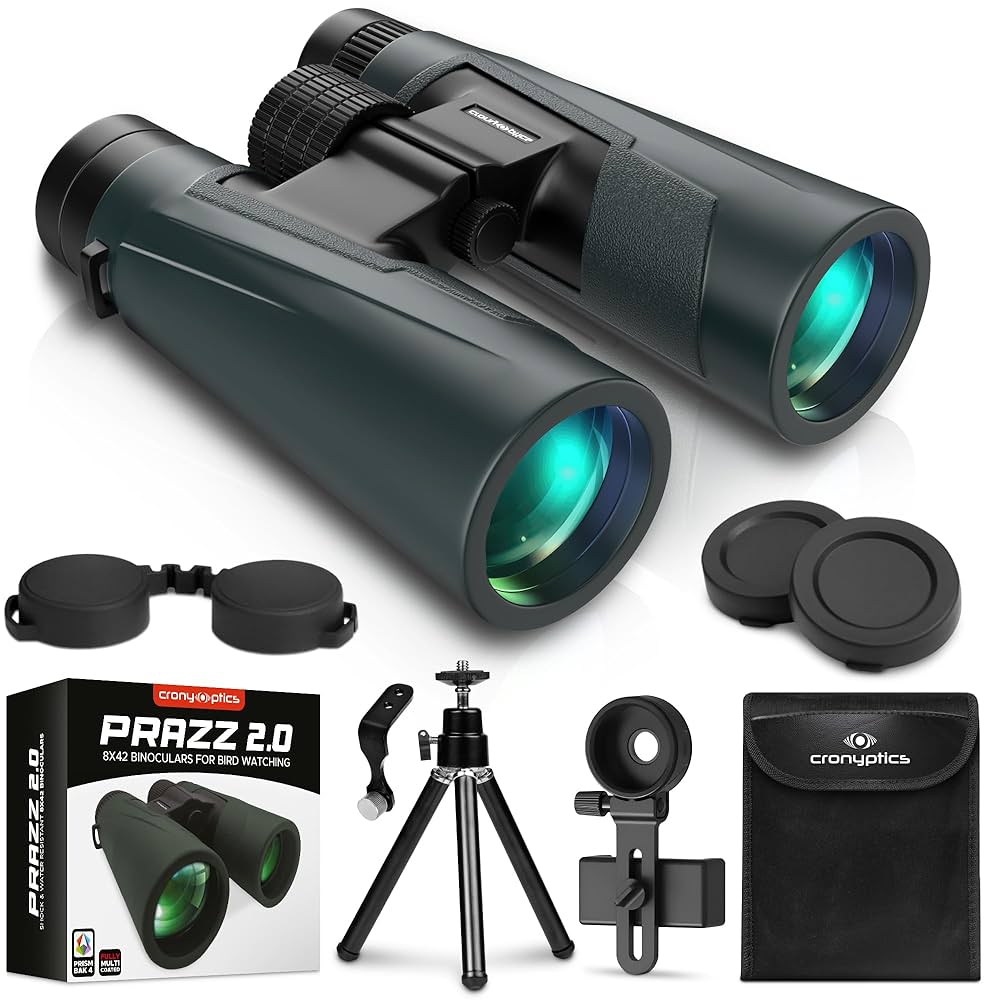
Credit: www.amazon.com
Weight And Portability
Weight and portability matter a lot in bird watching binoculars. Heavy binoculars tire your arms fast and slow you down. Compact and light models help you enjoy long hikes and quick bird spotting. Carrying ease makes your bird watching more fun and less stressful.
Lightweight Models For Long Hikes
Lightweight binoculars often weigh under 20 ounces. They reduce arm strain during long use. These models fit well in backpacks or neck straps. You can carry them easily on rough trails. Lightweight options usually have smaller lenses but still provide clear views.
Durability Vs Portability Trade-offs
Durable binoculars protect against bumps and weather. They tend to weigh more due to stronger materials. Portability may decrease with added armor and waterproofing. Choose binoculars that balance toughness with manageable weight. Consider your usual walking distance and conditions.
Choosing Compact Binoculars
Compact binoculars fit in small bags or pockets. They offer easy storage and quick use. These binoculars are perfect for casual bird watchers. Compact models may have slightly lower magnification or narrower views. Still, they provide good image quality for most birding needs.
Weatherproof Features
Weatherproof features play a vital role in choosing binoculars for bird watching. Birds often appear in damp, foggy, or rainy environments. Binoculars with weatherproof designs ensure clear views and protect the device from damage. These features help maintain performance no matter the weather conditions.
Waterproof And Fogproof Designs
Waterproof binoculars prevent water from entering the lenses and body. This protection allows use during rain or near water bodies. Fogproof binoculars have sealed air chambers filled with nitrogen or argon gas. These gases stop internal fogging caused by temperature changes. Together, waterproof and fogproof designs keep images sharp and clear.
Impact On Longevity And Performance
Weatherproof binoculars last longer under tough conditions. They resist rust, corrosion, and mold. This durability reduces maintenance needs and replacement costs. Consistent performance is crucial for bird watchers. Clear images and smooth focusing enhance the bird-watching experience. Weatherproof features guarantee reliable use in all environments.
Best Weatherproof Models In 2025
- Vortex Diamondback HD – Waterproof and fogproof with excellent clarity
- Nikon Monarch 7 – Durable, lightweight, and weather-sealed
- Zeiss Terra ED – Robust design with advanced waterproofing
- Bushnell Legend Ultra HD – Strong fogproof system and water resistance
- Leica Ultravid HD-Plus – Premium weatherproof technology and sharp optics
Eye Relief And Comfort
Choosing binoculars with proper eye relief ensures comfort during long bird-watching sessions. Adequate eye relief helps reduce strain and provides a clear, wide view. This feature is essential for users who wear glasses or spend hours observing nature.
Eye relief and comfort are essential for enjoyable bird watching. Bird watchers often spend hours observing, so comfort is key. Proper eye relief ensures a clear and relaxed view. It helps prevent eye strain and discomfort during long sessions.Importance For Glasses Wearers
Eye relief is crucial for those who wear glasses. It measures the distance from the binocular lens to the eye. Glasses wearers need longer eye relief for a full field of view. Look for binoculars with at least 15mm of eye relief. This ensures comfortable use without removing glasses.Adjustable Eye Cups And Focus Systems
Adjustable eye cups enhance viewing comfort. They allow users to customize the distance to their eyes. This feature is beneficial for both glasses wearers and non-wearers. A good focus system is also vital. It provides precise control over the clarity of the image. Choose binoculars with smooth focus adjustments for the best experience.Enhancing Viewing Comfort
Viewing comfort is more than eye relief and focus. Lightweight binoculars reduce hand fatigue during long use. Ergonomic designs offer a better grip and balance. These features make bird watching more enjoyable and less tiring. Always consider comfort when selecting binoculars for bird watching.Popular Brands And Models
Popular binocular brands like Nikon, Celestron, and Bushnell offer reliable models for bird watching. Models with 8x or 10x strength are favored for clear, detailed views. Choosing the right strength depends on comfort and the type of birds you want to observe.
Bird watching is a delightful hobby that opens a window to the natural world. The right pair of binoculars can enhance this experience by bringing distant birds into sharp focus. With so many options available, it can be overwhelming to choose the perfect pair. Understanding popular brands and models helps narrow down the choices, ensuring you find binoculars that fit your needs and budget.Top Binoculars For Bird Watching
Some brands have established themselves as leaders in the bird watching community. Nikon and Bushnell consistently deliver quality optics with excellent clarity and durability. The Nikon Monarch series is particularly beloved for its bright, clear images and ergonomic design. On the other hand, Bushnell’s Legend series offers excellent light transmission, making it ideal for early morning birders.Budget-friendly Options
Not everyone can splurge on high-end gear, and that’s perfectly fine. Celestron offers affordable models without sacrificing quality. Their Nature DX series is a favorite for its waterproof design and sharp optics. Another budget-friendly brand, Vortex, offers the Crossfire series, known for its durability and ease of use. These options prove that you don’t need to break the bank to enjoy bird watching.High-end Features Worth Investing In
If you’re ready to invest in premium binoculars, look for features that enhance your bird watching experience. Zeiss and Swarovski offer high-end models with superior optics and innovative technologies. Zeiss’s Victory series boasts exceptional image quality with advanced lens coatings. Swarovski’s EL series, although pricey, is renowned for its unparalleled clarity and ergonomic design. Consider what features are most important to you—like weight, field of view, or image stabilization—when making your decision. Choosing the right binoculars is a personal journey. Which brand or model resonates with you? Are there features you can’t live without? Finding the perfect pair can transform your bird watching adventures, providing a more intimate connection with nature.Maintenance Tips
Proper maintenance of your binoculars ensures clear views and extends their life. Regular care keeps lenses free from dust and scratches. It also prevents mechanical problems, saving you from costly repairs. Follow these tips to keep your bird-watching binoculars in top shape.
Cleaning Lenses Safely
Use a soft brush or air blower to remove loose dirt. Avoid touching lenses with your fingers to prevent smudges. Use a microfiber cloth with lens cleaner designed for optics. Gently wipe in circular motions without pressing hard. Never use household cleaners or tissues on lenses.
Storage And Care
Store binoculars in a dry, cool place away from direct sunlight. Keep them in a protective case to avoid dust and damage. Remove batteries if not used for long periods to prevent corrosion. Use silica gel packs inside the case to absorb moisture. Always cover lenses with caps when not in use.
Troubleshooting Common Issues
Fog inside lenses may mean a seal problem; dry the binoculars in a warm place. Stiff focus wheels can be loosened by gentle turning back and forth. Blurry images often need proper focusing or cleaning of lenses. Loose parts require professional repair to avoid further damage. Check all moving parts regularly to catch problems early.
Frequently Asked Questions
What Is The Ideal Binocular Strength For Bird Watching?
The ideal binocular strength for bird watching is 8x to 10x magnification. This range offers clear, stable images and a wide field of view. It helps spot birds easily without excessive shaking or narrow views.
Why Choose 8×42 Binoculars For Bird Watching?
8×42 binoculars provide bright, sharp images with moderate magnification. The 42mm objective lens gathers ample light, enhancing visibility in low light. They are lightweight, making them comfortable for long birding sessions.
How Does Magnification Affect Bird Watching Experience?
Higher magnification shows more detail but narrows the field of view. It also increases image shakiness without a tripod. Moderate magnification (8x-10x) balances clarity and stability, making it ideal for bird watching.
Are Waterproof Binoculars Necessary For Bird Watching?
Waterproof binoculars protect against rain, fog, and moisture. They ensure durability and clear vision in wet conditions. For outdoor bird watching, waterproof models are highly recommended.
Conclusion
Choosing the right strength binoculars makes bird watching more fun and clear. Smaller strengths suit beginners and close views. Higher strengths work well for distant birds but can be harder to hold steady. Think about weight, size, and comfort when picking binoculars.
Good binoculars help you see details and colors better. Enjoying nature becomes easier and more exciting. Pick binoculars that fit your needs and budget. Happy bird watching!




