
Have you ever wondered which bird in the feather family can outrun all the others? Imagine spotting a bird that moves faster on land than most animals you know.
This isn’t just a fun fact – it could change the way you see birds forever. If you want to discover the fastest running bird and learn what makes it so incredible, you’re in the right place. Keep reading, because what you’re about to learn might surprise you and make you appreciate nature’s speed champions like never before.
Fastest Runner Among Feathered Birds
The feather family includes many birds that run quickly on land. Some birds are better runners than flyers. Their speed helps them escape predators and find food fast. Among these, one bird stands out as the fastest runner.
Running speed in birds varies a lot. Some species use their legs more than their wings. These birds have strong muscles and long legs. They can reach high speeds, even faster than some mammals.
What Makes A Bird A Fast Runner?
Fast running birds have special features. Strong legs with powerful muscles help them move quickly. Their feet have sharp claws for grip. Their bodies are light to avoid heavy weight. This helps them run without losing balance.
The Fastest Running Bird In The Feather Family
The ostrich holds the record as the fastest running bird. It can run up to 60 miles per hour (97 kilometers per hour). This speed helps ostriches escape from predators in open areas.
Ostriches have long, strong legs with two toes on each foot. Their legs act like springs, storing and releasing energy with each step. This allows them to cover large distances quickly.
Other Notable Fast Running Birds
- Emu: Can run up to 30 miles per hour (48 kilometers per hour).
- Greater Rhea: Runs around 37 miles per hour (60 kilometers per hour).
- Kori Bustard: Known for speed near 35 miles per hour (56 kilometers per hour).
These birds also rely on speed to survive. Their running skill protects them from dangers. Each species adapts to its environment in unique ways.
Top Contenders For Speed
Speed in birds isn’t just about flight; some birds sprint on land with surprising agility. Among the feathered family, a few species stand out for their remarkable running abilities. These top contenders combine unique physical traits with incredible stamina, making them true champions of terrestrial speed.
Ostrich: The Giant Sprinter
The ostrich is the largest bird on Earth and also the fastest runner. It can reach speeds up to 60 miles per hour (97 km/h), leaving most land animals behind. Its long legs and powerful muscles give it an advantage, enabling quick bursts and sustained sprints.
Have you ever wondered how such a massive creature can move so swiftly? Watching an ostrich run is a reminder that size doesn’t always slow you down—it can be a source of power.
Roadrunner: The Desert Dash
The roadrunner might be small, but it’s a speedster in arid environments. It can sprint at around 20 miles per hour (32 km/h), navigating rocky and sandy terrain with ease. Its lightweight body and long legs help it evade predators and catch prey swiftly.
If you’ve seen a roadrunner dart across the desert floor, you know speed can be a vital survival tool in harsh conditions. Could your own agility improve with better terrain awareness?
Emu: Australia’s Speedy Bird
Australia’s emu is another fast runner, clocking in at about 30 miles per hour (48 km/h). It uses its strong legs to cover large distances quickly, especially when escaping danger. The emu’s endurance makes it one of the most efficient long-distance runners among birds.
Imagine needing to outrun threats in the wild daily—how would you train your body for both speed and stamina? The emu’s example shows that balance is key.
Cassowary: Power And Pace
Cassowaries are powerful birds native to tropical forests and can run up to 31 miles per hour (50 km/h). Their muscular legs not only provide speed but also deliver strong kicks for defense. This combination of power and pace makes them formidable runners.
Speed isn’t just about outrunning others; sometimes it’s about standing your ground. What can you learn from the cassowary about combining strength with agility?
Speed Records And Measurements
Understanding speed records and measurements helps you appreciate how scientists determine the fastest runners in the feather family. It’s not just about guessing or watching birds run; precise methods and tools give us reliable data. This knowledge can change how you view these amazing creatures and their incredible abilities.
How Speed Is Measured In Birds
Measuring a bird’s running speed involves a mix of technology and field observation. Scientists often use radar guns, high-speed cameras, or GPS trackers to get exact readings. These tools capture how fast a bird moves over a set distance, offering accurate speed data.
Sometimes, researchers set up controlled tracks or marked distances in natural habitats. They then time the bird as it runs across the measured area. This approach helps eliminate errors caused by uneven terrain or distractions, giving you a clear picture of true speed.
Have you ever wondered how much wind or surface type affects a bird’s speed? Those factors are carefully considered to ensure measurements reflect the bird’s actual ability, not external conditions.
Verified Speeds Of Fast Runners
The ostrich holds the top spot as the fastest running bird, clocking speeds up to 60 miles per hour (97 kilometers per hour). This speed has been confirmed using radar measurements during field tests. Their long legs and powerful muscles make them uniquely suited for sprinting.
Other notable fast runners include the emu and the roadrunner. Emus can reach speeds around 30 miles per hour (48 kilometers per hour), while roadrunners sprint at about 20 miles per hour (32 kilometers per hour). These speeds have been verified through timed runs and video analysis.
| Bird | Top Verified Speed | Measurement Method |
|---|---|---|
| Ostrich | 60 mph (97 km/h) | Radar gun & timed runs |
| Emu | 30 mph (48 km/h) | GPS tracking & video |
| Roadrunner | 20 mph (32 km/h) | Field timing & observation |
What if you could measure your own speed like these birds? Understanding their speed helps you think about how nature optimizes movement, which might inspire you in your own fitness or sports goals.
Adaptations For Running Fast
Fast running birds have special features that help them move quickly on land. Their bodies are shaped to reduce air resistance. Their muscles and bones work together to boost speed. These adaptations help them escape predators and catch prey.
Leg Structure And Muscle Power
The legs of fast running birds are long and strong. Their bones are lightweight but tough. Muscles in the legs are thick and powerful. These muscles provide quick bursts of speed. Tendons store energy to help with each stride. The foot structure allows better grip on the ground.
Body Size And Weight
Fast runners have a body size that balances speed and strength. They are not too heavy, which helps them stay quick. A smaller body reduces energy needed for movement. Their lightweight bones help keep the weight down. This balance helps maintain high speeds for longer times.
Balance And Agility
Good balance helps these birds run fast without falling. Their tail and wings assist in keeping stability. Agile movements allow quick turns and sudden stops. Their center of gravity stays low to the ground. This control helps avoid obstacles during high-speed runs.
Habitat Influence On Speed
Birds living in open habitats often run faster to escape predators. The fastest running bird in the feather family adapts well to such environments. Speed helps it survive and hunt effectively.
Understanding the habitat’s influence on a bird’s speed provides fascinating insights into how these feathered creatures have adapted to their environments. The fastest running bird, the ostrich, has developed remarkable speed as a survival mechanism shaped by its habitat. But how does the environment play a role in enhancing this speed? Let’s dive into the landscape of habitats and uncover the secrets behind the swift strides of these birds.Open Plains Vs Dense Forests
In open plains, birds like the ostrich thrive. The vast, unobstructed spaces allow them to build and maintain high speeds without the hindrance of obstacles. Ostriches can sprint up to 60 miles per hour, a necessity when evading predators in such expansive terrains. Dense forests, on the other hand, host a different set of challenges. Birds in these environments rely less on speed and more on agility. The thick vegetation demands nimbleness over sheer speed, which is why swift runners like the ostrich are rarely found in such areas.Predator Avoidance And Survival
Speed is not just about moving fast; it’s about staying alive. In the open plains, predators are a constant threat. An ostrich’s speed is its best defense, allowing it to outrun potential dangers. But speed isn’t the only tactic in the survival playbook. Birds in denser habitats often rely on camouflage and quick maneuvering. It’s intriguing to think about how different habitats sculpt the survival strategies of these birds. Have you ever watched a bird dash across an open field or weave through a forest? Each movement is a story of adaptation. The next time you observe a bird in its natural habitat, consider how its environment has shaped its abilities. The relationship between habitat and speed is a testament to the incredible adaptability of the feather family.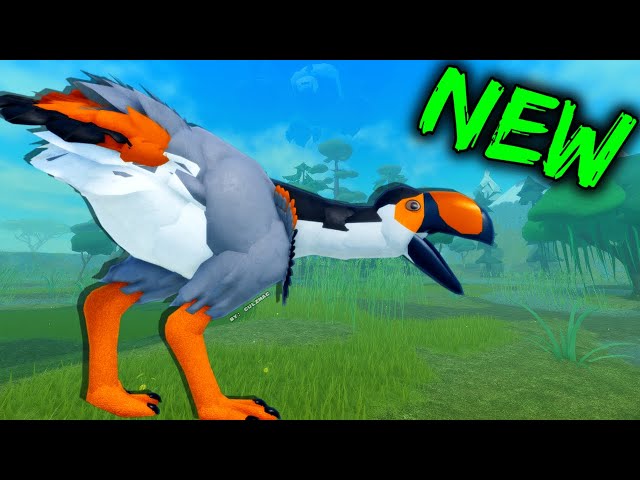
Credit: www.youtube.com
Comparing Running And Flying Speeds
Birds show a wide range of speeds in running and flying. Some birds are faster on the ground than in the air. Others excel in flying but are slow runners. Comparing these speeds helps us understand their unique adaptations. It reveals why some birds rely more on running and others on flying for survival.
Why Some Birds Run Faster Than They Fly
Certain birds have bodies built for running. Their legs are strong and long. Their wings are small or not made for long flights. These birds save energy by running fast instead of flying.
Fast runners often live in open areas. Running helps them escape predators quickly. Flying might be too slow or costly for short distances. Their speed on land keeps them safe and helps find food.
Energy Efficiency In Locomotion
Running and flying use energy differently. Flying requires more energy over time. It needs strong muscles and constant effort. Running uses less energy for short bursts.
Birds choose the best way to move based on energy. Running saves energy when quick movement on land is needed. Flying is better for long distances or escaping danger from afar.
Human Interaction And Impact
The fastest running bird, the ostrich, faces many challenges due to human activities. People have altered their habitats through farming and urban development. This affects their natural environment, and their speed traits too.
Conservation Status Of Fast Runners
Ostriches are not endangered, but they face certain threats. Hunting and poaching have reduced their numbers in some regions. Conservation efforts aim to protect these majestic birds and their habitats.
Effect Of Habitat Loss On Speed Traits
Habitat loss impacts ostriches’ ability to run fast. They need open spaces to reach their top speeds. Urban expansion limits these areas, affecting their natural running abilities.
Credit: feather-family.fandom.com
Credit: feather-family.fandom.com
Frequently Asked Questions
What Is The Fastest Running Bird In The Feather Family?
The ostrich is the fastest running bird in the feather family. It can reach speeds up to 60 mph. This speed helps it escape predators efficiently in its natural habitat.
How Fast Can Ostriches Run On Average?
Ostriches can run at an average speed of 45 to 60 mph. Their long legs and powerful muscles enable quick bursts of speed, making them the fastest runners among birds.
Why Are Ostriches Such Fast Runners?
Ostriches have strong leg muscles and long limbs that provide great stride length. Their two-toed feet help maintain balance and speed, allowing them to run fast and avoid threats.
Can Any Other Bird Run As Fast As An Ostrich?
No other bird runs as fast as the ostrich. While some birds can fly faster, none match the ostrich’s ground running speed. It holds the record for the fastest running bird.
Conclusion
The fastest running bird in the feather family is truly impressive. It moves quickly across open land with ease. Speed helps it escape predators and find food fast. This bird’s legs are strong and built for running. Watching it run shows nature’s amazing design.
Understanding its speed gives us new respect for birds. They are more than just creatures that fly. Their running skills are just as fascinating. This bird reminds us how diverse and unique nature can be.




