
Have you ever caught your dog chewing on a bird feather and wondered, “Is this dangerous?” You’re not alone. Many dog owners worry about what happens when their furry friend swallows something unusual like a feather.
The good news is, understanding what happens next can help you stay calm and take the right steps for your dog’s health. Keep reading to find out what you need to know about feathers and your dog’s safety—this simple knowledge could save you a trip to the vet.
Why Dogs Eat Feathers
Dogs sometimes eat bird feathers for various reasons. Understanding why helps in managing this behavior. Some reasons are simple curiosity or play, while others might signal health or behavioral issues.
Curiosity And Play
Dogs explore the world with their mouths. Feathers catch their attention due to texture and movement. Puppies especially enjoy playing with feathers as toys. This behavior is often harmless and part of learning.
Nutritional Deficiencies
Sometimes dogs eat unusual things to fill nutrient gaps. Feathers contain keratin, a protein that might attract dogs lacking certain nutrients. Poor diet or health problems can lead to this behavior. A balanced diet reduces these cravings.
Behavioral Reasons
Stress, boredom, or anxiety can cause dogs to eat feathers. This acts as a coping mechanism or a way to seek attention. Repetitive feather eating may need behavior training or more exercise to fix.
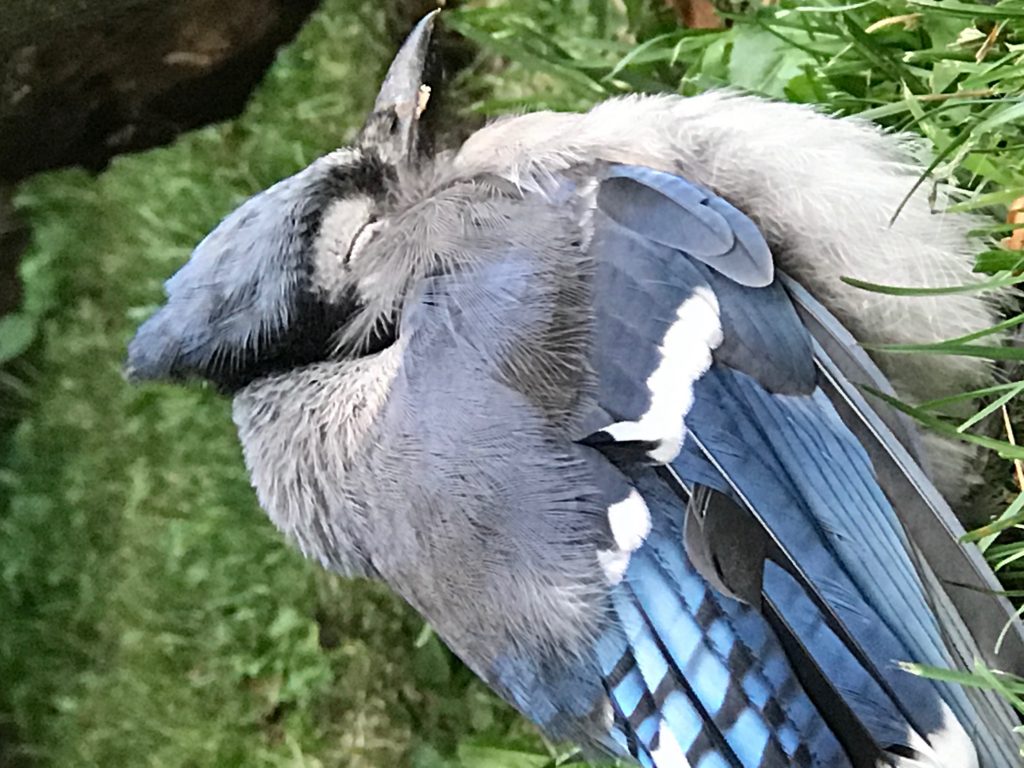
Credit: feederwatch.org
Potential Health Risks
When your dog swallows a bird feather, it might seem harmless at first. However, there are several potential health risks you should be aware of. Understanding these dangers helps you act quickly and keep your pet safe.
Choking Hazard
Feathers can get stuck in your dog’s throat, causing choking. This can lead to coughing, gagging, or difficulty breathing. If your dog shows these signs, you need to intervene immediately or seek emergency help.
Digestive Blockages
Once swallowed, feathers may cause blockages in the stomach or intestines. Your dog might vomit repeatedly, have a swollen belly, or stop eating. These symptoms require a vet visit, as untreated blockages can be life-threatening.
Infections And Parasites
Bird feathers can carry bacteria, viruses, or parasites harmful to your dog. These can lead to infections, causing fever, lethargy, or diarrhea. Watch your dog closely after feather ingestion and consult your vet if any unusual signs appear.
Symptoms To Watch For
Noticing unusual behavior in your dog after it eats a bird feather can be worrying. Understanding the symptoms to watch for can help you act quickly and keep your furry friend safe. Here are some common signs that might indicate your dog is having trouble digesting the feather or is experiencing irritation.
Vomiting And Diarrhea
One of the first signs you might see is vomiting. Feathers can irritate your dog’s stomach or even cause a blockage, leading to nausea.
Diarrhea often follows as the digestive system tries to expel the foreign material. If you notice your dog vomiting repeatedly or having loose stools, it’s a clear signal to contact your vet.
Loss Of Appetite
Your dog might suddenly refuse to eat or drink. This loss of appetite happens because the feather can cause discomfort or mild pain inside the digestive tract.
Have you ever seen your dog turn away from their favorite treat? It’s a subtle but important sign that something might be wrong internally.
Lethargy And Discomfort
Watch for unusual tiredness or a lack of energy. If your dog seems reluctant to play or move around, it might be feeling discomfort caused by the feather.
Some dogs may also whine or paw at their mouth or belly, signaling internal irritation. Don’t ignore these behaviors—they’re your dog’s way of telling you they need help.

Credit: pupford.com
Immediate Actions To Take
Finding out your dog has eaten a bird feather can be alarming. Taking quick and calm action is crucial to ensure your pet’s safety. Here’s what you should do right away to manage the situation effectively and keep your dog comfortable.
Removing Access To Feathers
First, remove any feathers or potential feather sources from your dog’s reach. This prevents your dog from swallowing more feathers, which could worsen the situation.
Check areas where your dog plays or rests. Feathers can stick to toys, bedding, or even your clothes. Keeping these away helps avoid repeated ingestion.
Monitoring Your Dog
Watch your dog closely after it has eaten a feather. Look for signs like coughing, gagging, vomiting, or difficulty breathing.
Keep track of your dog’s behavior and appetite over the next 24 hours. Sudden lethargy or refusal to eat might indicate a problem. Have you noticed any unusual symptoms yet?
When To Contact A Vet
If your dog shows any signs of distress, contact your vet immediately. Difficulty breathing, persistent vomiting, or signs of pain require urgent attention.
Even if your dog seems fine, it’s a good idea to call your vet for advice. They might suggest bringing your dog in for a checkup to rule out internal issues like blockages or irritation.
Treatment Options
When your dog swallows a bird feather, knowing the right treatment options can make a big difference. Some feathers pass through without trouble, but others might cause discomfort or complications. Understanding how to respond effectively can help keep your furry friend safe and comfortable.
Home Remedies
If your dog has eaten a feather and shows no signs of distress, you can start by observing them closely at home. Offer plenty of fresh water to help move the feather through the digestive tract naturally.
Adding a small amount of canned pumpkin to their food can soothe the digestive system and encourage smooth bowel movements. Keep an eye out for vomiting, lethargy, or lack of appetite, which may signal a need for professional help.
Veterinary Interventions
If your dog displays symptoms like persistent vomiting, difficulty swallowing, or abdominal pain, it’s time to visit the vet. They will perform a physical exam and may use X-rays or ultrasound to locate the feather and assess any damage.
Your vet might recommend monitoring your dog in the clinic if the feather is causing a blockage or irritation. Prompt veterinary care can prevent complications like infections or internal injuries.
Medications And Surgery
In some cases, medications such as anti-inflammatory drugs or antibiotics are necessary to reduce swelling or treat infections caused by the feather. Your vet will decide this based on the severity of your dog’s condition.
If the feather has caused an obstruction or injury, surgery might be required to remove it safely. Although surgery sounds scary, many dogs recover quickly with proper post-operative care and support.

Credit: www.reddit.com
Preventing Feather Ingestion
Dogs sometimes eat bird feathers out of curiosity. This can cause digestive issues or blockages. Monitor your dog closely if this happens, and consult a vet if any unusual symptoms appear.
Preventing your dog from ingesting bird feathers is crucial for their health and well-being. Feathers might look harmless, but they can pose risks like digestive blockages or infections. By taking proactive steps, you can ensure that your furry friend stays safe and healthy while exploring the world around them.Training And Supervision
Training your dog to obey commands like “leave it” or “drop it” is essential. These commands can quickly deter your dog from picking up unwanted objects, including feathers. Regularly supervise your dog, especially during walks or outdoor play. This vigilance helps you intervene promptly if they try to munch on something inappropriate.Safe Outdoor Practices
Create a safe play area for your dog where the chances of finding feathers are minimal. Regularly clean your backyard or garden to remove any stray feathers. When walking your dog in parks or wooded areas, keep them on a leash. This control allows you to steer them away from potential hazards.Diet And Enrichment
Ensure your dog has a balanced diet that meets all their nutritional needs. A well-fed dog is less likely to seek out non-food items like feathers. Provide plenty of toys and engaging activities to keep your dog mentally stimulated. This enrichment reduces boredom, which can sometimes lead to unwanted chewing or ingestion of foreign objects. By staying proactive and attentive, you can protect your dog from the risks associated with feather ingestion. What steps will you take today to safeguard your furry friend?Frequently Asked Questions
Can Eating Bird Feathers Harm My Dog?
Eating bird feathers usually isn’t harmful but can cause mild digestive upset. Monitor your dog for vomiting or diarrhea. If symptoms persist, consult a vet promptly to prevent complications.
What Should I Do If My Dog Eats Feathers?
Observe your dog closely for any unusual behavior or discomfort. Provide fresh water and avoid feeding for a few hours. If your dog shows signs of distress, seek veterinary advice immediately.
Can Feathers Cause Intestinal Blockage In Dogs?
Yes, feathers can potentially cause intestinal blockage if swallowed in large amounts. This is rare but serious. Watch for symptoms like vomiting, lethargy, or abdominal pain and contact your vet if noticed.
Are Bird Feathers Toxic To Dogs?
Bird feathers themselves are not toxic to dogs. However, feathers may carry bacteria or parasites that could cause infections. Keep your dog’s environment clean and consult a vet if illness occurs.
Conclusion
Bird feathers usually do not harm dogs. Most pets pass feathers without problems. Watch your dog closely after eating one. Look for coughing, vomiting, or unusual behavior. Contact a vet if symptoms appear. Keep small objects away from curious pets.
Knowing what to do brings peace of mind. Caring for your dog helps keep them safe. Staying alert prevents small accidents from becoming big problems.




