
Choosing the right binoculars can make all the difference when you’re out bird watching. You want clear views, easy handling, and a comfortable fit that won’t tire your hands or eyes.
But with so many options available, how do you pick the perfect pair for your needs? This guide will help you cut through the confusion and find binoculars that bring every feathered friend into sharp focus. Keep reading, and soon you’ll be ready to enjoy bird watching like never before.
Credit: gearjunkie.com
Key Features To Consider
Choosing the right binoculars for bird watching hinges on understanding a few key features. These features directly impact your viewing experience, affecting clarity, comfort, and ease of use. Paying attention to these details helps you enjoy every bird sighting without frustration or strain.
Magnification And Lens Diameter
Magnification tells you how close the bird will appear. A 8x or 10x magnification is common for bird watchers because it balances detail and stability. Higher magnifications can make your view shaky unless you use a tripod.
The lens diameter controls how much light enters the binoculars. Larger lenses (like 42mm) let in more light, offering brighter images, especially in low light. But bigger lenses add weight, so consider how long you’ll be carrying your binoculars.
Field Of View
Field of view (FOV) is how wide an area you can see through the binoculars. A wider FOV helps you spot fast-moving or distant birds more easily. It’s measured in feet at 1,000 yards or in degrees—look for at least 300 feet at 1,000 yards for good bird watching.
Think about your typical birding environment. Are you scanning open fields or dense forests? Different settings might require different FOVs to keep up with your target.
Exit Pupil And Eye Relief
The exit pupil is the diameter of the light beam reaching your eye. It’s found by dividing the lens diameter by magnification. A larger exit pupil means a brighter image and easier eye positioning.
Eye relief is the distance your eye can be from the eyepiece and still see the full image. If you wear glasses, aim for at least 15mm eye relief for comfortable viewing without removing them.
Prism Types
Binoculars use two main prism types: roof prisms and Porro prisms. Roof prisms are compact, lightweight, and often waterproof, but usually cost more. Porro prisms tend to be bulkier but offer better depth perception and are often more affordable.
Your choice depends on how much you value portability versus image quality. Have you tried both types? Your comfort and budget will guide this decision better than specs alone.
Credit: gearjunkie.com
Choosing The Right Magnification
Choosing the right magnification is a key part of selecting binoculars for bird watching. The magnification affects how close and clear a bird appears through your lenses. Picking the wrong level can make your experience frustrating or less enjoyable.
Pros And Cons Of Low Vs High Magnification
Low magnification binoculars, like 6x or 7x, offer a wider field of view. This helps you spot birds quickly and follow their movements. They also tend to be lighter and easier to hold steady, which is great during long birding sessions.
However, low magnification may not show fine details on distant birds. High magnification, such as 10x or 12x, brings distant birds closer and reveals more detail. But these can be heavier and harder to keep steady without a tripod.
High magnification also narrows your field of view, making it easier to lose sight of fast-moving birds. Think about where you’ll mostly be birding—dense woods or open fields—and how steady your hands are before choosing.
Best Magnification For Bird Watching
Most bird watchers find 8x or 10x magnification hits the sweet spot. An 8x magnification offers a great balance between a wide view and sufficient detail. It’s easier to hold steady and works well in varied environments.
If you often watch birds at long distances or in open areas, 10x can be better for spotting small or camouflaged species. But be ready to use a tripod or rest your elbows on a surface for steadiness.
Consider how much weight you want to carry and how comfortable you feel holding binoculars steady. Would you prefer to spot more birds quickly, or see fewer birds in greater detail? Your answer will guide your choice.
Lens Quality And Coatings
Lens quality and coatings play a crucial role in your bird watching experience. They directly affect how clearly and brightly you see your feathered subjects. Choosing binoculars with the right lens features ensures you won’t miss subtle details like the shimmer of a bird’s plumage or the flash of its eye.
Types Of Lens Coatings
Lens coatings come in several types, each enhancing your view in different ways. You’ll often find terms like:
- Coated:One or more lens surfaces have a single anti-reflective coating.
- Fully Coated:All air-to-glass surfaces have at least one coating, reducing glare.
- Multi-Coated:Some surfaces have multiple layers of coatings for better light transmission.
- Fully Multi-Coated:Every air-to-glass surface has multiple layers of coatings, offering the best brightness and clarity.
Choosing fully multi-coated lenses is often worth the extra cost if you want the clearest image possible during dawn or dusk birdwatching.
Impact On Image Brightness And Clarity
High-quality coatings reduce light loss caused by reflection, letting more light reach your eyes. This means brighter images, even in low light conditions like dense forests or cloudy days.
Sharper clarity helps you distinguish fine details such as the subtle color variations in feathers or the shape of a bird’s beak. Without good coatings, images can appear dull or washed out.
Think about the last time you struggled to identify a bird because the image was too dark or blurry. Investing in better lens coatings can eliminate that frustration, making your birdwatching more rewarding every time you look through your binoculars.
Build And Durability
Your choice of binoculars for bird watching isn’t just about zoom power or lens size. The build and durability of the binoculars play a crucial role in how well they perform in the field. You want a pair that can handle rough use, unpredictable weather, and long hours of observation without falling apart or losing clarity.
Waterproof And Fogproof Features
Bird watching often means stepping into damp forests, near lakes, or early morning dew. Waterproof binoculars protect your gear from rain, splashes, and accidental drops in water. Without this protection, moisture can damage the internal lenses or mechanics, ruining your viewing experience.
Fogproof models are filled with nitrogen or argon gas to prevent internal fogging. This matters when you move from cold to warm areas or during humidity changes. Imagine missing a rare bird sighting because your lenses fogged up—wouldn’t that be frustrating?
Material And Ergonomics
Look for binoculars made from robust materials like rubber-armored aluminum or magnesium alloy. These materials offer a balance between lightness and toughness, so you don’t tire your arms during long birding sessions. A sturdy rubber coating also helps with grip, making it less likely you’ll drop them.
Ergonomics matter just as much as durability. The binoculars should feel comfortable in your hands, with controls that are easy to adjust quickly. If you struggle to focus or hold them steady, you might miss that quick glimpse of a rare bird. Have you tested how your binoculars feel after an hour of use?
Weight And Size Considerations
Choosing the right binoculars for bird watching means paying close attention to weight and size. These factors affect how long you can comfortably hold your binoculars and how easy they are to carry on your adventures. Ignoring them might leave you with a tool that’s either too heavy or too bulky, making your birding less enjoyable.
Balancing Portability And Performance
You want binoculars light enough to carry all day, but they also need to offer clear images and good stability. Heavier binoculars often have larger lenses, which gather more light and provide better views, especially in low light. Yet, carrying them for hours can tire your arms and neck.
Ask yourself: how long will you be out birding? If you’re hiking long distances, lighter models make sense. But if you mostly watch from a fixed spot, a bit more weight for sharper images might be worth it.
Compact Vs Full-size Binoculars
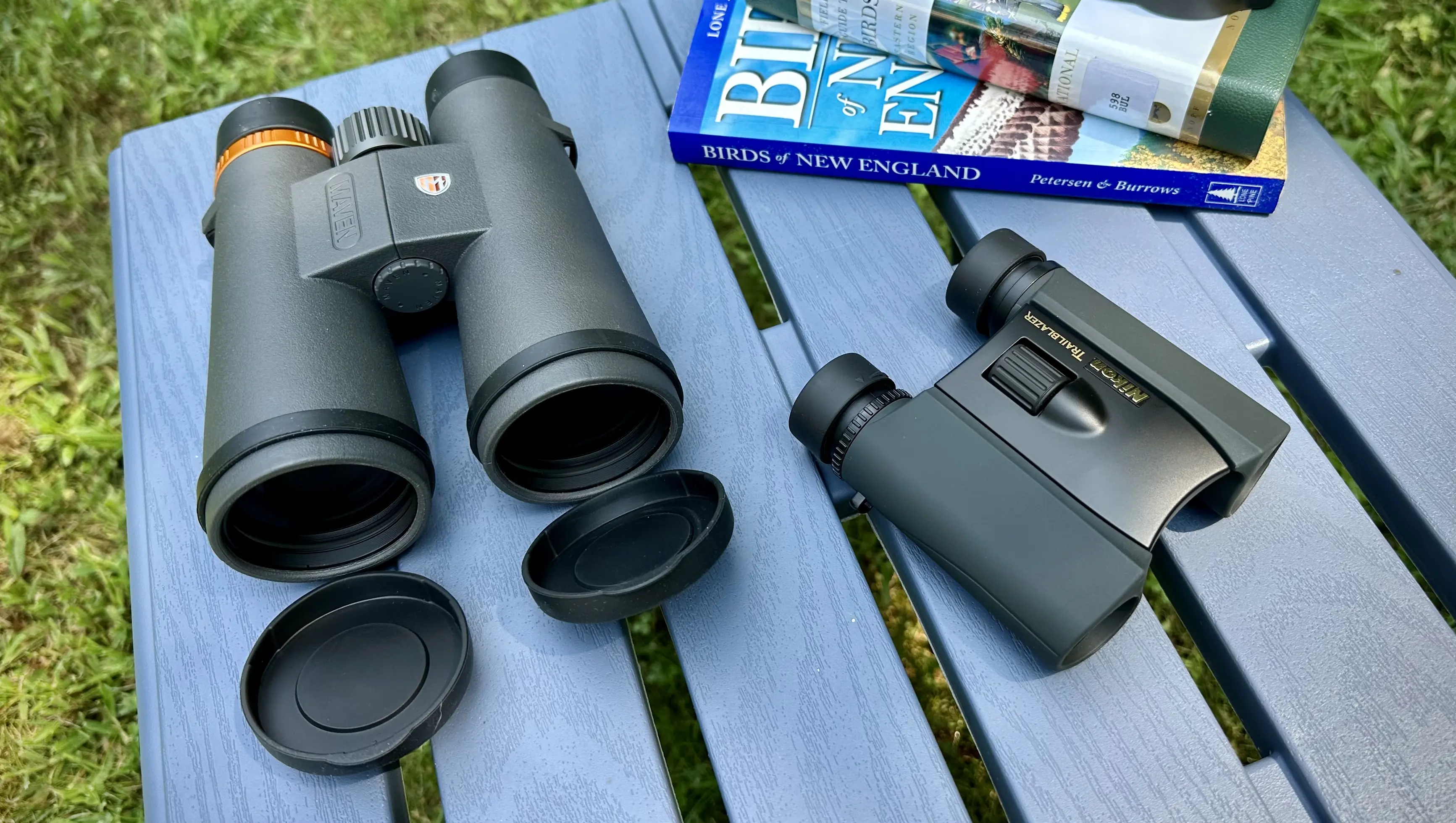
Compact binoculars usually weigh less than a pound and fit easily into a jacket pocket. They’re perfect for quick trips or when you want to travel light. However, their smaller lenses often mean less brightness and detail.
Full-size binoculars have bigger lenses (usually 42mm or more) and deliver brighter, sharper images. They are bulkier and heavier, sometimes over two pounds, which can be tiring during long use. But their performance advantage often matters most during dawn or dusk bird watching.
- Compact binoculars: Lightweight, portable, less bright
- Full-size binoculars: Heavier, less portable, excellent image quality
Think about your bird watching style. Do you prioritize ease of carrying or image clarity? Your answer will guide you toward the best size and weight for your binoculars.
Credit: gearjunkie.com
Budget And Brand Choices
Choosing binoculars within your budget helps narrow down options without sacrificing quality. Trusted brands often offer reliable features and durability for bird watching. Prioritize value and reviews to find binoculars that fit your needs and wallet.
Selecting the right binoculars for bird watching can be a delightful yet daunting task, especially when considering budget and brand choices. Your budget will largely influence the quality and features of the binoculars you can afford, but fear not—there are great options available across various price ranges. Additionally, knowing which brands are trusted in the birding community can help you make an informed decision.Affordable Options With Good Performance
If you’re new to bird watching or have a limited budget, you don’t have to compromise on quality. Many binoculars offer excellent performance without breaking the bank. Consider models that provide clear optics, decent magnification, and a comfortable grip. Brands like Celestron and Bushnell have budget-friendly options known for their reliability. Look for features such as multi-coated lenses, which enhance image clarity and brightness, even in cheaper models. It’s essential to compare different products and read user reviews to ensure you’re getting the best value for your money. You might be surprised at how well some affordable binoculars perform in the field.Trusted Brands For Birders
When it comes to trusted brands, a few names stand out in the birding community. Nikon, Swarovski, and Zeiss are known for their high-quality optics and durable designs. Investing in these brands often means you’re getting superior performance and longevity. Have you ever wondered why seasoned birders swear by these brands? It’s because they offer exceptional image clarity, robust construction, and often come with excellent warranties. Consider your long-term birding goals when choosing a brand. A higher upfront cost might save you money in the long run, especially if the binoculars are built to last and deliver top-notch performance. Ultimately, the right choice depends on balancing your budget with the features and brand reputation that matter most to you.Additional Features To Look For
When selecting binoculars for bird watching, consider additional features that enhance your experience. These features can improve comfort, stability, and ease of use. Let’s explore some key features to look for.
Image Stabilization
Image stabilization helps reduce shakiness. It is crucial for clear, steady viewing. Some binoculars come with built-in stabilization systems. These systems are especially useful for prolonged observations. They offer a more comfortable and enjoyable experience.
Tripod Compatibility
Bird watching often involves long periods of stillness. A tripod can support your binoculars during extended use. Look for binoculars with a tripod mount. This feature allows easy attachment to a tripod. It provides a stable platform, reducing arm fatigue.
Focus Mechanisms
Focus mechanisms are vital for quick and precise adjustments. There are two main types: central focusing and individual eyepiece focusing. Central focusing uses a single wheel. It allows fast changes for both eyes. Individual eyepiece focusing offers more precision. Choose the type that suits your bird watching style.
Tips For Testing Binoculars
Testing binoculars before buying is key for bird watching success. It helps find the right fit and quality. Trying binoculars in real conditions shows how well they perform.
Check comfort, focus, and clarity during testing. Notice how easy it is to hold and adjust. Testing saves money and avoids disappointment later.
Trying Before Buying
Hold binoculars up to your eyes. Look at birds or distant objects nearby. Walk around to test stability and weight. Try different models to compare views.
Adjust the focus wheel and diopter ring to see how smoothly they work. Wear your glasses if needed to check eye relief. Use both eyes to check image sharpness.
What To Check During Testing
- Image Clarity:Ensure the view is sharp and clear.
- Field of View:See how wide the visible area is.
- Brightness:Check if images are bright in low light.
- Comfort:Confirm the binoculars feel good in your hands.
- Focus Speed:Test how fast you can focus on birds.
- Durability:Look for solid build and waterproof features.
Frequently Asked Questions
What Magnification Is Best For Bird Watching Binoculars?
A magnification of 8x to 10x is ideal for bird watching. It balances image clarity and stability. Higher magnification can cause shaky views and reduce field of view, making it harder to track birds.
How Important Is The Field Of View In Binoculars?
A wider field of view helps locate and follow birds easily. Look for binoculars with at least 330 feet at 1000 yards. This feature enhances bird watching by showing more area without moving the binoculars.
Should I Choose Roof Prism Or Porro Prism Binoculars?
Roof prism binoculars are compact and durable, ideal for outdoor use. Porro prism models offer better depth perception and wider views but are bulkier. Choose based on your comfort and preferred size for bird watching.
What Role Does Lens Coating Play In Binoculars?
Lens coatings reduce glare and improve light transmission. Fully multi-coated lenses provide brighter, clearer images. This is crucial for bird watching in low light or dense foliage conditions.
Conclusion
Choosing the right binoculars makes bird watching more fun and clear. Focus on size, magnification, and comfort. Good binoculars help you see birds up close without strain. Take time to try different types before buying. Remember, simple and easy-to-use binoculars often work best.
Happy bird watching!




