
Have you ever struggled to park your car in a tight spot or wondered if there’s something hidden just out of your view? The bird’s eye camera on your car can be a game-changer.
It gives you a clear, top-down view of your vehicle and its surroundings, making parking and maneuvering easier and safer. But how exactly does this smart camera system work to give you that perfect perspective? Keep reading to discover the technology behind the bird’s eye camera and how it helps you drive with confidence every time.
Credit: www.cars24.com
Bird’s Eye Camera Basics
The bird’s eye camera system offers drivers a clear view around their vehicle. It helps avoid blind spots and parking accidents. This technology combines images from several cameras to create a top-down view. Understanding its basics helps appreciate how it improves driving safety and convenience.
What Is A Bird’s Eye Camera
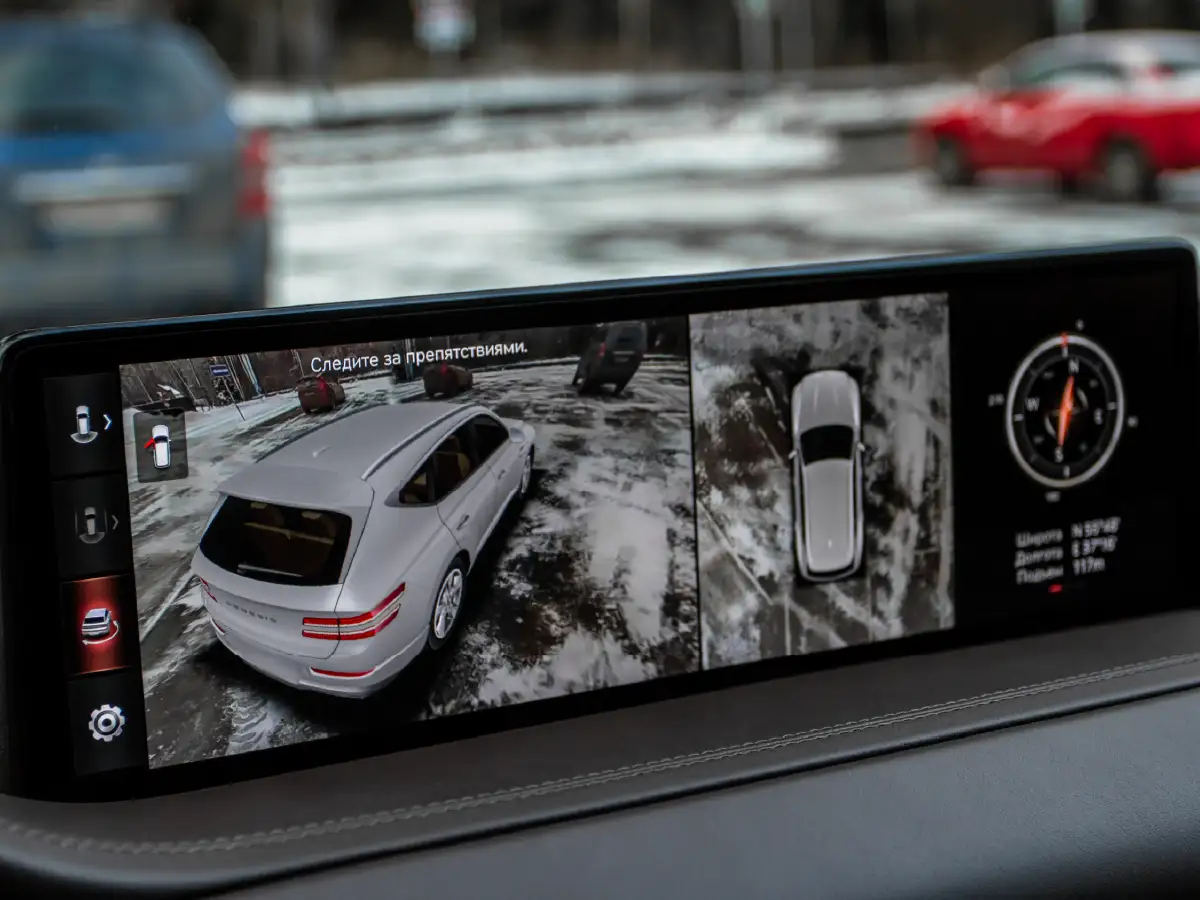
A bird’s eye camera system shows a 360-degree view from above the car. It uses multiple cameras placed around the vehicle. The images combine to form one seamless picture. This virtual view helps drivers see obstacles all around. It is especially useful in tight parking spaces and busy streets.
Key Components
- Cameras:Usually four or more cameras are placed at the front, rear, and sides.
- Image Processor:It stitches images from cameras into a single overhead view.
- Display Screen:Shows the combined image inside the car for the driver.
- Sensors:Sometimes included to detect nearby objects and alert drivers.
Types Of Cameras Used
- Wide-Angle Cameras:Capture a broad field of view to cover blind spots.
- Fish-Eye Cameras:Provide a distorted, ultra-wide view that software corrects.
- Standard Cameras:Used for rear and side views with normal perspective.
How The System Captures Images
The bird’s eye camera system captures images from multiple angles around the car. These images help create a clear view of the vehicle’s surroundings. The system uses several cameras placed at key points on the car. Each camera records a wide-angle image to cover blind spots.
After capturing, the system processes these images. It combines them to form a single, seamless picture. This process is complex but happens quickly. The result is a real-time, 360-degree view that assists drivers in tight spaces.
Camera Placement On Vehicles
Cameras are placed in specific spots for full coverage. Common locations include:
- Front grille or bumper
- Rear tailgate or bumper
- Under each side mirror
These positions capture views from all sides. They avoid blind spots and overlap slightly for better image merging.
Image Stitching Process
The system stitches images from different cameras together. It uses software to align edges and remove overlaps.
Key tasks include:
- Correcting lens distortion
- Matching colors and brightness
- Blending overlapping areas smoothly
The goal is to create one clear, distortion-free image.
Creating The 360-degree View
After stitching, the system wraps the image around a virtual model of the car. This creates a bird’s eye, or top-down, perspective.
Drivers see this view on the dashboard screen. It shows the car’s position relative to nearby objects. This view helps with parking and tight maneuvers.
Technology Behind The Scenes
The bird’s eye camera system uses advanced technology to give drivers a clear view around their car. It combines hardware and software to create a 360-degree image. This helps avoid blind spots and makes parking easier.
Sensors And Software Integration
Several cameras are placed around the car—front, back, and sides. These cameras act as sensors, capturing live video feeds. The system’s software stitches these feeds into a single, seamless view. This integration provides a continuous image of the car’s surroundings.
Real-time Image Processing
The system processes images instantly. It corrects distortions from wide-angle lenses. The software aligns and blends images to avoid gaps or overlaps. This real-time processing ensures the driver sees an accurate, clear picture at all times.
Handling Different Lighting Conditions
The camera system adapts to various lighting situations. It adjusts brightness and contrast automatically. This helps maintain visibility during bright daylight or low-light conditions. Night vision features often enhance the view in dark environments.

Credit: www.rearviewsafety.com
Benefits For Drivers
The bird’s eye camera system offers several clear benefits that enhance your driving experience. It gives you a unique perspective of your vehicle’s surroundings, making tricky maneuvers easier and safer. Let’s dive into how it helps you in everyday driving situations.
Enhanced Parking Assistance
Parking can be stressful, especially in tight spots. The bird’s eye camera creates a 360-degree view around your car, showing obstacles you might miss otherwise.
This makes parallel parking and backing into spaces much simpler. You can see exactly how close you are to curbs, other cars, or pedestrians, reducing the risk of dents and scratches.
Have you ever struggled to fit into a narrow parking spot? This system practically guides you, saving time and frustration.
Improved Safety And Awareness
Safety is a top priority, and the bird’s eye camera significantly boosts your awareness. It shows blind zones around your vehicle, alerting you to pedestrians, cyclists, or objects that might not be visible in mirrors.
By constantly monitoring your surroundings, it helps prevent accidents during lane changes or while navigating crowded areas.
Imagine avoiding a collision just because you spotted a child playing near your car—this system acts like an extra pair of eyes on the road.
Reducing Blind Spots
Blind spots cause many accidents, but the bird’s eye camera tackles this issue head-on. It stitches together images from multiple cameras to give a clear, real-time view of areas that are usually hidden.
This means no more guessing what’s lurking beside or behind your car. You gain confidence when merging into traffic or changing lanes.
Wouldn’t you feel safer knowing you can check every angle instantly, without turning your head awkwardly?
Limitations And Challenges
Bird’s eye cameras offer a unique view around cars, but they have limits. These systems face challenges that affect how well they work. Understanding these helps drivers use them better and avoid mistakes.
Image Distortion Issues
Bird’s eye cameras use wide-angle lenses to capture a large area. This often causes distortion around the edges of the image. Objects may look stretched or bent, which can confuse the driver.
Distortion makes it hard to judge distances accurately. Small objects may appear larger or closer than they really are. This can lead to wrong decisions while parking or maneuvering.
Weather Impact On Performance
Rain, fog, and snow reduce camera visibility. Water droplets or dirt on lenses blur the image. Cold weather can cause condensation inside the camera housing.
Poor lighting also affects camera quality. Nighttime or strong sunlight may create glare or shadows. These conditions lower the system’s reliability and safety.
Cost And Maintenance Factors
Bird’s eye camera systems add extra cost to vehicles. Installation involves multiple cameras and a central processing unit. Repairs or replacements can be expensive.
Keeping cameras clean is crucial for clear images. Regular maintenance is needed to avoid dirt and damage. Neglecting this reduces camera effectiveness over time.
Future Developments
The bird’s eye camera system is rapidly evolving. Future developments promise exciting enhancements. These changes will make driving safer and more intuitive.
Advancements In Camera Technology
Camera technology is advancing fast. Soon, these cameras will have better resolution. They will capture clearer images in low light conditions. Improved image sensors will enhance depth perception. This will give drivers a more accurate view of their surroundings.
Integration With Autonomous Driving
Bird’s eye cameras will play a key role in autonomous vehicles. They will offer real-time data for navigation. Cameras will help detect obstacles and map routes. This integration will enhance safety and efficiency in self-driving cars.
Potential For Augmented Reality
Augmented reality (AR) could change how we use bird’s eye cameras. AR can overlay digital information on camera views. It could highlight road signs or nearby vehicles. This feature will help drivers make informed decisions quickly.

Credit: www.teslaownersonline.com
Frequently Asked Questions
What Is A Bird’s Eye Camera On Cars?
A bird’s eye camera provides a 360-degree view around your car. It uses multiple cameras to create a top-down image. This helps drivers park and navigate tight spaces safely.
How Does The Bird’s Eye Camera System Work?
The system stitches images from several cameras around the car. It processes these images into a single, seamless overhead view. This gives drivers a clear perspective of their surroundings.
What Are The Benefits Of Using A Bird’s Eye Camera?
It improves parking accuracy and reduces blind spots. The camera helps avoid collisions with obstacles or pedestrians. It enhances driver confidence in tight driving conditions.
Can Bird’s Eye Cameras Work In Low Light?
Yes, many bird’s eye cameras have night vision or infrared features. These enhance visibility in dark or poorly lit environments. This ensures safety during nighttime driving or parking.
Conclusion
The bird’s eye camera helps drivers see all around their car. It uses multiple cameras to create a clear top-down view. This view makes parking and tight turns easier and safer. Drivers can spot obstacles that are hard to see.
The system works in real time, giving instant feedback. It makes driving more confident and reduces accidents. Understanding how it works can help you use it better. This technology adds safety without confusing the driver. A simple tool with a big impact on daily driving.




