
Have you ever wondered how birds manage to find their way inside your home? It might surprise you just how easily these feathered visitors can slip through tiny openings you barely notice.
Understanding how birds get into your house is the first step to keeping your living space safe and comfortable. You’ll discover the common ways birds enter, why they choose your home, and simple steps you can take to prevent unexpected guests.
Keep reading—you’ll be amazed at how small details can make a big difference.

Credit: www.npr.org
Common Entry Points
Birds find their way into homes through several common entry points. These openings provide easy access to shelter and food. Knowing where birds often enter helps prevent unwanted visits.
Open Doors And Windows
Open doors and windows are the easiest ways for birds to come inside. Birds fly in through gaps left by people moving in and out. Screens that are damaged or missing also allow birds to enter freely.
Keeping doors and windows closed or using intact screens helps keep birds out. Small gaps around frames can be entry spots too.
Chimneys And Vents
Chimneys and vents offer hidden paths into a house. Birds can fly down chimneys seeking warmth or nesting spots. Vent openings without covers or damaged screens are inviting entrances.
Many birds prefer these dark, enclosed spaces for nesting. Proper chimney caps and vent guards prevent bird entry effectively.
Attic And Roof Gaps
Gaps in the roof or attic are common bird entry points. Birds squeeze through holes in shingles, soffits, or eaves to reach the attic. These spots provide safe nesting areas away from predators.
Regular roof inspections and sealing gaps reduce the risk of birds settling inside. Even small cracks can be inviting for small bird species.

Credit: blog.aba.org
Unusual Access Spots
Birds find surprising ways to enter homes through small or hidden openings. These unusual access spots often go unnoticed by homeowners. Birds can squeeze through or perch near these gaps and find their way inside. Understanding these spots helps prevent unwanted bird visits and potential damage.
Broken Screens
Damaged window or door screens create easy entry points for birds. Even small tears or holes allow birds to slip inside. Screens with holes are common near patios and balconies. Regularly check and repair any broken screens to keep birds out.
Pet Doors
Pet doors provide convenient access for pets but can also let birds in. Small birds can fit through or get stuck inside these doors. Some pet doors do not seal tightly, creating gaps. Consider securing pet doors with covers or sensors to block birds.
Damaged Siding
Cracks or holes in siding offer hidden entrances for birds. Birds look for sheltered spots to build nests. Damaged siding near eaves or vents is especially vulnerable. Inspect siding regularly and fix any damage to close off bird access.
Why Birds Enter Homes
Birds entering homes can be surprising and sometimes unsettling. Understanding why they do this helps you prevent unwanted visits. Birds don’t just fly inside by accident; they have clear reasons for seeking entry into your living space.
Seeking Shelter
Birds look for safe places to escape harsh weather or predators. Your home can provide warmth and protection from rain, wind, or cold. If you’ve ever seen a bird dart into an open door during a storm, you know they’re searching for refuge.
Think about your house as a potential safe haven from the outdoor dangers birds face. They may spot open windows, vents, or chimneys as inviting shelters.
Nesting Instincts
Birds often enter homes to find quiet, hidden spots for nesting. Spaces like attics, rafters, or unused rooms can mimic natural nesting sites. If you find feathers or twigs inside, it’s a sign they might be building a nest.
Birds follow strong instincts to reproduce and raise their young in secure environments. Your home’s nooks can seem perfect for this purpose, especially during breeding season.
Attracted By Food
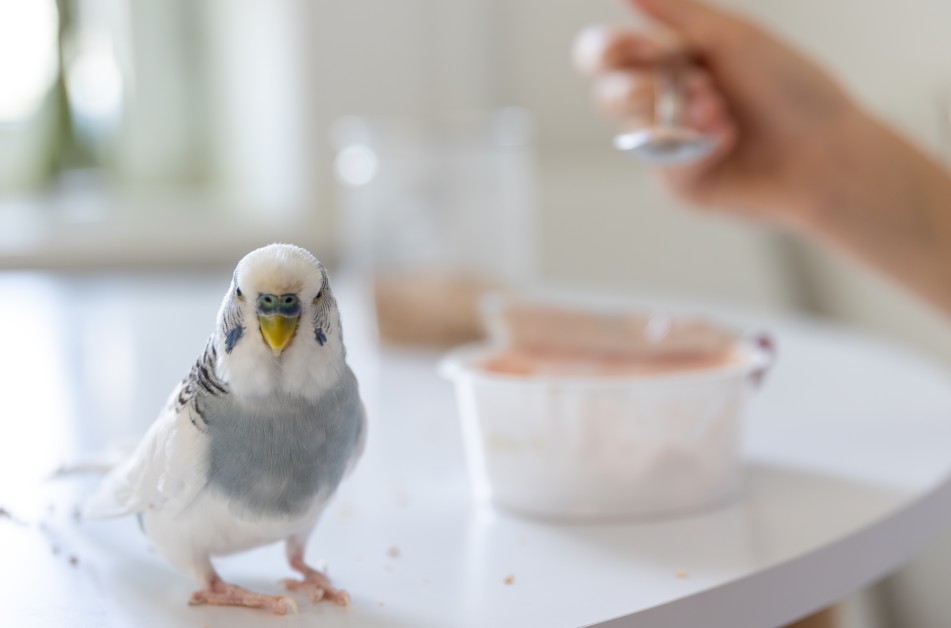
Birds have excellent eyesight and can spot food indoors or near your windows. Crumbs on countertops, pet food left out, or even fruit bowls can lure them inside. Once they find a food source, they’re likely to return.
Have you ever noticed a bird pecking near your kitchen door or lingering around open trash bins? These are clues that your home might be an easy food stop for them.
Signs Of Bird Intrusion
Noticing signs of bird intrusion early can save you from bigger problems later. Birds don’t just appear out of nowhere; they leave clues behind. Paying attention to these signs helps you act quickly and protect your home.
Sounds And Movements
One of the first signs you might notice is unusual sounds. Chirping, fluttering, or scratching noises coming from your attic or walls can indicate birds are inside. Have you ever heard faint tapping or rustling sounds at odd hours? These often mean birds are moving around in hidden spaces.
Watch for sudden movements near windows or vents too. Birds may fly in and out frequently, especially during dawn or dusk. Spotting these movements can help pinpoint their entry points.
Feathers And Droppings
Finding feathers around your home is a clear red flag. Feathers near doorways, vents, or in corners suggest birds have been nesting or resting nearby. Don’t ignore droppings either; they often accumulate under perches or near entrances.
Bird droppings are not just messy—they can damage surfaces and carry diseases. If you notice these signs, it’s a strong indicator that birds are living or visiting your home regularly.
Nests And Debris
Nests are the most obvious sign of bird intrusion. Look for twigs, leaves, and other nesting materials in eaves, gutters, or chimneys. These spots offer birds shelter and easy access to your house.
Sometimes you might find small piles of debris or nesting fragments scattered around. These leftovers often mean birds are building or maintaining a nest nearby. Have you checked your roof or attic lately for these hidden signs?
Preventing Bird Entry
Birds often find their way inside through small openings. Preventing bird entry helps keep your home clean and safe. Simple actions can stop birds from entering and nesting indoors.
Sealing Gaps And Cracks
Birds squeeze through tiny gaps around doors, windows, and vents. Check your home’s exterior for cracks or holes. Use weatherstripping, caulk, or foam to seal these openings tightly. Pay attention to areas under eaves and rooflines. Sealing gaps blocks bird access and prevents drafts.
Installing Screens And Barriers
Install fine mesh screens over vents and chimneys to stop birds. Use bird netting or wire mesh in open spaces like porches. Ensure screens fit snugly without gaps. Barriers create a physical block that birds cannot pass. This keeps birds outside without harming them.
Regular Maintenance Tips
- Inspect your home monthly for new openings or damage.
- Clean gutters and remove debris where birds might nest.
- Trim tree branches near windows and roofs to reduce access.
- Repair broken screens or damaged barriers promptly.
Routine care keeps your home secure from birds over time. Consistency is key to preventing unwanted bird visits.
Credit: www.petassure.com
Frequently Asked Questions
How Do Birds Enter Houses Through Small Openings?
Birds can squeeze through tiny gaps around windows, vents, or chimneys. Even small cracks or unsealed doors provide entry points. They seek shelter, warmth, or nesting spots inside homes, exploiting any accessible opening.
Why Do Birds Build Nests Inside Homes?
Birds choose homes for safety from predators and harsh weather. Attics, eaves, and vents offer secluded, warm places. Nesting indoors also protects their eggs and chicks, increasing survival chances.
Can Open Doors And Windows Invite Birds Indoors?
Yes, open doors and windows are common entryways for birds. Birds often fly in while chasing insects or exploring. Keeping these closed or screened helps prevent accidental bird entry.
What Attracts Birds To Your House Exterior?
Birds are drawn to bird feeders, water sources, and plants near homes. Bright lights and reflective surfaces can also confuse them, causing accidental entry attempts. Proper outdoor management reduces attraction.
Conclusion
Birds can enter homes through small openings or open doors. They seek shelter, food, or nesting spots inside. Sealing gaps and closing windows helps keep birds out. Regular checks around your home prevent unwanted visits. Understanding how birds get in helps protect your space.
Stay alert and take simple steps to avoid surprises. Keep your home safe and bird-free with easy care.




