
Have you ever wondered if the bird seed you bought last season is still good to use? You might be asking yourself, “Does bird seed go bad?” This question is more important than you think.
Using old or spoiled bird seed can harm the birds you want to feed and waste your money. You’ll discover how to tell if your bird seed is still fresh, how to store it properly, and what signs to watch for that mean it’s time to toss it out.
Keep reading to make sure your feathered friends get the best nourishment every time.
How Bird Seed Spoils
Bird seed can spoil over time, especially if not stored properly. Moisture, heat, and air exposure cause seeds to lose freshness. Spoiled seed loses nutritional value and may harm birds. Understanding how bird seed spoils helps keep feeders safe and birds healthy.
Signs Of Spoiled Seed
- Musty or sour smell
- Discolored or moldy seeds
- Clumping or damp texture
- Presence of bugs or larvae
- Seed shells cracked or broken
Common Contaminants
Bird seed can attract unwanted contaminants. Mold grows quickly in damp conditions. Insects like weevils or beetles infest stored seed. Rodents may leave droppings or urine. Dust and dirt also mix with seed.
Effects On Birds
- Illness from eating moldy or contaminated seed
- Digestive problems or upset stomach
- Reduced energy due to poor nutrition
- Potential spread of diseases among birds
- Decreased feeding activity and bird visits
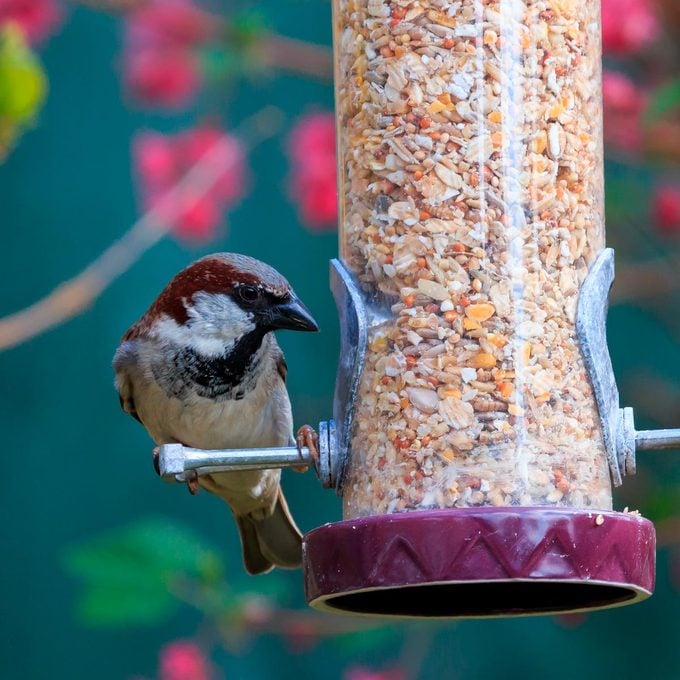
Credit: www.familyhandyman.com
Factors Affecting Freshness
Understanding what affects the freshness of bird seed can save you money and keep your feathered friends healthy. Several factors play a role in how long bird seed stays fresh and nutritious. Let’s look closely at moisture, temperature, and storage containers to help you store seed effectively.
Moisture And Humidity
Moisture is the biggest enemy of bird seed freshness. When seed gets damp, it can mold quickly, making it unsafe for birds. Have you ever noticed a musty smell or clumps in your seed? That’s a clear sign of excess moisture.
High humidity environments speed up mold growth and spoilage. If you live in a humid area, consider using a dehumidifier or storing seed in a dry, well-ventilated place. Keeping seed dry keeps it fresh longer and prevents waste.
Temperature Impact
Temperature also affects bird seed quality. Warm temperatures encourage insect infestations and quicker seed deterioration. On the other hand, very cold temperatures can cause condensation inside storage containers, introducing moisture.
Try to store seed in a cool, stable environment away from direct sunlight. Avoid places where temperatures fluctuate a lot, like garages or sheds near heat sources. Keeping a steady temperature helps retain seed freshness and nutritional value.
Storage Containers
The type of container you use makes a big difference. Air-tight containers protect seed from moisture, pests, and temperature changes. Plastic bins with tight lids or metal containers work well.
Many bird lovers I know switched from paper or thin plastic bags to sealed containers and saw less spoilage immediately. You can even use containers with desiccant packs to control humidity. The right container keeps your seed dry and safe for longer periods.
Choosing Quality Bird Seed
Choosing quality bird seed is key for happy, healthy birds. Fresh, nutritious seed attracts more birds and keeps them coming back. Poor quality seed can spoil quickly, waste money, and harm birds. Focus on seed type, freshness, and buying tips to pick the best options for your feathered friends.
Types Of Seeds
Different birds prefer different seeds. Common types include:
- Black oil sunflower: High energy, popular with many birds.
- Millet: Small seeds loved by ground-feeding birds.
- Safflower: Bitter taste, good for keeping squirrels away.
- Nyjer (thistle): Tiny seeds favored by finches.
- Cracked corn: Attracts larger birds like doves and jays.
Choose seeds based on the birds you want to attract and their feeding habits.
Freshness Indicators
Fresh seed looks bright and clean. Avoid seed that is:
- Dull or faded in color
- Clumped or moist
- Smelly or musty
- Full of debris or broken pieces
Check packaging dates and smell the seed if possible. Fresh seed has a mild, natural scent.
Buying Tips
- Buy from trusted stores with high turnover.
- Purchase seed in small amounts to keep it fresh.
- Inspect bags for holes or damage before buying.
- Store seed in a cool, dry place away from sunlight.
- Consider buying seed blends suited for local bird species.
Careful buying helps prevent spoilage and keeps birds healthy.

Credit: www.reddit.com
Proper Storage Techniques
Proper storage techniques play a crucial role in keeping bird seed fresh and nutritious for your feathered visitors. If seed is not stored correctly, it can lose its quality, attract pests, or even become unsafe for birds to eat. Let’s look at how you can store bird seed effectively to maintain its freshness and appeal.
Ideal Storage Conditions
Bird seed lasts longest when kept in a cool, dry place away from direct sunlight. Heat and moisture speed up spoilage and can cause mold growth, which is harmful to birds.
A basement or a pantry corner with stable temperature works well. Have you checked if your seed container feels warm or damp? That’s a sign it needs a better spot.
Sealing And Packaging
Always keep bird seed sealed tightly to prevent air and moisture from getting in. Using airtight containers like plastic bins with snap-on lids or glass jars with rubber seals helps maintain freshness.
If you buy seed in bulk, consider dividing it into smaller portions in sealed bags. This way, you only open what you need, reducing exposure for the rest.
Avoiding Pest Infestation
Pests such as rodents and insects love bird seed just as much as birds do. To keep them away, store seed in containers that pests cannot chew through, like metal or thick plastic.
Also, regularly clean the storage area to remove spilled seed that attracts unwanted visitors. Have you ever noticed ants or mice near your seed? That’s a warning to upgrade your storage game.
Extending Shelf Life
Bird seed can lose its freshness over time, affecting quality and nutritional value. Proper storage in a cool, dry place extends its shelf life. Sealed containers protect against moisture and pests, keeping bird seed usable longer.
Extending the shelf life of bird seed ensures it stays fresh and nutritious. Stale bird seed can lose its appeal and nutritional value. Let’s explore some effective methods to keep your bird seed fresh and long-lasting.Freezing Bird Seed
Freezing is an excellent way to preserve bird seed. It halts the growth of mold and pests. Store bird seed in airtight containers before freezing. This prevents moisture and contamination. Ensure seeds are dry before sealing. Frozen bird seed retains its quality for months.Regular Inspection
Check your bird seed regularly for signs of spoilage. Look for mold, clumping, or unusual smells. Fresh bird seed should have a mild, nutty aroma. Discard any seed showing signs of spoilage. Regular checks ensure birds get only the best feed.Rotation Practices
Rotate your bird seed stock frequently. Use older seed before newer batches. This method prevents old seed from going bad. Label containers with purchase dates for easy tracking. Organized rotation keeps your bird seed supply fresh and ready for use.When To Replace Bird Seed
Knowing when to replace bird seed can save you from attracting pests and keep your feathered friends healthy. Seed doesn’t last forever, and keeping old seed around can lead to problems you might not expect. Let’s look at how to recognize the right time to toss out the old and bring in the new.
Shelf Life Expectations
Bird seed shelf life depends on the type of seed and how you store it. Typically, unopened seed bags last about 6 to 12 months in a cool, dry place. Once opened, seed should ideally be used within 3 months to keep it fresh.
Some seeds, like sunflower seeds, stay good longer because of their oil content, but others, like millet, spoil faster. If you notice the seed looks dusty, clumpy, or smells musty, it’s a sign it’s past its prime. How often do you check your seed stash?
Health Risks
Using old or spoiled bird seed can cause serious health issues for birds. Moldy or damp seed may carry fungi that produce toxins, leading to respiratory problems or even death in birds. Seed infested with insects can also spread diseases.
Birds are sensitive creatures; feeding them bad seed can stress their immune systems. You want to avoid seeing your backyard visitors fall ill just because the food you offered was off. What’s your routine for inspecting seed quality before refilling feeders?
Disposal Methods
When it’s time to discard old bird seed, don’t just toss it in the trash without thought. If the seed is moldy or infested, seal it in a plastic bag to prevent spores or bugs from spreading. Composting is only safe if the seed is free from mold and pesticides.
Another option is to dispose of it in your green waste bin if local regulations allow. Avoid feeding spoiled seed to pets or wildlife; it can harm them. How do you usually handle old seed—do you have a disposal method that works best?
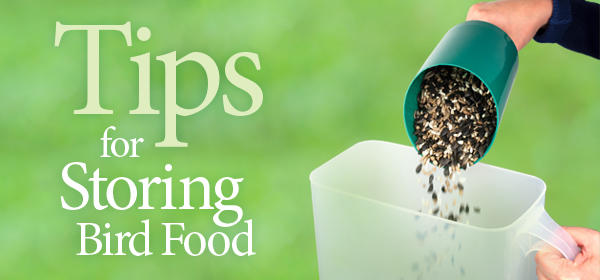
Credit: tallahassee.wbu.com
Frequently Asked Questions
Does Bird Seed Expire Over Time?
Yes, bird seed can expire. Over time, oils in the seed go rancid, reducing nutrition and taste. Old seed also attracts mold and pests, making it unsafe for birds. Proper storage can extend its shelf life.
How To Tell If Bird Seed Is Bad?
Check for mold, foul smell, or clumping in bird seed. Fresh seed looks dry and smells neutral or nutty. If the seed looks discolored or has an off odor, it is likely spoiled.
Can Expired Bird Seed Harm Birds?
Expired bird seed can harm birds by causing digestive issues or disease. Moldy or rancid seed may contain toxins harmful to birds. Always use fresh seed to keep birds healthy and safe.
How To Store Bird Seed To Keep It Fresh?
Store bird seed in a cool, dry place in an airtight container. Avoid heat and moisture, which cause spoilage. Proper storage helps maintain freshness and prevents mold or pests.
Conclusion
Bird seed can lose freshness over time and may go bad. Check for mold, smell, and bugs before use. Store seed in a cool, dry place to keep it fresh longer. Using old or spoiled seed can harm birds. Fresh seed helps birds stay healthy and happy.
Keep an eye on your bird seed for best results. Clean feeders often to prevent disease. Healthy birds start with good food. Simple steps make a big difference.




