
Have you ever wondered why birds sometimes roll around in the sand? It might look strange at first, but there’s a fascinating reason behind it.
If you’ve seen birds taking sand baths, you’re probably curious about what’s really going on. Understanding this behavior can change the way you watch and appreciate birds. Keep reading, and you’ll discover why sand baths are more than just a quirky habit—they’re essential for your feathered friends’ health and happiness.
Why Birds Take Sand Baths
Birds often take sand baths to keep themselves clean and healthy. This behavior might look odd but serves important purposes. Sand baths help birds maintain their feathers and control pests. Watching birds enjoy a sand bath reveals how nature meets their needs simply and effectively.
Benefits Of Sand Bathing
Sand bathing helps birds remove dirt and excess oil. It keeps their feathers in good shape for flying and warmth. Sand also absorbs moisture, which helps birds dry quickly after water baths. Birds gain comfort and cleanliness through this natural habit.
How Sand Baths Help Feathers
Sand particles loosen old feathers and dirt stuck in feathers. This action helps birds shed damaged feathers. It also prevents feathers from clumping, keeping them flexible. Well-kept feathers improve insulation and flying ability for birds.
Sand Baths And Parasite Control
Sand baths reduce parasites like mites and lice on birds. The sand works like tiny scrubbing tools to dislodge pests. Without parasites, birds stay healthier and avoid skin irritation. This natural pest control is vital for bird survival.

Credit: www.reddit.com
Which Birds Enjoy Sand Baths
Many birds enjoy cleaning themselves by rolling in sand or dust. This behavior helps remove parasites and keeps their feathers in good shape. Not all birds choose sand baths, but several species find it very beneficial. Understanding which birds prefer sand baths reveals a lot about their habits and needs.
Common Species That Bathe In Sand
- House Sparrows often take sand baths to stay clean.
- Quails frequently use sand to remove mites and dirt.
- Finches enjoy sand baths, especially in dry areas.
- Woodpeckers sometimes use sand to clean their feathers.
- Wrens also take sand baths to keep their plumage healthy.
Birds That Prefer Dust Baths
Some birds choose fine dust over sand for their baths. Dust helps absorb oils and removes small insects.
- Chickens are well-known dust bathers, scratching up dry earth.
- Robins use dust to get rid of parasites.
- Thrushes prefer dust as it keeps their feathers flexible.
Habitat Influence On Bathing Habits
Birds’ bathing choices depend on where they live. Dry, sandy environments encourage sand bathing. Forests with loose soil promote dust baths.
Water availability also matters. Birds in wet areas bathe in water more often. Desert birds rely on sand or dust due to scarce water.
How Birds Take Sand Baths
Watching birds take sand baths is a fascinating sight, revealing their unique way of keeping clean and healthy. Unlike water baths, sand baths help birds remove excess oil and parasites from their feathers. Understanding how birds take sand baths can give you insight into their natural behavior and needs.
Techniques Birds Use
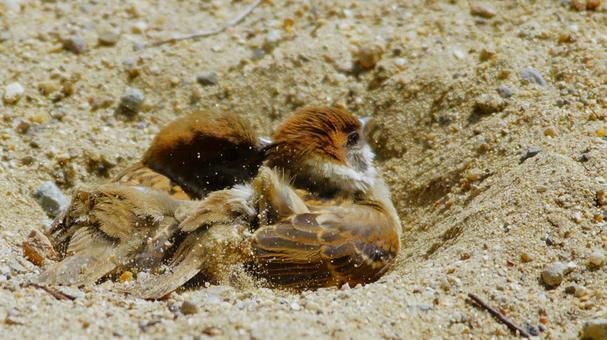
Birds use several clever techniques to sand bathe effectively. They often choose a dry, loose patch of sand or dirt. Then, they squat down and flap their wings vigorously, kicking up dust all around them.
Some birds roll side to side, allowing sand to reach deep into their feathers. Others may dig shallow holes before settling in, creating a cozy spot to shake off dirt and oils. These motions help sand reach places water can’t.
Behavioral Patterns During Bathing
Birds usually sand bathe during the warmer parts of the day when the sand is dry and loose. You might notice them pausing between shakes and flaps to preen their feathers carefully. This preening helps spread natural oils evenly.
Sand bathing often appears as a quick, intense activity lasting only a few minutes. Some species are more social and bathe in groups, while others prefer solitude. Watching these patterns can tell you about the bird’s comfort and environment.
Signs A Bird Is Sand Bathing
Identifying a sand-bathing bird is easier once you know what to look for. Look for sudden, vigorous wing flapping while the bird is sitting low on the ground. You may see dust or sand flying around them as they shake and roll.
Another sign is the bird’s feathers appearing a bit ruffled or dust-covered afterward. If you spot a bird repeatedly returning to the same sandy spot, it’s likely using it as a regular bath area. Have you ever seen your backyard birds doing this and wondered why?
Credit: sunnydazedecor.com
Sand Bathing Vs Water Bathing
Birds have different ways to keep clean and healthy. Two common methods are sand bathing and water bathing. Each type of bath serves a special purpose and suits different needs. Understanding these differences helps us learn more about bird behavior and their environment.
Differences In Purpose
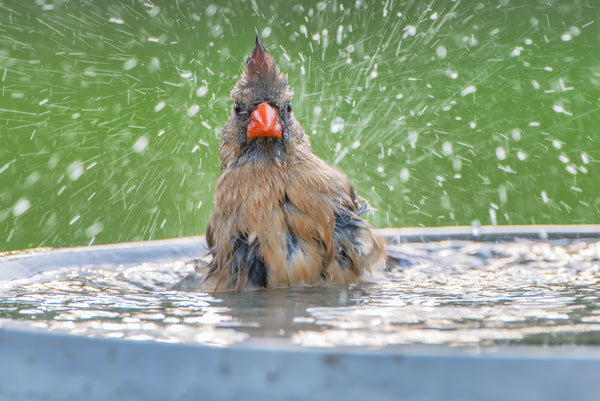
Sand bathing helps birds remove excess oil and parasites from their feathers. It also keeps their feathers dry and fluffy. Water bathing cleans dirt and dust from their bodies. It helps cool birds down on hot days. Both baths keep feathers in good condition for flying and warmth.
When Birds Choose One Over The Other
Birds pick sand baths when water is scarce or when they want to remove mites. They use water baths after feeding or during hot weather. Some birds prefer sand baths in dry climates. Others may choose water baths if they live near lakes or rivers. Choice depends on bird species and their immediate needs.
Environmental Factors Affecting Choices
- Availability of clean water limits water bathing options.
- Dry, sandy areas encourage sand bathing behavior.
- Seasonal changes affect water and sand access.
- Temperature influences whether birds cool off with water.
- Human activity may reduce natural bathing spots.
Birds adapt their bathing habits based on their surroundings. This flexibility helps them stay healthy in many habitats.
Creating A Bird-friendly Sand Bath
Creating a bird-friendly sand bath invites birds to enjoy natural grooming. Birds use sand baths to clean feathers and remove parasites. Offering a well-made sand bath supports their health and happiness. It also brings lively activity to your garden.
Best Sand Types To Use
- Use fine, clean sand free of chemicals or salt.
- Play sand or builder’s sand works well for most birds.
- Avoid sharp or coarse sand that can harm birds’ skin.
- Mix in small amounts of dirt or clay for variety.
- Replace sand regularly to keep it fresh and safe.
Ideal Location For Sand Baths
- Choose a quiet, sunny spot with some shade nearby.
- Place the bath where birds feel safe from predators.
- Keep the area free from heavy foot traffic.
- Near shrubs or low trees offers shelter and quick escape.
- Ensure easy access without obstacles around the bath.
Maintaining A Clean Bathing Spot
- Remove debris and droppings daily to prevent disease.
- Rake or stir the sand to keep it loose and dry.
- Replace sand completely every few weeks or after rain.
- Check for signs of mold or pests and clean immediately.
- Use a shallow container or build a small pit to hold sand.
Common Misconceptions About Sand Baths
Birds and their sand baths often spark curiosity. Many believe sand baths are strange or harmful. These beliefs stem from common misconceptions. Understanding the truth can help provide better care for birds.
Are Sand Baths Harmful?
Some think sand baths can hurt birds. This is not true. Sand baths help birds keep their feathers clean. They remove oils and parasites from the skin. Birds enjoy rolling in sand, which feels good for them.
Do All Birds Need Sand Baths?
Not every bird needs a sand bath. Different birds have different grooming habits. Ground-dwelling birds, like sparrows and quails, love sand baths. Birds that live in trees might not use sand as much.
Sand Baths And Bird Health
Sand baths play a role in bird health. They help with feather maintenance. Clean feathers are vital for flight and insulation. Sand baths also provide mental stimulation. Birds get a chance to play and explore while bathing.
Credit: en.photo-ac.com
Frequently Asked Questions
Why Do Birds Take Sand Baths?
Birds take sand baths to clean their feathers and remove parasites. The sand absorbs excess oil and helps keep feathers healthy. This behavior also aids in maintaining insulation and flight efficiency.
How Often Do Birds Take Sand Baths?
Birds typically take sand baths a few times per week. Frequency depends on species, environment, and parasite load. Regular sand baths help birds stay clean and comfortable.
Can Sand Baths Harm Birds?
Sand baths are generally safe and beneficial for birds. However, contaminated or chemically treated sand can pose health risks. Birds naturally choose clean, dry areas for bathing.
Do All Bird Species Take Sand Baths?
Not all bird species take sand baths. Ground-dwelling and desert birds commonly use this method. Others prefer water baths or preening to maintain feather health.
Conclusion
Birds take sand baths to keep their feathers clean and healthy. The sand helps remove dirt and unwanted oils. It also protects them from parasites that can harm their skin. Watching birds bathe in sand is a unique behavior worth noticing.
This simple act plays an important role in their daily life. Next time you see birds on the ground, remember they might be taking a sand bath. It is a natural way birds stay fresh and comfortable. Sand baths show how birds adapt to their environment.




