
Have you ever wondered if birds really eat sunflower seeds? If you enjoy watching birds visit your garden or feeder, knowing what they like to eat can make a big difference.
Sunflower seeds are a popular choice, but do all birds enjoy them? You’ll discover which birds love sunflower seeds and why these seeds are a favorite snack for many feathered friends. Keep reading to learn how sunflower seeds can bring more birds to your yard and make your birdwatching experience even better.
Birds That Love Sunflower Seeds
Many birds enjoy sunflower seeds as a tasty and nutritious snack. These seeds provide essential fats and proteins. They attract a wide variety of bird species, making sunflower seeds a favorite choice for bird feeders. Understanding which birds love sunflower seeds helps you create a welcoming space in your garden or backyard.
Common Seed-eating Birds
Seed-eating birds have strong beaks to crack open hard shells. They rely on seeds as a main food source. Some common seed eaters include:
- House Finches
- Goldfinches
- Chickadees
- Grosbeaks
- Juncos
These birds are often seen at feeders filled with sunflower seeds. Their beaks are perfect for breaking into the tough shell.
Birds Attracted To Sunflower Seeds
Sunflower seeds attract many bird species beyond just seed eaters. Some of the most frequent visitors include:
- Cardinals – Bright red birds with strong bills
- Woodpeckers – Use their beaks to peck shells open
- Blue Jays – Large birds that enjoy cracking seeds
- Nuthatches – Cling to tree trunks and feeders
- Mourning Doves – Ground feeders that pick up fallen seeds
These birds find sunflower seeds easy to eat and full of energy. Offering sunflower seeds helps attract a diverse group of birds to your feeder.
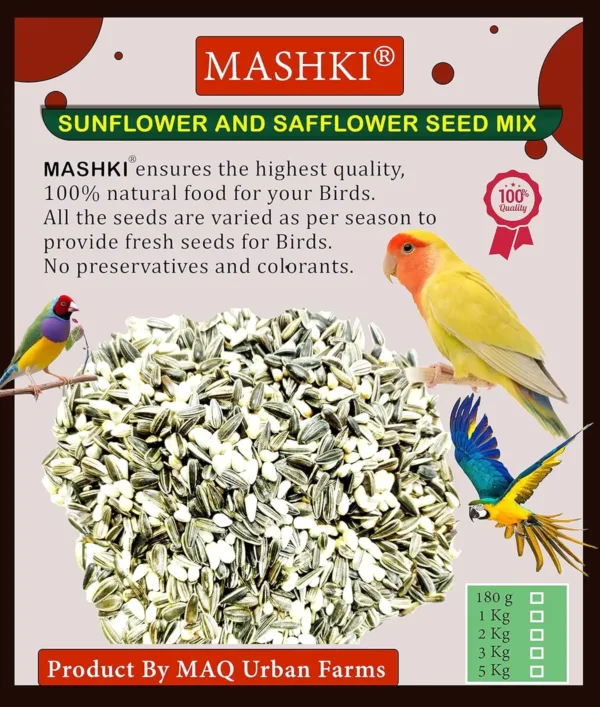
Credit: mashkii.com
Nutritional Value For Birds
Sunflower seeds are a popular food choice for many bird species. Their nutritional value makes them an excellent option for wild birds and pet birds alike. These seeds provide key nutrients birds need to stay healthy and active.
Birds require a diet rich in fats, proteins, and vitamins. Sunflower seeds offer a balanced mix of these essential nutrients. They support growth, feather health, and energy levels throughout the day.
Benefits Of Sunflower Seeds
- High in healthy fats for energy and warmth
- Rich in protein to support muscle development
- Contains vitamins E and B-complex for immune health
- Good source of minerals like magnesium and selenium
- Easy to digest, suitable for various bird species
Energy And Nutrient Content
| Nutrient | Amount per 100g | Benefit for Birds |
|---|---|---|
| Fat | 51g | Provides long-lasting energy |
| Protein | 21g | Builds and repairs tissues |
| Vitamin E | 35 mg | Boosts immune system |
| Magnesium | 325 mg | Supports muscle and nerve function |
How Birds Eat Sunflower Seeds
Birds have diverse methods for eating sunflower seeds. These seeds are a favorite among many bird species. Understanding how they consume these seeds can be fascinating. Let’s explore the techniques birds use and how they crack the shell.
Techniques Birds Use
Birds employ various techniques to enjoy sunflower seeds. They have evolved unique methods suited to their beak shape and size. Some birds use their beaks to hold the seed steady. Others use their feet for a better grip. It’s a skillful operation that showcases their adaptability.
Birds with strong, pointed beaks often pierce the shell directly. This method allows quick access to the seed inside. Meanwhile, birds with softer beaks may rely on other tactics. They might hammer the seed against a hard surface. Each bird has its own way of tackling the task.
Cracking The Shell
Cracking the shell is a critical step for birds. Some birds use their beaks like a nutcracker. They apply pressure to split the shell open. This reveals the tasty seed within. It’s an efficient method that requires little effort.
Other birds peck at the shell until it breaks. This approach requires patience and persistence. Birds like finches or sparrows often use this method. They rely on repetitive pecking to access their meal. The technique varies, but the goal remains the same.
Credit: primenut.ae
Feeding Birds Safely
Feeding birds safely helps protect their health and keeps them coming back. Birds need fresh, clean food and water to stay strong. Careful feeding supports their natural diet and avoids harm from spoiled seeds or harmful substances. Understanding safe feeding practices ensures a happy, healthy bird community in your yard.
Best Practices For Offering Seeds
- Use clean feeders to avoid bacteria and germs.
- Place feeders in shaded spots to keep seeds fresh.
- Offer seeds in small amounts to prevent waste.
- Choose seed types that match local bird species.
- Keep feeding areas dry to avoid mold growth.
Avoiding Mold And Spoilage
- Check seeds regularly for signs of mold or dampness.
- Discard any clumped or discolored seeds immediately.
- Store seeds in airtight containers in a cool, dry place.
- Clean feeders often with warm, soapy water.
- Remove old seeds before adding fresh ones.
Sunflower Seeds In Bird Diets
Sunflower seeds play a significant role in the diets of many bird species. They offer a rich source of energy and nutrients that help birds thrive, especially during colder months or when other food sources are scarce. Understanding how sunflower seeds fit into a bird’s diet can help you attract and support a variety of wild birds in your backyard.
Role In Wild Bird Diets
Many wild birds rely on sunflower seeds as a staple food. These seeds provide essential fats and proteins that fuel their daily activities and migration journeys. Birds like finches, chickadees, and cardinals often seek out sunflower seeds because they are easy to crack open and highly nutritious.
Have you noticed how quickly birds flock to feeders stocked with sunflower seeds? This popularity highlights their importance in the wild bird diet. It’s not just about taste—sunflower seeds offer the energy birds need to stay warm and active.
Supplementing With Other Foods
While sunflower seeds are valuable, birds need a balanced diet to stay healthy. They also eat insects, fruits, and other seeds to get a variety of nutrients. Offering different types of food can attract a wider range of bird species to your garden.
Think about adding:
- Nyjer seeds for small finches
- Suet for high-energy fats
- Fresh fruits like berries
- Mealworms for protein-rich treats
By supplementing sunflower seeds with other foods, you create a more inviting environment. This variety helps ensure birds get everything they need, especially in different seasons.
Common Myths About Birds And Seeds
Many myths surround birds and their eating habits, especially about seeds. Some ideas seem true but often mislead. These myths can affect how people feed birds and care for them. Understanding the facts helps create a better environment for wild birds. It also prevents harm caused by wrong feeding practices.
Debunking Seed Preferences
Not all birds eat only one type of seed. Birds enjoy variety in their diet. Sunflower seeds are popular, but many birds also eat millet, safflower, and nyjer seeds.
Some think birds only eat black oil sunflower seeds. This is false. Birds like striped sunflower seeds too. Different birds prefer different seeds depending on size and shell hardness.
Birds change seed choices by season and location. They adapt to what is available. Feeding a mix of seeds attracts more bird types.
Misconceptions About Feeding
Feeding birds bread or human snacks is harmful. These foods lack proper nutrients and can cause illness. Seeds provide energy and nutrients birds need.
Some believe birds depend only on feeders. Wild birds find food naturally too. Feeders are just a helpful supplement, especially in cold weather.
People think feeding birds makes them lazy. Actually, feeding helps birds save energy. It supports them during scarce times.

Credit: www.reddit.com
Frequently Asked Questions
Do Wild Birds Eat Sunflower Seeds?
Yes, many wild birds love sunflower seeds. They are rich in nutrients and easy to eat. Common sunflower seed eaters include finches, chickadees, and cardinals. These seeds provide essential fats and proteins, especially during cold months, helping birds stay healthy and active.
Are Sunflower Seeds Good For Pet Birds?
Sunflower seeds are a popular treat for pet birds. They are high in fat, so offer them in moderation. These seeds provide energy and essential nutrients but should not replace a balanced diet. Always choose unsalted and unflavored seeds for your pet’s health.
Why Do Birds Prefer Black Oil Sunflower Seeds?
Black oil sunflower seeds have thin shells and high oil content. Birds find them easier to crack and more nutritious. These seeds attract a wide variety of birds and provide essential fatty acids. They are often recommended for bird feeders due to their popularity and benefits.
Can Sunflower Seeds Harm Birds?
Sunflower seeds are safe for birds when fed properly. Overfeeding can cause obesity and nutritional imbalance. Avoid salted or flavored seeds, as they can harm birds. Providing a variety of seeds ensures birds get a balanced diet and remain healthy.
Conclusion
Birds love sunflower seeds for their taste and nutrition. These seeds provide energy and help birds stay healthy. Many common birds, like finches and cardinals, eat them often. Sunflower seeds attract a variety of bird species to your yard. Offering these seeds supports local wildlife and brings nature closer.
Keep seeds fresh and clean to protect birds. Feeding birds can be a simple way to enjoy nature daily. Sunflower seeds truly make a great choice for bird lovers everywhere.




