
Are you tired of squirrels and other pesky critters raiding your bird feeder before the birds even get a chance? You’re not alone.
Many bird lovers wonder if baffles really work to keep unwanted visitors away. If you’ve been struggling to protect your feeders and want to know if adding a baffle is the solution, this article is for you. Keep reading to discover how baffles can make a difference and whether they’re the right choice for your backyard birdwatching setup.
Purpose Of Baffles
Baffles play a crucial role in protecting bird feeders from unwanted visitors. They act as barriers that keep squirrels, raccoons, and other animals away. This protection helps ensure that birds get the food meant for them. Baffles also prevent seed waste and damage to feeders. Understanding the purpose of baffles helps choose the right one for your feeder.
How Baffles Protect Feeders
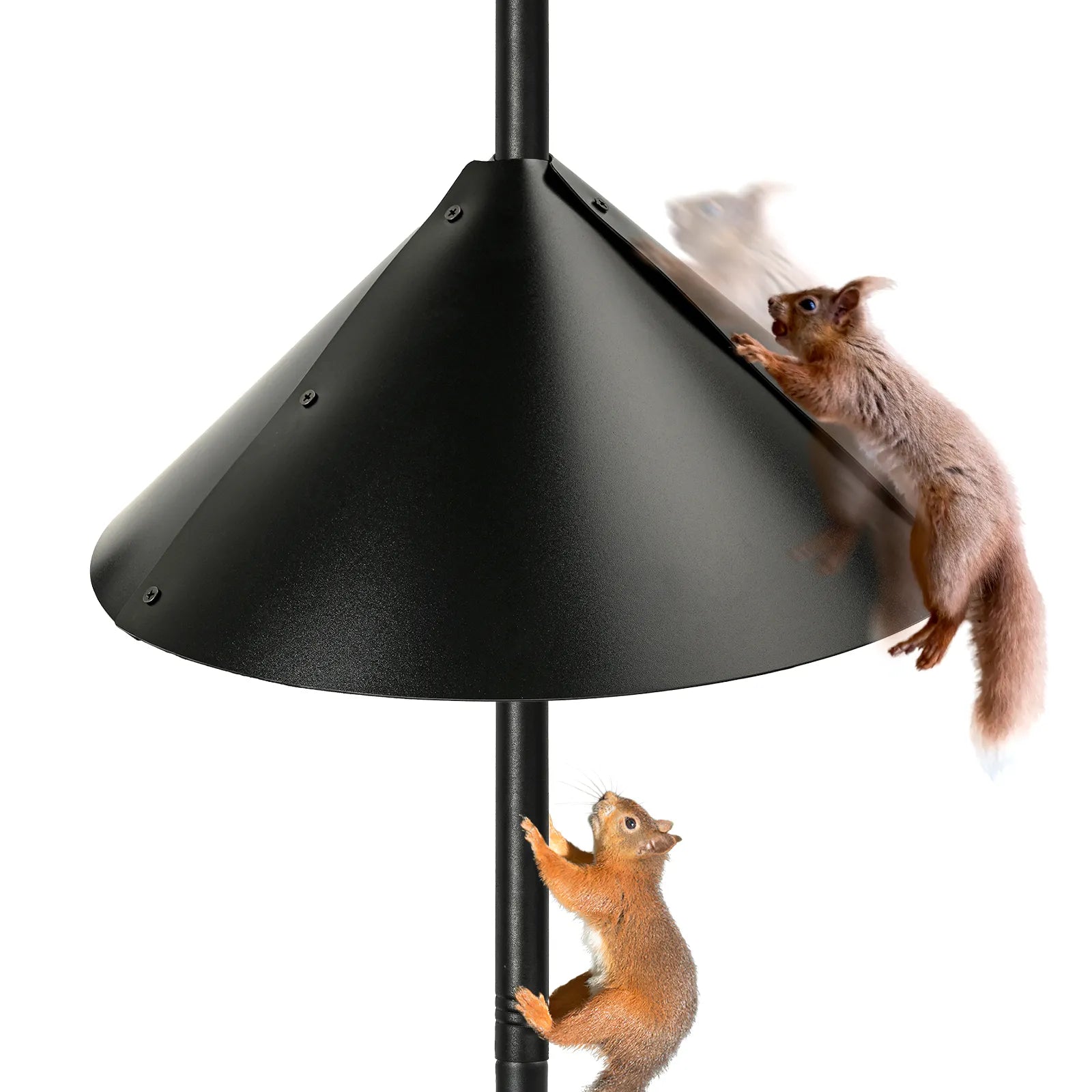
Baffles stop animals from climbing or jumping onto feeders. They block access from above or below, depending on their design. Many baffles are slippery or shaped to prevent grip. This makes it hard for squirrels and other pests to reach the food. Baffles also reduce seed spillage caused by animals trying to get food. They keep feeders safe and clean for the birds.
Types Of Baffles
- Cone-shaped baffles:These fit above or below feeders. They have a wide, sloping surface that animals cannot climb.
- Tube baffles:Long, smooth tubes placed on poles. They prevent animals from climbing the pole to reach feeders.
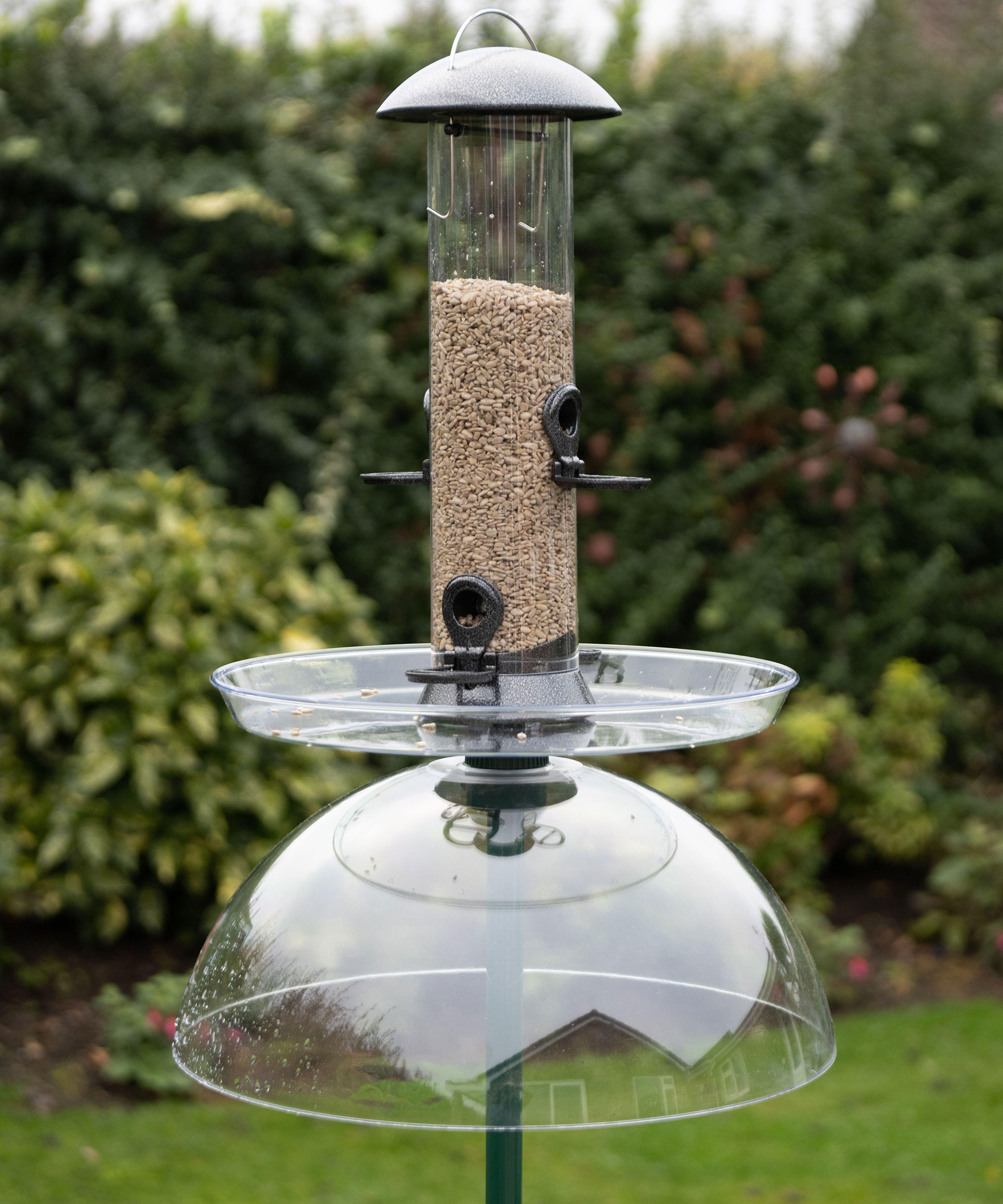
- Domed baffles:Dome-shaped covers that block access from above. Commonly used to stop squirrels from dropping onto feeders.
- Adjustable baffles:Designed to fit different feeder sizes and shapes. Offer flexible protection.
Credit: www.bilantan.com
Common Pests At Feeders
Bird feeders attract more than just birds. Common pests often visit feeders, causing problems for bird lovers. These pests can eat seeds, scare birds away, and damage feeders. Understanding these visitors helps in choosing the right protection, like baffles.
Squirrels
Squirrels are the most common feeders’ pests. They climb poles and jump to reach the food. Squirrels eat large amounts of seed quickly. Their sharp claws can damage feeders. They also scare birds, stopping them from feeding peacefully.
Raccoons
Raccoons are clever and strong. They come mostly at night to steal seeds. Raccoons can knock over feeders or pull them down. Their presence can make a big mess under feeders. They also carry diseases, which makes them a concern.
Other Unwanted Visitors
Other pests include rats, mice, and insects. Rats and mice chew through bags and feeders. They spread germs and leave droppings. Insects like ants and wasps take seeds and bother birds. These visitors create extra challenges for feeder owners.
Effectiveness Of Baffles
Baffles are a popular tool to keep unwanted animals away from bird feeders. Their design blocks animals like squirrels and raccoons from reaching the food. Effectiveness depends on proper placement and the type of baffle used. Understanding their strengths and weaknesses helps in choosing the right one for your feeder.
Preventing Climbing And Jumping
Baffles create a physical barrier around the feeder pole or hanging line. This stops animals from climbing up to the feeder. Many baffles have smooth surfaces that animals cannot grip. They also prevent animals from jumping down onto the feeder from above. This design reduces feeder raids significantly.
For best results, install baffles at the right height and distance. Place them far enough from nearby trees or structures to stop leaping attempts. The shape of the baffle matters too. Dome-shaped or cone-shaped baffles work well to block climbing and jumping.
Limitations Of Baffles
Baffles are not foolproof. Some clever animals find ways around them. Squirrels may leap from nearby branches if the baffle is too close to a tree. Some birds or animals might still reach feeders if the baffle is too small.
Weather can affect baffle durability. Cheap materials may crack or break in harsh conditions. Also, baffles do not stop all pests. Rats, mice, and insects can still access the feeder. Baffles work best combined with other methods for full protection.

Credit: www.bilantan.com
Choosing The Right Baffle
Choosing the right baffle is key to protecting your bird feeder. The perfect baffle stops squirrels and other pests from reaching the food. It also keeps birds safe and happy. Picking the best one depends on its material, design, and where you place it.
Material And Design
Baffles come in different materials like metal, plastic, and wood. Metal baffles are strong and last long. They resist chewing and weather well. Plastic baffles are lighter and cheaper but may break faster. Wooden baffles look natural but need more care.
The design affects how well the baffle works. Dome-shaped baffles stop animals from climbing down. Cone-shaped ones prevent climbing up. Choose a smooth surface so pests cannot get a grip. Size matters too; the baffle should be big enough to block squirrels but not block birds.
Placement Tips
- Install the baffle at least 4 to 5 feet above the ground.
- Keep it 6 feet away from trees or structures squirrels can jump from.
- Place the baffle below the feeder on the pole or hanging wire.
- Make sure the baffle is centered for full coverage.
- Check that the baffle does not block bird access to the feeder.
Proper placement helps the baffle work as a barrier. Adjust the position if squirrels still reach the feeder. Regular checks keep your feeder safe and bird-friendly.
Additional Pest Control Strategies
Beyond installing baffles, controlling pests around your bird feeders requires a combination of smart choices and consistent care. You can significantly reduce unwanted visitors by adjusting feeder placement, choosing the right seed, and maintaining cleanliness. These strategies work together to create a less inviting environment for squirrels and other pests, while keeping your feathered friends happy.
Feeder Placement
Where you place your bird feeder can make a big difference. Position feeders at least 10 feet away from trees or structures that squirrels can jump from. Hanging feeders on thin, smooth poles or using squirrel-proof pole guards adds another layer of protection.
Have you noticed how some feeders near windows attract more pests? Moving feeders to more open spaces can reduce easy access for unwanted visitors. Also, placing feeders in shaded areas can keep seed fresher and less appealing to insects.
Seed Selection
Not all bird seeds are equally attractive to pests. Safflower seeds, for example, are loved by many birds but often ignored by squirrels. Black oil sunflower seeds are popular with birds but can also attract pests, so mixing seeds or using seed blends designed to deter squirrels might help.
Consider offering hulled seeds or those with shells removed; they create less mess and reduce the chances of seed sprouting on the ground, which attracts rodents. Have you tried offering nyjer seed in a specialized feeder? It’s a favorite of finches and less appealing to larger pests.
Maintenance And Cleaning
Regularly cleaning your feeder and the area beneath it can prevent seed buildup that attracts pests. Old or moldy seed can discourage birds and invite unwanted visitors. Wipe down feeders weekly and rake or sweep the ground below to remove spilled seed.
Have you ever noticed fewer pests after a thorough cleaning? Keeping your feeding station tidy sends a clear message: this spot isn’t an easy food source for squirrels or rodents. Consistency is key to maintaining a pest-free feeder environment.
Credit: www.homesandgardens.com
Troubleshooting Common Issues
Baffles can deter squirrels from reaching bird feeders by blocking their path. They should be properly installed to be effective. Adjusting height and angle might solve issues with persistent squirrels.
Troubleshooting Common Issues Adding a baffle to your bird feeder seems straightforward, but like any good plan, it can sometimes hit snags. Addressing these common issues can enhance your birdwatching experience and keep those pesky pests at bay. Let’s dive into some typical challenges and how you can tackle them effectively.Baffle Damage
Baffles are built to withstand the elements, but they’re not invincible. Over time, harsh weather or persistent squirrels can cause wear and tear. Check your baffle regularly for cracks or dents. If you notice any damage, it’s best to repair or replace it promptly. A damaged baffle won’t provide the protection you need, and pests will take advantage of any weakness. Consider investing in a high-quality baffle made from durable materials like metal or heavy-duty plastic. These materials can better resist damage and prolong the life of your baffle.Persistent Pest Problems
Even with a baffle in place, some pests are relentless. If squirrels or raccoons are still reaching your feeder, it might be time to reassess your setup. Ensure the baffle is installed correctly and positioned at the right height. You might also need to consider the surrounding environment. Are there nearby branches or structures that pests can use to bypass the baffle? Trim branches and move feeders away from any launching points. If pests continue to outsmart your efforts, experimenting with additional deterrents might help. Some bird enthusiasts swear by spicy bird feed, which deters mammals but leaves birds unaffected. What creative solutions have you tried to keep your feeders pest-free?Frequently Asked Questions
What Are Baffles On Bird Feeders?
Baffles are barriers designed to block squirrels and large birds from accessing feeders. They protect seeds and reduce feeder damage.
Do Baffles Effectively Keep Squirrels Away?
Yes, baffles are effective at deterring squirrels by blocking their climbing and jumping paths to feeders.
Can Baffles Prevent All Bird Feeder Pests?
Baffles mainly deter squirrels and larger pests but may not stop smaller birds or insects.
Where Should I Place A Bird Feeder Baffle?
Place baffles above or below feeders, especially on poles or hanging chains, to block pests from reaching food.
Conclusion
Baffles help keep squirrels and larger birds away from feeders. They create a barrier that protects bird food. Not all baffles work the same, so choose carefully. Placement matters; install baffles correctly for best results. Birds can feed peacefully without interruptions or theft.
Baffles make birdwatching more enjoyable and less frustrating. They are a simple tool to protect your feeders. Try one and see how well it works for you.




