
Have you ever wondered if placing your hummingbird feeders close to other bird feeders is a good idea? You want to enjoy watching all kinds of birds, but you might worry about competition or safety.
Where you put your feeders can make a big difference in attracting hummingbirds and keeping them happy. You’ll discover the best tips and surprising facts that will help you set up your feeders just right. Keep reading to learn how to create a peaceful and colorful space for all your feathered friends.
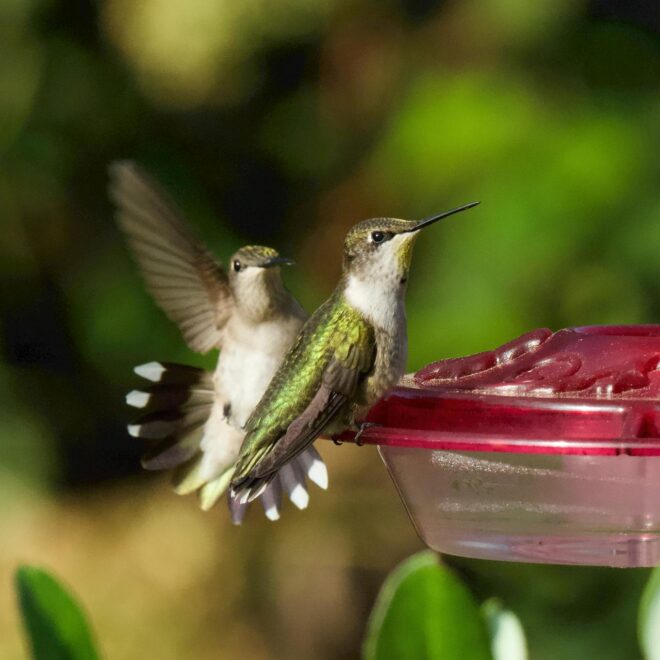
Credit: www.birdwatchingdaily.com
Hummingbird Feeder Placement
Placing hummingbird feeders thoughtfully can make a big difference in attracting these tiny, vibrant visitors to your garden. How you position your feeder near other bird feeders affects not only the hummingbirds’ comfort but also the behavior of different bird species. Let’s look at key factors to consider for hummingbird feeder placement to create a welcoming and safe environment.
Ideal Distance From Other Feeders
Hummingbird feeders should be placed at least 10 to 15 feet away from other bird feeders. This distance helps reduce competition and keeps hummingbirds from feeling threatened by larger, more aggressive birds. If feeders are too close, hummingbirds might avoid the area altogether.
Think about the types of birds visiting your other feeders. If you often see squirrels or jays, giving hummingbirds their own space helps them feed peacefully without interruptions.
Choosing The Right Location
Pick a spot that offers some shade during the hottest part of the day to prevent the nectar from spoiling quickly. Hummingbirds also prefer areas with nearby trees or shrubs for perching and quick escapes.
Try placing your feeder near a window where you can enjoy watching the hummingbirds up close. Just ensure the feeder is positioned to prevent window collisions by adding decals or moving it slightly away from the glass.
Avoiding Territorial Conflicts
Hummingbirds can be territorial, especially males defending their feeding areas. To minimize fights, place multiple feeders spaced apart to allow different hummingbirds their own feeding zones.
Observe your feeders at different times of day to spot any aggressive behavior. If you notice one bird dominating, move some feeders to new locations to give others a chance to feed comfortably.
Types Of Bird Feeders Nearby
Knowing the types of bird feeders near your hummingbird feeder can help you decide whether they can coexist comfortably. Different birds prefer different foods, so understanding these feeder types gives you insight into potential bird interactions and feeder placement.
Let’s look at common feeders you might find close to a hummingbird feeder and how they might affect your tiny nectar lovers.
Feeders For Seed-eating Birds
These feeders attract birds like finches, sparrows, and chickadees. They usually hold sunflower seeds, millet, or mixed birdseed. You might see tube feeders, hopper feeders, or platform feeders designed for these seed lovers.
Seed-eating birds can be quite active and noisy around their feeders. Would their presence distract hummingbirds or scare them away? Keep in mind that seed feeders often attract larger birds that may intimidate the smaller hummingbirds.
Nectar Feeders For Hummingbirds
Hummingbird feeders are specially designed to hold sugar water or nectar. Their bright red color and small feeding ports attract hummingbirds exclusively. These feeders usually hang or mount on poles and encourage hummingbirds to visit frequently.
Placing a hummingbird feeder near other feeders might confuse the birds or cause territorial disputes. Have you noticed if hummingbirds defend their nectar feeders more aggressively than seed feeders? This behavior can influence how close you place different feeder types.
Suet And Fruit Feeders
Suet feeders offer high-energy fat treats, attracting woodpeckers, nuthatches, and titmice. Fruit feeders, on the other hand, provide fresh or dried fruit pieces for orioles and tanagers. Both feeder types add variety to your birdwatching experience.
These feeders attract birds that usually do not compete with hummingbirds for nectar. However, the presence of fruit-eating birds might bring more activity to your feeding area overall. Would this increased activity affect how often hummingbirds visit your feeder?
Attracting Hummingbirds Safely
Attracting hummingbirds safely means creating a welcoming space without harm. Hummingbirds need quiet, safe places to feed. Setting up feeders properly helps them visit often. Careful planning keeps hummingbirds away from risks.
Feeder Design And Color Choices
Choose feeders with bright red parts. Hummingbirds see red clearly and are drawn to it. Avoid feeders with yellow or blue colors; they attract bees instead. Use feeders with built-in bee guards to keep pests out. Select designs with multiple feeding ports for several birds. Place feeders where hummingbirds can rest nearby.
Preventing Predators And Pests
- Keep feeders away from windows to avoid bird collisions.
- Hang feeders at least 10 feet from places predators hide.
- Use metal poles or baffles to stop ants and squirrels climbing up.
- Check feeders often for wasps or hornets and remove nests.
- Move feeders if cats or larger birds threaten hummingbirds.
Maintaining Cleanliness
Clean feeders every three to four days during warm weather. Use hot water and a soft brush to remove mold and bacteria. Avoid strong soaps or chemicals that harm birds. Rinse feeders thoroughly before refilling. Dirty feeders spread diseases and scare hummingbirds away.
Seasonal Considerations
Seasonal changes affect how birds use feeders. Hummingbirds and other birds behave differently across the year. Understanding these patterns helps place feeders wisely. It improves feeding success and bird safety.
Migratory Patterns And Feeder Use
Hummingbirds migrate during spring and fall. They need extra energy for long flights. Feeders become vital food stops. Other birds also change feeding habits with seasons. Some migrate, others stay and forage locally. These shifts impact how feeders are used nearby.
During migration, hummingbirds visit feeders more often. Other birds might avoid feeders with many visitors. Aggression can increase near feeders in busy seasons. This changes how feeders should be placed to reduce conflicts.
Adjusting Feeder Placement By Season
Place feeders farther apart in spring and fall. This reduces competition during hummingbird migration. In winter, hummingbirds are rare or absent in some areas. Other birds dominate feeder use then. Bringing feeders closer can help birds find food easier in cold months.
Sunlight and temperature also matter. Position feeders where sun warms them in winter. Shade feeders in summer to keep nectar fresh. Changing feeder spots with seasons helps all birds feed comfortably.
Common Mistakes To Avoid
Placing hummingbird feeders near other bird feeders can be tricky. Several common mistakes can affect the health and behavior of hummingbirds. Avoid these errors to create a safe and welcoming feeding area.
Overcrowding Feeders
Too many feeders close together cause competition. Hummingbirds may get stressed or avoid the area. Spread out feeders to reduce fights and allow easy access.
Feeder Contamination Risks
Mixing feeders can lead to quick mold and bacteria growth. Nectar spoils fast, especially near seed feeders with debris. Clean hummingbird feeders often to keep nectar fresh and safe.
Ignoring Local Wildlife Behavior
Different birds have unique habits and needs. Some may scare hummingbirds away or dominate feeders. Observe which birds visit your yard and adjust feeder placement accordingly.
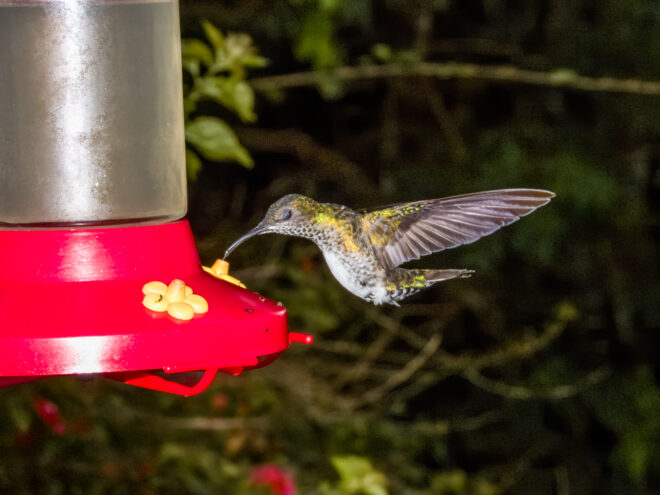
Credit: www.birdwatchingdaily.com
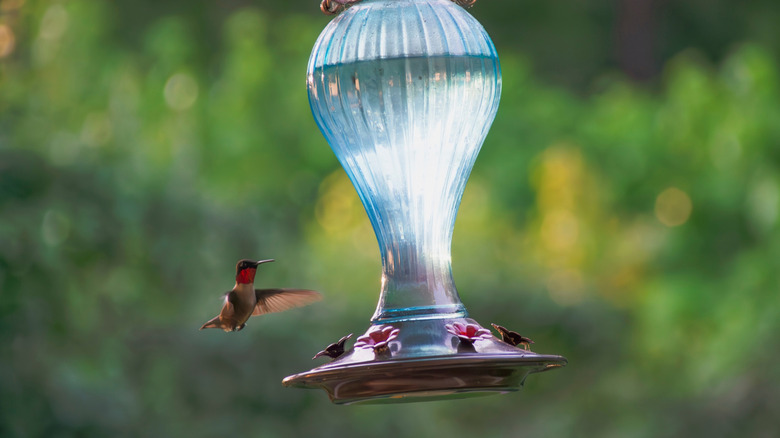
Credit: www.outdoorguide.com
Frequently Asked Questions
Can Hummingbird Feeders Be Placed Near Other Bird Feeders?
Yes, hummingbird feeders can be placed near other feeders. However, keep them at least 10 feet apart to avoid territorial disputes and ensure safety.
Will Other Birds Bother Hummingbirds At Feeders?
Some birds may compete or bully hummingbirds. Placing feeders apart reduces conflicts and allows hummingbirds to feed peacefully.
How Far Apart Should Hummingbird And Other Feeders Be?
Maintain a distance of 10 to 15 feet between feeders. This spacing minimizes aggression and attracts a variety of birds comfortably.
Does Proximity To Other Feeders Affect Hummingbird Feeding?
Yes, close proximity can stress hummingbirds and reduce their feeding time. Separate feeders help hummingbirds feed without disturbance.
Conclusion
Placing hummingbird feeders near other bird feeders can work well. Keep feeders clean and fresh to attract more birds. Space feeders enough to reduce competition and stress. Watch how birds react and adjust feeder spots if needed. Enjoy the bright colors and lively visits from hummingbirds and other birds.
This simple setup can bring nature closer to your home. Try different arrangements and find what suits your garden best. Birds will thank you with their beauty and song.




