
Are you looking to brighten up your garden with a fresh, colorful touch? If you have a cement bird bath that looks dull or weathered, you might be wondering: can you paint it yourself?
The good news is, yes—you can! Painting your cement bird bath not only makes it look new but also helps protect it from the elements. But before you pick up a brush, there are some important tips and tricks you should know to get the best results.
Keep reading, and you’ll discover how to transform your bird bath into a beautiful garden centerpiece that lasts.
Choosing The Right Paint
Choosing the right paint for a cement bird bath is crucial. The paint must stick well and last through all weather. It should also be safe for birds that visit. Picking the right kind protects your bird bath and keeps it looking fresh.
Types Suitable For Cement
Cement needs paint that grips its rough surface. Acrylic paint works great because it bonds well and dries fast. Masonry paint is another good choice, made for concrete and cement surfaces. These paints prevent peeling and cracking, keeping the bird bath beautiful over time.
Weatherproof Options
Outdoor bird baths face sun, rain, and cold. Choose paint that resists water and fading. Look for paints labeled as waterproof or weatherproof. These paints form a tough layer that shields the cement from damage. This keeps the bird bath strong for many seasons.
Non-toxic Choices For Birds
Birds are sensitive to chemicals. Use paints that are non-toxic and safe for wildlife. Water-based paints often have fewer harmful chemicals. Avoid paints with lead or strong fumes. This keeps birds safe and encourages them to visit your bath happily.
Preparing The Surface
Preparing the surface is a key step before painting a cement bird bath. A clean and smooth surface helps the paint stick better. It also makes the finish look neat and last longer. Taking time to prepare prevents peeling and chipping later on.
Start with cleaning, then sanding, and finally fix any cracks or chips. Each step improves the surface for painting.
Cleaning The Bird Bath
Remove dirt, algae, and debris from the bird bath. Use a stiff brush and water with mild soap. Scrub the entire surface well. Rinse thoroughly to remove soap residue. Let the bird bath dry completely before moving on.
Sanding For Better Adhesion
Sanding creates a rough texture for the paint to grip. Use medium-grit sandpaper to sand the whole surface evenly. Focus on glossy or smooth areas. Wipe away dust with a damp cloth after sanding. Allow it to dry before painting.
Repairing Cracks And Chips
Inspect the bird bath for cracks or chips. Fill small cracks with exterior-grade cement patch or filler. Use a putty knife to smooth the surface. Let the filler dry fully, then sand it lightly. Clean the area again to remove dust. This step prevents paint from cracking over damaged spots.
Painting Techniques
Painting a cement bird bath can brighten your garden and protect the surface. Good painting techniques make the colors last longer and prevent peeling. Follow these simple steps to get a smooth, durable finish that looks great.
Priming The Cement
Start by cleaning the bird bath thoroughly. Remove dirt and dust with a brush or cloth. Use a concrete primer to seal the surface. Priming helps paint stick better and prevents moisture damage. Apply the primer evenly and let it dry fully before painting.
Applying Base Coats
Choose a paint made for outdoor concrete use. Acrylic latex paint works well on cement. Apply the base coat with smooth, even strokes. Two or three thin coats create a strong color. Let each coat dry before adding the next to avoid streaks.
Using Brushes Vs. Sprayers
- Brushes:Offer control for edges and small areas. Ideal for detailed work and patterns.
- Sprayers:Cover large surfaces quickly and evenly. Good for a smooth, consistent finish.
Brushes can leave texture, while sprayers give a flat look. Choose based on your skill and the bird bath’s shape.
Adding Patterns And Designs
Use stencils or tape to create shapes and lines. Paint small details with fine brushes. Bright colors and simple patterns add charm. Seal the painted surface with a clear waterproof sealant. This protects your design from weather and bird activity.

Credit: www.chairish.com
Sealing And Protecting
Sealing and protecting a cement bird bath is essential after painting. It helps keep the colors bright and guards against weather damage. Proper sealing also prevents water from soaking into the cement, which can cause cracks over time. A well-protected bird bath lasts longer and stays attractive throughout the seasons.
Choosing A Sealant
Pick a sealant made for outdoor use and cement surfaces. Look for clear, water-resistant sealants that block moisture but let the cement breathe. Acrylic or polyurethane sealants work well. Avoid sealants that turn yellow or peel quickly. Check product labels for UV protection to keep colors from fading.
Application Tips
- Make sure the paint is fully dry before sealing.
- Clean the surface to remove dust or dirt.
- Use a brush or sprayer for even coverage.
- Apply sealant in thin, smooth layers.
- Allow each coat to dry before adding another.
- Work in a well-ventilated area on a dry day.
Maintaining The Finish
Check the bird bath regularly for signs of wear. Clean it gently with mild soap and water to avoid damaging the sealant. Avoid harsh chemicals or scrubbing too hard. Reapply sealant every year or two to keep the paint protected. A little care extends the life and beauty of your bird bath.
Common Mistakes To Avoid
Choosing the wrong paint can ruin your cement bird bath. Avoid using non-waterproof paints. Clean the surface thoroughly to ensure paint adheres properly.
Painting a cement bird bath can give your garden an instant facelift. But beware of common mistakes that can ruin your efforts. Whether you’re a DIY novice or a seasoned pro, avoiding these pitfalls will ensure a lasting and beautiful finish.Skipping Surface Prep
Surface preparation is a crucial step that many overlook. Don’t just dive into painting without cleaning the bird bath first. Dirt and algae can prevent paint from adhering properly. Use a stiff brush and a mild detergent to scrub the surface. Rinse thoroughly and let it dry completely. Skipping this step can lead to peeling and flaking later.Using Inappropriate Paint
Not all paints are created equal, especially for outdoor use. Avoid using regular interior paint, as it won’t withstand the elements. Look for paints specifically designed for concrete and outdoor conditions. Opt for non-toxic paint to keep your feathered friends safe. A small investment in the right paint can save you from frequent touch-ups.Ignoring Drying Times
Patience is key when painting a bird bath. Rushing the drying process can lead to smudges and an uneven finish. Check the paint manufacturer’s recommendations for drying times. Typically, a few hours is needed between coats. Allow at least 24 hours for the final coat to dry before exposing it to water. Are you willing to wait for a job well done? Avoiding these common mistakes will result in a stunning centerpiece for your garden. Your feathered visitors will thank you, and your effort will shine through in every stroke.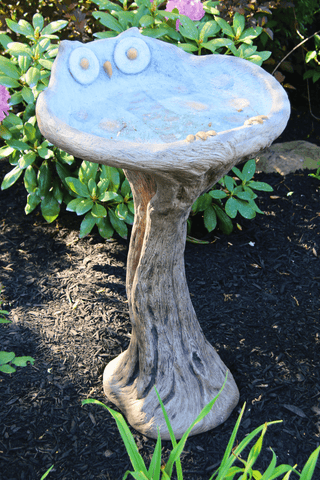
Credit: fountainful.com
Creative Inspiration
Painting a cement bird bath offers a chance to bring creativity outdoors. It transforms plain concrete into a charming garden feature. The right design makes your bird bath stand out and invites birds to visit. Let your imagination guide the colors and patterns you choose. Explore ideas that match your garden’s vibe and your personal style.
Color Ideas
Bright colors attract attention and add cheer to your garden. Consider shades like turquoise, sunny yellow, or coral red for a lively look. Soft pastels create a calm, peaceful feel. Earth tones such as olive green, terracotta, or beige blend well with nature. Use contrasting colors for the rim and basin to highlight shapes and details.
Themes And Styles
Pick a theme that fits your outdoor space. A rustic style with muted browns and greens suits a woodland garden. For a modern look, use sleek lines and monochrome colors like black, white, or gray. Tropical themes burst with bold, exotic colors and patterns. Coastal styles shine with blues, whites, and sandy beige, evoking the beach.
Incorporating Natural Elements
Combine paint with natural touches for extra charm. Glue small stones or shells around the rim for texture. Use leaf stencils to create organic patterns on the basin. Add a moss-green base coat to mimic natural growth. These details help your bird bath blend into the garden while standing out as art.

Credit: www.dukemanorfarm.com
Frequently Asked Questions
Can I Paint A Cement Bird Bath Safely?
Yes, you can safely paint a cement bird bath using non-toxic, waterproof outdoor paint. Proper surface preparation ensures good paint adhesion and durability.
What Type Of Paint Is Best For Cement Bird Baths?
Acrylic latex paint or masonry paint is best for cement bird baths. These paints are durable, water-resistant, and safe for outdoor use.
How Do I Prepare A Cement Bird Bath For Painting?
Clean the surface thoroughly, remove dirt and debris, and let it dry. Lightly sand the cement to create a smooth base for better paint adhesion.
Should I Seal The Paint On A Cement Bird Bath?
Yes, sealing the paint with a clear, waterproof sealer protects it from moisture and weather damage, extending the bird bath’s lifespan and appearance.
Conclusion
Painting a cement bird bath can brighten your garden space. Choose the right paint for outdoor use to protect it. Clean and dry the surface well before you start. A few thin coats work better than one thick layer. Let each coat dry fully to avoid peeling.
Painting adds color and helps prevent cracks over time. It’s a simple way to make your bird bath look fresh. You can enjoy watching birds in a more beautiful spot. Try it and see how much it improves your garden.




