
Are you wondering where to put your bird feeder pole to attract the most beautiful birds? The right spot can make all the difference.
Imagine watching colorful birds visit your feeder every day, bringing life and joy to your outdoor space. But placing the pole in the wrong place might keep the birds away or even put them in danger. You’ll discover simple tips and secrets to find the perfect location for your bird feeder pole.
Keep reading to turn your yard into a bird paradise you’ll love!
Credit: www.outdoorguide.com
Choosing The Right Location
Choosing the right location for your bird feeder pole makes a big difference. It helps attract more birds and keeps them safe. A good spot makes feeding easy for birds and enjoyable for you. Consider the bird’s safety and the feeder’s visibility. Avoid places where predators can reach the birds. Pick a spot where birds can easily see and find the feeder.
Consider Bird Safety
Birds need a safe place to feed. Place the feeder away from busy roads and noisy areas. This reduces stress and danger for birds. Keep the feeder near bushes or trees. Birds can hide quickly if they feel threatened. Avoid spots with strong wind or direct afternoon sun. Birds stay longer where they feel comfortable.
Avoid Predator Access
Predators like cats and squirrels can harm birds. Set the feeder pole at least 6 feet from trees or fences. This stops predators from jumping onto the feeder. Use baffles or guards on the pole. They block animals from climbing up. Avoid placing feeders near dense shrubs where predators hide. Clear surroundings make birds feel safer.
Select Visible Spots
Birds find feeders by sight. Place the feeder where birds can see it easily. Open areas near trees or shrubs work well. This gives birds a clear view to spot food and watch for danger. Also, pick a spot visible from your window. You enjoy watching birds while they eat. Bright, open areas attract more birds to your feeder.
Credit: dengarden.com
Ideal Height For Feeders
Choosing the right height for a bird feeder pole is important. It affects which birds visit and keeps them safe. The ideal height helps birds feel comfortable while feeding. It also keeps the feeder away from dangers on the ground. Setting the feeder at the proper height attracts more birds and protects them.
Preventing Ground Hazards
Place feeders high enough to avoid predators like cats and dogs. A height of about 4 to 6 feet works well. This keeps birds safe from animals that hunt on the ground. It also helps avoid contamination from dirt or droppings. Keeping the feeder off the ground reduces the risk of disease.
Accommodating Different Bird Species
Different birds prefer feeding at different heights. Smaller birds like finches may prefer feeders around 4 feet high. Larger birds, such as cardinals, often feed at 5 to 6 feet. Hanging multiple feeders at varied heights attracts a wider range of birds. This creates a lively and diverse bird-watching experience.
Sunlight And Weather Factors
Choosing the right spot for your bird feeder pole involves thinking about sunlight and weather. Birds enjoy warmth but need protection from harsh weather. Sunlight helps keep the feeder dry and attracts more birds. At the same time, the feeder needs shelter from strong wind and rain. Finding a balance improves the feeding experience for birds and keeps your feeder in good shape longer.
Providing Shade And Shelter
Place the feeder near trees or bushes that offer shade during the hottest parts of the day. Shade prevents the seed from spoiling quickly. It also keeps birds cool and comfortable while feeding. Trees and shrubs provide natural shelter from sun and light rain. Avoid direct, strong sunlight all day. A spot with morning sun and afternoon shade works well.
Protecting From Wind And Rain
Strong wind can blow away seeds and scare birds. Position the feeder in a spot shielded from prevailing winds. Use nearby plants, fences, or walls as windbreaks. Rain can make seed wet and moldy. A good location has some cover overhead or nearby. Overhanging branches or a porch roof help keep rain off the feeder. This keeps seeds dry and birds safe while feeding.

Credit: feedsnneeds.ca
Proximity To Natural Cover
Placing a bird feeder pole near natural cover helps birds feel safe. Natural cover offers shelter from predators and harsh weather. Birds prefer feeders close to trees or bushes for quick escape routes. This proximity encourages more visits and longer stays at the feeder.
Using Trees And Shrubs
Trees and shrubs provide excellent hiding spots near feeders. They offer perches for birds to rest and watch for danger. Choose native plants that attract local bird species. Avoid placing feeders too deep inside thick branches. Keep space for birds to fly in and out easily.
Balancing Visibility And Safety
Birds need clear sight to spot food and threats. Position the feeder where birds can see around it well. Avoid dense cover that blocks their view completely. At the same time, ensure cover is close enough for quick escape. This balance helps birds feel secure and confident to feed.
Avoiding Common Placement Mistakes
Placing your bird feeder pole in the right spot can make all the difference in attracting feathered friends while keeping them safe. Avoiding common placement mistakes ensures your feeder becomes a welcoming haven rather than a hazard. Let’s look at some practical tips that can help you find the perfect location.
Steering Clear Of Busy Areas
Placing the feeder too close to busy walkways or noisy spots can scare birds away. Think about where people or pets frequently move around your yard. A quiet corner or a spot near natural cover like bushes or trees offers birds a sense of safety.
Have you noticed how birds avoid areas with constant human activity? By positioning the feeder away from these zones, you invite more visitors and longer stays. This also gives you a chance to watch them without disturbing their natural behavior.
Preventing Window Collisions
Birds often fly right into windows because they see reflections or clear paths. To prevent this, avoid placing the feeder directly in front of or too close to your windows. Ideally, the feeder should be at least 3 feet away or more than 30 feet from windows to reduce collision risks.
Another trick is to add decals or screens to windows near feeders. This helps birds recognize glass as a solid object. Have you ever seen a bird safely feed near your window without hesitation? That’s the kind of setup you want to create.
Maintenance And Accessibility
Choosing the right spot for a bird feeder pole is crucial. Not only for bird visibility but also for maintenance and accessibility. Regular upkeep ensures a healthy feeding environment. Easy access makes refilling and cleaning tasks simpler and more enjoyable. Below, we explore key aspects of maintaining and accessing your bird feeder pole.
Easy Refilling Spots
Position the feeder within arm’s reach. This simplifies the refilling process. Avoid placing it in hard-to-reach areas. Convenience encourages consistent feeding schedules. Think about paths and walkways. Keep them clear to prevent obstacles. A well-placed feeder is easy to refill, ensuring birds never go hungry.
Cleaning Considerations
Regular cleaning keeps feeders safe for birds. Place the feeder near a water source. This allows for easy washing. Avoid spots that collect debris, like under trees. Check for accessible spaces for seasonal maintenance. Ensure the feeder can be easily detached for cleaning. Clean feeders prevent the spread of diseases among birds.
Using Multiple Feeders Strategically
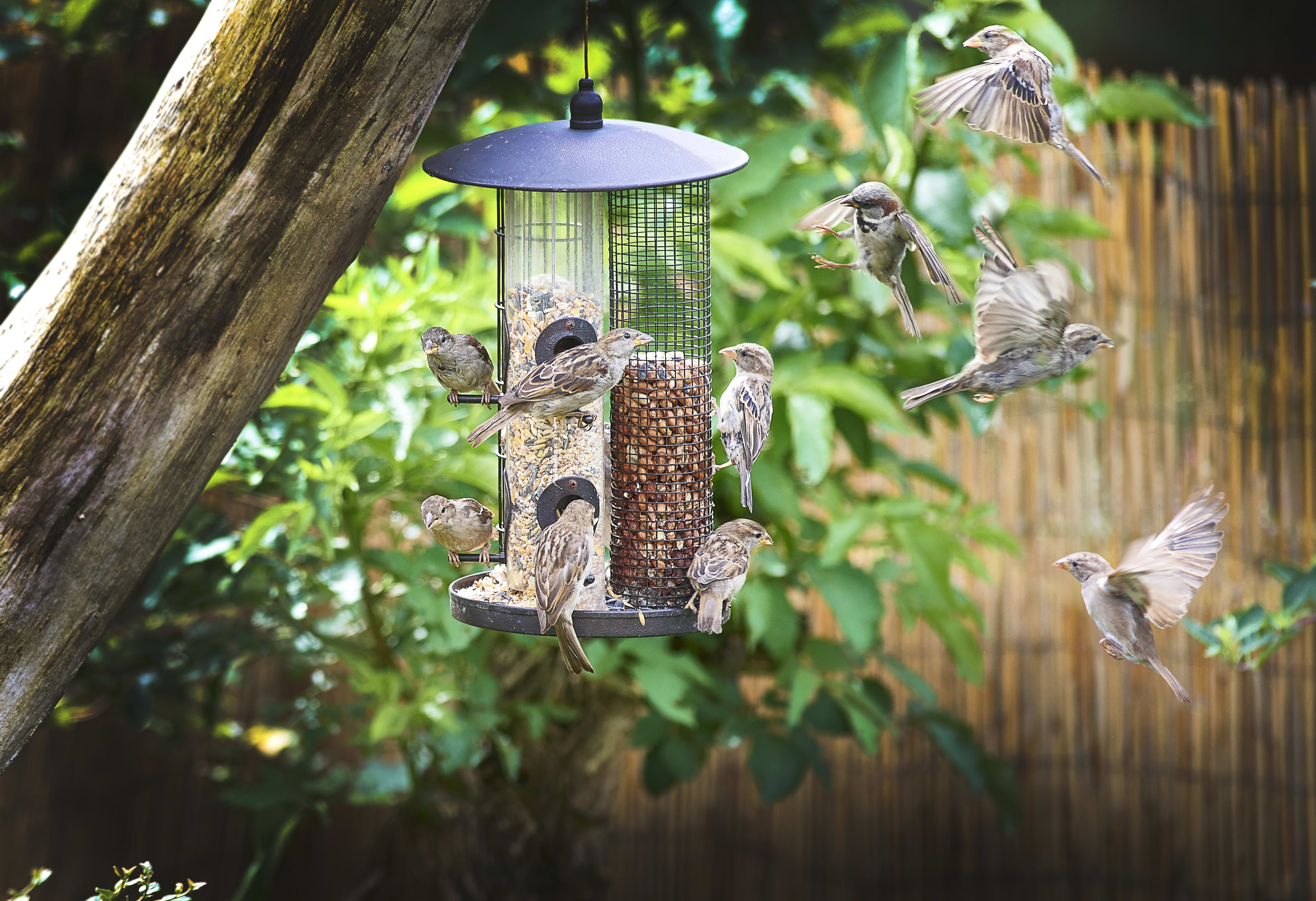
Placing multiple feeders at different spots draws more birds and reduces crowding. Choose locations with good visibility and easy access for cleaning. Spread feeders near trees or shrubs to offer birds shelter and safety.
Placing multiple bird feeders in your yard can transform it into a vibrant hub of avian activity. By strategically positioning these feeders, you can create an environment that caters to a variety of birds while minimizing competition. The key is to think about the layout and types of feeders you use, ensuring you meet the needs of different species.Reducing Bird Competition
Birds, like us, can be competitive when it comes to food. If you’ve ever watched a flock squabble over a single feeder, you know this all too well. By using multiple feeders, you can reduce this competition significantly. Separate your feeders by a few feet to give birds enough space to feed without feeling threatened. This encourages more relaxed feeding behavior and helps maintain peace among your feathered visitors. Consider hanging some feeders at different heights to accommodate various species’ feeding preferences.Attracting Diverse Species
Different birds have different dietary needs. By offering a range of foods in multiple feeders, you can attract a diverse array of species to your yard. For instance, placing a suet feeder near a tree can attract woodpeckers, while a platform feeder with a mix of seeds might draw finches and sparrows. Use a nectar feeder to bring in hummingbirds. Think about the birds you want to attract and tailor your feeder choices accordingly. Have you noticed particular birds that you wish would visit more often? Adjust the menu and the positioning of your feeders and watch your yard transform into a lively bird sanctuary.Frequently Asked Questions
Where Is The Best Location For A Bird Feeder Pole?
Place the bird feeder pole in a quiet, sheltered spot. Choose an area with good visibility for birds and away from predators. Avoid placing it near busy walkways or noisy areas to attract more birds safely.
How Far Should A Bird Feeder Pole Be From Windows?
Keep the bird feeder pole at least 3 feet from windows. This distance helps prevent bird collisions with glass. It also provides enough space for birds to land and take off safely.
Should Bird Feeder Poles Be Near Trees Or Open Spaces?
Place bird feeder poles near trees for bird shelter and perching. However, avoid dense branches to reduce predator risks. Open spaces allow birds clear flight paths to and from the feeder.
What Height Is Ideal For A Bird Feeder Pole?
Set the bird feeder pole about 4 to 6 feet high. This height keeps feeders safe from ground predators like cats. It also makes it easier for you to refill and clean the feeder.
Conclusion
Placing your bird feeder pole in the right spot brings many benefits. Birds feel safe near trees or bushes but away from predators. Sunlight helps keep the feeder dry and clean. Avoid busy areas with too much noise or traffic.
Watch where birds visit most often. A well-placed feeder attracts more birds to your yard. It also makes watching them easier and more fun. Take time to choose a good location. Small changes can make a big difference for your feathered friends.




