
Are you wondering when to put out bird houses to welcome feathered friends to your yard? Timing is everything if you want to give birds the best chance to make your birdhouse their new home.
Putting bird houses out too early or too late can mean missed opportunities for nesting and birdwatching fun. You’ll discover the perfect time to hang bird houses, so you can enjoy the sweet sounds and sights of birds right outside your window.
Keep reading to learn how to get your birdhouses ready just in time for your local birds to move in!
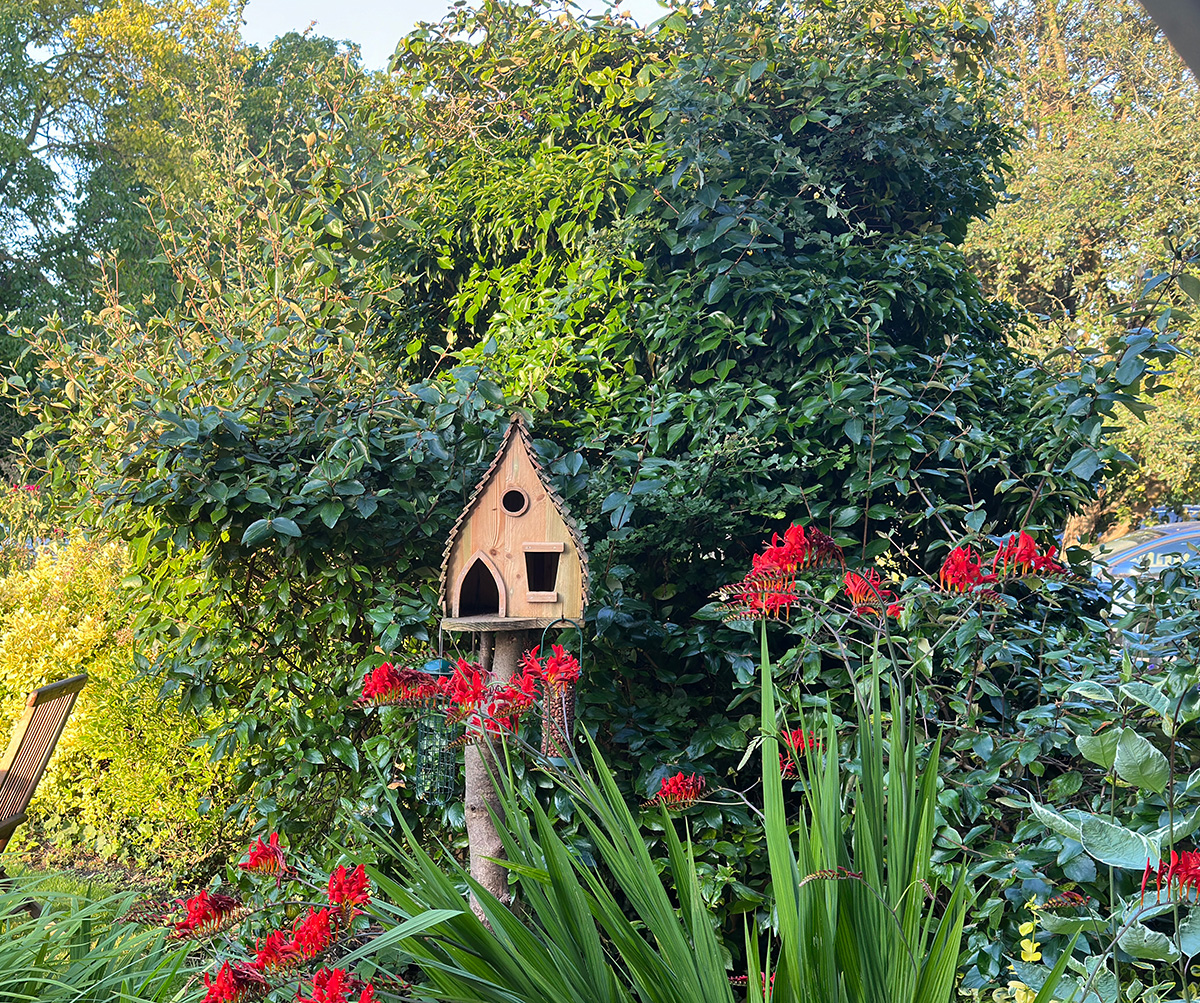
Credit: www.milltreestudio.co.uk
Best Seasons For Putting Up Bird Houses
Knowing the best seasons to put up bird houses helps attract birds to your garden. Timing affects which birds visit and how often they use the house. Different seasons offer unique benefits for bird nesting and safety.
Spring: Welcoming New Residents
Spring is the prime time to install bird houses. Birds start searching for safe places to build nests. Putting up houses early invites birds to settle in quickly. It supports their breeding and raises healthy chicks. Clean and fresh bird houses in spring attract more birds.
Fall: Preparing For Next Year
Fall is a good season to place bird houses for future use. Birds may scout new homes before winter. Installing houses now gives birds time to explore them. It helps birds find shelter during cold months. Fall setup ensures the house is ready for spring nesting.
Avoiding Harsh Weather
Avoid putting up bird houses during extreme weather. Strong winds or heavy rain can damage new houses. Cold winter months reduce bird activity around houses. Choose mild weather days to install or clean bird houses. Protect houses from direct sun and rain for long use.
Signs Birds Are Ready
Knowing the signs that birds are ready helps you time putting out bird houses perfectly. Birds show clear signals before nesting season starts. These signs help ensure the bird house gets used quickly. Paying attention to local bird habits makes a big difference.
Observing Local Bird Activity
Watch birds near your yard every day. Notice changes in their behavior as weather warms. Birds start to sing more often and loudly. They fly around looking for food and safe spots. Groups of birds may gather or move together. These actions show they prepare for nesting soon.
Identifying Early Nesting Behavior
Look for birds collecting materials like twigs and leaves. They carry these items to likely nest sites. Birds may explore holes in trees or bird houses. Some peck or scratch inside cavities to clear space. Both male and female birds join in this activity. These behaviors mean birds are ready to build nests.
Types Of Birds And Their Timing
Different bird species have unique nesting habits and timing. Understanding these helps in placing bird houses at the right time. Each type of bird follows a specific schedule for nesting and raising young. Providing bird houses at the proper time increases the chances of attracting them. This section explains the timing preferences of various birds.
Cavity Nesters’ Preferences
Cavity nesters use holes in trees or bird houses for shelter. They prefer safe, enclosed spaces to protect their eggs and chicks. Species like bluebirds, chickadees, and wrens belong to this group. These birds typically start nesting in early spring when temperatures rise. Placing bird houses before this period allows them to explore and settle in. Late winter or early spring is ideal for setting up cavity nesters’ homes.
Species-specific Timelines
Different birds have different nesting schedules. For example:
- Bluebirds begin nesting in March or April.
- Chickadees start as early as February.
- Wrens prefer April to May for nesting.
- Nuthatches usually nest from March to May.
Knowing these timelines helps in timing your bird house placement correctly. Observe local bird activity to match your timing with nature. This approach increases the chances of birds using your houses successfully.

Credit: www.familyhandyman.com
Placement Tips For Better Success
Placing your birdhouse correctly can make all the difference in attracting feathered tenants. The right spot helps keep birds safe and comfortable, increasing the chances they’ll settle in. Let’s look at some practical tips to help you pick the best location and set the perfect height and direction.
Choosing The Right Location
Think about where birds usually hang out in your yard. Look for quiet areas away from heavy foot traffic and noisy machines.
Near trees or shrubs often works well because birds feel safer with nearby cover. But avoid placing the house too close to branches where predators can easily reach it.
- Pick a spot with some shade to prevent overheating.
- Avoid places exposed to strong winds or direct midday sun.
- Consider how close the birdhouse is to food and water sources.
Have you noticed birds favoring certain parts of your garden? Use those observations to guide your placement.
Height And Direction Considerations
The height of the birdhouse matters for different species. Smaller birds often prefer houses placed 5 to 10 feet off the ground, while some larger birds might need it higher.
Facing the entrance away from prevailing winds helps keep the nest dry and cozy. East or southeast directions are usually best because they catch morning sun and avoid harsh afternoon heat.
| Bird Type | Recommended Height | Preferred Entrance Direction |
|---|---|---|
| Chickadees | 5 to 10 feet | East or Southeast |
| Bluebirds | 4 to 6 feet | East or Southeast |
| Wrens | 5 to 10 feet | East or Southeast |
Have you ever tried placing a birdhouse at different heights? You might be surprised how much it affects bird visits.
Maintenance Before And After Nesting
Bird houses are a delightful way to invite nature into your backyard, but they require a bit of TLC to ensure they remain attractive and safe for our feathered friends. Proper maintenance before and after the nesting season can make all the difference in encouraging birds to return year after year. It’s not just about setting up the birdhouse; it’s also about ensuring a clean, predator-free environment for the birds. Are you ready to give your bird houses the attention they deserve?
Cleaning Old Nests
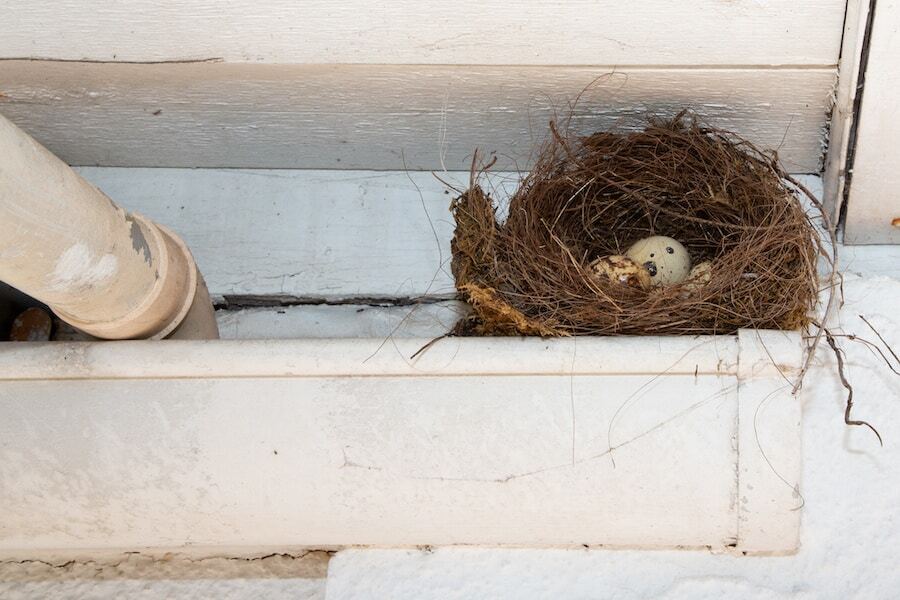
Old nests can harbor parasites and diseases that can deter birds from settling in your bird house. After the nesting season, remove the old nests to provide a fresh start for the next occupants. Use a small brush to scrub the interior gently, ensuring no debris remains.
Disinfecting the bird house with a mild bleach solution (one part bleach to nine parts water) can help keep it sanitary. Rinse thoroughly and allow the house to dry completely before closing it up for the season. This simple act of cleaning can significantly increase the chances of birds returning to your bird house.
Monitoring For Predators
Bird houses can attract unwanted visitors, such as predators looking for an easy meal. Regularly check for signs of predator activity, like scratches or overturned bird houses. Consider placing metal guards around the entrance to deter larger animals from reaching inside.
Installing bird houses on poles rather than trees can also help reduce predator access. Keep an eye out for any new threats and act quickly to protect your feathered guests. How do you ensure your backyard remains a safe haven for birds?
By taking these proactive steps in maintenance, you not only provide a welcoming environment for birds but also contribute positively to the ecosystem. Each season offers a new opportunity to learn and improve your bird house care routine.
Credit: www.callnorthwest.com
Frequently Asked Questions
When Is The Best Time To Put Out Bird Houses?
The best time to put out bird houses is early spring. This timing helps attract nesting birds preparing for breeding. Avoid late summer or fall, as birds are less likely to nest then. Early placement increases the chances of occupancy.
How Does Season Affect Bird House Placement?
Season affects bird house placement because birds have specific breeding periods. Spring and early summer are ideal for nesting. Winter placement may attract roosting birds but not nesting. Seasonal timing ensures the bird house serves its intended purpose.
Should Bird Houses Be Cleaned Before Putting Out?
Yes, clean bird houses before putting them out. Remove old nesting materials and debris to prevent parasites. Clean houses attract more birds and provide a safe environment. Regular cleaning supports bird health and successful nesting.
Can I Put Out Bird Houses Year-round?
Putting out bird houses year-round is not recommended. Birds primarily use houses during breeding seasons in spring and summer. Outside these times, houses may become shelters for unwanted pests. Timely placement maximizes bird occupancy and safety.
Conclusion
Putting out bird houses at the right time helps birds find safe homes. Spring is usually the best time to place them. This gives birds a chance to settle before nesting. Watch local bird patterns to know when to start.
Keep the bird houses clean and in good shape. Doing this supports local birds and brings nature closer. Enjoy watching birds make your garden their home. Small steps can help many feathered friends thrive.




