
If you love watching birds, having the right binoculars can make all the difference. But with so many options out there, how do you know which ones are best for you?
Choosing the perfect pair isn’t just about magnification or price—it’s about finding binoculars that fit your needs and help you see every feather in stunning detail. You’ll discover exactly what to look for when buying binoculars for bird watching, so you can enjoy clearer views and unforgettable moments in nature.
Keep reading to find the binoculars that will bring your bird watching experience to life.
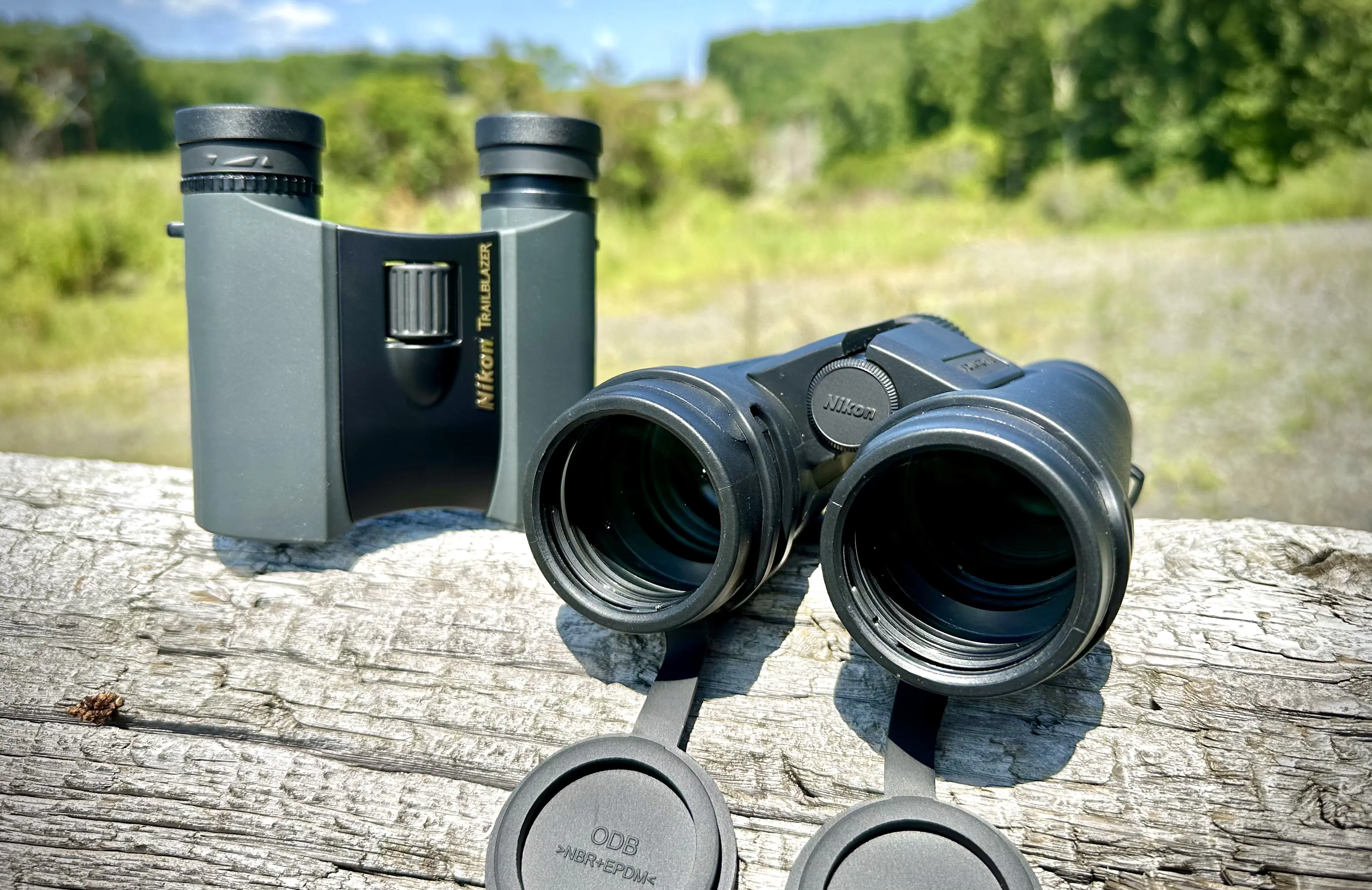
Credit: gearjunkie.com
Key Features To Consider
Choosing binoculars for bird watching involves understanding a few important features. These features affect how well you see birds and how comfortable the binoculars are to use. Knowing these details helps pick binoculars that fit your needs perfectly.
Magnification And Lens Diameter
Magnification shows how close objects appear through binoculars. A 8x or 10x magnification is common for bird watching. The lens diameter controls how much light enters. Bigger lenses give brighter images but add weight. A lens size of 32mm to 42mm balances light and size well.
Field Of View
The field of view is the width of the area you see. A wide field helps spot birds easily. It is measured in feet at 1,000 yards or in degrees. Look for binoculars with a field of view around 300 feet or more. This helps track moving birds better.
Close Focus Distance
Close focus distance is how near you can see clearly. Birds often come close, so a short close focus is useful. A distance of 6 feet or less is ideal. This lets you enjoy details of nearby birds without losing sharpness.
Eye Relief
Eye relief is the distance your eye can be from the lens while still seeing the full view. Good eye relief is key for eyeglass wearers. Look for binoculars with at least 15mm of eye relief. This gives comfort and a full image without strain.
Prism Type
Prisms help bend light inside binoculars. Two main types exist: roof prisms and porro prisms. Roof prisms are compact and light, easy to carry. Porro prisms often give better depth and brightness but are bulkier. Choose based on your preference for size and image quality.
Optical Quality Factors
Optical quality is the heart of any good pair of binoculars, especially for bird watching where clarity and detail matter. It determines how well you can see your feathered subjects, even in challenging light conditions. Paying close attention to optical factors will ensure you don’t miss those subtle colors or distant movements that make birding so rewarding.
Lens Coatings
Lens coatings reduce glare and reflections, which can wash out the image or cause distracting light spots. Look for binoculars with fully multi-coated lenses, as these offer the best light transmission and sharper images. When I switched to fully coated binoculars, the difference was like night and day—I could spot subtle feather patterns even at dawn.
Ask yourself: Are you often birding in bright sunlight or low light? The right coatings can dramatically improve your viewing experience in both scenarios.
Glass Quality
The type of glass used inside binoculars impacts clarity and color accuracy. High-quality glass like ED (Extra-low Dispersion) glass minimizes color fringing around objects, giving you a crisp, true-to-life view. I once tried standard glass binoculars during a spring migration, and the colors seemed dull and fuzzy compared to ED glass binoculars.
Consider how much you value color precision when choosing your binoculars. Sharpness and contrast can make identifying species much easier.
Light Transmission
Light transmission is the amount of light that passes through the lenses to your eyes. Higher transmission means brighter and clearer images, crucial for early morning or late evening bird watching. Some binoculars boast over 90% light transmission, which can reveal details that others miss in dim light.
Think about your typical birding time—do you often watch during dawn or dusk? Opt for binoculars with high light transmission to see more when light is scarce.
Build And Comfort
The build and comfort of binoculars play a crucial role in bird watching. Long hours of use demand a pair that feels light and fits well in your hands. Comfort ensures better control and reduces fatigue, helping you enjoy the experience more.
Weight And Size
Lightweight binoculars make it easier to carry and hold steady. Compact sizes fit well in pockets or small bags. Heavy or bulky models can tire your arms quickly. Choose a size that matches your strength and how long you plan to use them.
Ergonomics
Ergonomic design means the binoculars fit naturally in your hands. Smooth, rounded edges prevent discomfort during use. Large, easy-to-turn focus wheels help adjust quickly. Rubber coatings improve grip, even in wet conditions.
Weather Resistance
Bird watching often happens outdoors in changing weather. Look for binoculars with waterproof and fog-proof features. Sealed bodies keep moisture and dust out. These features protect your investment and keep views clear in rain or humidity.
Credit: acousticnature.com
Additional Features
Additional features in binoculars can enhance your bird watching experience. These extras improve comfort, stability, and ease of use. Consider them carefully to get the most from your optics.
Image Stabilization
Image stabilization reduces shaking and blurriness. It is useful when watching birds far away or in windy conditions. This feature helps keep the view steady without needing a tripod. Some binoculars have built-in stabilization powered by batteries. This makes spotting birds easier and less tiring for your eyes.
Tripod Compatibility
Tripod compatibility allows attaching your binoculars to a tripod for better stability. It is ideal for long bird watching sessions or when using high magnification. Look for binoculars with a threaded socket at the center hinge. This way, you can mount them securely and enjoy a steady view without hand fatigue.
Accessories
Accessories can add value and convenience. Common extras include:
- Carrying cases to protect your binoculars during travel
- Lens covers to keep lenses clean and scratch-free
- Neck straps or harnesses for comfortable carrying
- Cleaning cloths to maintain clear optics
Some models also offer rain guards or smartphone adapters for taking photos. Check which accessories come with the binoculars or can be bought separately.
Budget And Brand Choices
Choosing binoculars for bird watching involves balancing budget and brand. This choice affects quality, durability, and viewing experience. Knowing price ranges, trustworthy brands, and warranty options helps make a smart purchase.
Price Ranges
Binoculars come in various price ranges to fit different budgets. Entry-level models cost between $50 and $150. These offer basic features and decent image quality for casual bird watchers. Mid-range binoculars, priced from $150 to $400, provide better optics, brighter images, and more durable build quality. High-end models can cost over $400. They deliver excellent clarity, wide fields of view, and advanced coatings for sharper images. Choose based on how often and seriously you plan to bird watch.
Reliable Brands
Reputable brands ensure quality and long-lasting performance. Brands like Nikon, Vortex, Bushnell, and Swarovski have proven track records. They use quality materials and advanced optics technology. These brands often offer specialized bird watching models. Avoid unknown or generic brands to prevent poor image quality and build issues. Research brand reputation and customer reviews before buying.
Warranty And Support
A solid warranty protects your investment. Look for binoculars with at least a two-year warranty. Some brands offer lifetime warranties covering defects and repairs. Good customer support is important for resolving issues quickly. Check if the company provides easy repair or replacement services. Warranty and support add value and peace of mind to your purchase.
Testing And Trying Before Buying
When buying binoculars for bird watching, testing them is crucial. Hands-on experience helps you understand how they feel and function. You can compare different models to find the perfect fit. Testing ensures your investment meets your bird watching needs.
Hands-on Experience
Visit a store to try various binoculars. Check the weight, grip, and ease of use. Look through them to see if the clarity and focus meet your expectations. This hands-on test can reveal features that online reviews might not cover. Comfort is key during long bird watching sessions. Ensure the binoculars feel right in your hands.
Reviews And Recommendations
Read online reviews to gather user feedback. Honest opinions highlight pros and cons. Look for reviews from bird watchers with similar preferences. Recommendations from friends or bird watching groups can be valuable. They share insights based on personal experiences. This information helps narrow down choices before testing in-store.

Credit: wildonline.blog
Frequently Asked Questions
What Is The Ideal Magnification For Bird Watching Binoculars?
The ideal magnification is typically 8x to 10x. This range balances detail and stability, making it easier to track moving birds.
How Important Is The Binoculars’ Field Of View?
A wide field of view is crucial. It helps you spot birds quickly and follow them as they move in their environment.
Should I Prioritize Waterproof Or Fog-proof Binoculars?
Yes, waterproof and fog-proof features ensure clear viewing in all weather. They protect your binoculars during rain or humidity.
What Size And Weight Are Best For Bird Watching Binoculars?
Lightweight and compact binoculars are best. They reduce arm fatigue during long bird watching sessions and are easy to carry.
Conclusion
Choosing the right binoculars makes bird watching more fun. Focus on size, weight, and lens quality. Comfort during use matters a lot. Don’t forget about durability and waterproof features. Test the binoculars if you can. Good optics bring birds closer and clearer.
Spend time comparing different models before buying. Your perfect pair helps you enjoy nature fully. Keep these tips in mind for a great choice. Happy bird watching!




