
Have you ever wondered what kind of birds live in the tropical rainforest? These lush, green forests are full of amazing creatures, but the birds here are some of the most colorful and fascinating.
From bright feathers to unique songs, the birds of the rainforest will surprise you. If you want to discover which birds call this vibrant place home and why they are so special, keep reading. Your next favorite bird might be just a few words away!
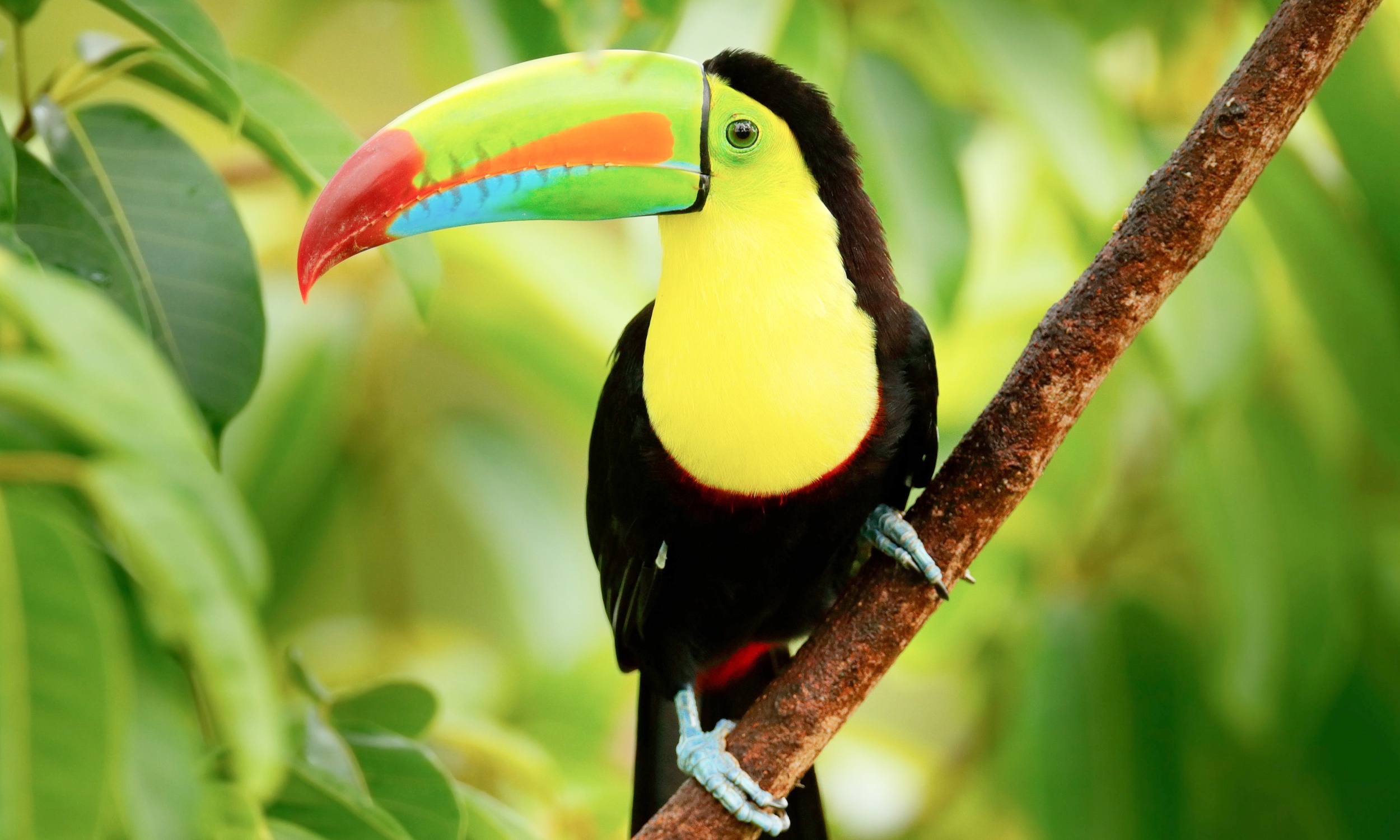
Credit: www.earth.com
Bird Diversity In Tropical Rainforests
Tropical rainforests are home to a vast variety of birds. These forests offer perfect conditions for birds to thrive. The rich plant life provides food and shelter. Birds here show amazing colors, shapes, and sizes. Each species plays a special role in the ecosystem. Their diversity is one of the highest on Earth.
Bird Population Density
Birds in tropical rainforests live in large numbers. These forests have a high population density of birds. Many birds share the same area without much conflict. The dense trees and plants create many layers for birds to live in. This helps support more birds in a small space. Bird calls fill the air, showing their abundance.
Key Bird Families
Several bird families are common in tropical rainforests. Each family has unique features and habits. Some important families include:
- Toucanidae:Known for big, colorful bills.
- Psittacidae:Parrots with bright feathers and strong beaks.
- Trochilidae:Tiny hummingbirds that hover to drink nectar.
- Formicariidae:Ground-dwelling birds that hunt insects.
- Thraupidae:Tanagers with vivid colors and varied diets.
These families show the rainforest’s rich bird diversity. They add color, sound, and movement to the forest life.
Colorful Parrots And Macaws
Colorful parrots and macaws are some of the most striking birds you’ll find in the tropical rainforest. Their bright feathers and lively personalities make them stand out in the dense green canopy. These birds are not just beautiful; they play important roles in the ecosystem, from seed dispersal to forming complex social groups.
Traits And Behavior
Parrots and macaws are known for their vibrant plumage, which ranges from deep reds to brilliant blues and yellows. Their strong, curved beaks are perfect for cracking nuts and seeds, a major part of their diet. You might notice their loud calls echoing through the forest—these sounds help them communicate across long distances.
Many parrots are highly social and intelligent. They often gather in flocks, showing behaviors like grooming each other and playing. Have you ever wondered how these birds avoid predators in such a crowded environment? Their sharp eyesight and quick flight help them stay safe while navigating through thick branches.
Famous Species
- Scarlet Macaw: Known for its red, yellow, and blue feathers, this macaw is a true rainforest icon. You can spot them near riverbanks and old-growth forests.
- Blue-and-yellow Macaw: This species dazzles with its bright blue wings and yellow chest. They are often seen in pairs, forming strong lifelong bonds.
- Amazon Parrots: These medium-sized parrots are mostly green but have colorful accents on their heads and wings. Their ability to mimic human speech is fascinating.
- Hyacinth Macaw: The largest of all flying parrots, its deep cobalt-blue feathers make it unforgettable. Sadly, it’s also one of the most endangered species, highlighting the need for conservation.
Have you ever encountered a parrot or macaw in the wild? Their intelligence and vibrant colors make them unforgettable creatures of the rainforest. Next time you visit a tropical forest, keep an eye out—you might be lucky enough to see one of these spectacular birds up close.
Toucans And Their Unique Features
Toucans are some of the most colorful and fascinating birds in the tropical rainforest. Their bright feathers and large, unique beaks make them stand out among other birds. Toucans play an important role in the rainforest ecosystem. They help spread seeds and keep the forest healthy. Understanding their special features helps us appreciate these amazing birds more.
Beak Adaptations
The toucan’s beak is large but light. It looks heavy but is made of a strong, hollow material. This design helps toucans reach fruits on branches that are hard to access. The beak also helps in thermoregulation, letting the bird control its body temperature. Bright colors on the beak may attract mates or scare away predators. The shape and size make it easy to grab and peel fruit.
Feeding Habits
Toucans mainly eat fruit, making them important seed dispersers. They also eat insects, eggs, and small animals sometimes. Their strong beak helps them peel fruit skin easily. Toucans often feed in small groups or pairs. They hop from branch to branch to find food. Their feeding habits help keep the rainforest plants growing and healthy.
Hummingbirds: Tiny Jewel-like Birds
Hummingbirds are among the most dazzling birds in tropical rainforests. Their small size and bright colors make them look like flying jewels. These tiny birds have a unique charm that captures the attention of many nature lovers.
They play an important role in the rainforest ecosystem. Hummingbirds help pollinate flowers as they feed on nectar. Their fast wing movement and vibrant feathers add life to the dense green forest.
Flight And Feeding
Hummingbirds have very fast wing beats, allowing them to hover in one place. They can fly forwards, backwards, and even upside down. This agility helps them reach nectar deep inside flowers.
These birds feed mostly on nectar, which gives them energy for their active lifestyle. They also eat small insects and spiders for protein. Their long, thin beaks are perfect for sipping nectar from tubular flowers.
Common Species
- Ruby-throated Hummingbird – Known for its bright red throat patch.
- Anna’s Hummingbird – Common in many rainforest areas, with green and pink feathers.
- Violet-crowned Hummingbird – Recognized by its striking violet head and white chest.
- Rufous Hummingbird – Noted for its fiery orange color and aggressive nature.
Birds Of Prey In The Canopy
Birds of prey like hawks and eagles soar high in the tropical rainforest canopy. These fierce hunters use sharp talons and keen eyesight to catch small animals and birds. Their presence helps keep the forest ecosystem balanced and healthy.
Birds of prey dominate the tropical rainforest canopy. These majestic hunters glide through the sky, scanning for movement below. Their keen eyesight and sharp talons make them formidable predators. In this vibrant ecosystem, they play a crucial role. Let’s explore some fascinating birds of prey found in the canopy.Hawks And Eagles
Hawks and eagles are powerful birds in the rainforest. These skilled predators have large wingspans and strong beaks. They perch on high branches, watching for prey. From insects to small mammals, their diet varies widely. Different species have unique features. Some have striking plumage, while others boast impressive size. Their presence maintains the balance of the ecosystem.Hunting Strategies
Birds of prey employ diverse hunting strategies. Some soar high, using their sharp eyes to spot prey. Others swoop down swiftly, catching their target by surprise. They use stealth and precision in their attacks. These adaptations ensure their survival in the dense forest. Their hunting skills are a marvel to observe. Each bird has its own method, honed over generations./https://tf-cmsv2-smithsonianmag-media.s3.amazonaws.com/filer_public/2c/74/2c74a43f-f969-4fbf-9165-2b8227ec68a6/gettyimages-898596862.jpg)
Credit: www.smithsonianmag.com
Ground-dwelling Birds
The tropical rainforest is a vibrant ecosystem teeming with life. Among its inhabitants are ground-dwelling birds, which thrive on the forest floor. These birds play vital roles in maintaining the balance of the ecosystem. They have adapted to life on the ground, finding food and shelter beneath the dense canopy.
Pheasants And Tinamous
Pheasants and tinamous are key ground-dwelling birds in the rainforest. Pheasants are colorful, with striking plumage that blends into the forest. They feed on seeds, insects, and small animals. Tinamous have round bodies and short wings, making them suited for running. They are known for their distinctive calls, echoing through the forest.
Role In The Ecosystem
Ground-dwelling birds contribute significantly to the rainforest ecosystem. They help control insect populations, ensuring the balance of life. By feeding on seeds, they aid in seed dispersal, promoting plant growth. Their presence supports predator-prey relationships, maintaining the food chain. These birds also aerate the soil, which benefits plant health.
Unique Songbirds Of The Rainforest
The tropical rainforest is home to some of the most fascinating and unique songbirds on the planet. These birds not only add vibrant colors to the dense greenery but also fill the air with a variety of captivating sounds. Their songs play a crucial role in communication, mating, and territory defense, making them an essential part of the rainforest’s ecosystem.
Vocalizations
The songbirds of the tropical rainforest produce a wide range of vocalizations, from melodious whistles to sharp calls. Each species has its own unique song that can tell you a lot about its behavior and environment. Have you ever wondered how these birds manage to stand out amid the constant noise of the forest?
Some birds use complex patterns of notes to attract mates, while others rely on loud, repetitive calls to warn off intruders. You might notice that these songs change during different times of the day or seasons, reflecting the birds’ needs and surroundings. Listening closely can reveal a hidden world of communication that often goes unnoticed.
Species Diversity
The diversity of songbirds in tropical rainforests is impressive, with thousands of species living side by side. These birds vary in size, shape, and color, each adapted to a specific niche within the forest. This variety helps maintain a balanced ecosystem, where every bird plays its own role.
Some well-known tropical songbirds include the brightly colored tanagers, the melodious thrushes, and the tiny hummingbirds known for their rapid wing beats. Each species brings a unique sound and personality to the rainforest. Have you ever tried identifying different bird songs during a walk in nature? It’s a rewarding way to connect with your environment and appreciate its complexity.
Adaptations To Rainforest Life
Birds in tropical rainforests have developed unique adaptations to survive and thrive in this dense, humid environment. These adaptations help them find food, avoid predators, and successfully raise their young amidst the vibrant but challenging surroundings. Understanding these traits can change how you observe and appreciate the incredible variety of rainforest birds.
Camouflage And Coloration
Many rainforest birds use their colors to blend into the thick foliage. Some species, like the green broadbill, have bright green feathers that make them almost invisible among the leaves.
Others use disruptive patterns to break up their outline, making it harder for predators to spot them. Have you ever noticed how the harpy eagle’s plumage matches the dappled light of the canopy? This natural disguise is a perfect survival tool.
On the flip side, some birds display vivid colors to warn predators or attract mates. The scarlet macaw’s bright red and blue feathers stand out boldly, signaling strength and health to others.
Nesting And Breeding
Rainforest birds have developed clever ways to protect their nests from heavy rain and curious predators. Many build nests high in the canopy, hidden within thick branches or epiphytes to stay safe and dry.
Some, like the ovenbird, create dome-shaped nests that shield eggs and chicks from rain. Others, such as the trumpet manucode, use loud calls to communicate and defend their territory during breeding season.
Have you ever wondered how these birds manage to raise their young despite constant threats? Their nesting strategies are a perfect example of nature’s problem-solving, helping ensure the next generation survives in this competitive environment.
Conservation Challenges
The tropical rainforest is home to an incredible variety of bird species, but these vibrant ecosystems face serious conservation challenges. Many birds struggle to survive as their habitats shrink and human activities disrupt the delicate balance of the forest. Understanding these challenges helps you see why protecting these birds is urgent and necessary.
Habitat Loss
Habitat loss is one of the biggest threats to tropical rainforest birds. Logging, agriculture, and urban expansion clear vast areas of forest every year.
When trees disappear, birds lose their homes and food sources. Imagine your neighborhood suddenly vanishing—where would you go? Many species, like the harpy eagle, require large territories and cannot survive in smaller fragments.
Fragmented forests also isolate bird populations, reducing their chances to breed and increasing vulnerability to predators. This isolation can lead to a decline in genetic diversity, which weakens the entire species over time.
Protective Measures
Protective measures aim to slow down and reverse habitat loss. Creating protected areas and national parks safeguards critical bird habitats.
Community involvement plays a key role. When local people understand the importance of birds and forests, they become active guardians of their environment.
- Supporting sustainable farming practices helps reduce deforestation.
- Reforestation projects restore damaged habitats and provide new homes for birds.
- Eco-tourism offers financial incentives for conservation while educating visitors.
Have you ever considered how your daily choices impact distant rainforests? You can help by choosing products that support sustainable forestry and raising awareness about these amazing birds. Your actions count more than you think.

Credit: www.ctvnews.ca
Frequently Asked Questions
What Types Of Birds Live In Tropical Rainforests?
Tropical rainforests host diverse birds like toucans, parrots, hornbills, and hummingbirds. These species thrive in dense, humid environments with abundant food.
Which Bird Is Most Common In Tropical Rainforests?
The toucan is one of the most common birds in tropical rainforests. Its colorful beak helps it eat fruit and attract mates.
How Do Rainforest Birds Adapt To Their Environment?
Rainforest birds have strong beaks, vibrant colors, and loud calls. These traits help them find food, avoid predators, and communicate in dense forests.
Are Tropical Rainforest Birds Important To The Ecosystem?
Yes, tropical birds aid seed dispersal and pollination. They maintain forest health and biodiversity, supporting the entire ecosystem’s balance.
Conclusion
Tropical rainforests host many colorful and unique birds. They live in trees, near water, and on the forest floor. Birds like toucans, parrots, and hummingbirds add life to the forest. Each bird plays a role in the ecosystem. Protecting these forests helps protect the birds too.
Enjoy learning about these amazing creatures and their homes. Nature’s beauty shines through every bird you find here.




